At the Heacock Classic Gold Cup: Sports 2000 finds a home
With a gathering of some 40 cars the Sports 2000 racers have earned their own run group at the Sportscar Vintage Racing Association's Sept. 24-26 Heacock Classic Gold Cup at Virginia International Raceway. Enthusiasts of the purpose-built racers see a trend that Sports 2000 has found its home with vintage racing.
"Sports 2000 is a driver's car," says Peter Krause, SVRA chief driving instructor who also races a 1984 Tiga SC84. "They are very fast, very agile. They are great cars to show off a driver's ability because they were developed to a tight rulebook that makes them very even."
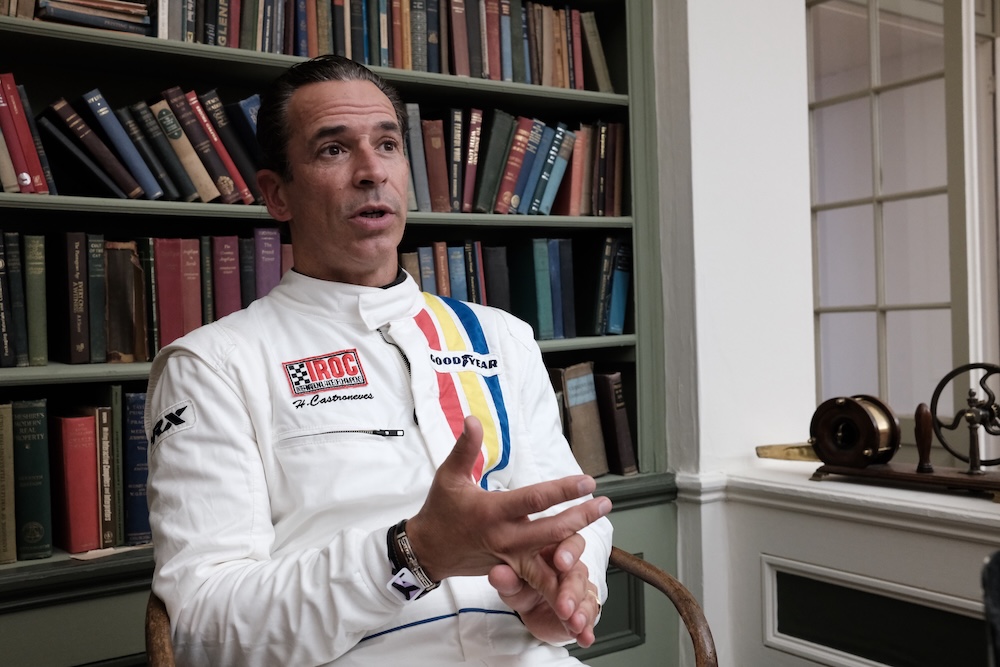
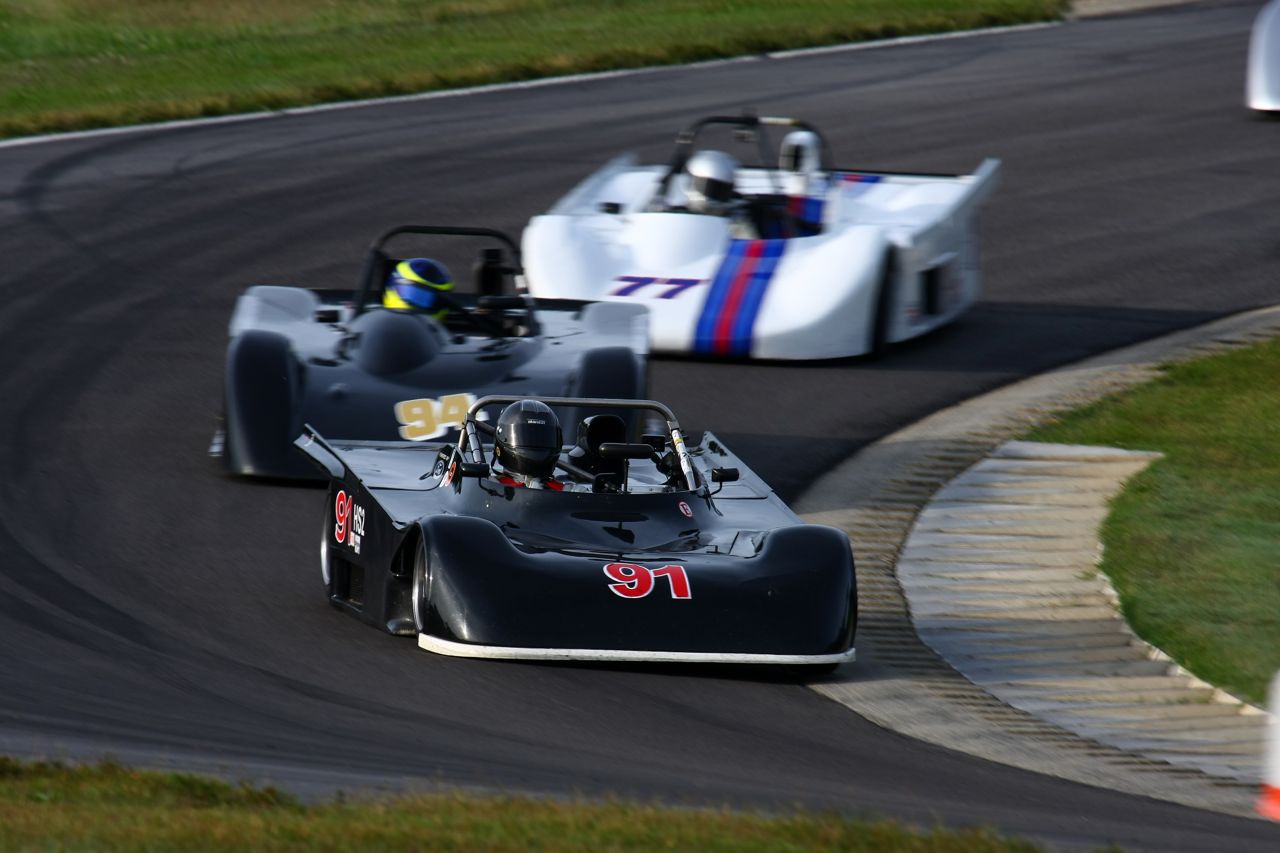
Krause (LEFT) is a walking encyclopedia on most things sports car and Sports 2000 is no exception. He shares that the category traces its roots back to England in the late 1970s and Lola was the first manufacturer. Tiga, the manufacturer of Krause's black number 91 machine (TOP), built some 300 of them between 1977 and 1984. Chevron, March, Swift, Carbir, Reynard, Crossle and other smaller builders also got in the game.
Bottom line, a lot of constructors entered the Sports 2000 market to meet demand. Krause has personally purchased and sold dozens of them. While there were several constructors, the tight rulebook kept competition amazingly close. Racing them as a class was a great opportunity for a driver to showcase their talents.
"It was a popular driver development class," Krause relates. "Some major talent spent time in those cars early in their careers back in the 1980's. Guys like Scott Goodyear, Jimmy Vasser and Steve Knapp. All of them went on to race in the Indy 500 and win major races."
Scott Goodyear drove an abbreviated season of Sports 2000 in Tom Mitchell Racing's Lola in 1985. While Goodyear agrees the cars were evenly matched and fun to drive he also believes they gave him crucial experience in a truly fast machine on premier tracks he would later compete on in IMSA and Indy car.
"I won a few races in Sports 2000, but what was really important was the valuable track time at major circuits," Goodyear says. "We went to a lot of marquee tracks like Road America, Road Atlanta and Mid-Ohio. That was very helpful later in my career in big series competition. I knew the tracks and I experienced them at speed."
ACCUS Board Member Vicki O'Connor started the North American Pro Sports 2000 series in 1983. While she agrees professionals like Goodyear and Calvin Fish were important participants most drivers were business professionals.
"The cars were relatively inexpensive, fast and not open wheel so they felt safer," O'Connor says. "The cars were durable too – the first Lolas actually used Pinto engines."
Malcolm Mangum, a partner at Apex Vintage, the garage that prepares Krause's Tiga as well as four other Sports 2000 racers sees changes at the SCCA creating the influx of the cars into vintage racing. As SCCA rules and classes inevitably evolved the Sports 2000 racers became increasingly less competitive with newer technology cars. Mangum, who raced the cars himself for four years, says Sports 2000 racers are a community.
"They are a tight-knit group. They socialize, have reunions," says Mangum (RIGHT). "There are groups like the English SRCC (Sports 2000 Racing Car Club). At Road America in 2007 there was a reunion and seventy cars were there. Six former SCCA national champions attended as well as two pro series champions."
The Sports 2000 car owners are racers who love to go fast in durable, affordable cars and look for a place to converge to enjoy each other's company. It sounds like the SVRA and VIR are a perfect fit for them.

Latest News

Comments
Comments are disabled until you accept Social Networking Cookies. Update cookie preferences
If the dialog doesn't appear, ad-blockers are often the cause; try disabling yours or see our Social Features Support.