Jake Galstad/IMSA
IMSA class guide
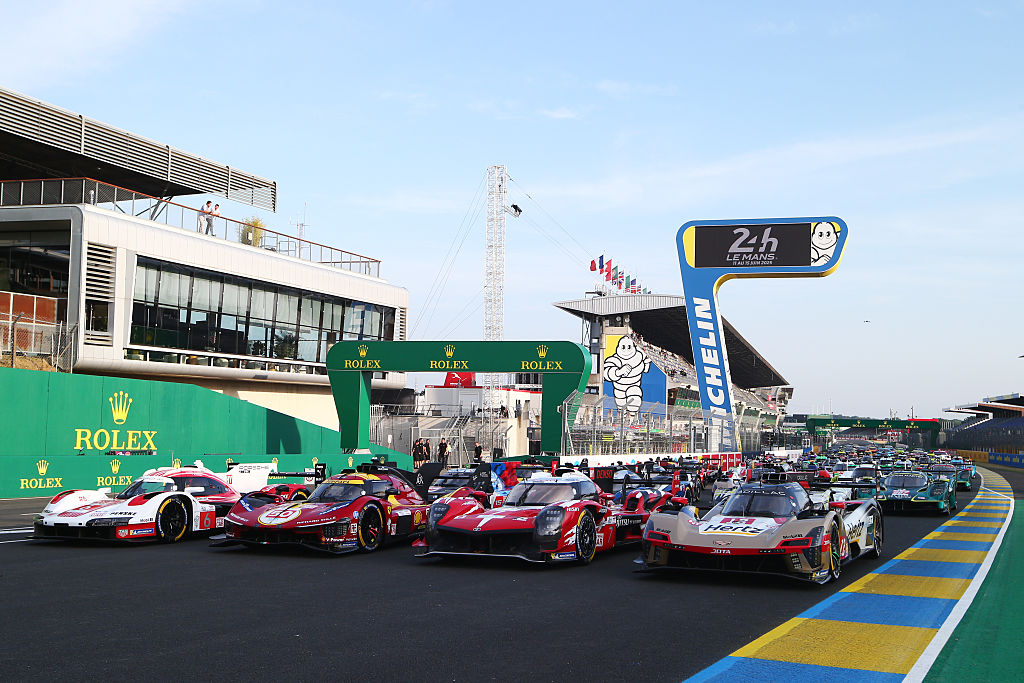
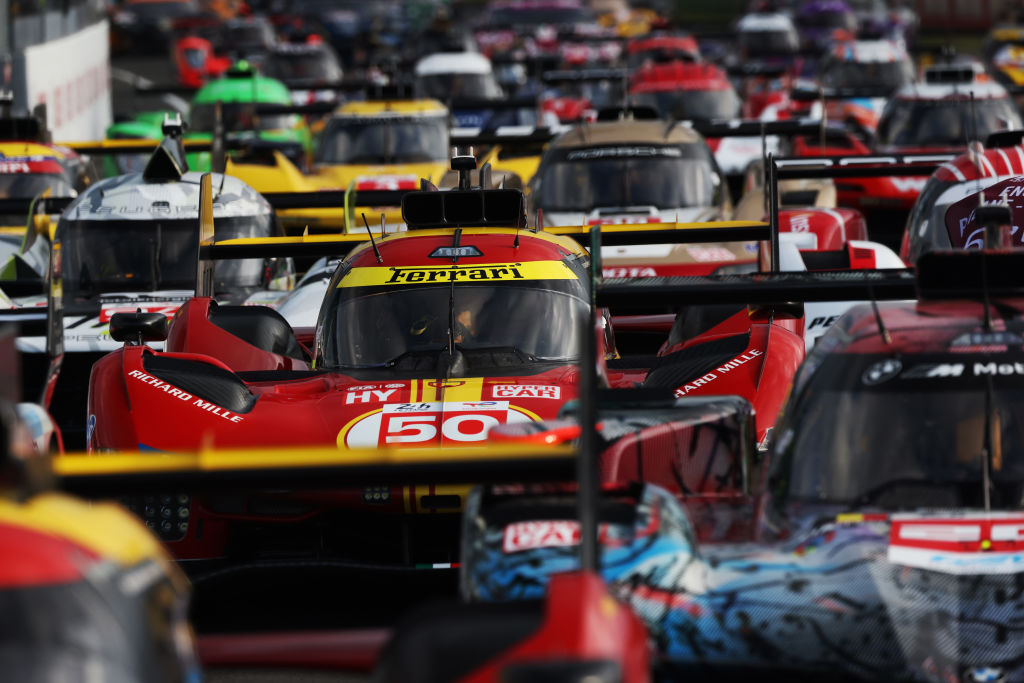
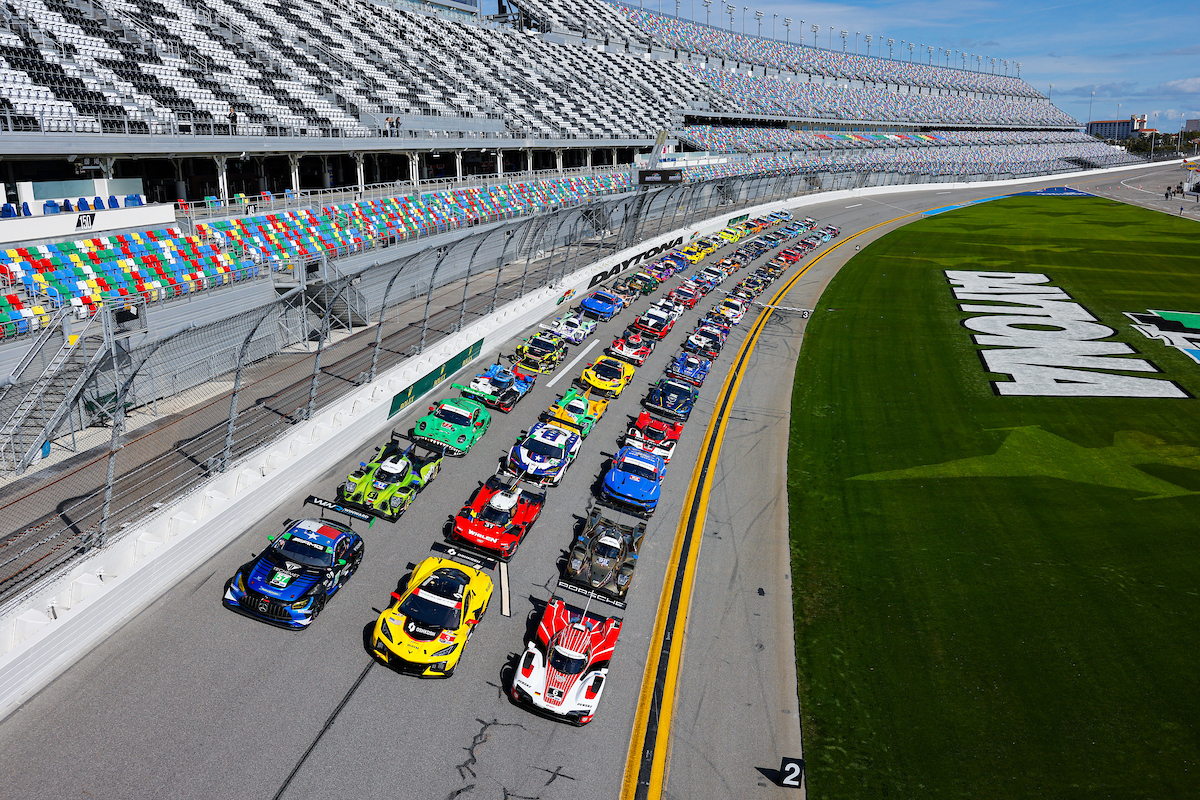
The IMSA WeatherTech SportsCar Championship currently runs four classes on track at once, split between two fundamentally different car types: purpose-built Prototypes and production-based GT cars.
Grand Touring Prototype (GTP)
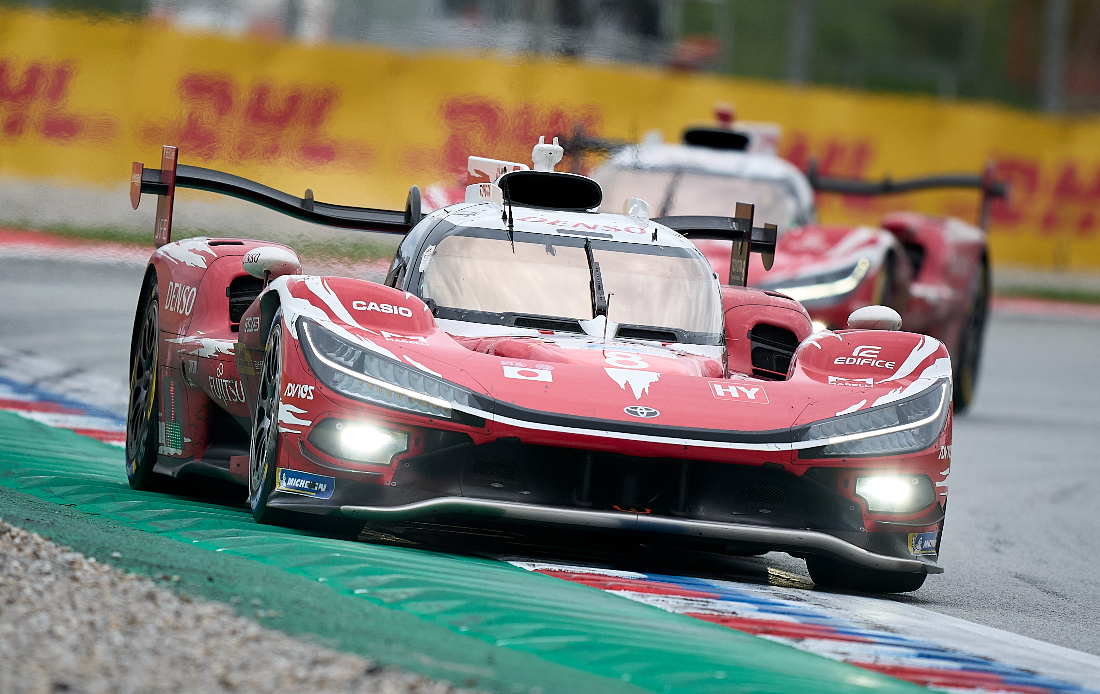
The newest and most technologically advanced Prototype car, GTP first hit the track in 2023. These are closed-cockpit, full prototype race cars: hybrid-powered, purpose-built for racing with no production-car basis at all. Current manufacturers include Acura, BMW, Cadillac, Porsche, and Aston Martin.
GTP uses rules aligned with the FIA World Endurance Championship's Hypercar class, meaning the same cars can compete in both IMSA's GTP and the WEC's Hypercar category. The technical framework is called LMDh (Le Mans Daytona h), and it converges with the WEC's LMH (Le Mans Hypercar) regulations.
Le Mans Prototype 2 (LMP2)
A closed-cockpit prototype car built by four approved constructors. These are spec chassis, not manufacturer-branded like GTP.
LMP2 cars are also eligible to race in other global series, including the FIA World Endurance Championship, making it a genuinely international category. It sits below GTP in outright pace but above the GT classes: a professional prototype category, generally used by teams (often pro-am driver lineups) who aren't running full factory GTP programs.
GT Daytona Pro (GTD Pro)
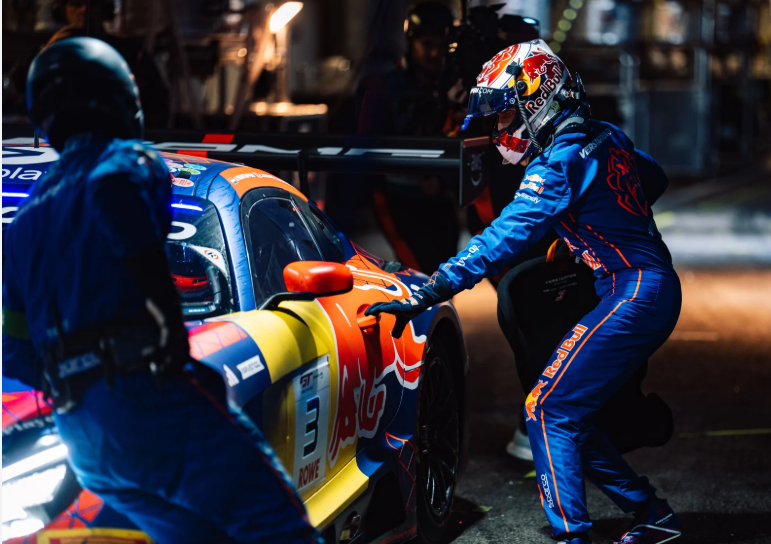
GTD Pro debuted in 2022 as an all-professional class, built to FIA GT3 technical regulations. It's aimed at factory teams and all-professional driver line-ups, with manufacturers including Aston Martin, BMW, Chevrolet, Ferrari, Ford, Lamborghini, Lexus, Mercedes-AMG, and Porsche.
These are GT3-spec cars: silhouette race cars based on real road-going sports cars (Corvette, 911, etc.) but heavily modified for racing.
GT Daytona (GTD)
Also built to the global FIA GT3 specification, these are essentially the same cars as GTD Pro. The difference is driver line-up rules, not the machinery.
GTD is IMSA's Pro-Am class, meaning teams must run a mix of professional and amateur (Bronze/Silver-rated) drivers, rather than the all-pro line-ups allowed in GTD PRO. This gives gentleman/amateur racers a path to compete at the top level of the sport alongside pros.
How to tell them apart on the track
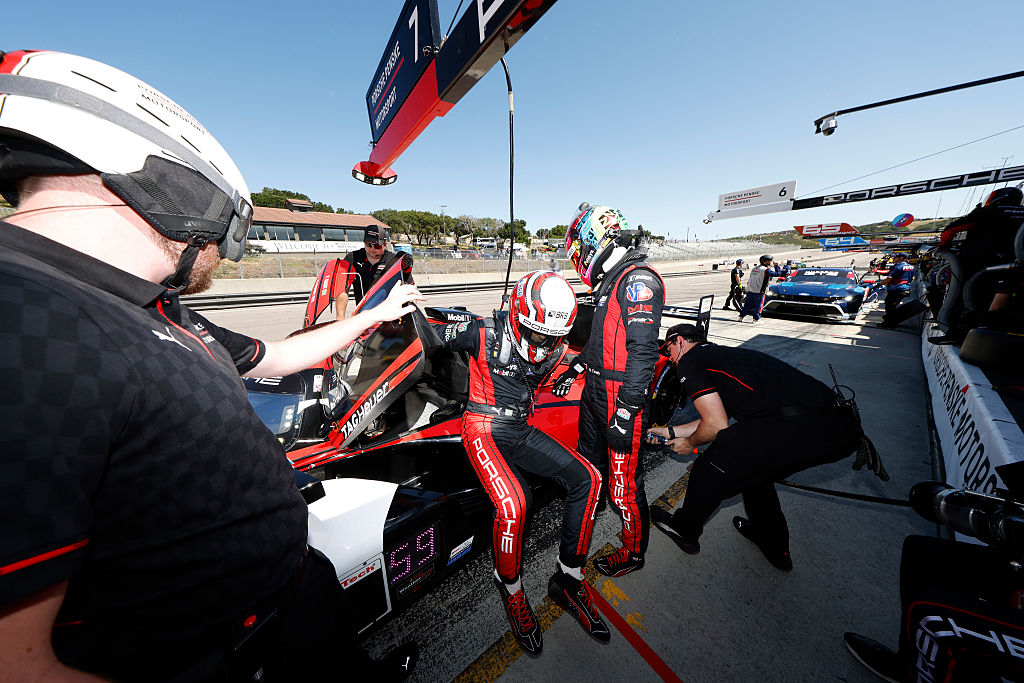
Since all four classes run on track simultaneously, each car has an LED panel on its side that displays its position within its own class, color-coded by class. You can look at any car during a race and immediately tell where it stands in its own championship battle, not just its overall position on track.
Latest News
Comments
Comments are disabled until you accept Social Networking Cookies. Update cookie preferences
If the dialog doesn't appear, ad-blockers are often the cause; try disabling yours or see our Social Features Support.