Michael Levitt/Lumen via Getty Images
Why do sports car teams have multiple drivers?
Sports car endurance races are far too long, and far too physically/mentally demanding, for one driver to complete safely. Most WEC and IMSA races run anywhere from 100 minutes up to 24 hours, and the format is built entirely around teams sharing driving duties.
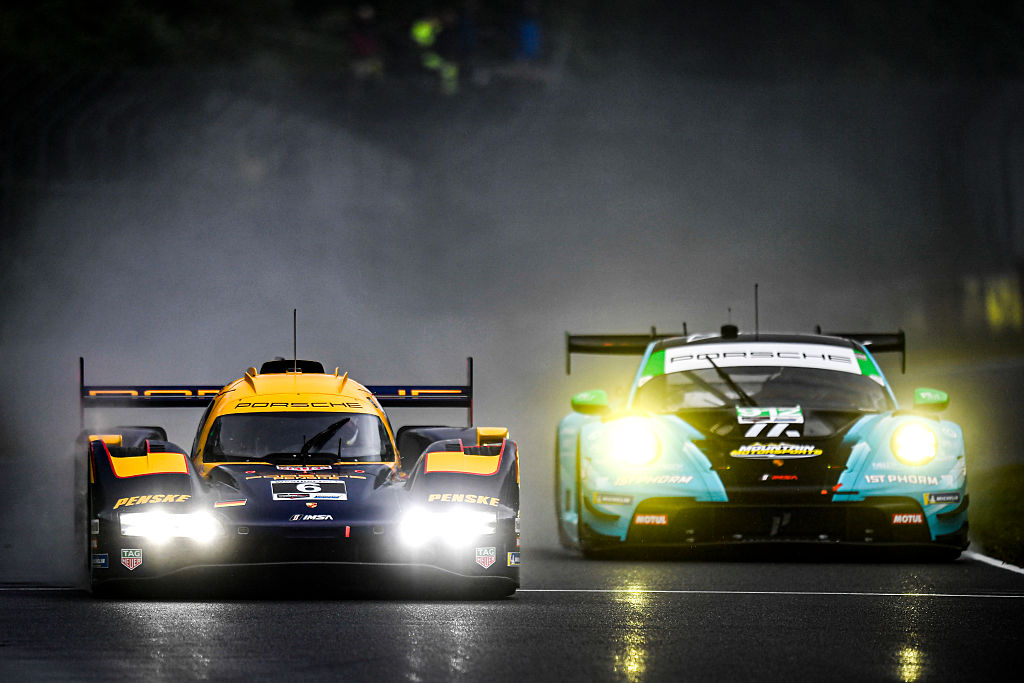
A driver's reaction time, concentration, and physical stamina degrade significantly after a few hours behind the wheel, especially in a race car with none of the comforts of a road car: extreme heat inside the cockpit, constant vibration, G-forces in every corner, and total concentration required at speeds well over 150 mph, often in traffic with slower classes on track at the same time.
Rules generally cap how long any one driver can stay in the car continuously (and how much total driving time they can log across a race), specifically to prevent fatigue-related crashes.
Mandatory mixing
Most classes require teams to include drivers of different skill ratings (Platinum/Gold/Silver/Bronze, based on age, experience, and results) rather than letting a team just run three professional aces.
This is deliberate. It keeps costs down for teams/sponsors who need an amateur driver's budget to fund the program, preserves the amateur/gentleman-driver tradition that's core to sports car racing's culture, and creates genuine strategic and competitive variation, since a team has to manage when to put its fastest driver in versus when a slower-rated driver has to complete their mandatory minimum stint.
Strategic element
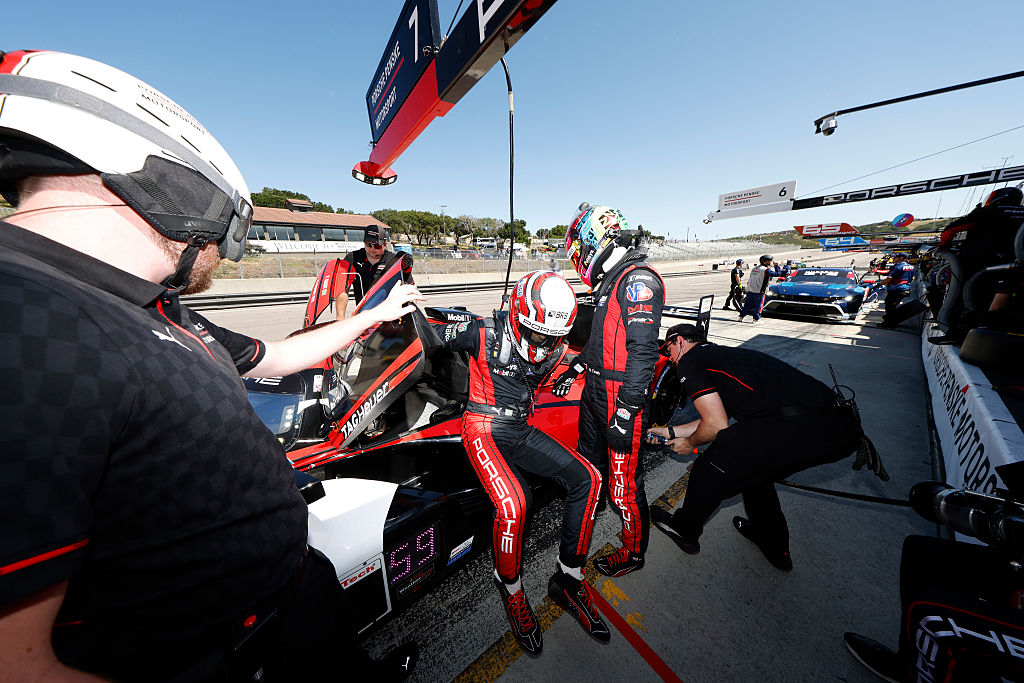
Since teams already need to stop regularly for fuel and tires, driver changes are built into the same pit stops rather than requiring extra time. When a car pits, it's common for a fresh driver to physically swap in through the window while the car is being refueled and tires changed, all in the same stop. This turns ‘who's driving when’ into a genuine strategic variable alongside tire and fuel strategy – teams plan driver rotations around when their strongest driver should be in the car (a late-race sprint to the finish, a tricky night session, tricky weather) versus when a lower-rated teammate can safely log their required stints.
Latest News

Comments
Comments are disabled until you accept Social Networking Cookies. Update cookie preferences
If the dialog doesn't appear, ad-blockers are often the cause; try disabling yours or see our Social Features Support.