Simon Bruty and Matthew Stockman/Allsport via Getty Images
What was ‘The Split’?
The IRL/CART split – often called “The Split” – is one of the most consequential and self-destructive events in American motorsport history.
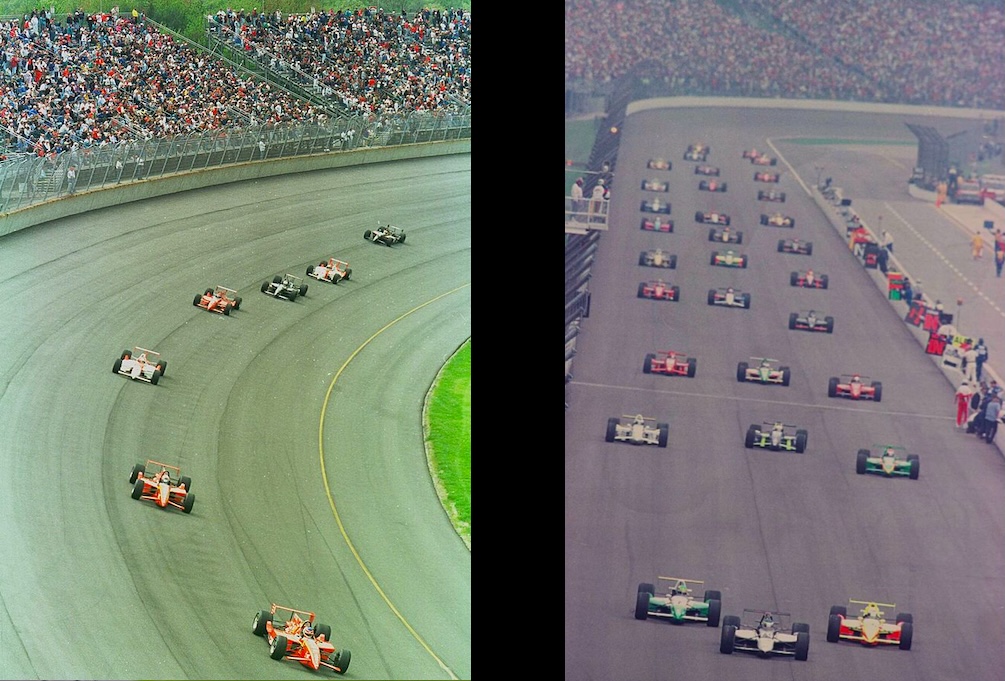
Throughout the 1980s and into the ‘90s, CART (Championship Auto Racing Teams) ran the top tier of American open-wheel racing – essentially what we'd now call IndyCar. It included road courses, street circuits and ovals, and had built a strong roster of international stars, technical sophistication and a genuine rivalry with F1 for engineering talent. But CART, as an entity, was actually owned and controlled by the team owners themselves – a team/owner cooperative, not a single controlling promoter.
Tony George, president of the Indianapolis Motor Speedway, felt CART had drifted away from its oval racing roots, increasingly favoring road and street courses and international drivers/engineering over the ovals that built the sport's identity. He also had less control than he wanted over the series despite owning its most important race, the Indy 500. He believed costs had spiraled out of control and that grassroots oval short-track talent was being squeezed out.
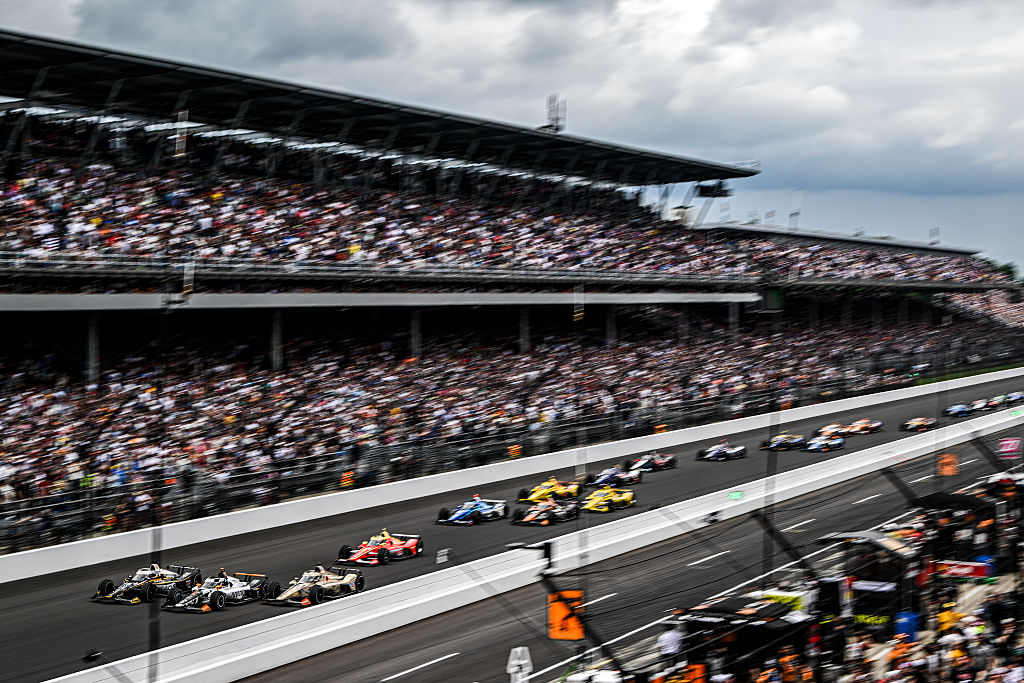
In 1996, George launched a rival series: the Indy Racing League (IRL). It emphasized ovals, cheaper spec-style equipment, and a more overtly “American” and oval-focused identity. Crucially, George used his control of the Indianapolis 500 as leverage. CART teams largely boycotted the IRL and kept running their own separate championship (which was later rebranded Champ Car). The result: two competing top-level open-wheel series in the U.S. at the same time, each claiming to be the “real” successor to the sport's heritage, and, most damagingly, the Indy 500 itself became a symbolic battleground, with many top CART teams and stars boycotting it for years.
The fallout was widespread:
Sponsorship, TV audiences, and fan attention fragmented between the two series.
NASCAR, which was unified and growing rapidly through this exact period, absorbed much of the mainstream motorsport audience and sponsorship dollars that open-wheel racing lost.
Both series suffered financially. CART went through various ownership changes and eventually went bankrupt in 2003, re-emerging as the Champ Car World Series.
Many drivers, teams, and manufacturers had to choose sides, weakening the talent pool in both.
After years of financial strain on both sides, Champ Car and the IRL finally merged in 2008, folding back into a single series under the IndyCar banner (built on the IRL's structure, using its rulebook and largely its ownership). Champ Car's remaining teams and some of its road-course dates were absorbed into the unified championship.
Many longtime fans and historians consider The Split to be the single biggest reason American open-wheel racing never caught up to NASCAR in mainstream popularity after the 1990s. More than a decade of divided competition, confused fans and lost commercial momentum did lasting damage that current-day IndyCar been rebuilding from ever since.
Latest News
Comments
Comments are disabled until you accept Social Networking Cookies. Update cookie preferences
If the dialog doesn't appear, ad-blockers are often the cause; try disabling yours or see our Social Features Support.