Brandon Badraoui/Lumen via Getty Images
What makes the Indy 500 unique?
The Indianapolis 500 is the oldest and most prestigious race in American motorsport, run every year on Memorial Day weekend at the Indianapolis Motor Speedway.
It predates the modern IndyCar championship by decades, weathered the sport's biggest existential crisis while remaining its unquestioned centerpiece, and carries a density of scale, tradition, and prestige that makes it feel bigger, culturally, than the season-long championship it's technically just one round of.
The Indianapolis Motor Speedway was built in 1909, originally as a testing and proving ground for the local auto industry: Indianapolis was a major car manufacturing hub at the time, alongside Detroit. The original surface was crushed rock and tar, which proved dangerous in early events, so the track was repaved with 3.2 million paving bricks, earning it the nickname “The Brickyard,” which survives today even though only a yard-wide strip of bricks remains at the start/finish line.
The first Indianapolis 500 was run in 1911, won by Ray Harroun driving the Marmon Wasp at an average speed of about 74 mph. Harroun is also credited with inventing the rearview mirror specifically to avoid needing a riding mechanic to watch for traffic – a piece of racing lore that's stuck ever since.
Through the 1930s, the race was as much an engineering showcase as a sporting event. Manufacturers used it to demonstrate reliability, speed and innovation to the public. It quickly became the biggest annual event in American motorsport.
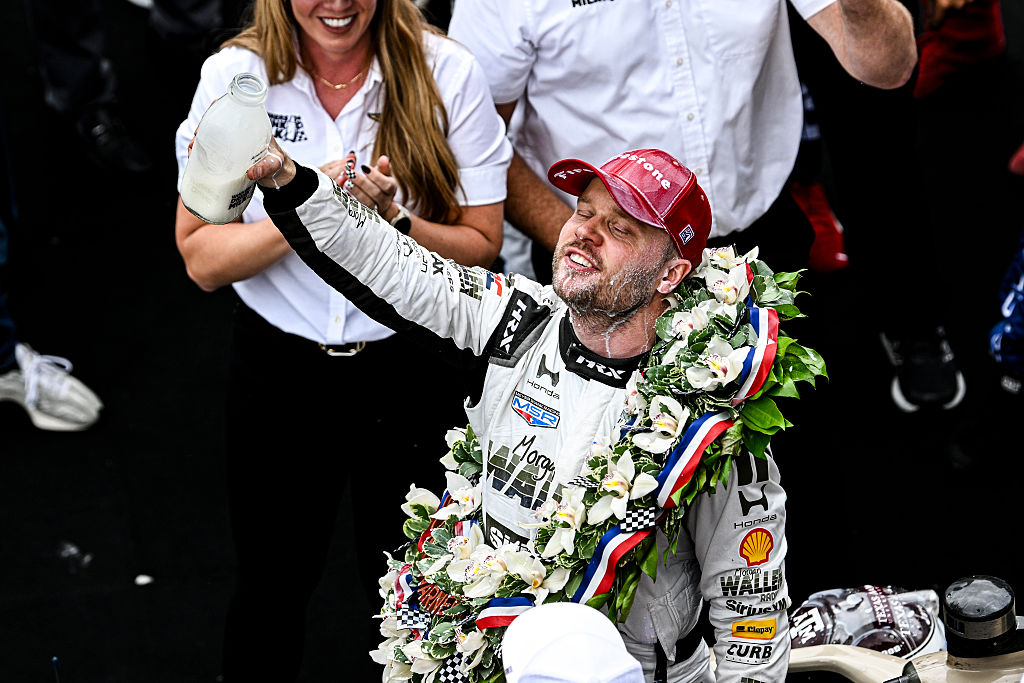
By the 1950s, the race had grown into a genuine cultural institution, helped by traditions like the Gasoline Alley garage area, the singing of “Back Home Again in Indiana” and the drinking of milk in victory lane (which started somewhat by accident in 1936 and became a permanent tradition). The 1960s also saw the sport's rear-engine revolution play out live at Indy, mirroring a parallel shift happening in European open-wheel racing at the time.
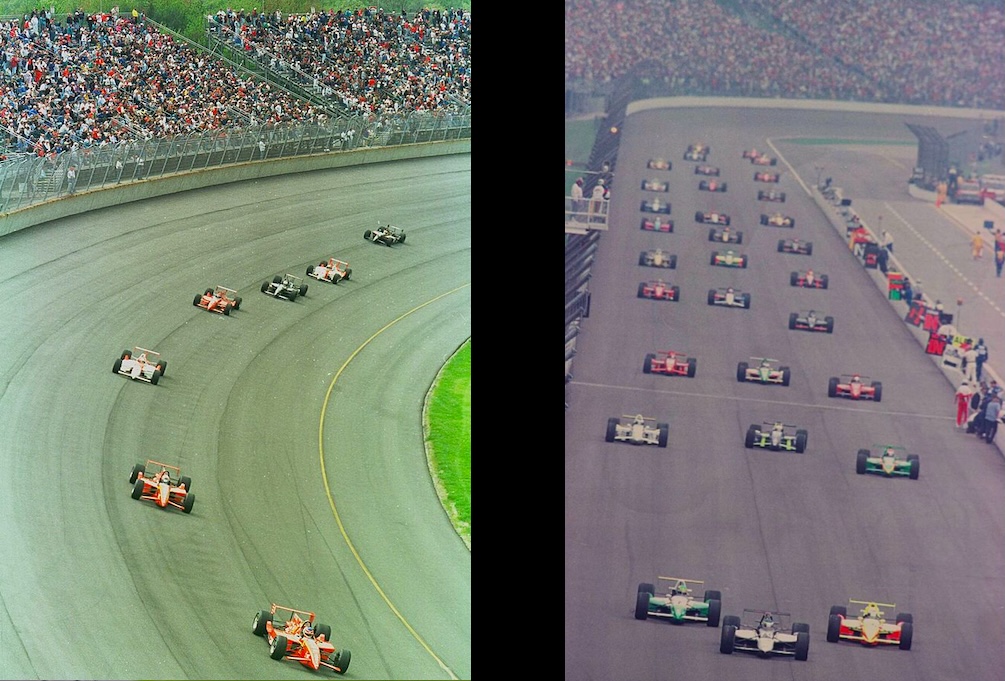
The IRL/CART split, which lasted from 1996 until 2008, was the darkest chapter in the race's history. A leadership dispute over the direction of American open-wheel racing led to a fracture between two rival series – the Indy Racing League and CART – and the Speedway's owner Tony George,who controlled the 500, used the race itself as leverage in that fight. For over a decade, many top teams and international stars boycotted the race, badly damaging its prestige even as it remained enormously popular with fans.
The rival series merged back into one unified championship in 2008, and the 500 has been the sport's unquestioned centerpiece ever since.
WHY IT MATTERS
Scale
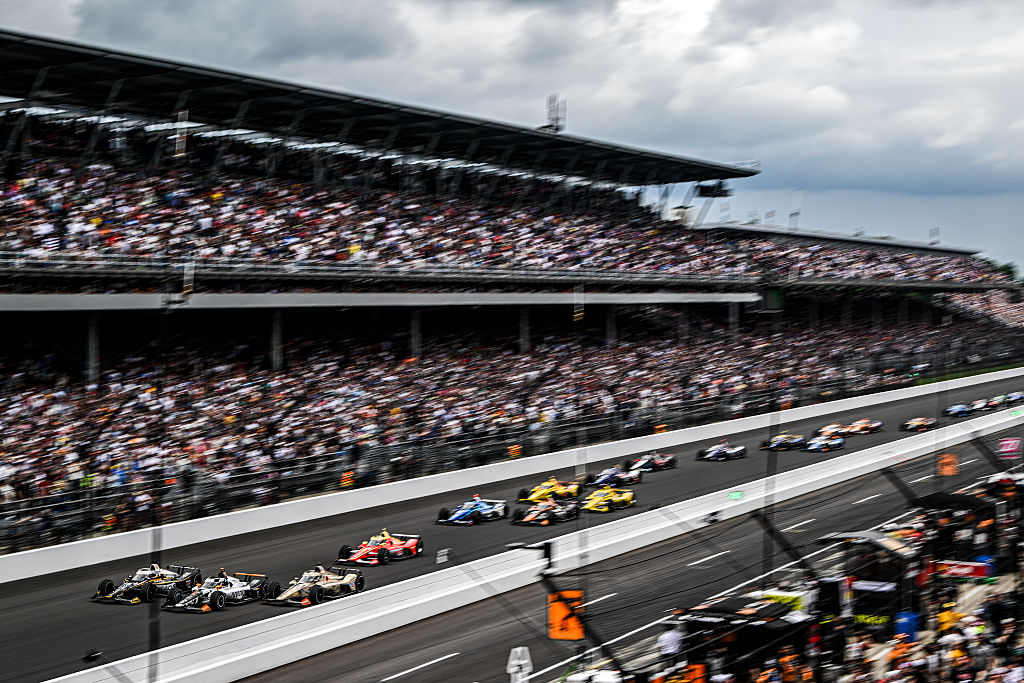
The Speedway seats roughly 250,000-300,000 people permanently, with total raceday attendance often cited as the largest of any single-day sporting event in the world – bigger than the Super Bowl, or any Formula 1 race.
It’s the sport’s undisputed crown jewel
Other major racing series have several prestigious events spread across a season, but no single dominant one. The Indy 500 is unambiguously the most important race on the IndyCar calendar, and winning it can define a driver's career more than any championship title.
Tradition
The pre-race rituals, a multi-day qualifying spectacle, rookie stripes on cars and the milk and wreath in victory lane all give the race a ceremonial weight that a normal points-paying race simply doesn't have.
Crossover appeal
Because of its prestige, the race often attracts drivers from other disciplines – stock car racers have attempted it, and some road-racing stars have chased the “Triple Crown” of winning Indy, the Monaco Grand Prix and the 24 Hours of Le Mans, purely because of what winning Indy represents. (Only one driver, Graham Hill, has actually won all three).
Latest News
Comments
Comments are disabled until you accept Social Networking Cookies. Update cookie preferences
If the dialog doesn't appear, ad-blockers are often the cause; try disabling yours or see our Social Features Support.