Peter Fox/Getty Images
Why don't F1 cars refuel during pitstops?
F1 cars don't refuel during pit stops because refueling was banned starting in the 2010 season, and the ban has stuck ever since. A few reasons drove that decision:
Safety
Refueling rigs pumping highly flammable fuel at high pressure, in close proximity to a running engine and a crew of mechanics, created a real fire risk. There were several high-profile refueling fires over the years (most famously a huge blaze in Jos Verstappen's Benetton pit box at the 1994 German GP). Removing fuel from the pit lane entirely eliminated that entire category of danger.
Cost
Refueling rigs, the fuel itself being transported to every race, and the associated equipment and personnel all added significant expense for teams. Cutting it was part of a broader push to reduce costs in the sport during that era.
Racing/strategy reasons
Before the ban, cars often started races with light fuel loads specifically to qualify well or gain a short-term pace advantage, then fuel strategy (rather than tire strategy) was the dominant variable in a race. Drivers would plan multiple short fuel stints and refuel every time they pitted. Banning refueling meant every car has to carry its full race fuel load from the start.
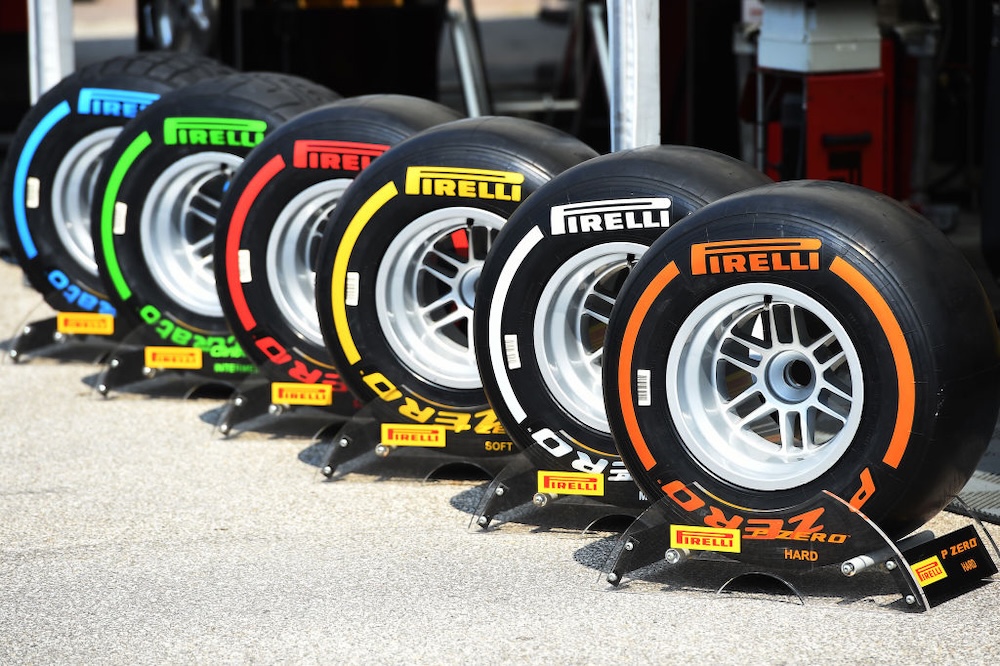
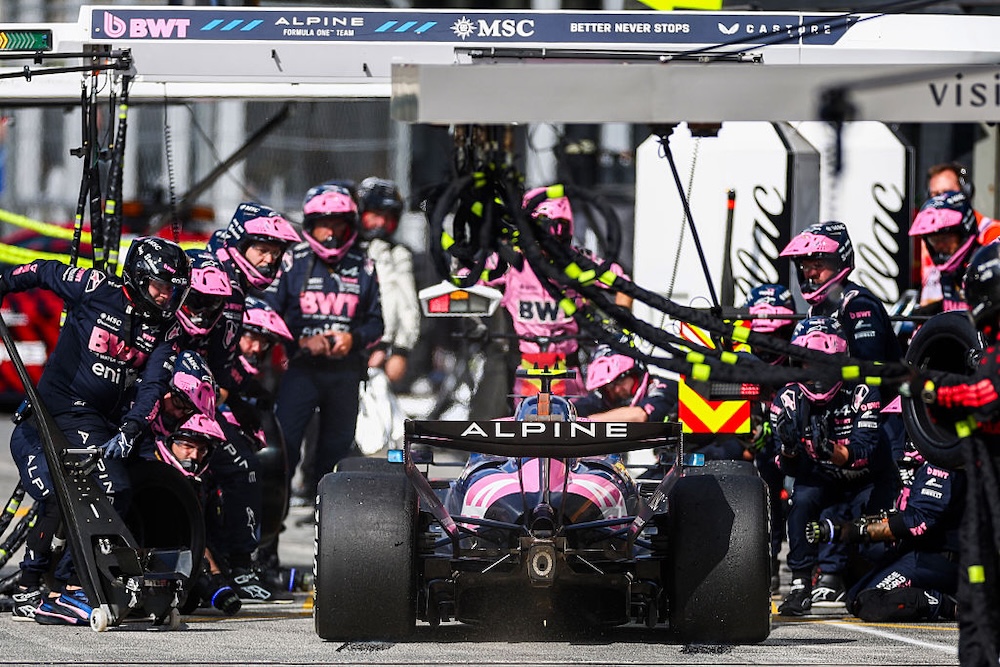
This removes fuel-load gamesmanship in qualifying and the start of races, shifts pit-stop strategy almost entirely onto tire choice and compound management, and makes pit stops purely about tire changes, which is a big reason stops got so dramatically fast.
Latest News
Comments
Comments are disabled until you accept Social Networking Cookies. Update cookie preferences
If the dialog doesn't appear, ad-blockers are often the cause; try disabling yours or see our Social Features Support.