Mark Sutton/Formula 1 via Getty Images
What’s the difference between a Sprint and a regular F1 weekend?
An F1 Sprint weekend is a modified race weekend format used at a handful of selected events each season. It adds an extra, shorter race into the weekend alongside the usual Grand Prix, and it changes how qualifying works, too.
The Sprint format was introduced in 2021 as an experiment to boost weekend excitement by giving fans a competitive, points-paying session on Saturday instead of just practice, and creating more unpredictability since drivers can take more risks in a shorter, lower-consequence race, sometimes shuffling the grid or damaging cars ahead of Sunday.
It's been tweaked several times since (the qualifying format for the Sprint itself, points distribution, etc.), reflecting that F1 is still fine-tuning exactly how it wants the format to work.
Standard weekend vs. Sprint weekend
A normal F1 weekend looks like this:
Free Practice 1
Free Practice 2
Free Practice 3
Qualifying
Race
A Sprint weekend compresses practice and adds a second competitive session:
Free Practice 1
Sprint Qualifying
Free Practice 2
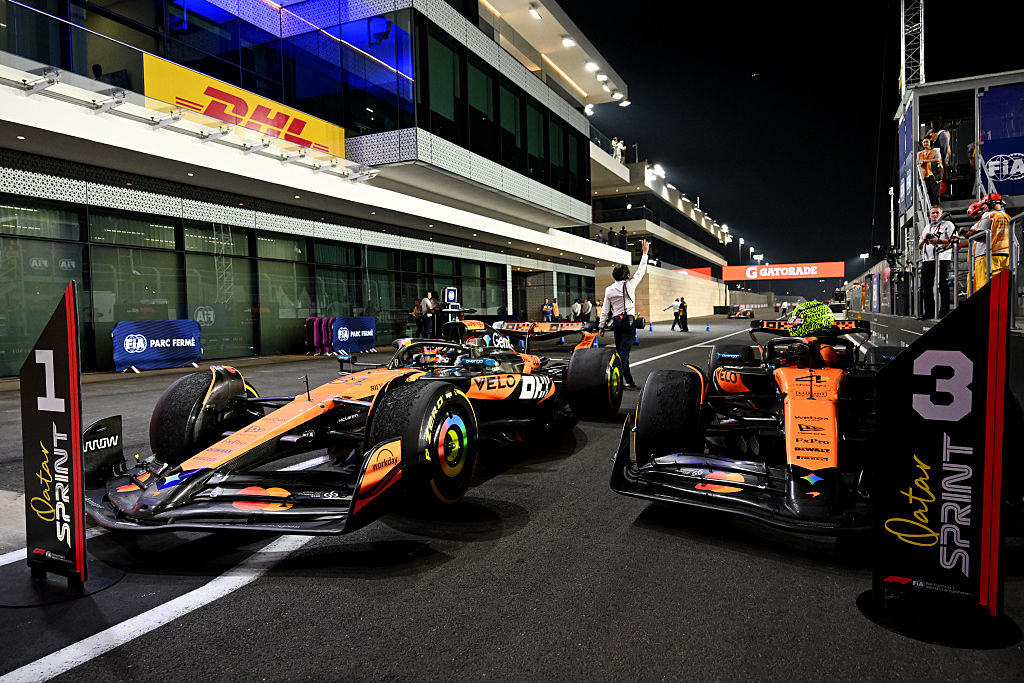
Sprint Race
Qualifying
Race
The Sprint awards championship points to the top eight finishers (typically 8-7-6-5-4-3-2-1 for first through eighth), a much smaller haul than the win-worth-25-points structure of the main race. So it matters for the championship, but far less than the Grand Prix itself.
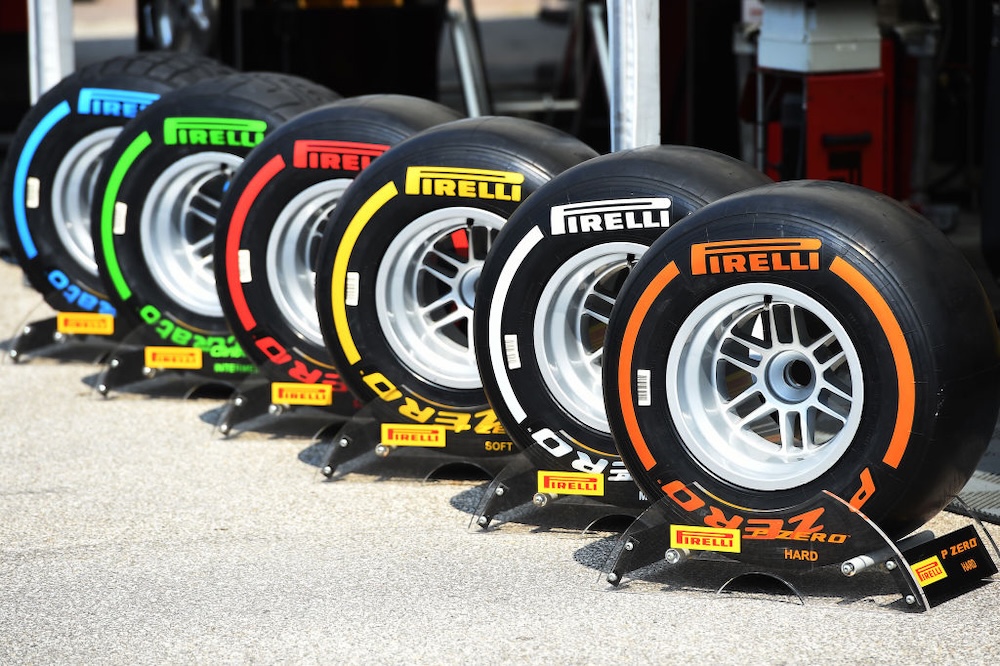
Unlike the main race, drivers aren't required to use two different tire compounds during the Sprint. It's short enough that most just run it flat-out on one set.
Latest News


Comments
Comments are disabled until you accept Social Networking Cookies. Update cookie preferences
If the dialog doesn't appear, ad-blockers are often the cause; try disabling yours or see our Social Features Support.