Andy Hone/Getty Images
What is clipping and super clipping?
Clipping happens when the Energy Recovery System runs out of deployable electrical energy before the end of a straight, causing a sudden, visible drop in power even though the driver still has the throttle fully pressed.
Because 2026 power units draw roughly half their output from the battery (350kW/~470hp) rather than the combustion engine alone, running out of battery charge mid-straight leaves the car suddenly reliant on ICE power only: a noticeable "cliff" in acceleration and top speed, even at full throttle.
"Super clipping" is a more advanced, intentional technique teams now use to manage that energy problem.
Super clipping is when the MGU-K switches into harvest mode while the driver is at full throttle (typically at the end of a straight or through a high-speed corner) pulling energy away from the rear wheels and storing it in the battery instead, for deployment later in the lap.
It contrasts with the older lift and coast technique, where a driver lifts off the throttle early into a braking zone to conserve fuel/tires. Super clipping instead lets the driver stay flat-out while the car itself diverts power to recharge.
While normal braking can recover up to 350kW, super clipping is capped at 250kW of recovery – but its advantage is that it happens without lifting off the throttle at all. It also has an aerodynamic benefit: because the car stays in low-drag "straight mode" rather than switching to high-downforce mode, top speed is better preserved even while energy is being diverted to the battery.
Why it exists in the first place
The 2026 rules removed the MGU-H (which used to help keep the battery charged via exhaust heat at high speed), putting far more pressure on the MGU-K and braking-based recovery to keep the battery topped up. Because of the near 50/50 ICE-electric split, energy management became constant rather than occasional. Current F1 cars are described as energy-starved compared to their predecessors.
Why it's controversial
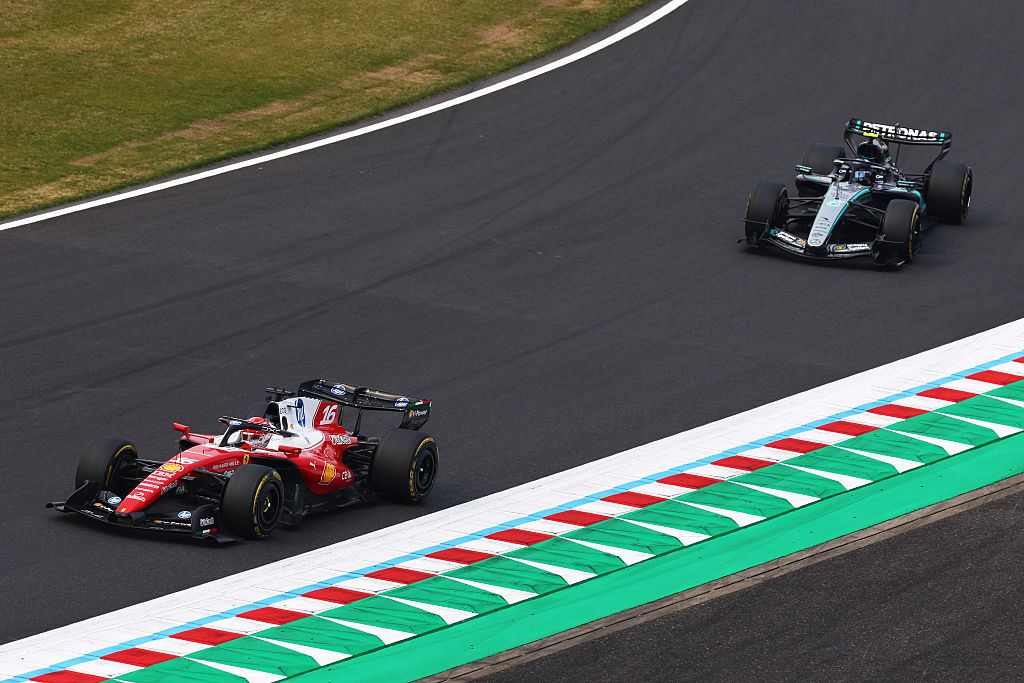
At tracks with long, fast straights and fewer braking zones (Suzuka, Melbourne, Monza, Baku) the battery can drain faster than it can be replenished through braking alone, making super clipping essential just to keep the car topped up. It caused visibly strange racing at Suzuka in 2026, when drivers were losing speed before they even reached braking zones at corners like Degner 1 and 130R, effectively turning what used to be flat-out corners into medium-speed ones.
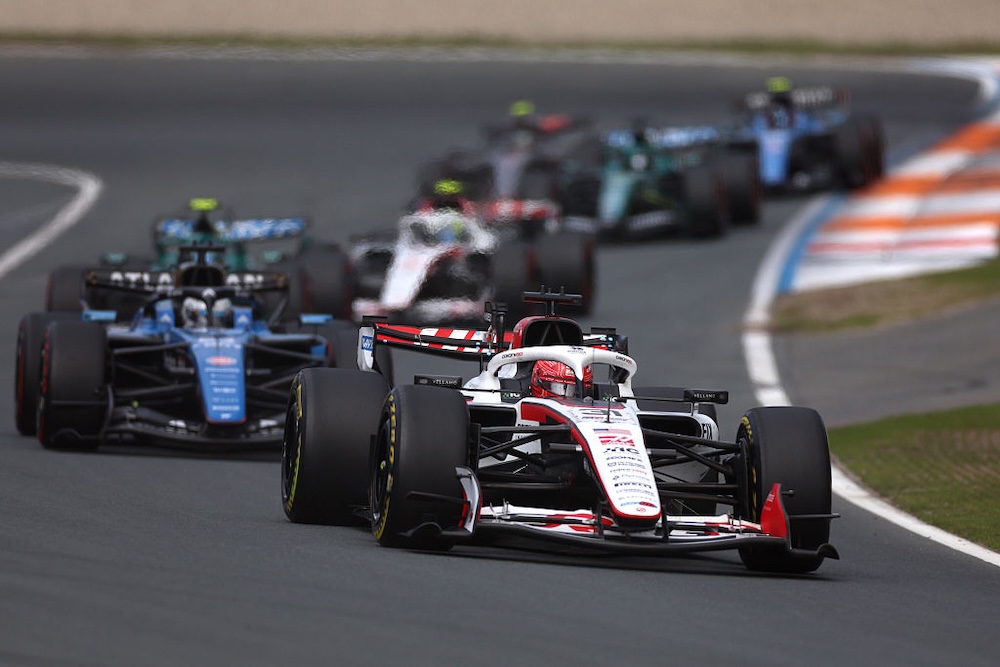
There have been concerns raised about safety, since a car ahead can suddenly and unpredictably slow down mid-straight due to clipping, catching a following driver off guard and raising contact risk.
Latest News

Comments
Comments are disabled until you accept Social Networking Cookies. Update cookie preferences
If the dialog doesn't appear, ad-blockers are often the cause; try disabling yours or see our Social Features Support.