Getty Images
Unanimous agreement reached on 2.1L turbo V8s for F1 in 2030
The FIA has formally announced a unanimous agreement has been reached on the framework for a 2.1-liter turbocharged V8 power unit to be introduced in Formula 1 for the 2030 season.
Such an agreement had been posted about by the governing body earlier this week before those posts were removed, but the topic remained a regular talking point among key stakeholders in Las Vegas. The framework has now been officially announced, with the FIA saying the overriding objective is for a lighter and cheaper engine than the current power units, that is also far less complex.
The next generation of power unit is planned to feature limited hybridization, as well as “relevant and sustainable technology with the aim of enhancing attack-oriented racing and a sound which resonates with fans.” Alongside the power units, the FIA says it wants to deliver a lighter and more agile chassis.
Agreement on the V8s has been reached with the F1 teams, power unit manufacturers and Formula One Management (FOM), with the a definitive regulatory outline to be presented to the World Motor Sport Council in December.
“This agreement marks a significant milestone in shaping the future of Formula 1,” FIA President Mohammed Ben Sulayem said. “From the outset I have been clear in my ambition to deliver a sport that is more competitive and more exciting for our fans, while remaining at the forefront of innovation and sustainability.
“The return of V8 engines represents an opportunity to reconnect with the DNA of this championship, bringing back the sound, emotion and pure racing that is loved worldwide. Our vision is clear, lighter, simpler and more affordable cars that put driver skill at the heart of the competition.
“I want to thank all involved for their collaboration. This is an important step forward, and demonstrates what we can achieve when we work together to deliver the best possible future for our sport.”
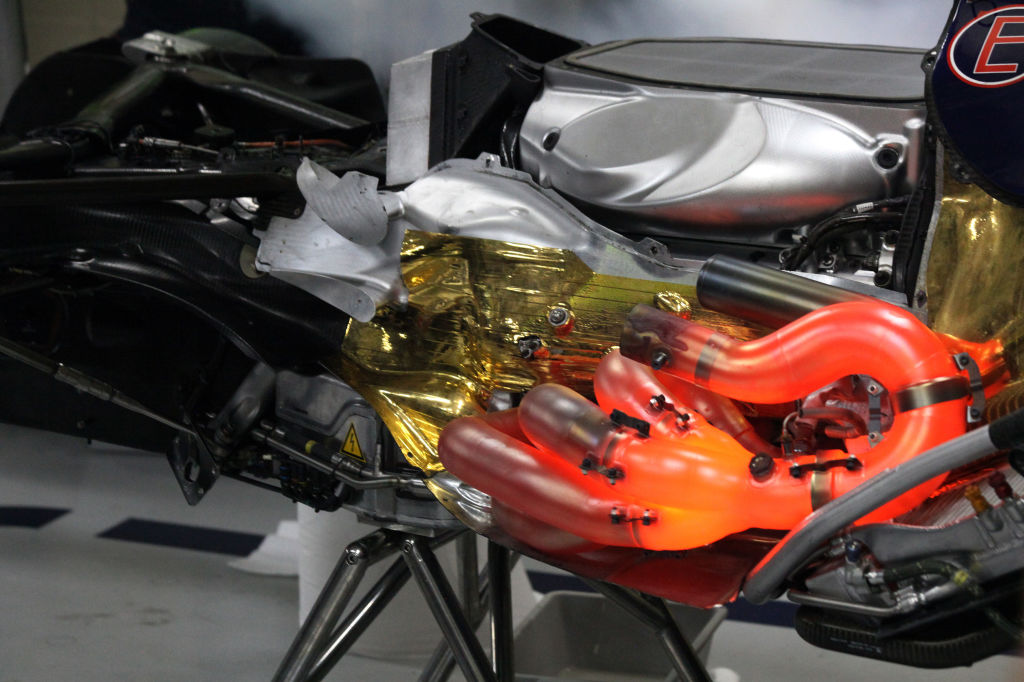
Speaking before the official announcement, the move to return to V8s for the first time since 2013 (pictured, top) was widely welcomed by team bosses in Las Vegas.
“There’s an agreement in principle,” McLaren Racing CEO Zak Brown said. “I think everyone is very, very excited. I think now it’s about kind of dotting the i’s and crossing the t’s. If you look at what the FIA has done, they’ve announced full-time stewards. So, they are very proactive, they move quick, they do what they say they’re going to do.
“I think the sport’s never been healthier. I think the competition is amazing. So, you know, I’ve got a lot of confidence in the future of the sport. Where it is today is great. I’m excited for the new engines – I think everyone will be. But I think there’s a lot more also going on to continue to evolve the sport. So, I think between the FIA and Formula 1, they’re doing a great job.”
Alpine executive advisor Flavio Briatore added the wider visceral experience of the power unit regulations is an important aspect in his view.
“Like Zak said; I completely agree,” Briatore said. “We have the agreement, basically. It’s not signed, but it looks like everybody’s agreed to 2030 V8s and I’m very happy. I think it’s the right way to go.
“We need an engine with a lot of noise, and a simple engine, and we need to be racing with that because, in the end, I believe the best for the spectator, for everybody is a very simple engine [with] ma lot of noise. Maybe have some KERS or stuff like that, nothing major like we have now.”
Presented by:

Chris Medland
While studying Sports Journalism at the University of Central Lancashire, Chris managed to talk his way into working at the British Grand Prix in 2008 and was retained for three years before joining ESPN F1 as Assistant Editor. After three further years at ESPN, a spell as F1 Editor at Crash Media Group was followed by the major task of launching F1i.com’s English-language website and running it as Editor. Present at every race since the start of 2014, he has continued building his freelance portfolio, working with international titles. As well as writing for RACER, his broadcast work includes television appearances on F1 TV and as a presenter and reporter on North America's live radio coverage on SiriusXM.
Read Chris Medland's articles
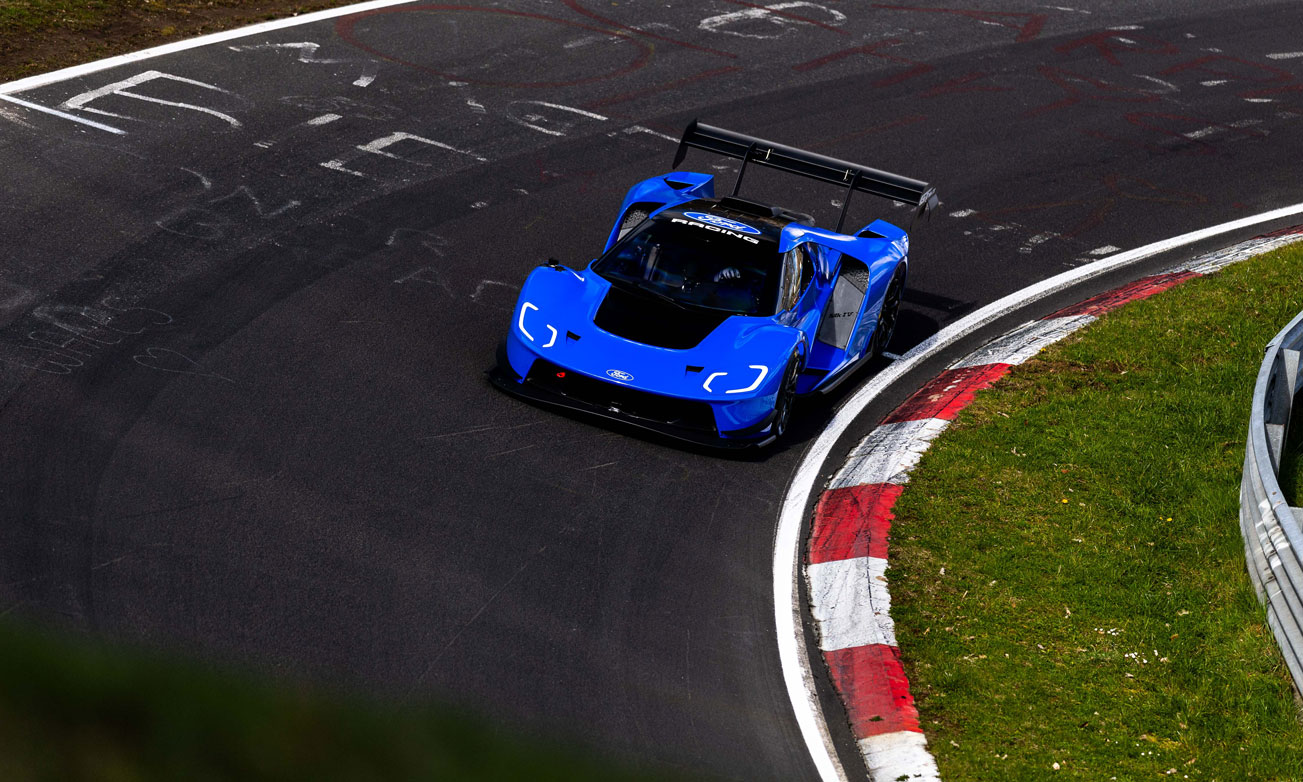
How the Blue Oval tamed the Green Hell
Latest News
Comments
Comments are disabled until you accept Social Networking Cookies. Update cookie preferences
If the dialog doesn't appear, ad-blockers are often the cause; try disabling yours or see our Social Features Support.