Michael Furman
What does the best car restoration in America say about car culture?
A 1932 Packard has just been declared the best-restored antique automobile in America. The AACA celebrated its 10th year of judging some of the finest antique car restorations the world has ever known. These aren’t your typical rebuilt motor and fresh paint. The AACA cars are meticulously, thoughtfully, painstakingly, methodically, damn-near obsessively restored to such a high standard of originality that the word “restore” itself should probably be reserved for these cars alone.
Quality and beauty aside, the interesting part of the story isn't simply that somebody restored an exceptionally beautiful old car. While impressive and undeniably breathtaking, the 10th Anniversary AACA Zenith Award-winning Packard acts as a lovely bit of proof – despite what the monocled, white-glovey chaps might believe themselves – that car culture stretches from the manicured lawns of the Concourses all the way to the Walmart parking lots just the same.
Michael Furman
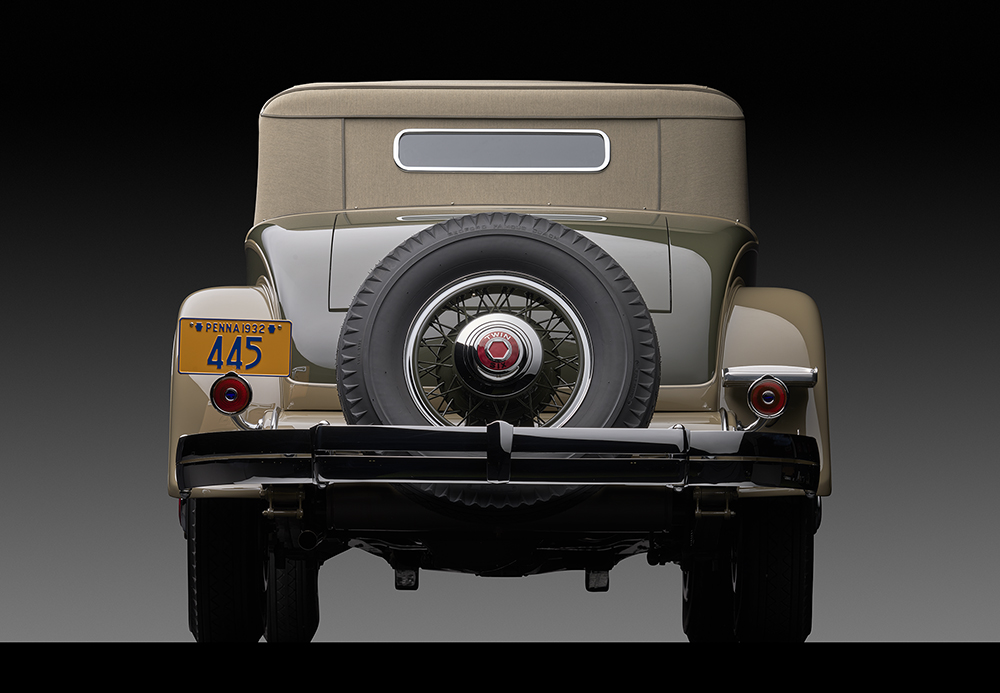
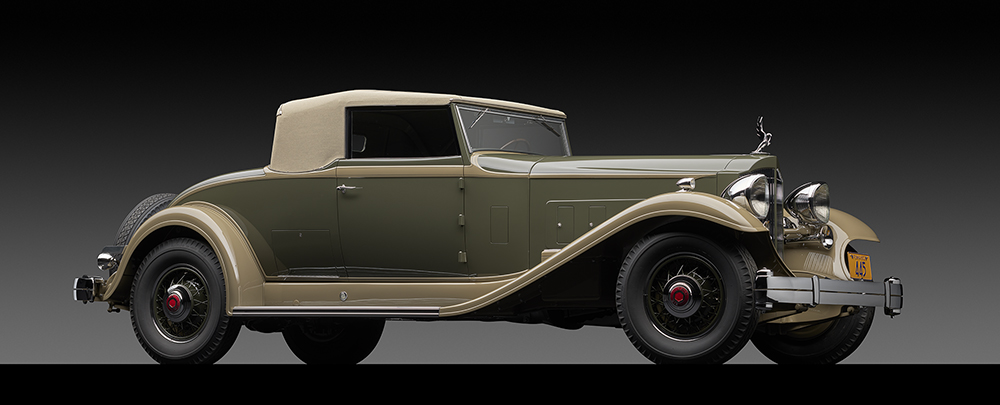
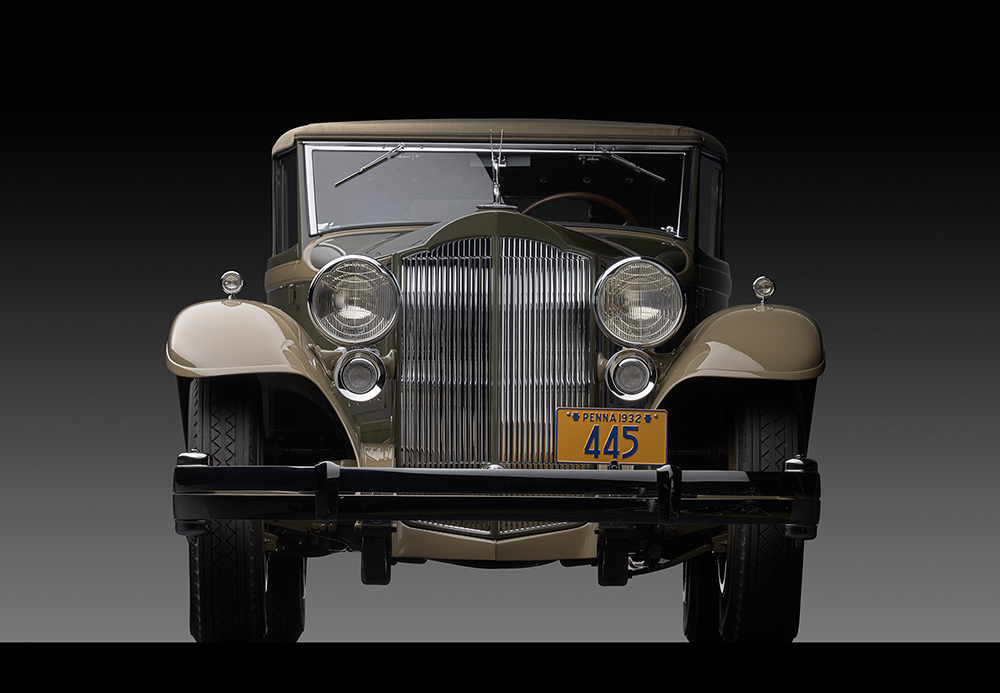
The 1932 Packard 905 Twin Six owned by Ross and Beth Myers of Boyertown, Pennsylvania, won the 2026 Antique Automobile Club of America Zenith Award, the organization's highest honor for historically authentic automobile restoration. An eight-person judging team unanimously selected the Packard from 18 finalists, all of which had already won at the AACA's 2026 National meets.
That's impressive on its own. But it also raises a much bigger question about old cars: What are we actually preserving when we restore one? The answer isn't as simple as you think. In fact, it isn’t simple at all.
What is the AACA Zenith Award?
The AACA Zenith Award represents an extreme corner of automotive restoration. The organization describes it as the pinnacle of outstanding and historically authentic antique automobile restoration, with one car ultimately receiving the title of "Best Restoration of the Year."
That distinction is important because the goal isn't simply to make an old automobile look nice. The Zenith competition is concerned with historical authenticity only. If it wasn’t factory, they don’t want to see it. The closer the finished automobile gets to the way it would have existed the day it rolled out of the factory, the better.
In practical terms, that makes a Zenith-level restoration something closer to museum conservation than the average person's idea of a restoration project. The automobile becomes a historical artifact, and every part of that artifact matters because it contributes to the story of what the machine originally was, getting about as close as we can to time travel without opening a wormhole.
The 2026 Zenith field illustrates just how broad that history can be. The competition included automobiles ranging from a 1902 St. Louis runabout to a 1977 Pontiac Grand Prix, with the only stipulation for AACA's definition of an antique vehicle being that it be at least 25 years old.
The winning Packard represents one particular version of that philosophy. It isn't merely an old car that has survived. It is a deliberate attempt to preserve a rare care for only what that car was. And that distinction gets surprisingly complicated once you look at the rest of car culture.
The 1932 Packard 905 Twin Six that won the 2026 Zenith Award
The Myers' Packard is an unusually good vehicle through which to consider the question because it is both exceptionally rare and exceptionally well-documented by the AACA's competition.
Packard built just 54 examples of the 905 coupe-roadster in 1932, and the AACA estimates that only five to eight remain. Clearly, this car is not just a nice old Packard. It is a small surviving piece of automotive history, which makes the decision to restore it to a historically authentic standard easier to understand.
Michael Furman
Chief Judge Steve Moskowitz called the Myers' car "breathtaking" and described it as a legendary Classic Era automobile. The eight-member judging team unanimously selected it despite what the AACA described as incredible competition.
For Ross Myers, the award also represents something beyond the car itself. He remembers attending an AACA meet in Gettysburg in the early 1960s when his father won a National First Award with a 1923 Autocar. Myers remembered his father's reaction to receiving that recognition, and more than 60 years later, he experienced something similar himself by winning the organization's highest honor.
What does it mean to preserve a classic car?
Merriam-Webster n’them say, “preservation is the act of keeping something safe, intact, or free from damage, decay, or loss.” With an automobile, however, there are several ways to accomplish that.
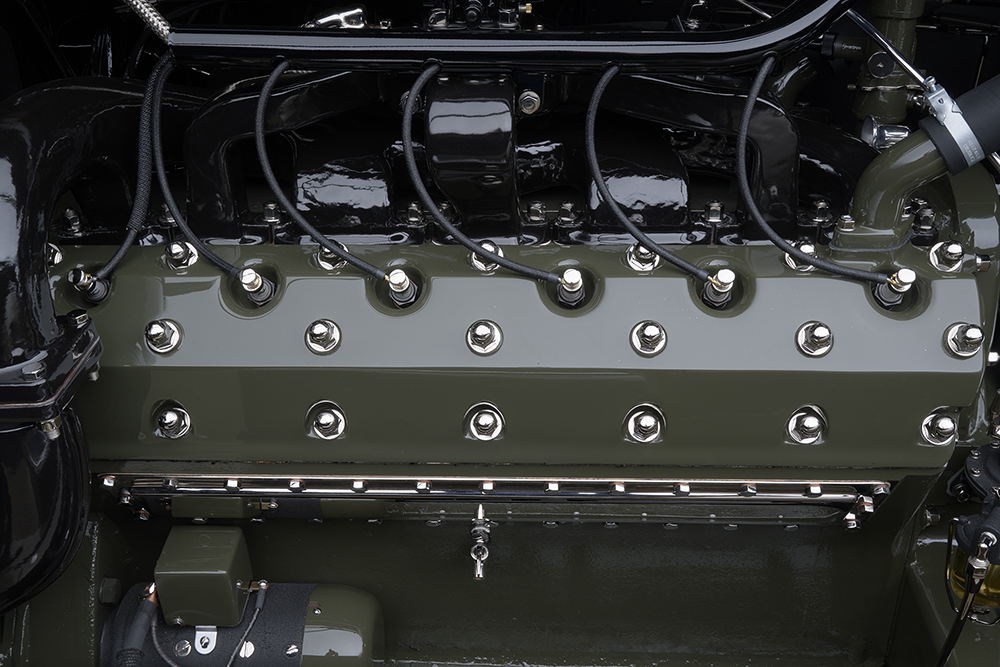
The AACA's approach is to preserve the automobile's historical identity as accurately as possible. If the objective is to understand what a 1932 Packard was supposed to look like, then restoring a surviving Packard to its original specifications makes perfect sense.
Michael Furman
But most car people aren't doing that.
Most people who own old cars are not spending years returning a rare prewar automobile to factory-correct condition. They are buying clapped-out BMWs, cutting rust out of old trucks, modifying Miatas, rebuilding motorcycles, racing Crown Vics or whatever they can afford, or often enough, just keeping some terrible old car alive because their father owned one. (It’s the MG B GT for me.)
Some people preserve patina because the scratches, faded paint, and dents are their car's individual history. Others replace almost everything mechanical underneath an old body because if they are going to go to this job every day, they might as well go and leave in something that brings them joy. A hot rodder might take an old Ford and transform it into a fiberglass spaceship that never could have existed when the car was new, preserving a cultural history. Someone else might put an electric drivetrain into a car from the past because they believe electrification preserves that car’s future. And still many of us keep a rotting old hoopty around because just having it in the yard preserves a dream…
None of those things represent historical “authenticity” in the AACA sense. But damn if they aren’t still equally valid forms of preservation.
Is a perfect restoration really preserving a car's history?
This is where perfectly restored cars create an interesting philosophical problem. A 1932 Packard was built to be used. It was transportation. During its life as a car, it might have accumulated mileage, broken down, and gotten fixed. Kids might’ve climbed over the seats, spilled their drinks on the backseats, teenagers leaned on its fenders smoking cigarettes, made out in the backseat, slammed its doors, turned the AM radio up too loud – it would have been lived with. Sure, expensive in its day maybe, but not precious.
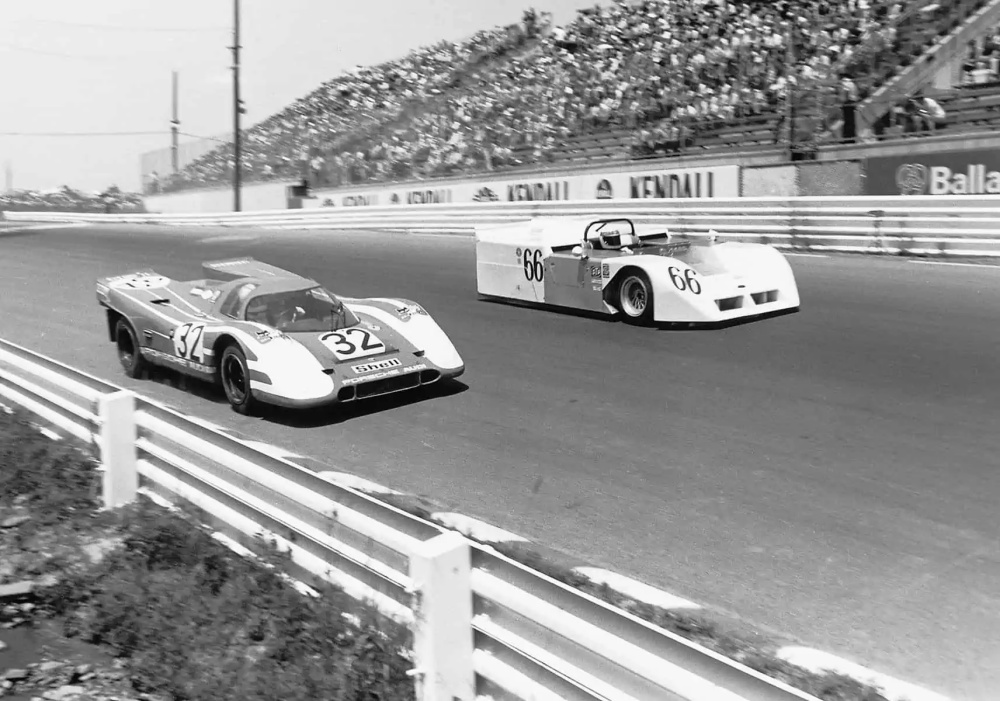
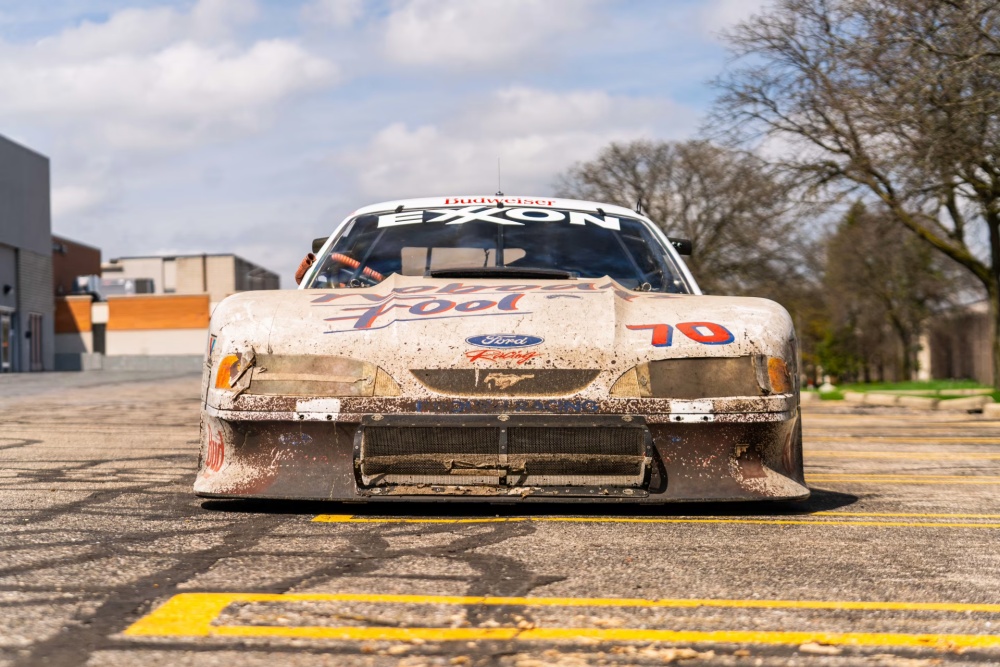
Race cars might be one of the clearest examples of restoration often meaning celebrating the burnt-tire-and-exhaust paint splatter on the rear quarter panel, or the flaking number stickers, or the remnants of a little paint exchange. It's a direct link to why those cars are special. These imperfections, damages, and stickers are the proof, the physical tie binding these cars' heroic deeds to our world.
Courtesy of Mecum
For many car people, those stains, cigarette burns, and stories are as much a part of the car's history as the original engine is. For the racing fans, the battle scars prove the blunt, tool-like use that these cars were designed to do. For the concours restoration people, the removal of many of those clues that people were ever here is the goal to reach an unimpeded view of the car as a historical item, a clean slate. All of these views of history and restoration and preservation are fine. There's room for us all. But there is an interesting, natural tension in taking a machine whose original purpose was to transport people through the world and eventually turning it into an object whose primary purpose is to be examined, displayed, and judged.
That transformation isn't unique to automobiles. Museums preserve objects by protecting them from the wear and tear of ordinary life. There’s real value in this. A medieval chair becomes more valuable as an artifact, now solely educational and even inspiring precisely because someone decided that this chair isn’t for sitting anymore.
Who’s to say cars should be any different? I might argue that they aren’t. And that they are.
Still, there’s tension between preserving a car and using a car. A perfectly restored Packard might tell us more about the individual car, and the wider car market in 1932. A battered survivor might tell us more about the people and culture of the time. Who’s to say which is better? Again, "both" is an option.
There is no right way to enjoy cars, so relax
Consider an old pickup that has been in the same family for decades. Its original engine might be long gone. Half of the bodywork might be gone or replaced. The interior might be little more than a Mexican blanket and safety pins. Maybe somebody installed a modern stereo, swapped in a different transmission, and replaced the bench seat with something from a junkyard.
It might be almost completely wrong according to the standards of a concours restoration. But that truck may contain the same level of historical significance to the granddaughter who only knew her grandfather through this old crust box.
A different enthusiast might find the same truck and see the perfect foundation for a hot rod. The body gets chopped, the suspension gets changed, the engine gets replaced, and the truck becomes something fundamentally different. Hell, Paw Paw could have been the one crazy person in town who bought the graphics package or the one with the factory option, and now it's a “restoration” candidate. Another enthusiast might refuse to touch the body because the faded paint and dents are precisely what make the truck interesting. A racer might look at it and wonder how quickly it could get around a dirt track.
Some of these people might never consider themselves to be preserving history. Some undoubtedly will. It doesn’t really matter all that much because each is making a decision about what they want to see survive.
That is one of the reasons car culture is so difficult to define – this shapeless, wild wonder, like the sea full of its endless undulations and ever-changing boundaries. Preservation, restoration, and modification aren't opposing viewpoints. They are only different paths to get to the same place.
The AACA's more than 45,000 members represent an enormous range of automotive interests. This variety makes the organization more interesting than the stereotype of antique car culture as a room full of people arguing about whether a bolt has the correct finish. Although I feel certain bolt fights happen often enough.
There are certainly people who care about that bolt. At the Zenith level, they should. That’s the point. But there are also people who care about keeping old cars running, driving them across the country, racing them, modifying them, collecting them, or simply keeping them out of the crusher. Simply put: there isn't just one car culture; it contains multitudes.
The person spending years and enormous amounts of money to return a rare Packard to historical authenticity and the person trying to get another year out of a rusty old truck are not necessarily interested in the same version of the hobby. They are, however, responding to the same basic idea: These things are worth [fill in the blank] because we love them, for whatever the reasons.
Topics

Peter Corn
Peter Corn is an automotive writer and storyteller. Peter has spent nearly a decade writing about cars, trucks, and motorcycles for some of the best publications in the business. He believes the best automotive stories aren't really about the machines at all, but instead, the people who love them.
Read Peter Corn's articles
Latest News


Comments
Comments are disabled until you accept Social Networking Cookies. Update cookie preferences
If the dialog doesn't appear, ad-blockers are often the cause; try disabling yours or see our Social Features Support.