Bryn Lennon/Getty Images
2026 Formula 1 mid-season report card
For once, the August shutdown was actually set to mark the halfway point in the 2026 season, but then the Bahrain Grand Prix was relocated to Malaysia and the symmetry was ruined. Still, there’s uncertainty over the final two rounds, so we could yet prove to be at the halfway stage. And that means it’s the perfect time to reflect on how each team’s year has gone so far.
Sam Bagnall/Getty Images
MERCEDES
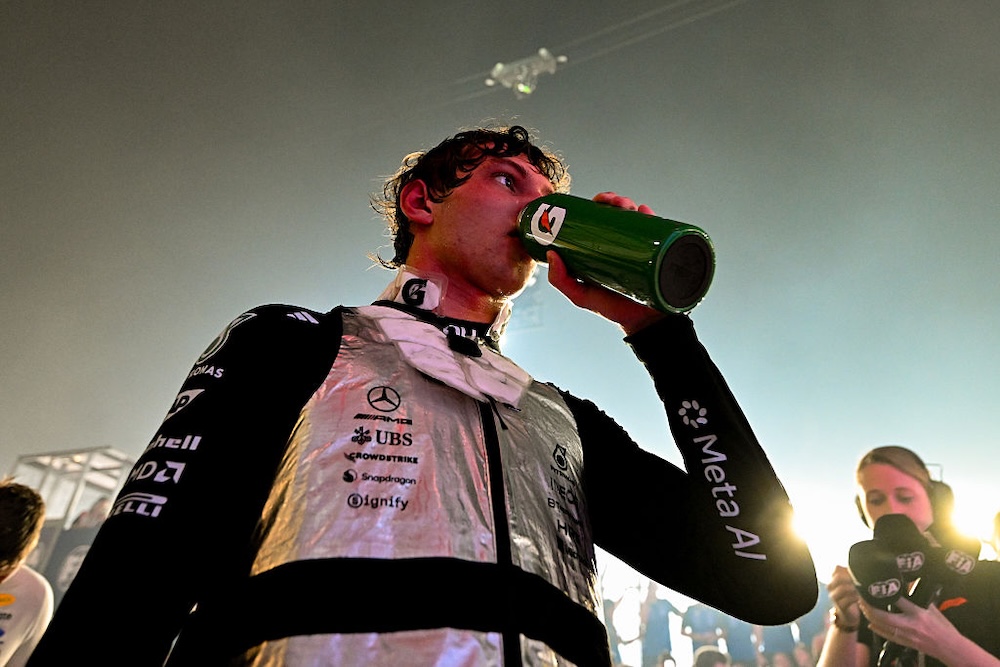
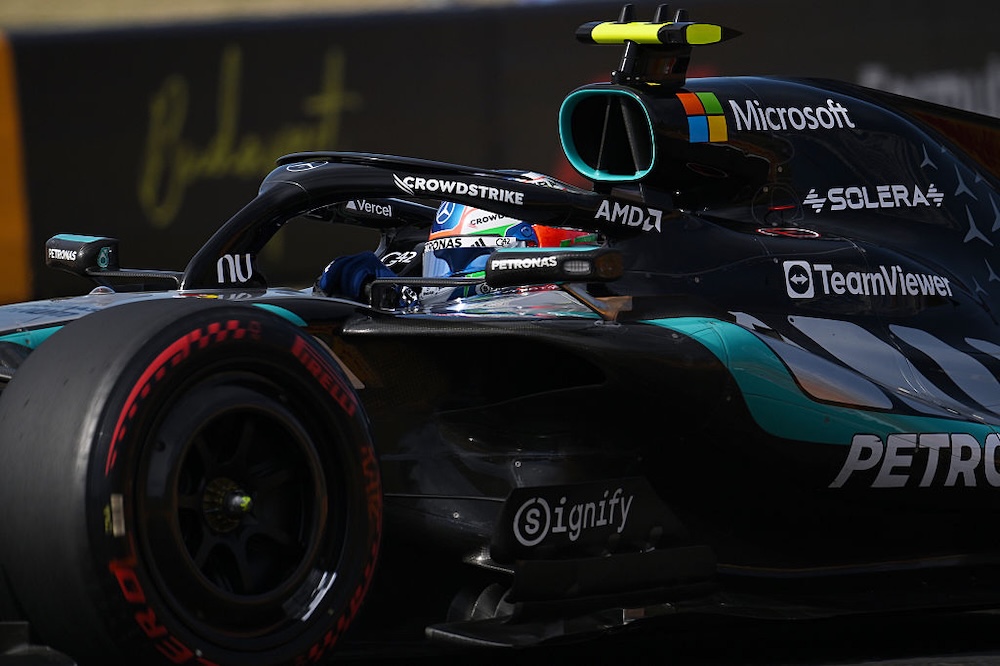
The good: There are two very obvious areas here, and one is the car. Mercedes definitely has proven itself to have the best overall package over the course of the first half of the season, and has won eight of the first 11 races. When it hasn’t won, it has still finished on the podium, and it hasn’t heavily updated its car yet. Add in the other big positive – Kimi Antonelli’s form, consistency and ability to deal with the championship pressure up to this point – and there is a lot for Mercedes to be happy about.
The bad: Despite all of the above, there’s also plenty for Mercedes to be concerned with. George Russell has struggled at times, and that has certainly not been helped by a number of operational and reliability issues that have hampered the Briton. While Russell can rue his luck, he hasn’t been alone in suffering problems, and the fact that Mercedes has only one double podium (and that was not a one-two) since opening the season with a pair of one-two finishes is remarkable, given the car’s potential. Mercedes should be out of sight, but those problems have given hope to the chasing pack.
The target: Mercedes has to win both championships from here, and ideally do so without one driver feeling it wasn’t a fair fight come the end of the year.
Steven Tee/Getty Images
FERRARI
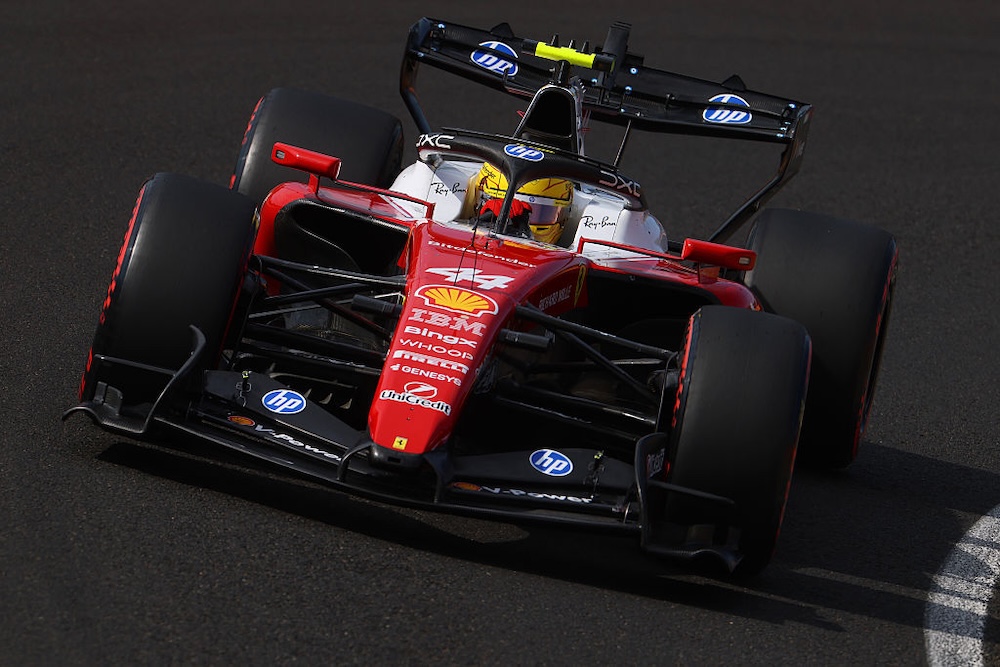
The good: Leading that chasing pack is Ferrari, and it has done something that Mercedes has yet to do to the same extent: develop it car and power unit. The performances at Silverstone and Spa-Francorchamps suggest the recent power unit upgrade from Austria is a step forward, while regular new components have made the car stronger all-round. Lewis Hamilton is a far stronger proposition than last year – it only took him 10 races to exceed his points total from 2025 – and Charles Leclerc appears to have overcome a sticky spell to keep the pressure on Mercedes in the constructors’ championship.
The bad: There have still been plenty of missed opportunities for Ferrari: Monaco and Hungary both looked like venues the car should have been suited to, but a win escaped the team at both. Execution has been solid but not perfect, and there have now been two occasions in the past three races where giving up track position with a late pit stop cost Hamilton points. As borderline as those calls were, Ferrari’s power unit deficit means it needs to be close to perfect to stay in the title fight.
The target: Keep the pressure on Mercedes, and hold off any threat from McLaren in the second half of the year. Continuing the momentum will set the team up strongly for 2027.
Guenther Iby/Getty Images
McLAREN
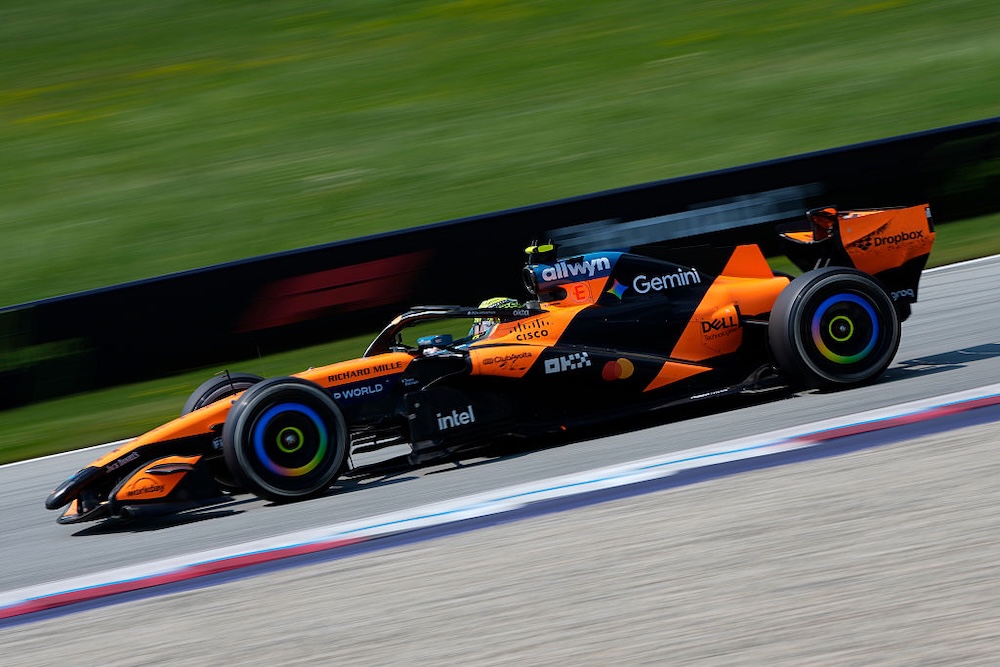
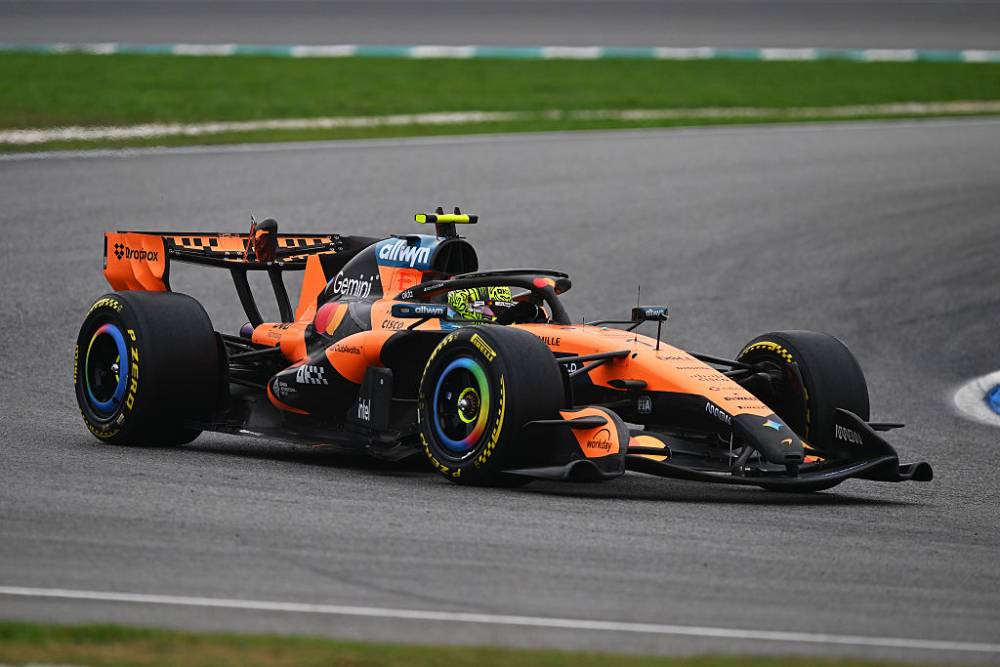
The good: Car development appears to be back on the right track after a mid-season change of direction, even when the Miami upgrade looked to have delivered the almost-traditional McLaren leap into contention. Hungary could well have delivered a one-two finish, and Lando Norris appears to be a stronger driver for his world championship last year, with an added layer of confidence despite not having had a car good enough to realistically defend his title so far.
The bad: McLaren has struggled to get the same potential out of the Mercedes power unit as the works team at times, and has also been beset by reliability issues, even if a number of them can be traced back to Mercedes High Performance Powertrains (HPP). Having to change direction with the car development suggests at least some wasted resource that can be particularly damaging in the cost cap era, while speculation over Oscar Piastri’s future due to links with Max Verstappen seemed to be a source of frustration for Piastri’s camp prior to the break.
The target: It’s a long shot, but overhaul Ferrari for second in the constructors’ championship, and add more wins after the break. An even longer shot is for a driver to get into title contention, but at the very least the team can prove to itself that it’s closing the gap.
James Sutton/Getty Images
RED BULL
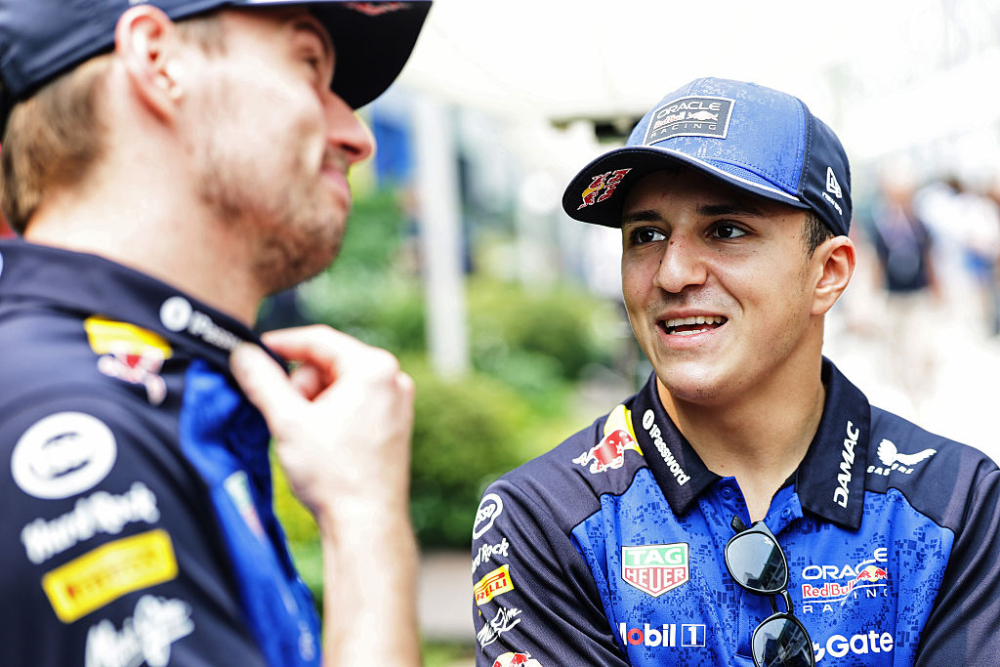
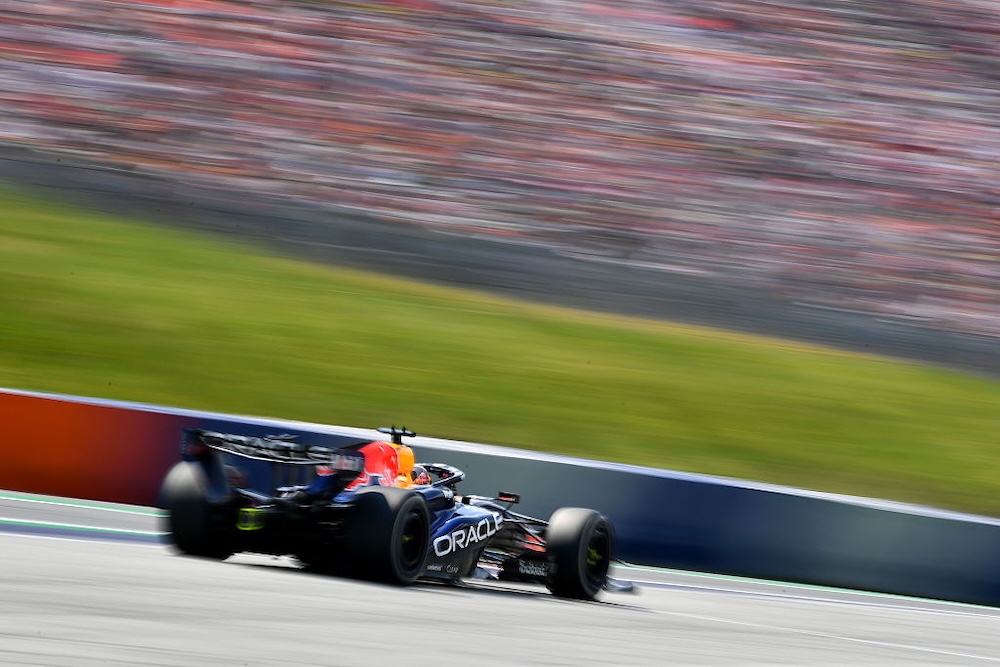
The good: This is a team that fought for the championship until the final race of last year – after having been nowhere mid-season – and then introduced its first-ever power unit at the start of this campaign. To go from massive challenges in the opening few rounds to being a threat to win in Austria, and score back-to-back podiums before the break, is significant progress. Plus, the second seat finally appears to be more settled, with Isack Hadjar performing strongly and on a consistent enough basis that allows both cars to score regularly.
The bad: Max Verstappen’s future continues to be a talking point as Red Bull evolves under Laurent Mekies, with senior departures continuing this season. The car has not always been to Verstappen’s liking (even ignoring his opinions on the regulations as a whole), and the rear wing issues cost the team points in Silverstone as well as performance in Belgium. Somehow has also managed to build what the FIA deems to be the strongest internal combustion engine (ICE), so has yet to gain any upgrade opportunities.
The target: Deliver the first win for Red Bull Ford Powertrains, and keep Max Verstappen.
Clive Mason/Getty Images
RACING BULLS
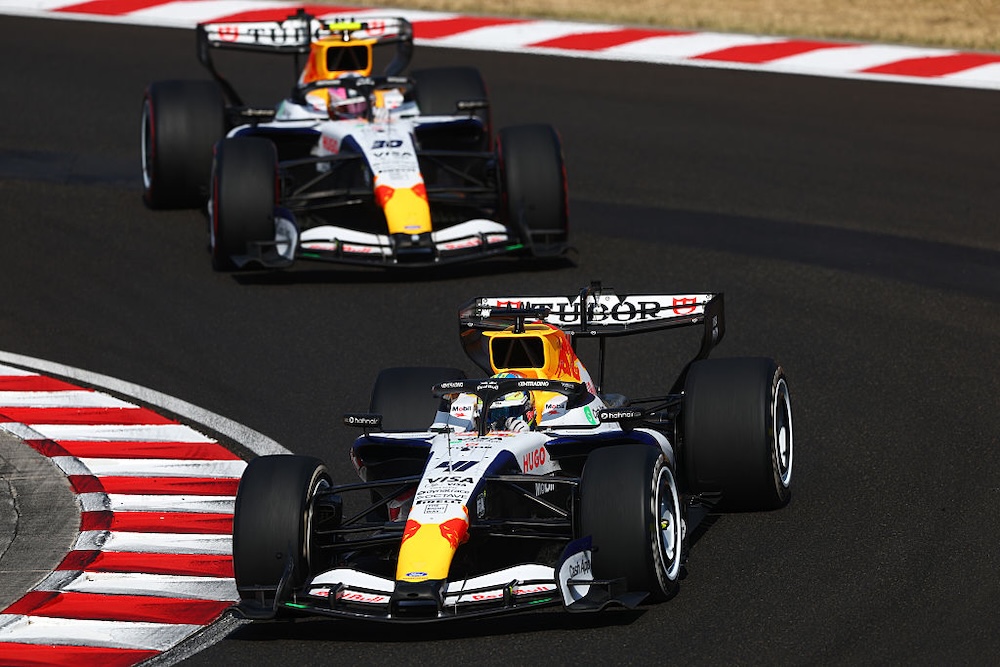
The good: Arvid Lindblad is the only rookie on the grid but he has made very few rookie mistakes, and has shown impressive speed to give Racing Bulls an extremely strong driver line-up. That’s because Liam Lawson has responded to the challenge so well, and appears to be benefiting from being in the same team for a full off-season. Car development has also been excellent, as has race management under team principal Alan Permane, proven by five double-points finishes in six races as we approached the break.
The bad: It’s tough to pick anything out here, given Racing Bulls’ budget and general ambition. Perhaps the growing noise around Nikola Tsolov could prove to be a distraction to handle moving forward, but that’s still coming from a place of strong performances from young drivers. Oh, and Lindblad failed to start in Canada, so another chance of points disappeared there. (Yes, I’m clutching at straws).
The target: Finally finish fifth in the constructors’ championship. Central to that might be keeping a level of harmony among the drivers as decision-time for 2027 nears.
Andy Hone/Getty Images
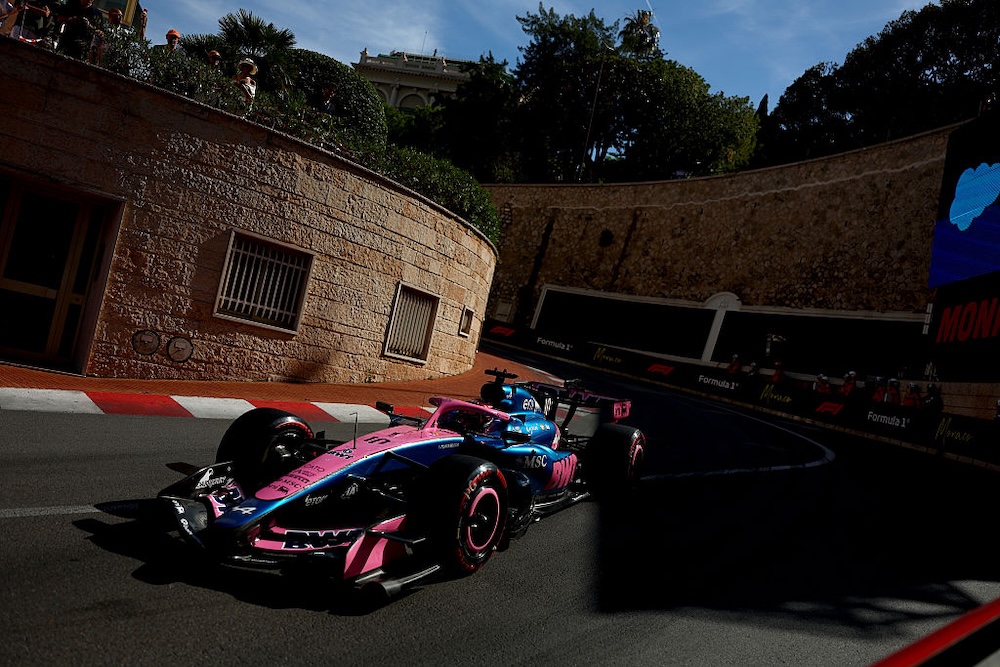
ALPINE
The good: Alpine hit the ground running with a solid car, bouncing back solidly from a painful 2025 season. The fact that Alpine was so strong out of the box with a Mercedes power unit needs to be put into context, because the engine might be great but it was a new partner to start working with and that relationship appeared to click relatively quickly. The team also successfully argued its case to reinstate Pierre Gasly’s podium in Monaco, and looks more stable than in some time.
The bad: The early form has started to wane. It feels like there is more to come in terms of upgrades, and this is still a big step forward compared to last year, but the momentum is threatening to slow, and with little threat from behind, there's a chance that Alpine’s season peters out a little.
The target: Reclaim fifth place from Racing Bulls – largely through some strong car development after the summer – to show itself as an attractive destination for drivers moving forward into the Gucci era.
Guido De Bortoli/Getty Images
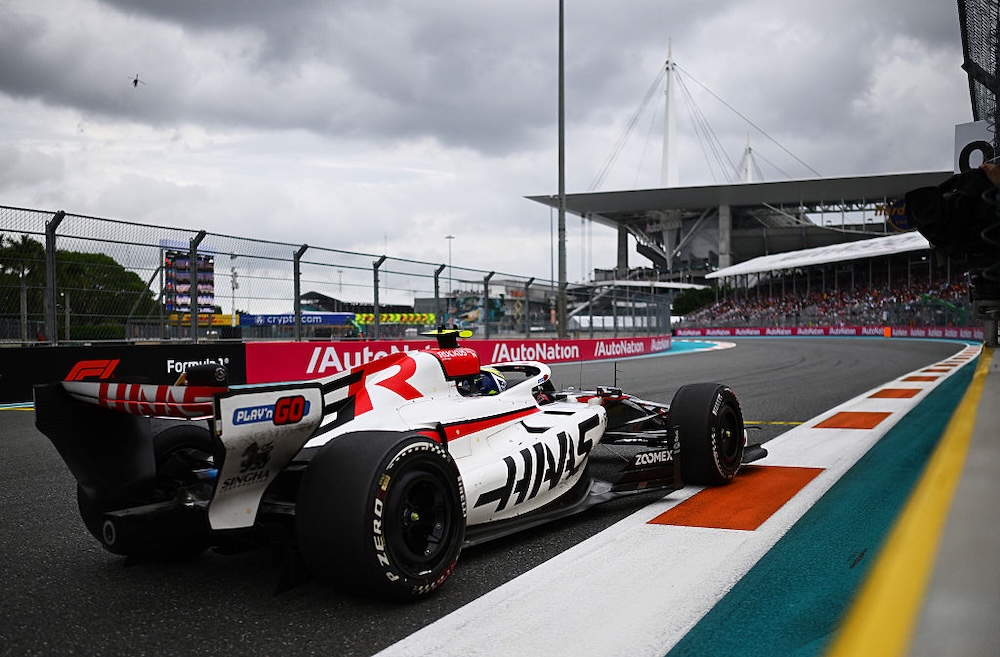
HAAS
The good: To be seventh in the standings as the team with the smallest workforce and lowest budget is an achievement, particularly when you consider the huge challenge the 2026 regulations created. The start of the season brought some remarkable results from Ollie Bearman in particular, with 17 points from the opening two races briefly putting Haas ahead of Red Bull in the standings.
The bad: Haas has only added four further points since that blistering start – and Bearman just one – as it slips from competitiveness. Car development has not been good enough, even if that is due to budget constraints, and both Racing Bulls and Alpine have left Ayao Komatsu’s team far behind. Komatsu also has seen Esteban Ocon struggle to fulfill his potential throughout his Haas stint, and it looks increasingly likely that a change will be made in that seat for 2027.
The target: Drop no lower than eighth in the standings, and convince Gene Haas to invest more – or allow outside investment. Also secure a strong replacement for Ocon, should his time with the team come to an end as expected.
Clive Mason/Getty Images
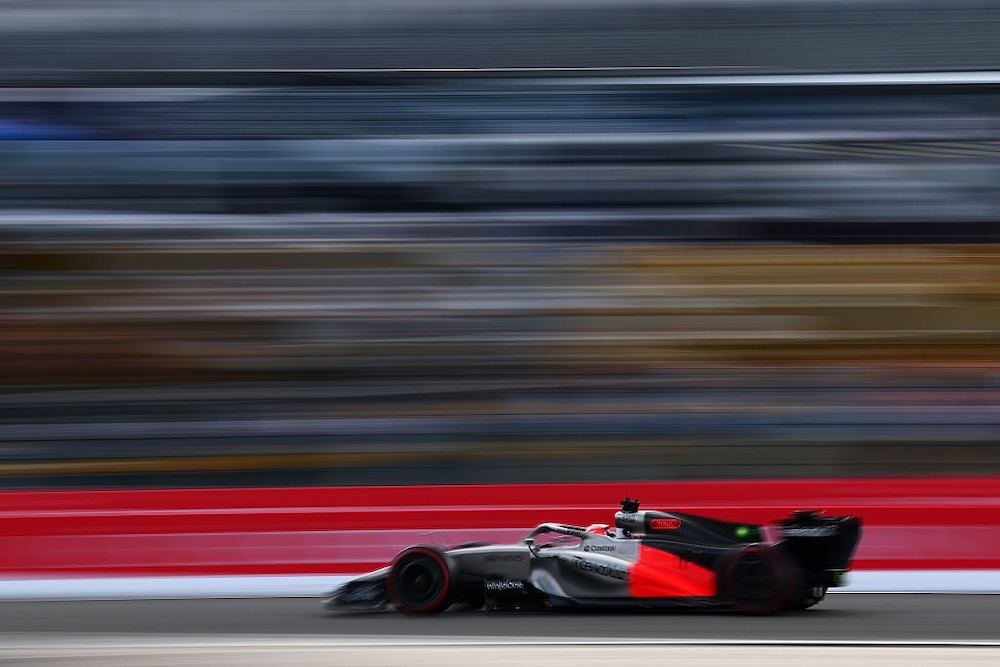
AUDI
The good: The chassis is a strong first offering from the former Sauber team now operating under the Audi brand, and its first Formula 1 power unit has also been solid enough to ensure Audi can pick up points on occasion. An upgrade seemed to make the car even more competitive towards the summer break, resulting in a run of three straight point-scoring weekends, with Gabriel Bortoleto continuing to impress alongside Nico Hulkenberg’s obvious experience.
The bad: It took Hulkenberg until Hungary to finally score, even if a number of missed opportunities were down to reliability issues or bad luck. The power unit is also still lacking compared to the frontrunners, while the situation surrounding Jonathan Wheatley’s departure was a slightly odd development so early in the team’s existence.
The target: Turn the high number of P11 finishes into more points after the break, and beat Haas to seventh place in the standings.
Andy Hone/Getty Images
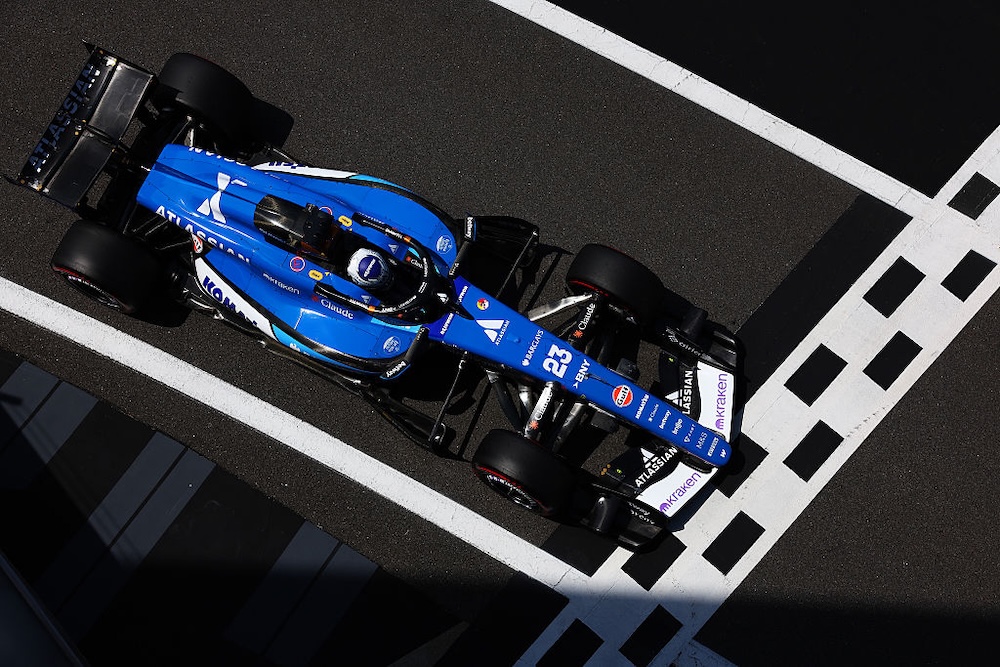
WILLIAMS
The good: For now, the team still has Alex Albon and Carlos Sainz as its driver line-up, representing a far stronger pairing than the cars at their disposal. The execution was also good at the start of the season, when the team managed to pick up 11 points from the opening six rounds, despite never having the fifth-fastest car. And Aston Martin had a worse start to help deflect some of the attention.
The bad: The car was once again late and overweight, and has proven a significant step backwards from where Williams was for much of last year. This was meant to be a season when the team further closed the gap to the top four, but instead it has dropped to the back of the midfield. Plus, Aston Martin has now delivered an upgrade that looks to have moved it ahead of Williams in terms of performance.
The target: Reinstall confidence in the team’s direction with an upgrade in Azerbaijan, and give itself a chance of holding off Aston Martin in the standings. And crucially, keep the two drivers it currently has in its car.
Clive Mason/Getty Images
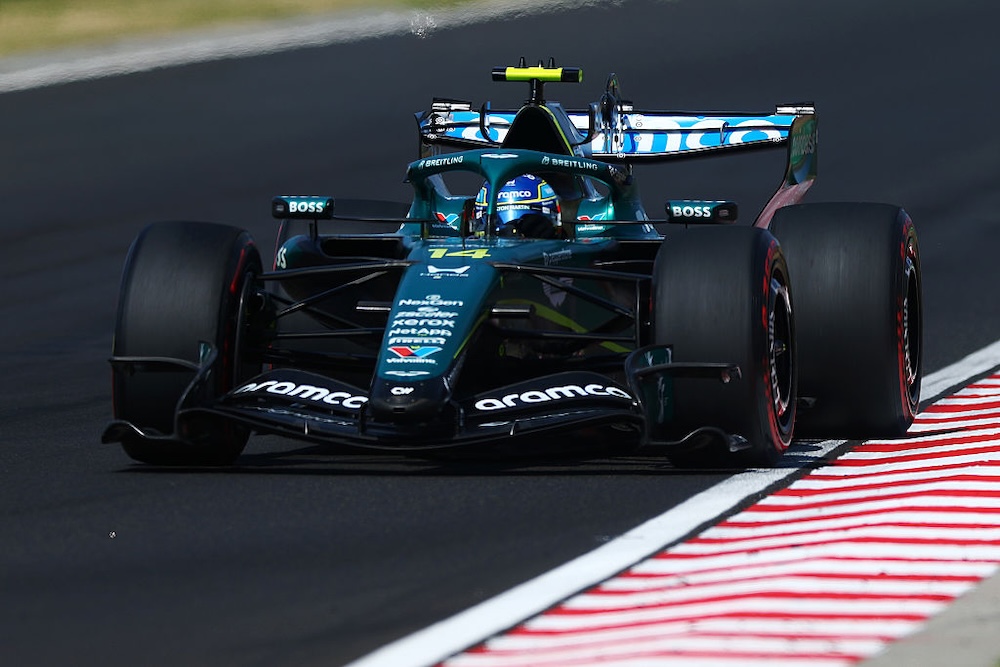
ASTON MARTIN
The good: Thank goodness for the Hungary upgrade, because this could have been a near-impossible segment to write. Aston Martin was quick to recognize how badly it had missed the target, and took the painful decision to address a significant part of the car in one go. As dismal as that made most of the first half of the year, there was a clear step forward in Budapest, and there’s still a Honda update to come.
The bad: None of the above should overshadow just how bad Aston Martin’s car was at the start of the year, or how underpowered the Honda PU is. The resource, facilities and stated ambition far exceed what was produced for 2026, and it looks like an extremely long road to competitiveness for a team that wants to win world championships.
The target: Pick up points on merit – ideally enough to overtake Williams – and learn from this year’s mistakes to set the right course for the future.
Clive Rose/Getty Images
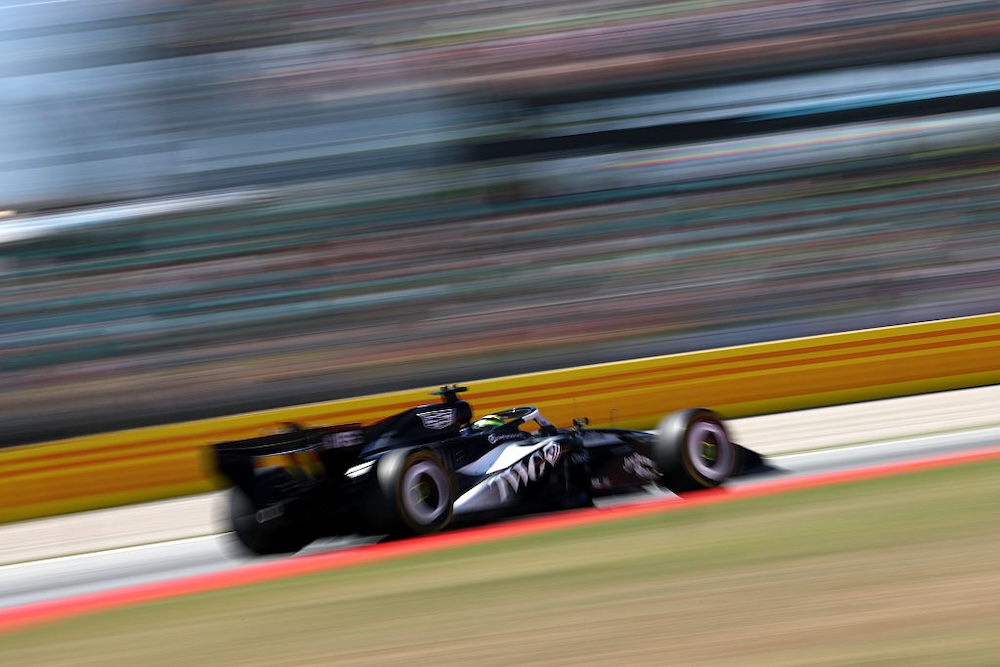
CADILLAC
The good: Cadillac perhaps had the toughest assignment of all this year, after the timing of its entry approval meant it had less than 12 months to build a team capable of delivering a car in time for this season. Sergio Perez and Valtteri Bottas have both shown their value, and Perez in particular looks back to his old self after the tough Red Bull ending, while development rates have actually matched many of the existing teams to ensure the gaps haven’t grown so far. Given that Cadillac is still establishing itself and doesn’t have its permanent headquarters ready yet, that’s a solid achievement.
The bad: The car is obviously the slowest on the grid now that Aston Martin has made a step, and there have been far too many quality control and operational issues. Some might be teething problems you could expect from a new team, but others should not be occurring given the experience of the personnel involved. There’s also the tricky balance of maintaining overall harmony after a small number of commercial team members were told to relocate or risk losing their jobs, and it’s looking an increasingly tough call over what to do with Colton Herta next year.
The target: Clean up a number of the errors and find consistency in performances, even if it’s unlikely the gap to the other teams can be bridged. This is still year one, so expectations have to remain realistic.
Chris Medland
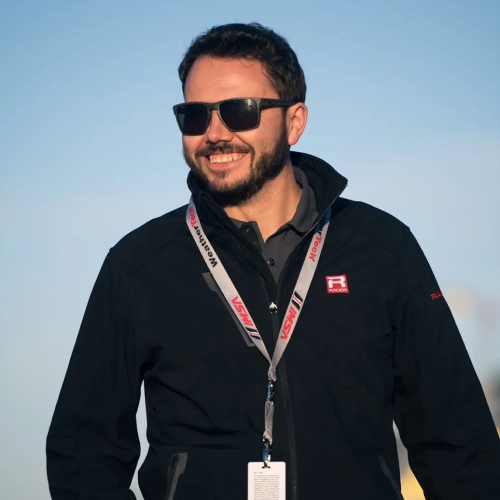
While studying Sports Journalism at the University of Central Lancashire, Chris managed to talk his way into working at the British Grand Prix in 2008 and was retained for three years before joining ESPN F1 as Assistant Editor. After three further years at ESPN, a spell as F1 Editor at Crash Media Group was followed by the major task of launching F1i.com’s English-language website and running it as Editor. Present at every race since the start of 2014, he has continued building his freelance portfolio, working with international titles. As well as writing for RACER, his broadcast work includes television appearances on F1 TV and as a presenter and reporter on North America's live radio coverage on SiriusXM.
Read Chris Medland's articles
Latest News
Comments
Comments are disabled until you accept Social Networking Cookies. Update cookie preferences
If the dialog doesn't appear, ad-blockers are often the cause; try disabling yours or see our Social Features Support.