David Jensen/Getty Images
NASCAR is now in the street course business and it might be more successful than ever imagined
In late October 2015, a NASCAR-issued press release announced the sport had signed agreements with 23 tracks to host Cup Series races.
But it wasn’t just any agreement – it locked in the NASCAR schedule for the next five years. That was five years of rinse-and-repeat racetracks, with nothing changing except perhaps the dates on the calendar. Talk about being stuck in your ways and being stubborn.
Steve O’Donnell, now the NASCAR CEO, said in part at the time, “Among the goals that we set out to accomplish with our track partners was to provide consistency for race fans and the industry stakeholders.”
Oh, it was consistent. And it also got consistently boring, predictable, and at times, upsetting, as it seemed ideas about the schedule were useless because it wasn’t going to change.
Then came 2021, with the addition of five new races to the schedule: Bristol dirt, Circuit of the Americas, Nashville Superspeedway, Road America, and the Indianapolis road course. St. Louis joined in 2022. Iowa Speedway, to the delight of many, was added in 2024, and in 2025, there was a long-awaited international trip south of the border to Mexico City.
But it was in 2023 that NASCAR made one of its boldest schedule decisions by designing a street course and putting it in the heart of Chicago. Suddenly, NASCAR was doing new business, and after three years in Chicago, the venture's next chapter came to fruition in San Diego, with a race held around an active military base.
We’re a long way away from those five-year agreements now.
Chicago and San Diego accomplished many things for the sport, most notably proving that NASCAR can create new racetracks and put them anywhere. The latter also puts racing in front of people who might not normally see it, and in areas that don’t have a racetrack or one that’s relatively close.
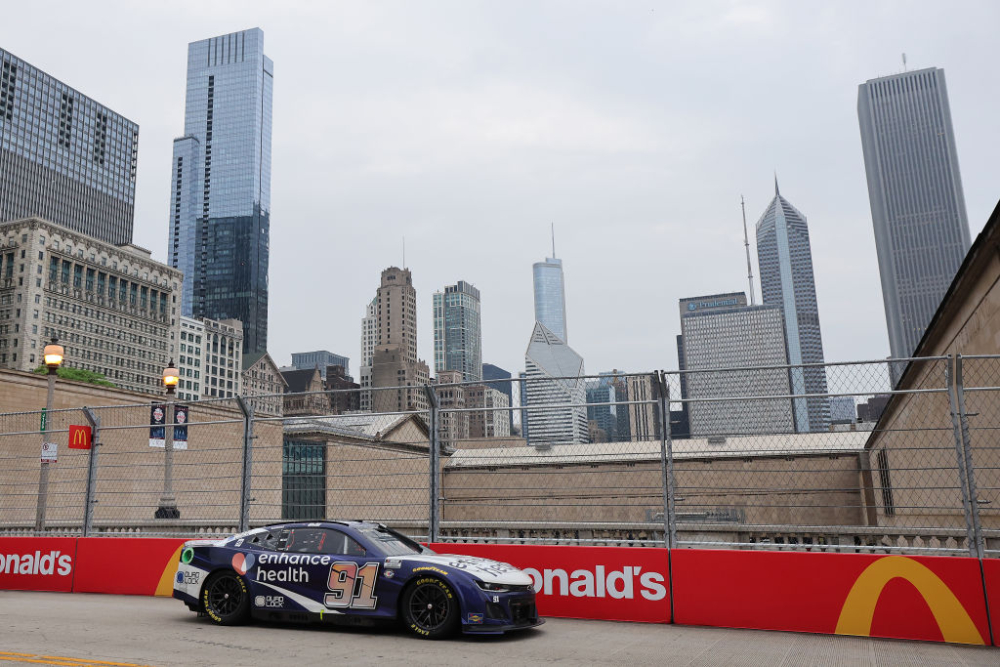
NASCAR first entered the street circuit game with the Chicago race in 2023. Michael Reaves/Getty Images
NASCAR has realized in recent years that if you build it, they won’t always come. But if you put a racetrack right in front of where they already are, they are likely to at least take a look.
San Diego also had the cool factor. There is nothing that can compare to the feeling of being on an active military base and the sightlines that come with it. NASCAR doesn’t always feel or look cool, but it did and was over the weekend.
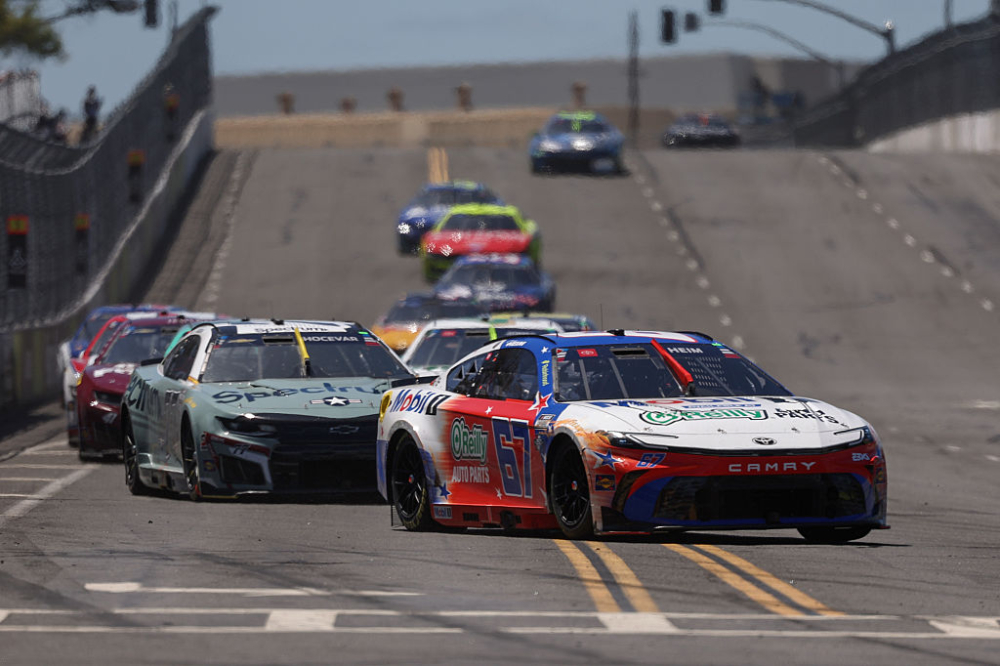
The course itself was a big success. It was eyebrow-raising at first when NASCAR announced a 3.4-mile course, longer than Watkins Glen's 2.4 miles and Circuit of the Americas’ 2.4 miles, the latter having been moved to the shorter course last season. Sonoma Raceway, when the full course is used, is 2.5 miles, and the short course is 1.9 miles.
While the course on Coronado was long and the worry was how long the cautions would be, NASCAR gets a tip of the cap for being as expeditious as possible with caution periods. And then the course came into its own as the weekend went on, producing very good racing. The drivers certainly seemed to be getting more comfortable with each lap, and the pace appeared to get quicker.
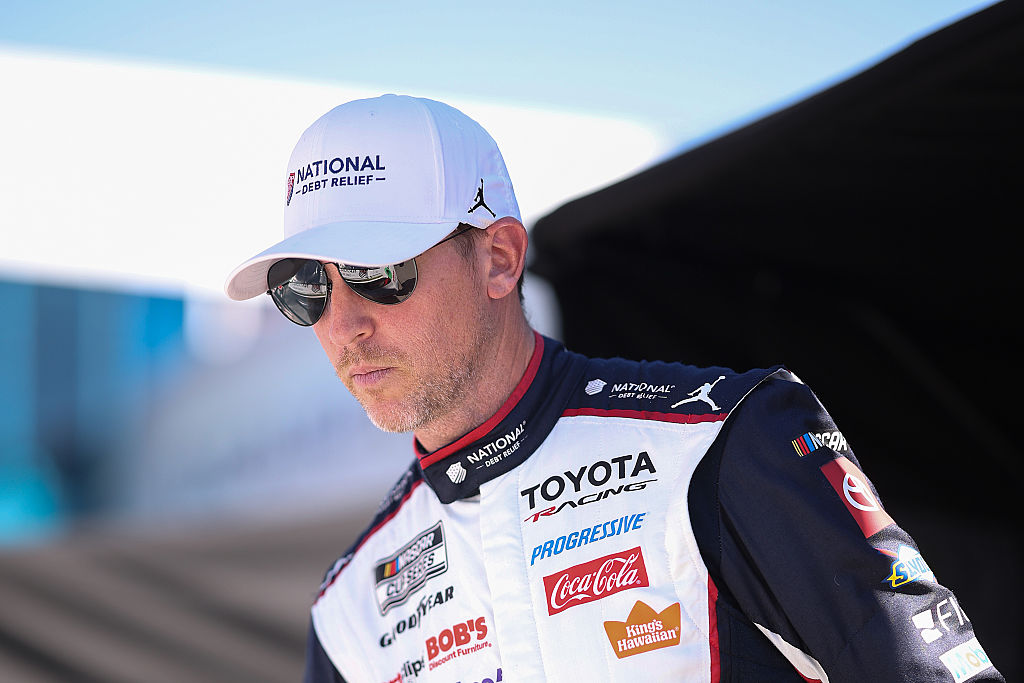
Coronado was different and challenging, and that’s never a bad thing to throw at a driver. It also seemed to be fun for them, as there hasn’t been a bad review to be found. Denny Hamlin – not at all a road course ace and someone who just hopes for a top 15 when going left and right, and a driver never afraid to put down something he doesn’t like – perhaps gave the biggest compliment of all. Hamlin said on Sunday night that it felt like a normal NASCAR racetrack, with a great design, passing zones, and challenges due to the different surfaces.
Christopher Bell, who had to turn over his car to Brent Crews because of a fractured wrist, was upset he didn’t get to run the full race. Bell hopes NASCAR will return so he can be 100% and get his chance, because the little bit he did, he had a blast.
Ben Kennedy, NASCAR COO, hit the nail on the head when he spoke to the media at the conclusion of the weekend. Kennedy pointed out that four to five years ago, NASCAR wasn’t even in the street racing business. It was all about those permanent facilities that took up the majority of the NASCAR schedule.
Thankfully, times have changed, even if those racetracks will never disappear from the schedule. It is tradition, and it is what the sport should continue to be known for. But how incredible is it that NASCAR has finally branched out into a new business venture while opening itself up to being willing to try new things, something it was always criticized for seemingly not doing?
And even more incredible, this newest business that NASCAR finds itself in, the street course adventurers, might be one of its most successful as time goes on.
Kelly Crandall
Kelly has been on the NASCAR beat full-time since 2013, and joined RACER as chief NASCAR writer in 2017. Her work has also appeared in NASCAR.com, the NASCAR Illustrated magazine, and NBC Sports. A corporate communications graduate from Central Penn College, Crandall is a two-time George Cunningham Writer of the Year recipient from the National Motorsports Press Association.
Read Kelly Crandall's articles
Latest News
Comments
Comments are disabled until you accept Social Networking Cookies. Update cookie preferences
If the dialog doesn't appear, ad-blockers are often the cause; try disabling yours or see our Social Features Support.