Geoffrey M. Miller/Lumen
IndyCar Officiating Board, we need to talk
IndyCar Officiating Board, let’s talk. And not to me, but to your teams. And IndyCar’s fans.
Coming off of the dreadful handling of Alexander Rossi’s stalled car on the IMS front straight during last weekend's Indy Grand Prix, it’s great to see an adjustment to how the IndyCar Officiating Incorporated (IOI) team will handle full-course yellows (FCY) with greater urgency in the future.
But that adjustment is only part of the solution.
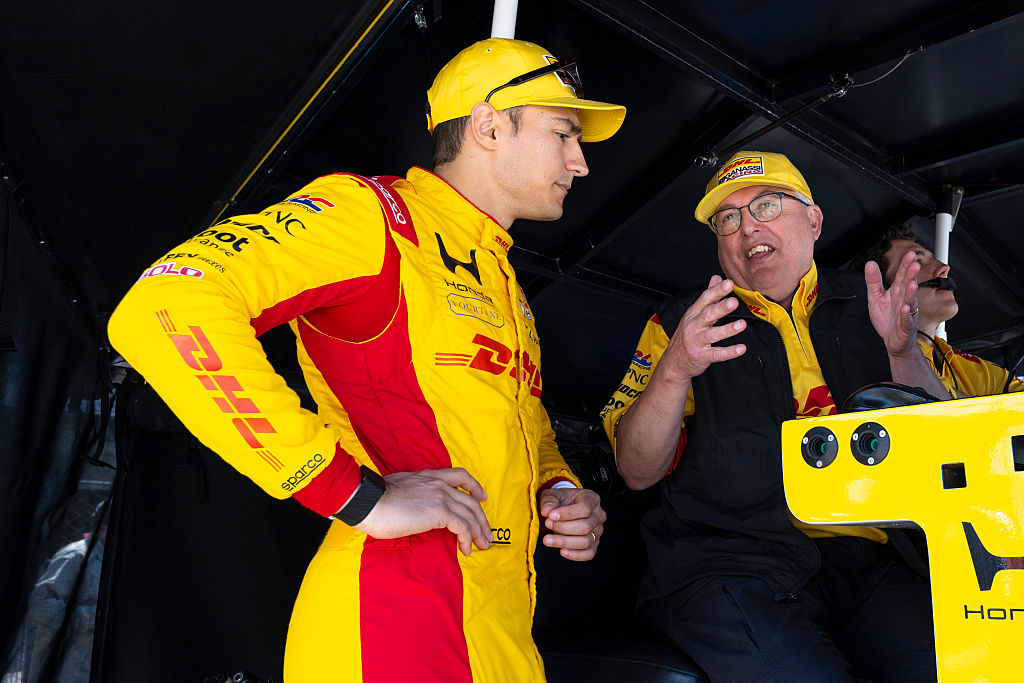
“Our request to IndyCar is, ‘Hey, give us some more information,’” Alex Palou’s race strategist Barry Wanser told RACER.
Being kept in the dark by Race Control is the long-running issue that requires a swift resolution. What are IndyCar’s referees seeing? Has the debris in Turn 7 and Turn 9 been spotted? How will Rossi’s situation he handled? With a local yellow first? FCY from the outset? How do they intend to call the game?
The most basic sharing of insights to teams across the official communications channels, by radio and SMS, would have done wonders for those in charge of coaching their drivers through the contest.
“We don't know what they see,” Kyle Kirkwood’s race strategist Bryan Herta added. “They see things we don't see, and we don't know what their thought process is. If they could articulate some of those things, it would help us make better decisions. I know that.”
Thanks to Race Control’s ongoing preference to keep its thoughts to itself, confusion reigned on pit lane during the Indy GP. Fans watching the broadcast on FOX were left to wonder what was going on as drivers were left to dodge or avoid two sizable pieces of carbon fiber bodywork left on track in a span of three corners. The chaos peaked with the officiating coup de grace as Rossi’s situation began to spiral downwards. The silence from above was hard to ignore.
There are dozens of race strategists who want nothing more than to make informed decisions about whether to pit their drivers or have them stay out, and the only way to remove the guesswork is for Race Control to press the radio button and deliver a brief window into its thought process.
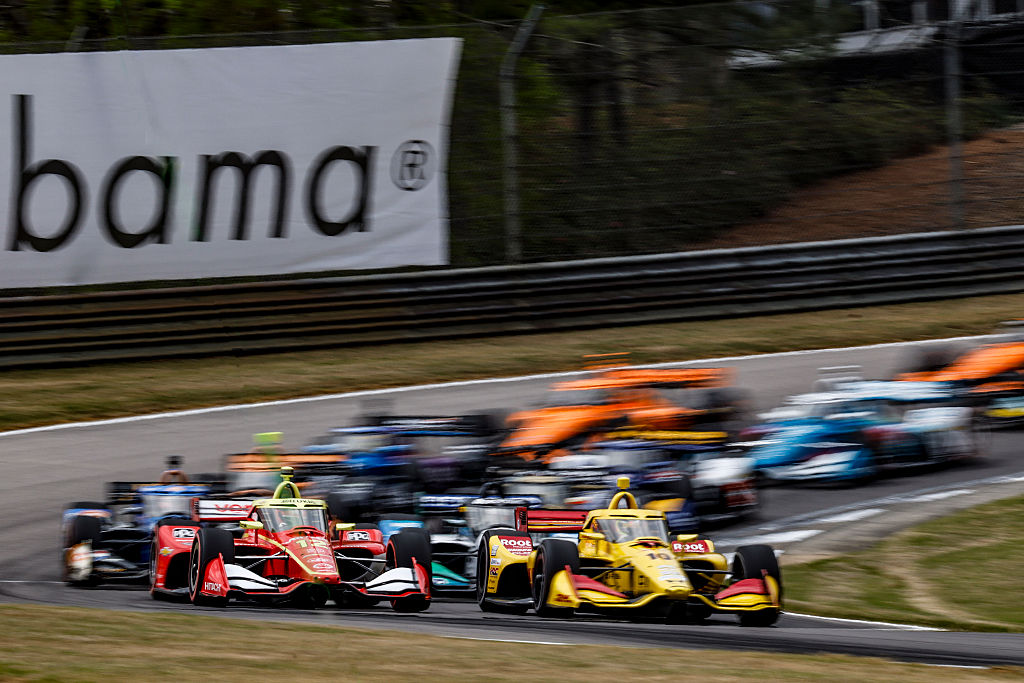
“Some teams came down pit lane because they thought it could go yellow,” Wanser said of the gearbox cover that came off of Scott McLaughlin’s car at Turn 9.
“I'm looking down pit lane, seeing these cars come in, and you can't follow the strategy for every car, right, but I knew they were doing it because they expected a debris caution, because pitting then for strategy didn't make sense. They must have been thinking it's going to go yellow. We were wondering ourselves.”
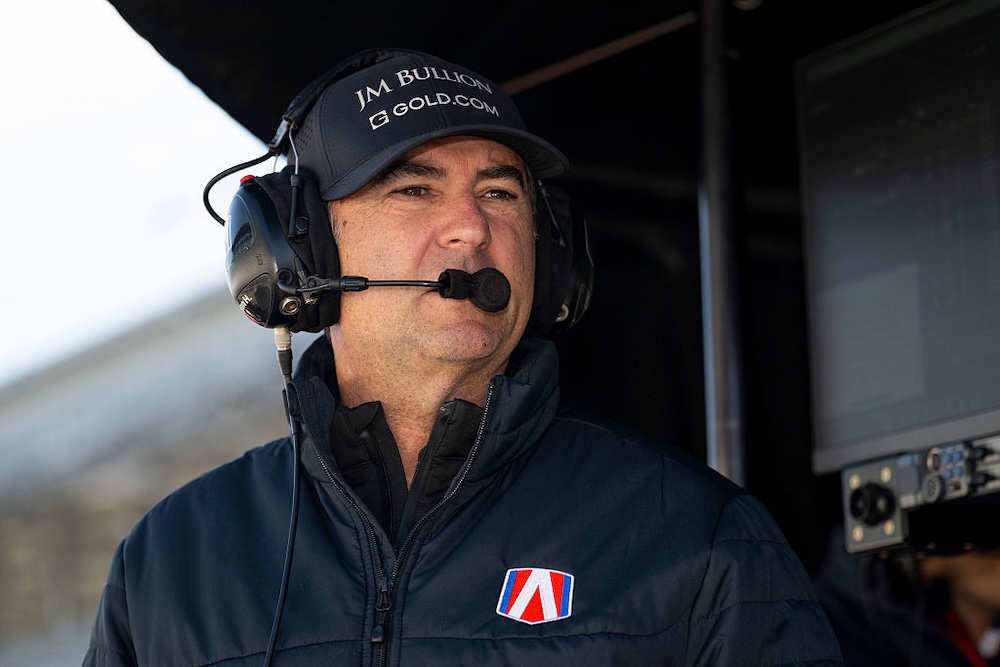
Herta takes ownership of the strategy misstep with Kyle Kirkwood at the Indy GP, but like Ganassi's Barry Wanser, he notes that the decision was made without a full picture of the situation with the yellows. Geoff Miller/Getty Images
Along with opening steady lines of in-race communication to its teams, IndyCar has another mounting need to repair or replace its long-suffering timing and scoring system.
It’s a problem teams and fans have also become all-too familiar with over the last year or two as T&S feeds fail, work in part, or randomly drop out and return without warning. It happened again during the Indy GP at the onset of qualifying when the online feed, broadcast feed, and feed to every teams’ timing stands went missing while drivers were lapping the road course.
Where T&S fits into the Indy GP puzzle lies in the strange decisions by Palou and Wanser at Ganassi and Herta and Kirkwood at Andretti, who were running 1-2 at the time of Rossi’s problems. Both of the elite race strategists take full blame for failing to call their drivers in to pit while Race Control chose to use a local yellow for Rossi instead of a FCY, but it does help to understand why Palou and Kirkwood, who were on approach to the pit-in lane as the local yellow was displayed, were told to stay out.
Wanser and Herta did not see a FCY prompt on T&S, nor did the yellow light on their timing stands activate, but those are no longer automatically trusted to be accurate indicators due to the on-again off-again state of IndyCar’s T&S system.
“The pit light indicators, the timing and scoring, all indicated it was not full course yellow, and this isn't an excuse, but this is a reality: timing and scoring has been very intermittently useful this year,” Herta said.
That’s a worrisome reality. Prior to the ongoing absence of T&S reliability, the internal T&S feed on timing stands and the light unit on the stands were looked to as the one and only source of trusted information from Race Control. Wanser’s account of the matter and how they gave away the lead is enlightening.
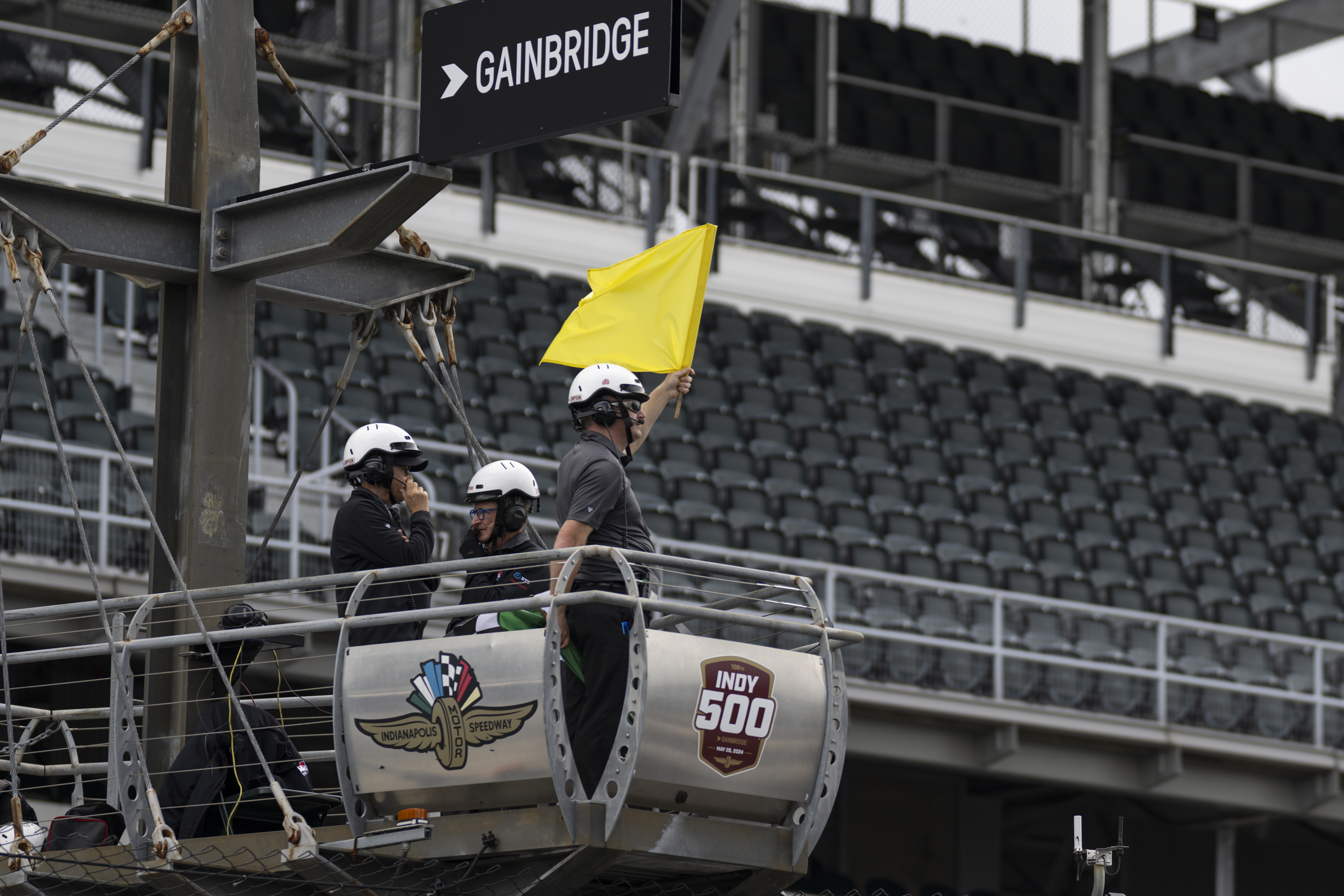
“All of us on the 10 car stand thought it was full-course yellow, because we we're looking down (the straight leading to start/finish) and we see the yellow panel lit up on the wall,” he said. “We see the starter waving a yellow flag, and Rossi stopped on the front stretch. It's like, well, it has to be a full-course yellow, because you wouldn't leave that car there on the front straight in the high-speed section, exposed.“
"Even Alex (Palou) said he had (Caio) Collet in front of him, and when we when I told him it was a full yellow, even Collet slowed down. So then Alex slowed down and we said, ‘You have to stay out. Stay out. The pits are closed because it's a full-course yellow.’ But it wasn't until we're already past pit-in before we're looking around, and it's like, well, it's not a full-course yellow. It's only local yellow.’
"We were talking about what tires we were going to take with Alex, and then Alex said, ‘Wait, is it yellow or green?' Because Collet started to drive away from him.”
Referring back to the first item, imagine how differently the Rossi situation could have been treated by race strategists if Race Control simply communicated over the radio or messaged all teams. Instead, the non-verbal, non-text action of using T&S to state a decision was used, and at least for some race strategists, T&S is currently being treated like an unreliable witness.
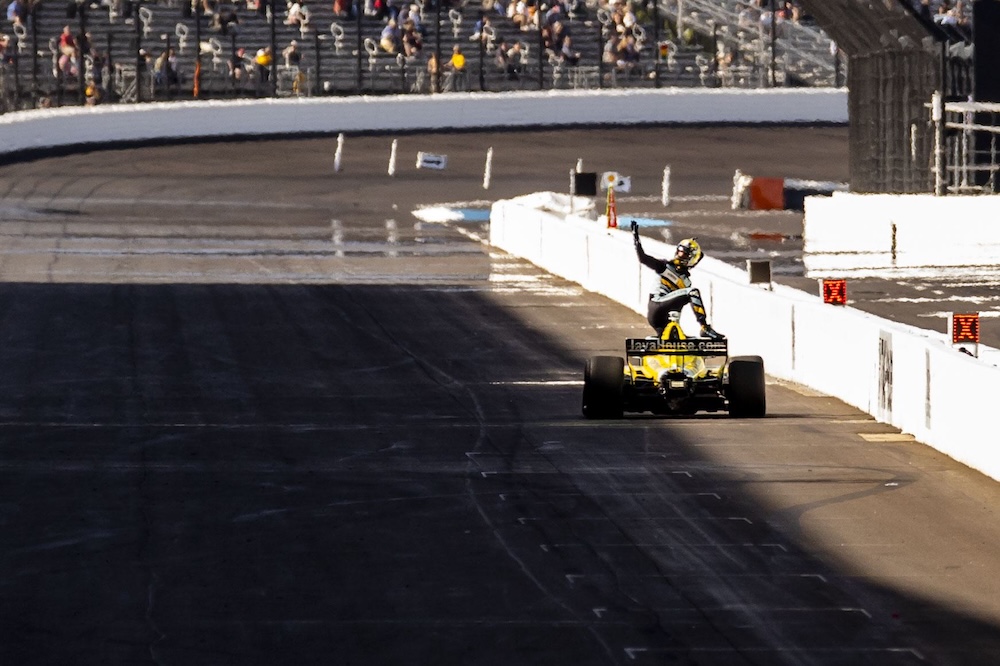
Just about everybody outside of Race Control was initially under the impression that Rossi's incident triggered a Full Course Yellow. Amber Pietz/Penske Entertainment
Adding to the confusion, the FOX broadcast also appeared to believe a full-course caution had been called and changed the TV graphics to reflect it with a yellow caution box placed around the pylon on the left side of the screen. It wasn’t long before IndyCar’s television partner realized Rossi’s stranded car was only covered with a local yellow and removed the caution box from the graphics, but its influence was felt.
“I would mirror everything Barry said 100 percent,” Herta said. “I found it confusing in the moment, because we had some indications of yellow, like at the flag stand and on the yellow panels that we don't normally see displayed for a local yellow. I wasn't sure what was happening, like, whether it was really local yellow.
“Then, unfortunately, what sealed our thing was I saw the yellow right as we were getting to the pit entrance, and I saw the caution on the TV broadcast; we have that on our timing stand, too. The unfortunate thing about the confusion is it all was happening for us right as we were coming to pit lane. So we had these conflicting things going on and really no time to process everything right as Kyle and right as Palou were needing to either come in and pit or stay out.”
Kirkwood, in fact, pulled onto the pit-in lane and made a hard left – he drove across the grass – out of fear he’d be pitting under a FCY while the pits were closed. Those behind Palou and Kirkwood had more time to assess the situation and benefited, as the leader and his closest pursuer stayed out while those directly behind them stopped and eventually filled the podium.
“If you speak to everybody on pit lane, I think 90 percent of the people thought it was a full course yellow until it wasn't, and they just had more time to react to come in. We had less time,” Wanser said.
“But when you look at it, in all fairness, if you were to play it back, IndyCar gave us an opportunity to pit. We just didn't come in. But the problem is, we need more information to know what they're thinking. If they're like, ‘Okay, we see there's a car in the front stretch, local yellow. We are giving everybody an opportunity to pit, and then we're going to go down to get that car,’ then we know, right?
"It's no different than when you see when there was debris – there was the underwing cover, FOX is highlighting it... Just tell us what you’re thinking of doing so it isn’t a guessing game.”
Like Wanser, Herta was quick to take the blame for misreading the situation.
"By the rules, IndyCar did it correctly,” he said. “It was a single yellow. We're just not used to seeing a local yellow at the start/finish line. I was already feeling like it might be yellow, and then as soon as I saw that was like, ‘Oh, there it is on the broadcast. It's a full-course yellow.’ But they took that down immediately.
“We have multiple tools on the timing stand, and I had tools that said it was not full course yellow, and I chose to react to the TV broadcast, which is not an official notification. Like, it wasn't right. So ultimately, it was a confusing situation, but it was our mistake not to not to correctly read it. Other people got it right.”
The final item to consider is for FOX, which is constantly searching for innovations, and the IOI, to look at bringing Race Control out of the shadows with a dedicated camera and spokesperson.
Like the NFL on FOX broadcasts, where a former referee or head of officiating rides shotgun on the games and offers insights for the announcers and viewers, the broadcaster could place one of the three IOB members, or someone new in the corner of Race Control, or just outside, to field questions. Or, take a proactive approach and explain how the next scenarios with debris or stalled cars will be handled.
That’s the ‘talk to your fans’ part the series is missing. It’s impossible to count how many fans were shouting at their screens at the Indy GP as they, just like the teams, were clueless as to what was or wasn’t happening in Race Control.
They might not like the decisions to leave a piece of debris sitting on the track during a race, or to penalize (or not penalize) a driver, or whatever else that might be decided that’s impactful on what they’re watching. But why not take the lead in professional motor racing and do something new by incorporating a Race Control designee into the broadcasts?
Talk to the teams while the game is being played so they know how to make the right calls. Rescue T&S from its state of instability, and educate fans, and the fine folks in the TV booth, with timely information so everyone feels included in the races they love.
The change in FCY policy is a perfect start, but it can't be the last improvement to come from a bad weekend for the referees.
Presented by:

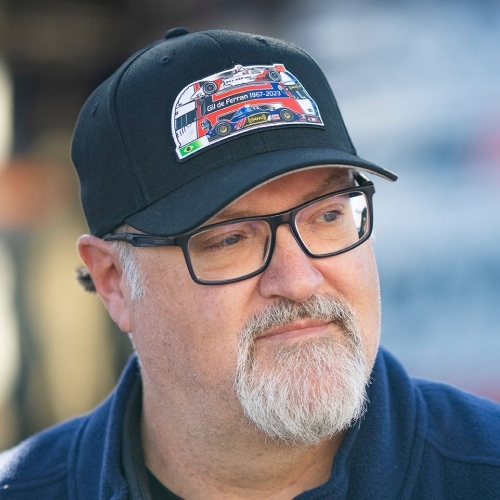
Marshall Pruett
The 2026 season marks Marshall Pruett's 40th year working in the sport. In his role today for RACER, Pruett covers open-wheel and sports car racing as a writer, reporter, photographer, and filmmaker. In his previous career, he served as a mechanic, engineer, and team manager in a variety of series, including IndyCar, IMSA, and World Challenge.
Read Marshall Pruett's articles
Latest News
Comments
Comments are disabled until you accept Social Networking Cookies. Update cookie preferences
If the dialog doesn't appear, ad-blockers are often the cause; try disabling yours or see our Social Features Support.