Joe Skibinski/Penske Entertainment
IndyCar to use current engine in first tests with new chassis
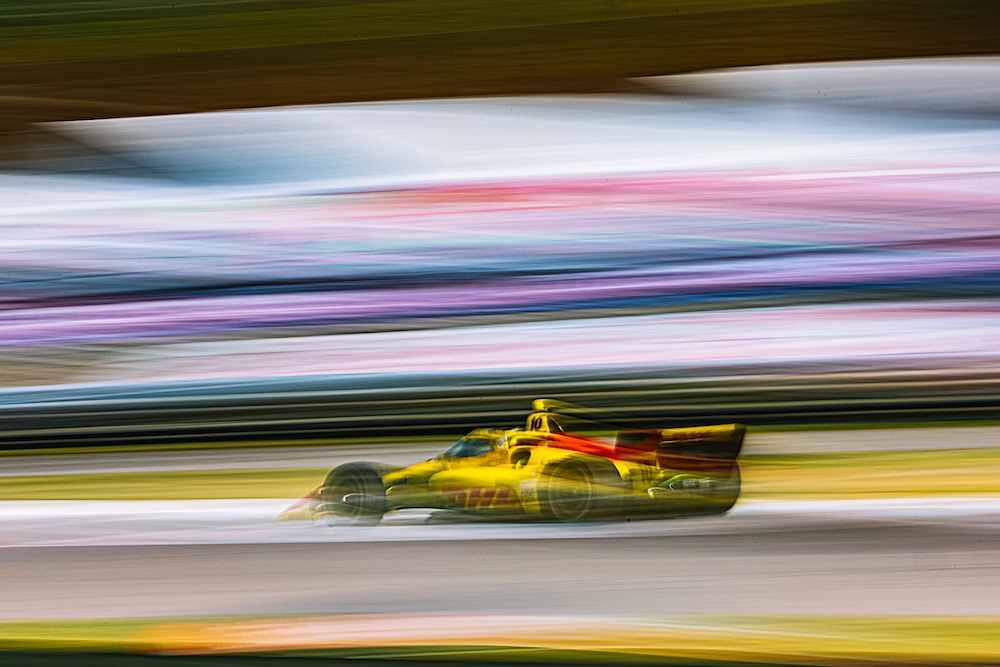
The IndyCar Series says its plans to start testing this summer with prototype versions of its new-for-2028 Dallara IR28 chassis remain unchanged. But with the 2028 engine regulations in an unfinished state, having all aspects of IndyCar’s next competition model ready to turn laps at the same time will not be possible.
Once IndyCar, Chevrolet, and Honda reach the finish line with the rules that will govern the upcoming powertrain, both automotive companies – and any new manufacturers that elect to join the series and supply engines – can commence the long process of making the custom 2.4-liter twin-turbo V6 racing motors. As a result, testing will start without IndyCar’s next-generation engines.
“We've had very regular meetings, both virtually and in person, at basically every event this year,” IndyCar president Doug Boles told RACER. “Honda and Chevrolet and the series are aligned on the importance of getting those rules decided quickly. And I feel really good about the progress and the collaborative spirit of both Honda and Chevrolet to get us there.
“I can’t give an exact timeline, but it's getting closer and they've been really fruitful conversations. And even talking separately with Honda or Chevy, both of them are very happy with the collaborative nature of the process.”
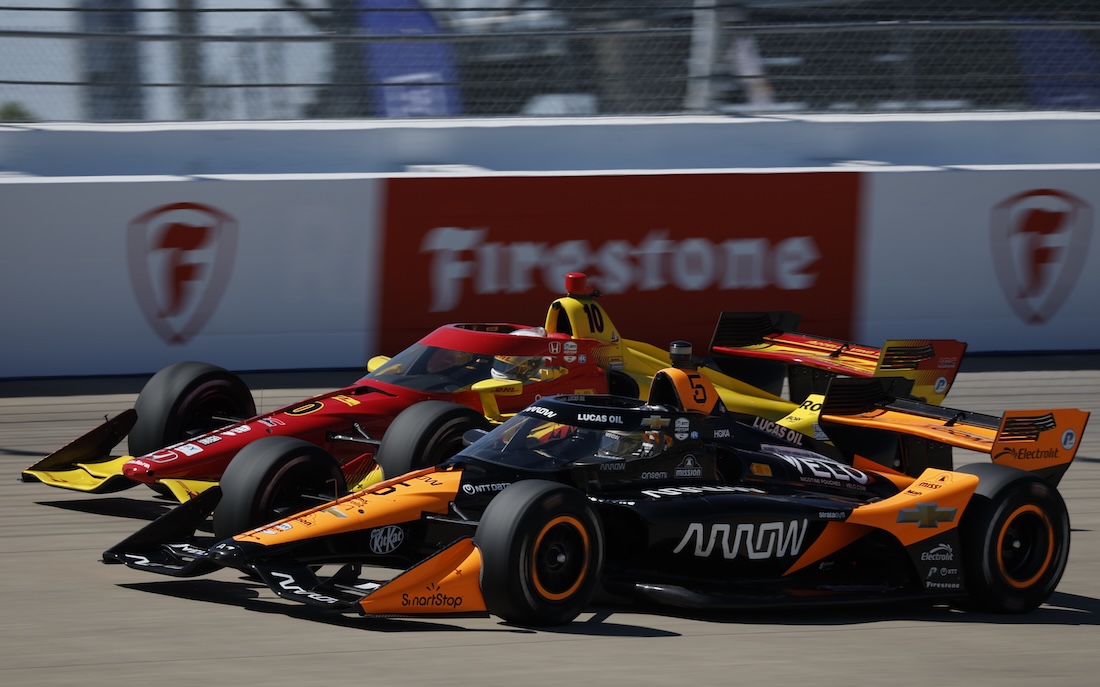
RACER has learned the initial IR28 tests will make use of either the current 2.2-liter twin-turbo V6 engines or the stillborn 2.4-liter TTV6s that were being readied for the 2023 season before they were mothballed in favor of going hybrid with the 2.2s in 2024. RACER also understands the new energy recovery system, which is intended to double the power offered by the existing hybrid system, will not be ready for initial IR28 testing.
Those tests, which will be conducted to validate chassis, suspension and driveline and aerodynamic componentry prior to mass producing the items, will likely see a large block of ballast placed in the bellhousings to replicate the hybrid’s weight.
With validation needing to be done in the same conditions the car would encounter in 2028, Chevy and Honda would be expected to prepare motors for the early IR28 tests with elevated horsepower and torque output to mirror the increased speeds and subsequent forces that would be fed throughout the chassis by the hybrid 2028 engines.
Marshall Pruett
The 2026 season marks Marshall Pruett's 40th year working in the sport. In his role today for RACER, Pruett covers open-wheel and sports car racing as a writer, reporter, photographer, and filmmaker. In his previous career, he served as a mechanic, engineer, and team manager in a variety of series, including IndyCar, IMSA, and World Challenge.
Read Marshall Pruett's articles
Latest News
Comments
Comments are disabled until you accept Social Networking Cookies. Update cookie preferences
If the dialog doesn't appear, ad-blockers are often the cause; try disabling yours or see our Social Features Support.