Chris Owens/Penske Entertainment
Where has Dixon’s qualifying pace gone? Ganassi’s on the hunt for answers
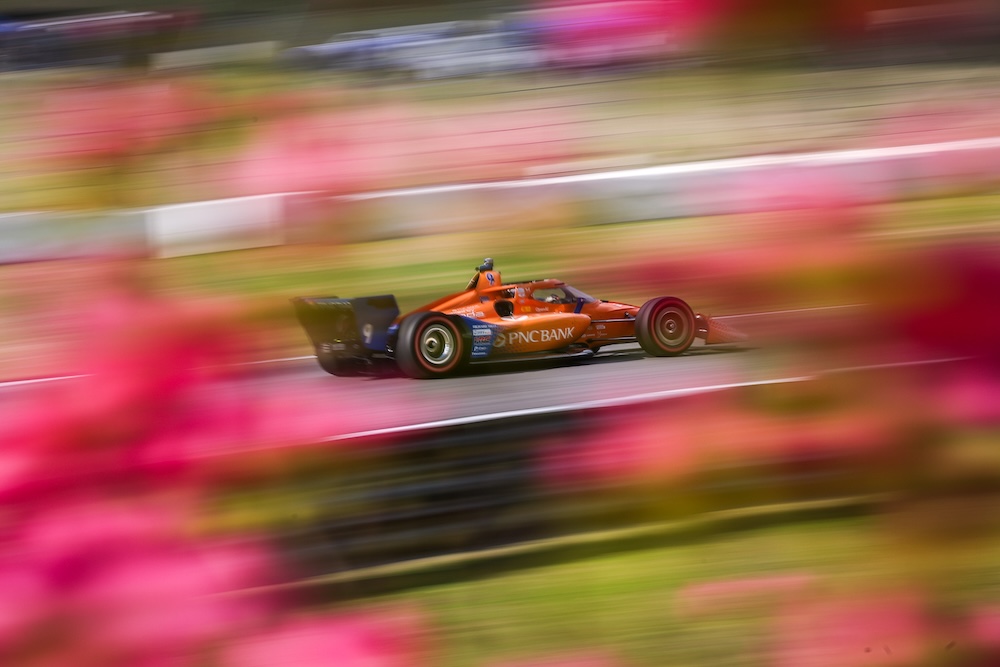
Scott Dixon has been putting on a masterclass in passing this season. It’s also a scenario he and the No. 9 Chip Ganassi Racing team would love to solve.
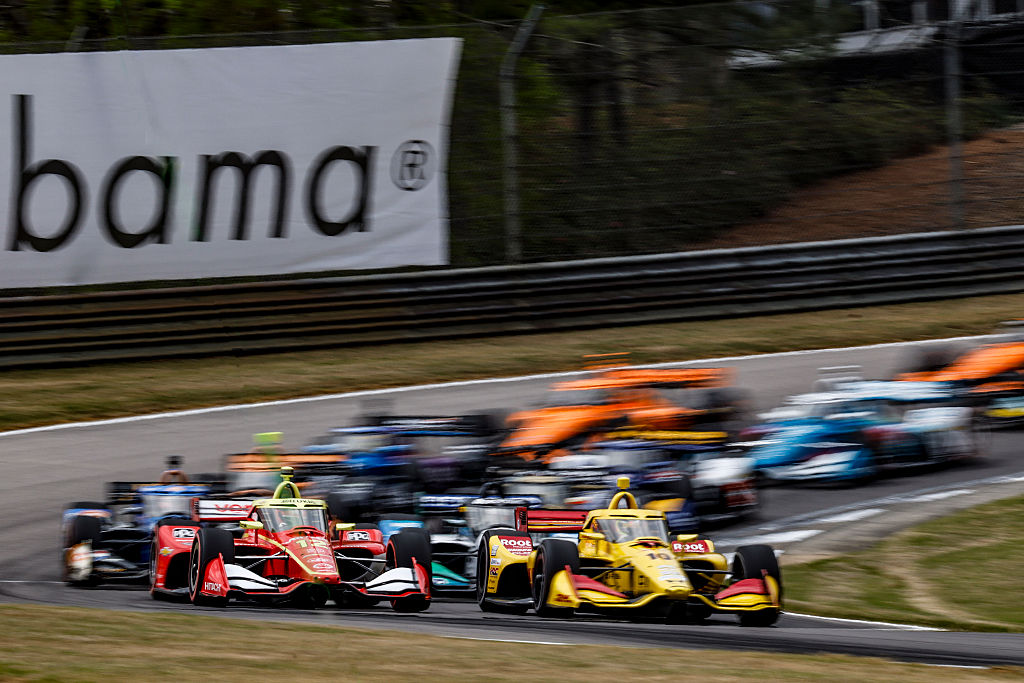
Dixon’s year-to-date in the No. 9 Honda has provided one example after another of how the six-time champion can tear through the field on race day, beginning at St. Petersburg where he qualified 16th and rose to first before pitting and falling to 23rd when a rear wheel fell off after his first pit stop. At Phoenix, he qualified 15th and finished seventh before moving to Arlington, where he started 20th and improved 12 positions on the way to claiming eighth at the checkered flag.
Last weekend’s race at Barber was Dixon’s best qualifying performance of the year, with a start from 13th that was turned into a finish of seventh. So far, Dixon has gained 26 positions in the three races he’s completed, but that’s not the kind of number the Ganassi team wants to celebrate.
Across the first four races, Dixon has yet to make it out of the first knockout round of qualifying and into the Firestone Fast 12; his average starting position of 16th is the limiting factor that makes for hard races, with half or more of the field standing between him and the podium.
Qualifying hasn’t been one of Dixon’s strengths in recent years. In 2025, his average start was 14.25 at this stage of the season, and in 2024, it was 9.5. But as recently as 2023, it was 5.25.
The rough string of qualifying runs, along with the wheel issue at the opening round, has Dixon holding an unfamiliar 10th in the drivers’ standings after placing third in the 2025 championship. The last time that happened after the four opening races was in 2005, when Dixon and the underpowered Toyota engine in the back of his car had the New Zealander sitting a distant 15th in the standings.
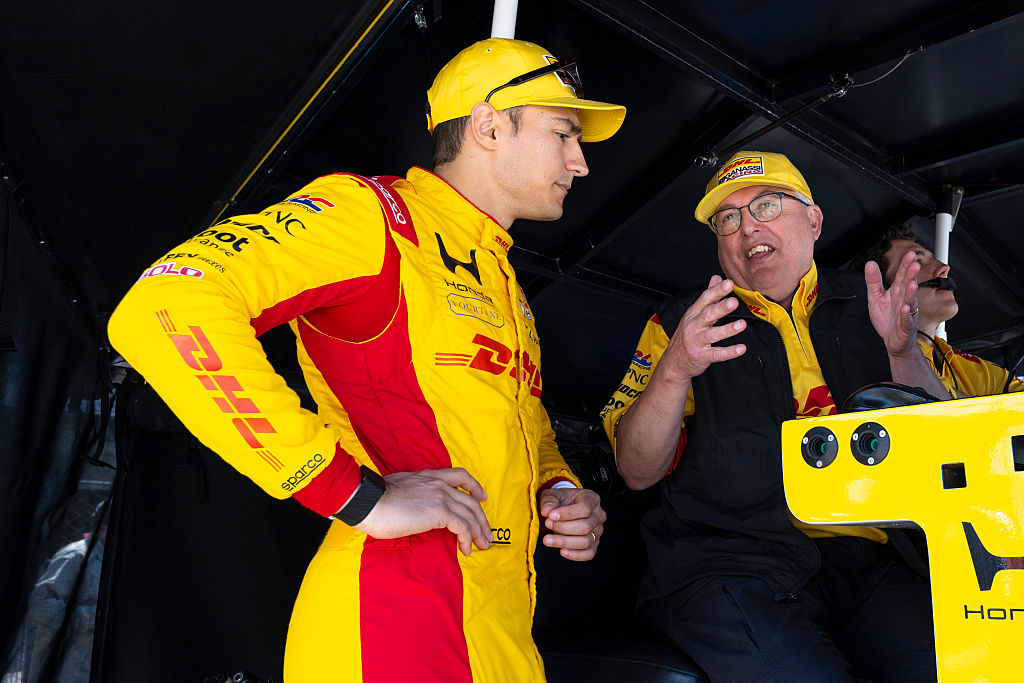
“It’s a question were asking ourselves, and we’ve got a study going now to try and figure out what we’re missing,” Dixon’s race strategist Mike Hull told RACER. “We think it's related to how we’re using the tires, not the driving style. It’s obvious we need to qualify better to be able to finish better, not necessarily race better, but finish better, because we race well.”
With the increasing level of competitiveness across the field in road and street course qualifying, perfecting a single fast lap on a new set of Firestone’s alternate compound tires has become necessary to transfer out of the first round into the Fast 12, and again from the Fast 12 into the Fast Six.
Although it might appear to be as simple as pulling away from pit lane and driving as fast as possible, the art of warming and preparing the tires to peak at the right time to deliver maximum performance for an entire lap requires as much advanced studying and simulation by each team as it does intuition from the driver.
“When everything's equal with everybody else as the tires come in, then we're equal to anybody,” Hull said. “In fact, like at Barber, we were the fastest car in a full last segment.
"So if you look at the consistent laps of the last 30 laps of the race, we were faster than anybody else. And now these days, if we miss the peak by a third of a lap, it moves us back immediately when the tires come on, so reading the tires correctly to get the full lap is a big case study. But even when we miss it, we go out and we run really well on the tires during the race. We're not finding the peak in the tire at the right time. So that's what we're working on.”
Presented by:

Marshall Pruett
The 2026 season marks Marshall Pruett's 40th year working in the sport. In his role today for RACER, Pruett covers open-wheel and sports car racing as a writer, reporter, photographer, and filmmaker. In his previous career, he served as a mechanic, engineer, and team manager in a variety of series, including IndyCar, IMSA, and World Challenge.
Read Marshall Pruett's articles
Latest News
Comments
Comments are disabled until you accept Social Networking Cookies. Update cookie preferences
If the dialog doesn't appear, ad-blockers are often the cause; try disabling yours or see our Social Features Support.