Fast, cheap and loud: The case for the most American muscle car
The topic of what makes something “quintessentially American” is being weirdly debated these days. While America and its brief yet weighty history are inherently complicated, some things pertaining to this Great Experiment are less complicated and largely unmarred by the sticky tar of our history. I want to explore this idea through the lens of muscle cars as a whole, and, more specifically, which one encapsulates the spirit of this corner of American car culture. This topic, like so many American ideas, is based more on feelings and belief than anything objective or even decidedly “true.”
“In the day, we sweat it out on the streets of a runaway American dream. At night, we ride through mansions of glory in our suicide machines.”
First things first
Let's get the obvious out of the way right up front. If you ask most people — enthusiasts, historians, someone at your office who has strong opinions on stuff – what the definitive American muscle car is, they're going to say the Ford Mustang. And they're not wrong, exactly. The Mustang created the template, sold in numbers that still boggle the mind, and burned itself so permanently into our cultural landscape that it's essentially a national symbol at this point. It's on movie posters, belt buckles, T-shirts, and bedroom walls by the millions, even 60+ years after it first thundered from its stable at Watkins Glen in 1962. The Mustang is the right answer.
Stellantis
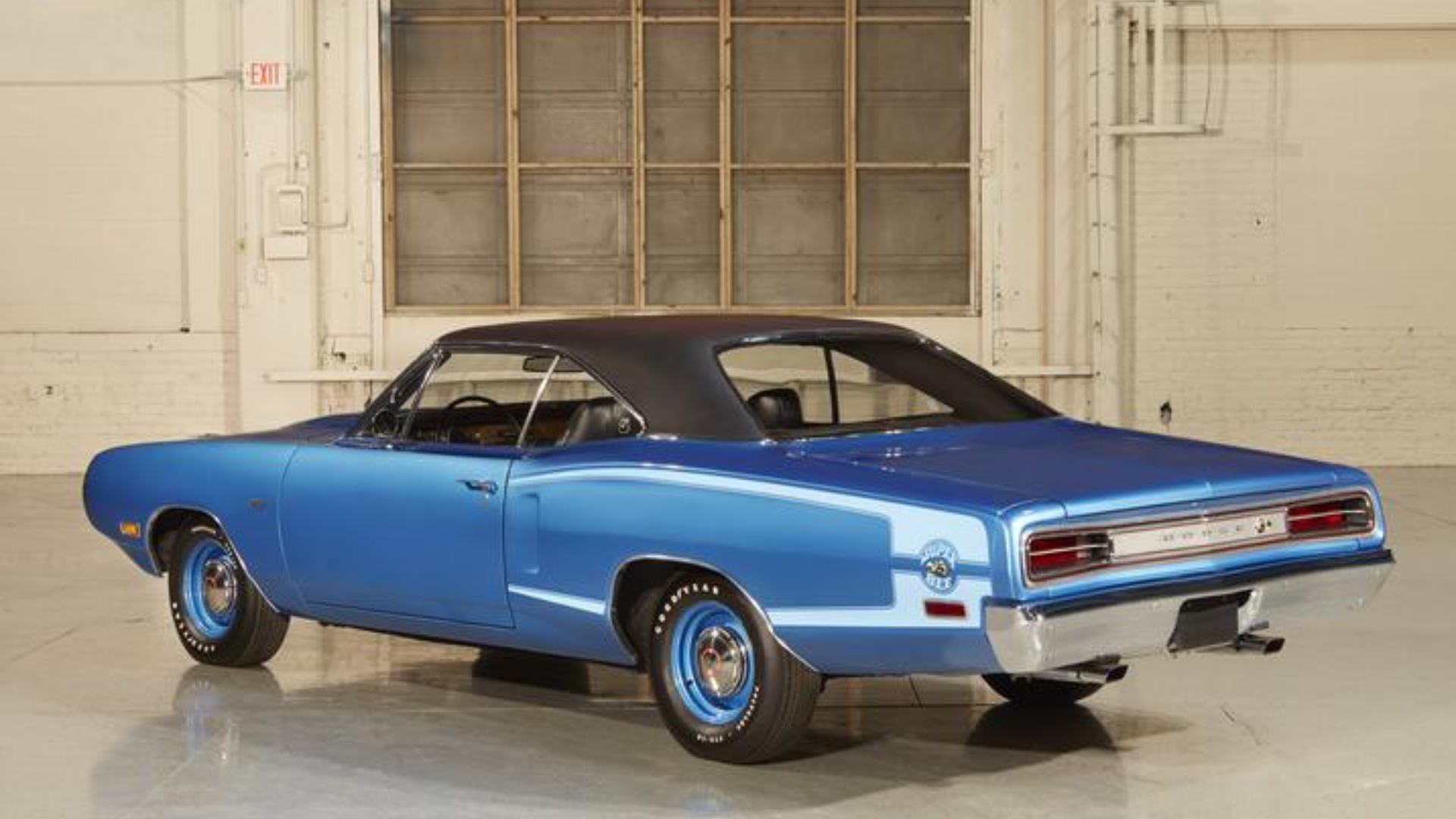
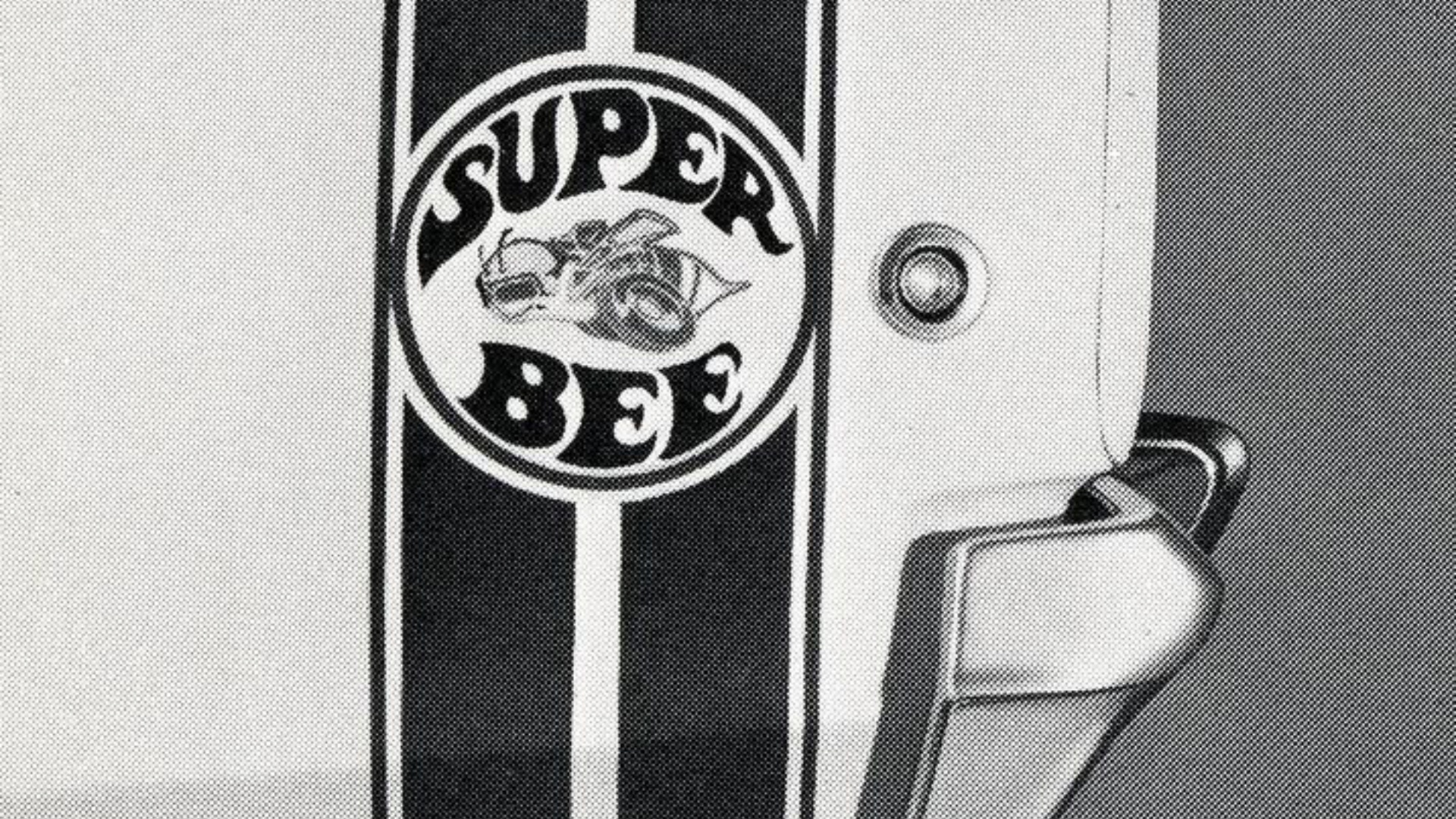
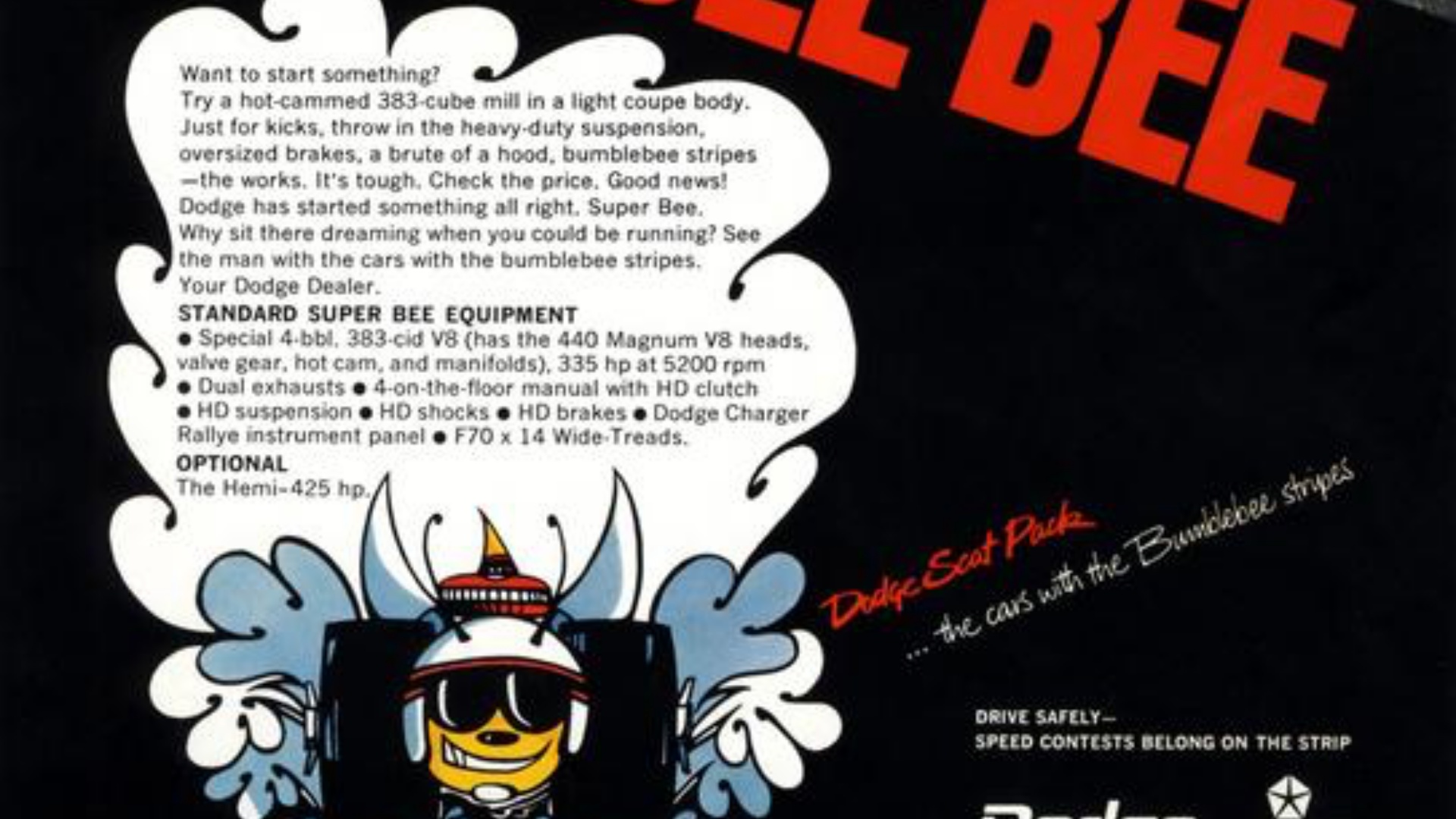
But this isn't about the right answer. The right answer doesn’t have to mean the only answer. The right answer doesn't have three Holley two-barrel carburetors bolted to a 440 cubic inch V8 and a cartoon bee on the fender. The right answer didn't start at three thousand dollars and change, leave the radio out of the base price, and still somehow embarrass cars that cost five hundred dollars more. The right answer is the Mustang. But I think the better answer — the car that most purely, most honestly, most gloriously embodies the ethos of American muscle — is the Dodge Super Bee. And I think I can prove it.
What Muscle Cars were actually about
Before we get into the Bee specifically, we need to agree on some stuff. Muscle cars were not about luxury. Hell, they were only barely about being “sporty.” They were not about refinement, or prestige, and they sure as hell weren’t going for the kind of elegance that European automakers were selling to folks in tweed jackets and funny accents. American muscle cars were about one thing and one thing only: taking an ordinary, affordable, working-class automobile, dropping a motor of titanic proportions in it and painting it the brightest colors imaginable. That's the whole formula. That's the entire point. Strip the romance away, and what you've got is an act of cheerful yet industrial maleficence — a manufacturer taking a modest family coupe, looking at a race-derived big-block engine, and deciding that yes, these two things should absolutely go together.
Stellantis
Arguably, the Pontiac GTO invented this formula in 1964. But by 1968, it had gotten expensive. The muscle car's original sin — the thing that threatened to kill the whole magnificent idea — was that the cars were drifting upmarket. Manufacturers kept adding trim levels, luxury packages, and features that pushed prices up and away from the young working-class buyers who had given the segment its power. The average kid pulling a shift at a factory in 1968 didn't need power windows. What they wanted was something fast, something loud, something orange, and something they could actually afford. Dodge heard that. The Super Bee was the answer.
Beautiful and blunt
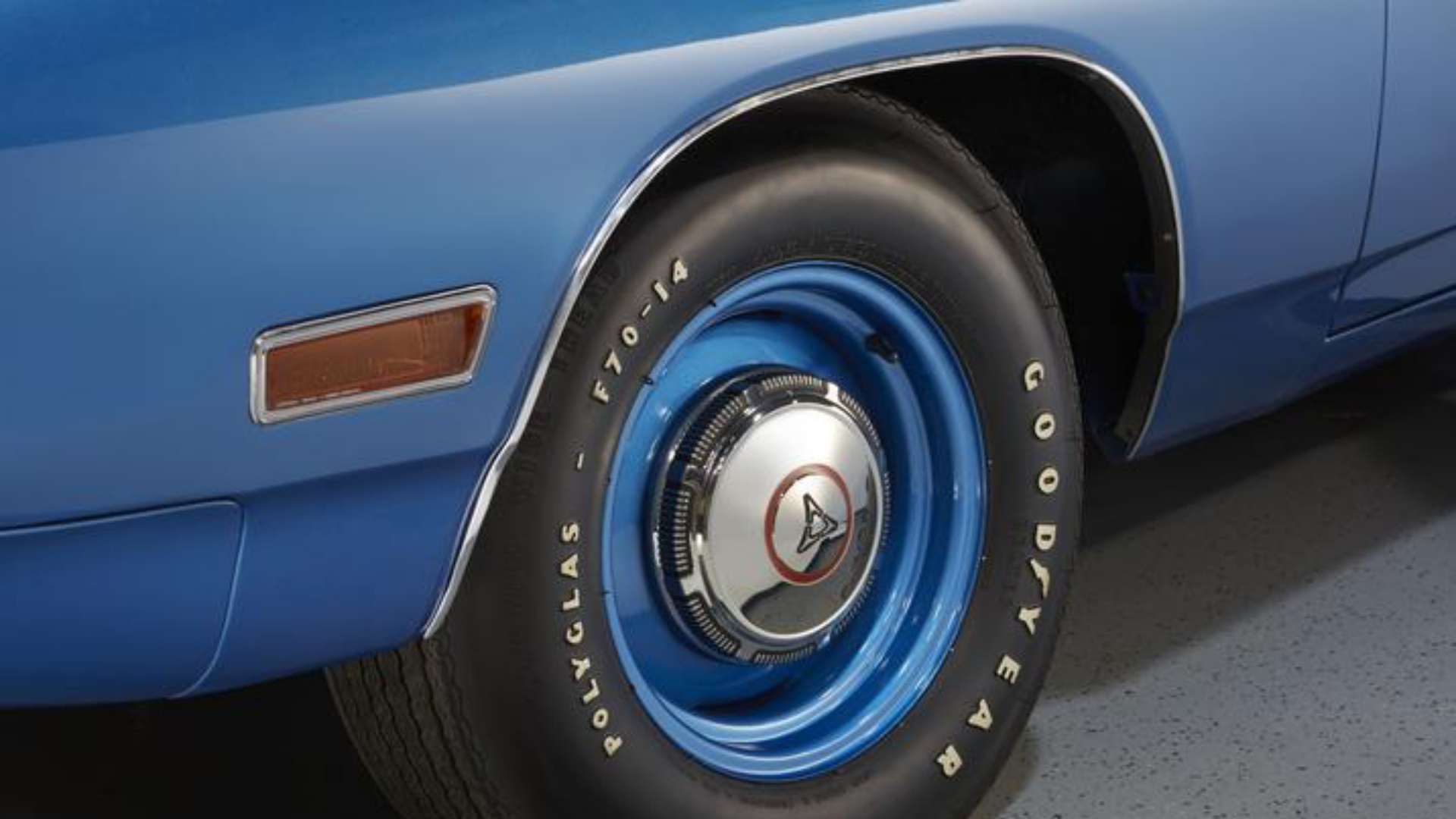
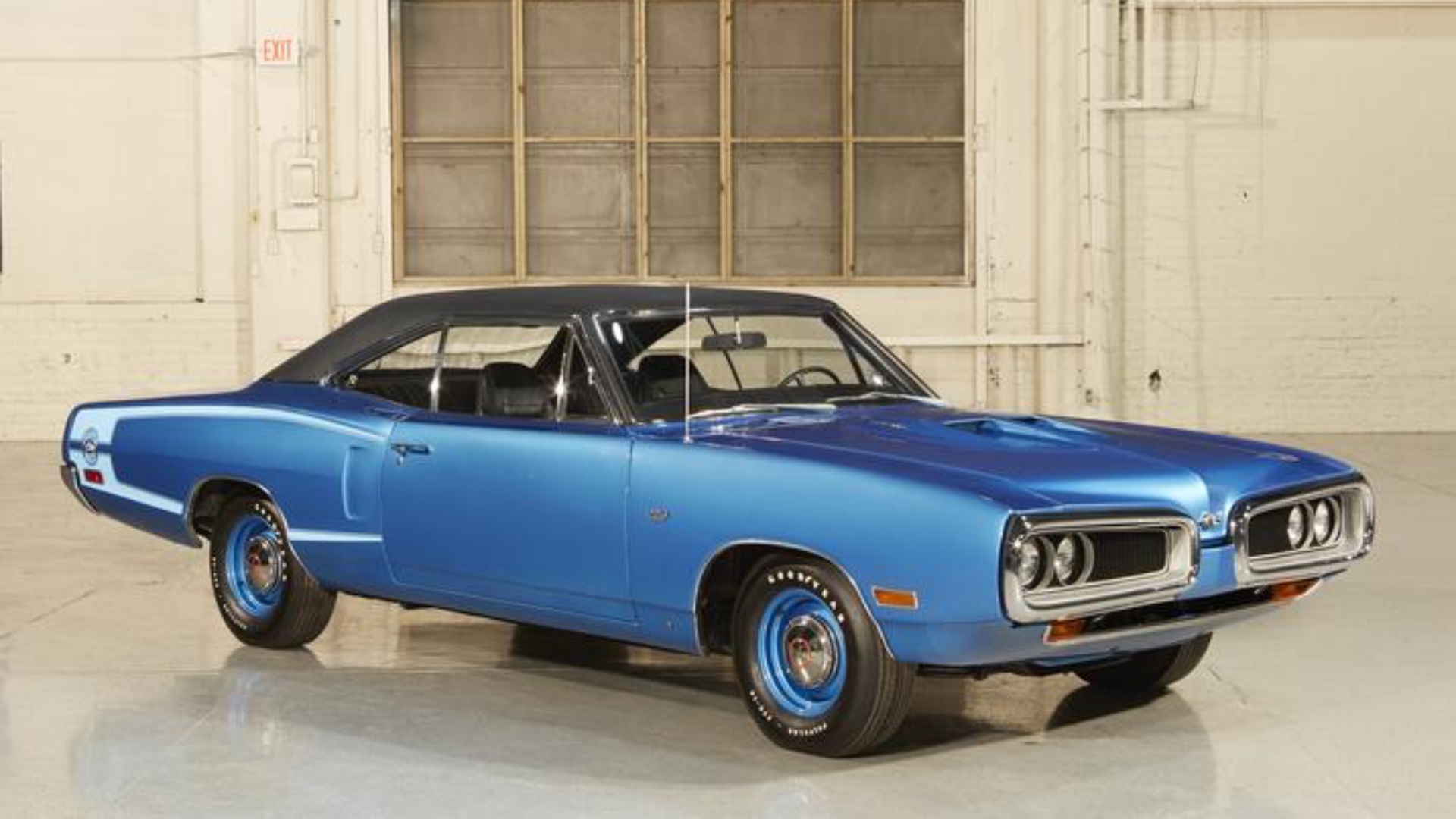
Dodge introduced the Super Bee in early 1968 as a stripped-down, performance-focused version of the Coronet, their mid-size B-body platform. The base price was $3,027. That's it. Not only was the Super Bee the cheapest Dodge muscle car, but it was the cheapest path to a Hemi available.
For three thousand dollars and change — roughly equivalent to about $28,000 today — you got a two-door coupe, a four-speed manual transmission, heavy-duty suspension, and a 383 cubic inch V8 that produced 335 horsepower. To put that in perspective, the Pontiac GTO's standard 400 cubic inch engine that year made 350 horsepower and started at $3,100. Dodge was practically daring you not to buy one.
Stellantis
That 383 deserves its own moment of appreciation, because it was not a parts-bin engine lazily dropped into a budget car. Dodge's engineers took the 383 and fed it the cylinder heads, camshaft, and intake manifold from the larger 440 Magnum V8. Dodge fitted it with a four-barrel carburetor, an open-element air cleaner, and dual exhausts. What came out the other end was an engine that punched well above its displacement — 335 horsepower and 425 lb-ft of torque — in a car light enough to use all of it. A period test by the staff of Car Craft magazine put a comparable Super Bee through the quarter mile in 14.87 seconds at 96 mph. Right out of the showroom, on street tires, driven by a journalist.
If that wasn't enough — and for some people it wasn't, and God bless them — you could option the 426 Hemi, rated at 425 horsepower, for additional money. Or, from mid-1969 onward, the 440 Six Pack: a 440 cubic inch engine topped by three Holley two-barrel carburetors on an Edelbrock Hi-Riser manifold, producing 390 horsepower, with the outer two carbs sitting like a predator ready to spring at some poor creature’s throat during normal driving and all six barrels opening the moment you give it the business. That is not an engineering solution. That is a declaration.
She’s got the look
There’s a temptation that exists to say that muscle cars were all about practical speed. While not untrue, I would argue that wasn’t the guiding principle for the segment. We can prove this by one of the coolest and best parts of the segment: paint colors.
Stellantis
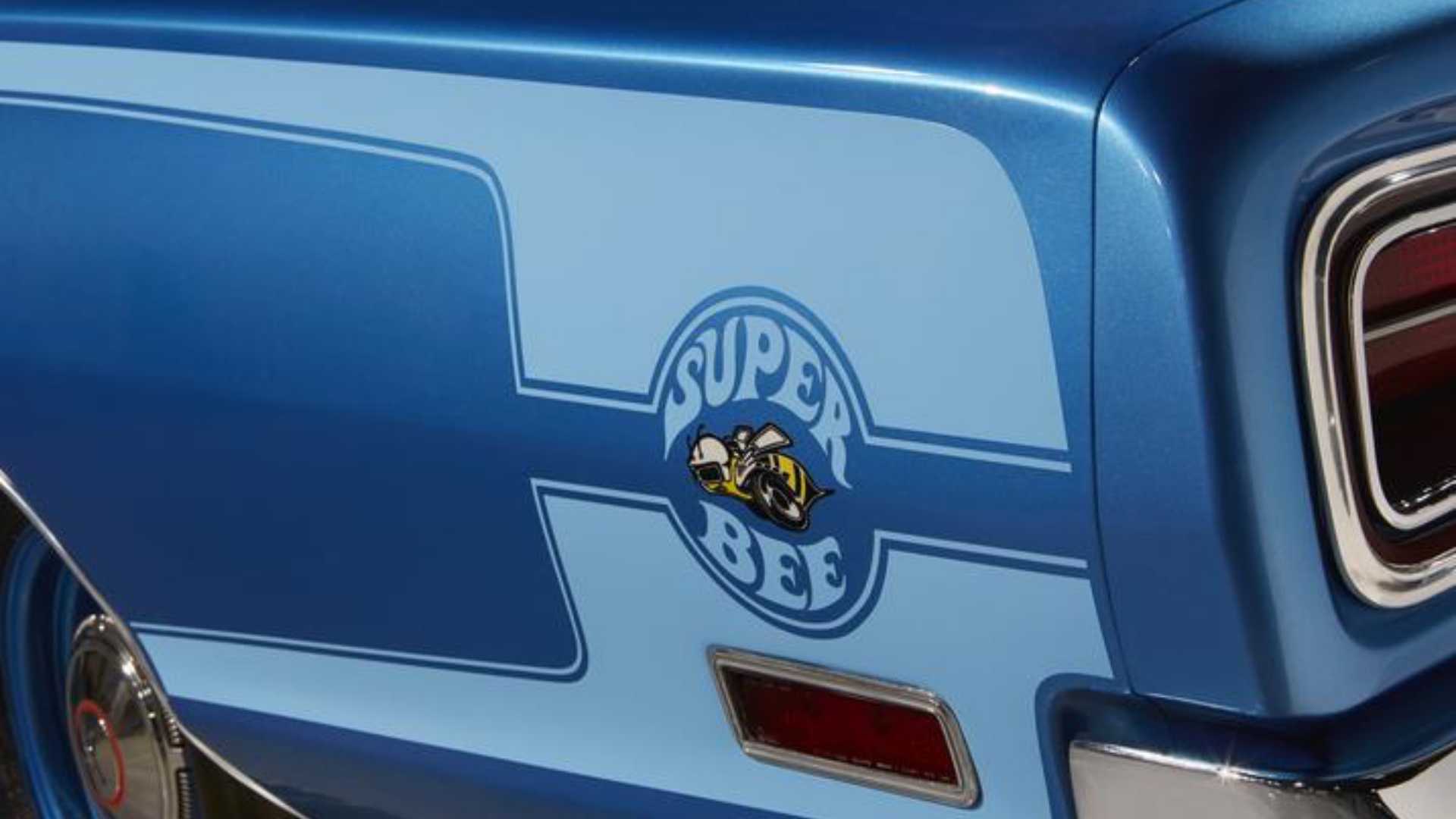
Muscle cars might have been designed to be simple, affordable, and even stripped down, but, as a rule, they were anything but understated. Audacity was a key part of what made them irresistible and undeniably cool even after 60 years. One of the key factors that makes the Super Bee perfect to represent the segment was that, while your friend’s mom might’ve driven a Coronet, she almost certainly wouldn’t have had a Super Bee. The Super Bee wasn’t just a fast car; it was equally important that it looked fast.
While most muscle car makers had some lovely colors and decal packages, none did it quite as brightly and unapologetically as the MOPAR cars. These car makers not only built some of the most coveted muscle cars, but also offered the most flamboyant and exaggerated range of colors the world has ever known. These colors are more common on poisonous jungle critters than on cars.
We are used to seeing white, silver, black, and maybe the occasional red. But in the late 1960s, it wasn’t all that crazy to see a B-body car making a hellacious rumble wearing a shade of paint called Panther Pink, Plumb Crazy Purple, Butterscotch, SubLime, Top Banana, Hemi Orange, and more. It’s this shouty, freak-flag-flown-high individualism that perfectly mirrors the distinctly American brand of assertion that defines the muscle car era. Again, it’s on this hill that the Super Bee made its stand and died.
The unbothered underdog
Here's where the Super Bee gets really interesting, and where it separates itself from the more celebrated names in the muscle car canon. It kind of lost. Commercially, against its own corporate sibling, it lost — and it lost badly. Plymouth's slightly cheaper Road Runner, built on the same platform with essentially the same drivetrain, outsold the Super Bee by more than three to one over the same production run.
The Road Runner had licensed the Warner Bros. cartoon character, complete with the "Beep Beep" horn, and that bit of marketing genius resonated with buyers in a way that Dodge's made-up bee logo simply couldn't match. And if competing with the Road Runner weren’t tough enough, the Super Bee also had to compete within its own showroom against the heavyweight champ, the redesigned 1968 Charger, which wore one of the most knockout bodies Detroit ever produced and pulled buyers upmarket almost by sheer magnetism.
Stellantis
The Super Bee, bless its heart, lost that battle too. Total production for the Coronet-based Super Bee from 1968 through 1971 came to roughly 56,000 units — respectable by normal standards, nearly invisible next to the Road Runner's 164,000 for the same period. By 1971, Dodge had moved the Super Bee name to the Charger body and built only around 5,000 before discontinuing the model entirely. The Bee was gone almost before anyone noticed it had arrived.
And somehow, that's part of what makes it the most essential muscle car ever built. It didn't win the marketing war. It didn't have a cartoon bird or a Hollywood legacy or a Steve McQueen chase scene to carry it. What it had was a $3,027 base price, a base 383 that borrowed the best parts of a bigger engine, an optional 426 Hemi, and the willingness to advertise — without irony, without embarrassment — that it existed specifically for buyers who didn't want to pay GTO money. "The supercar for the guy who doesn't want to shy away from GTOs," Dodge's own advertisements said, "only their high prices."
Why it matters
The Super Bee wasn't trying to be prestigious. It wasn't trying to be a Charger, or a GTO, or a Mustang. It was trying at anything. What it was was fast, cheap, and available to normal Americans. That combination — the big motor, the modest body, the price, the complete absence of pretension — is not just what the Super Bee was. It's what muscle cars were. We salute the Super Bee for being exactly what it was. Sales be damned.

Peter Corn
Peter Corn is an automotive writer and storyteller. Peter has spent nearly a decade writing about cars, trucks, and motorcycles for some of the best publications in the business. He believes the best automotive stories aren't really about the machines at all, but instead, the people who love them.
Read Peter Corn's articles
Latest News

Comments
Comments are disabled until you accept Social Networking Cookies. Update cookie preferences
If the dialog doesn't appear, ad-blockers are often the cause; try disabling yours or see our Social Features Support.