Sean Gardner/Getty Images
NASCAR Next Gen development details revealed in antitrust trial testimony
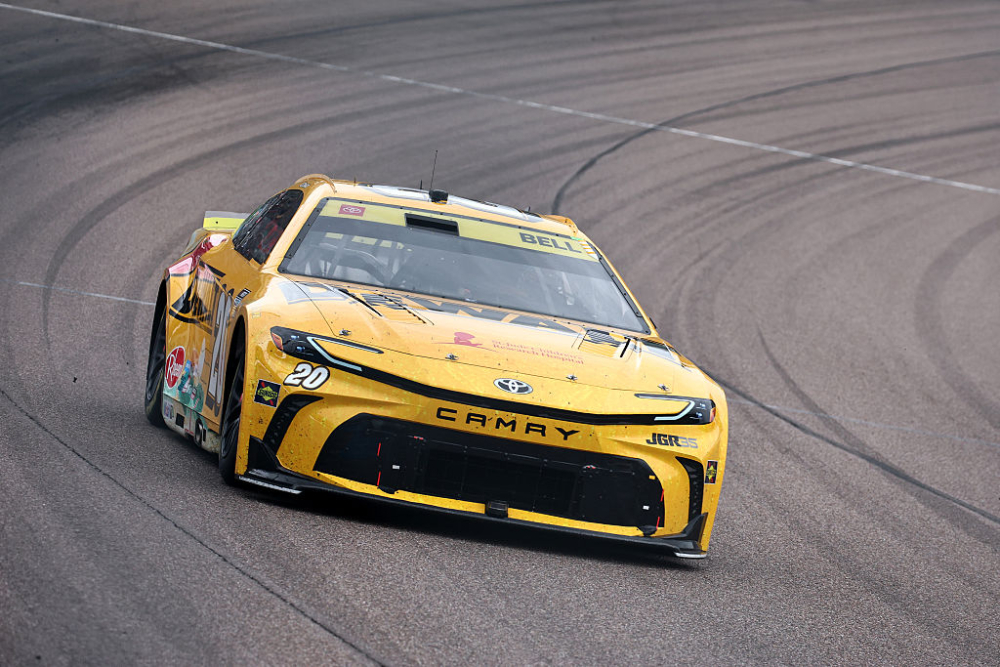
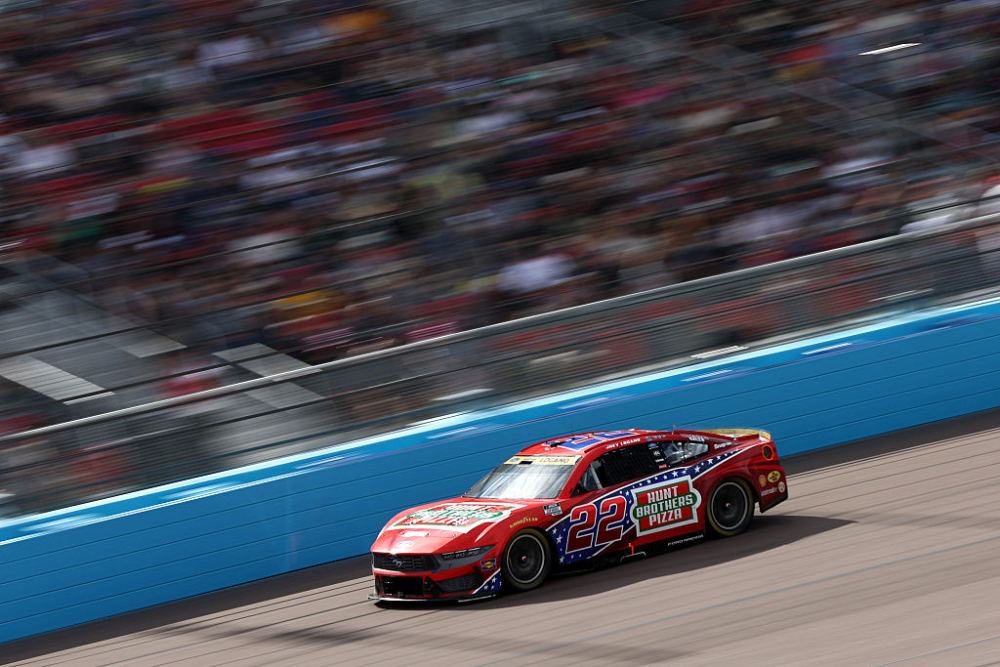
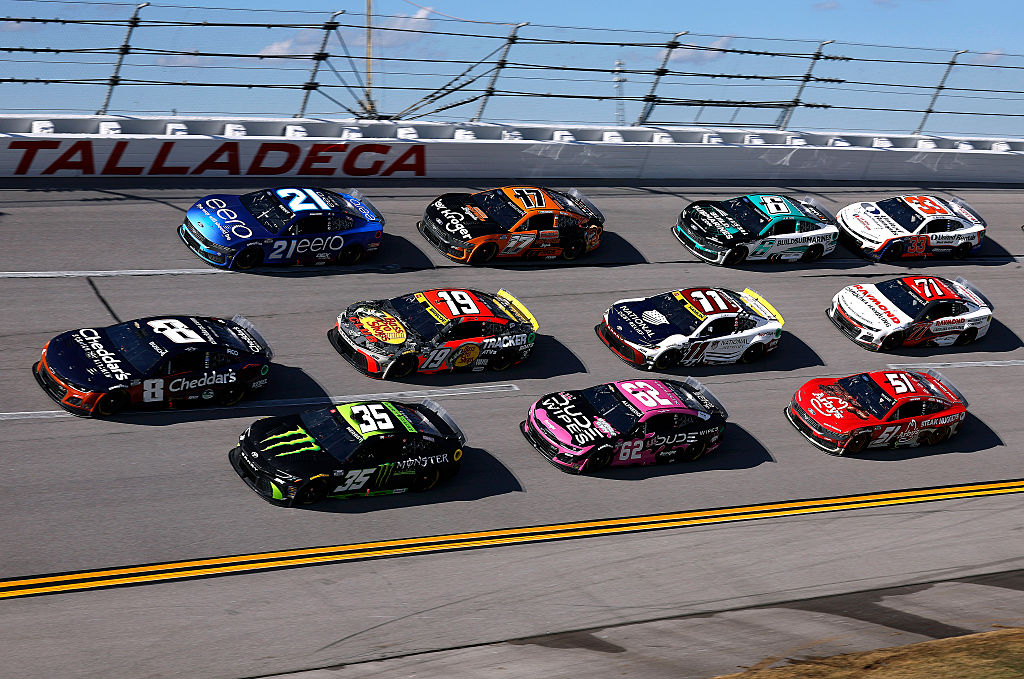
NASCAR began presenting its defense Wednesday in the antitrust lawsuit brought by two of its race teams by starting with Executive Vice President and Chief Racing Development Officer John Probst and a discussion of the thinking that led to the Next Gen race car.
Probst was a strong choice to start for NASCAR, being presented as someone who understands the need for teams to save money and how NASCAR has tried to do that. Although he began working for NASCAR in 2016, Probst was no stranger to the sport, having previously worked for Chip Ganassi Racing, Red Bull Racing and Ford. And before getting into the Next Gen specifics and costs, Probst outlined his experience at those teams and how they spent money.
Whack-a-mole was an analogy Probst used to explain race teams spending money. The explanation was that a cost issue would pop up, be addressed, but then another would appear. In other words, teams would spend money in one area, then have to stop and spend it elsewhere.
Because of his background working on teams, Probst acknowledged that when he came to NASCAR, he was among those seeking solutions to reduce team costs. This led to the development of Next Gen, which was first discussed in 2017.
The goals of a new car were to cut costs, achieve parity and attract new manufacturers.
Some of the most notable testimony from Probst:
• NASCAR developed and designed the Next Gen parts. The teams did not make, pay for or come up with designs.
• NASCAR’s investment in Next Gen is “pushing” $14 million.
- It was “more than” $1 million spent on underwing development.
- “In the hundreds of thousands” of dollars spent on the diffuser flap development.
- NASCAR spent $4-4.5 million on safety testing during the car’s development and $2.5-3 million is spent every year on safety testing. The teams did not pay to help with testing.
• NASCAR applied for patents for the car.
- NASCAR and the manufacturers both have IP rights to the cars.
• On the issue of IP, under direct and cross-examination, Probst was adamant that it would be “very uncommon” for a business to invest significant money in the development of something and not protect its IP.
- On the other hand, the teams would not file patents for cars because they would then have to publicly discuss what they designed. In doing so, it would then be copied by everyone else. In racing, when the cars were built by the teams, the process of developing an advantage was kept as secretive as possible.
- The teams were aware that IP protection was being applied to the Next Gen car.
• The teams are not “forced” to buy seven Next Gen chassis, but that is the maximum allowed per charter car.
• NASCAR does not make money on the single supplied parts.
• It costs teams $134,000 for a season full entry fee and $6,000 for a license.
• Denny Hamlin testified that teams get charged for internet use at the tracks. Probst explained NASCAR offers four tiers of Wi-Fi service, but teams don’t have to subscribe; they can use their own Starlink connections or other options. It is $15,000 a month, the highest NASCAR offers, and 23XI Racing subscribes to the highest tier.
Probst testified “yes” that Next Gen has reduced cost, and his reason for saying so was that NASCAR has the data on parts costs. He also said “yes” that it attracted new teams, mentioning Trackhouse Racing and 23XI Racing. And it was “yes” that it helps with parity, expressing that NASCAR has seen more winners throughout a season.
As for attracting a new manufacturer, Probst said he is “very optimistic” that one will be in the Cup Series by 2027.
Why, then, are teams saying the costs are up with the Next Gen car? Probst reasoned that competition drives costs more than rules and that while NASCAR looks to find ways to help teams cut costs, it is still up to them where and how they spend their money. As he previously mentioned, if it’s not in one area, it’s in another. And there are other variables to spend money on, such as employees (and how many), planes, top-line war rooms, state-of-the-art race shops and more.
“We provide the opportunity (to cut costs in areas),” Probst said.
He theorized that teams don’t want to acknowledge that costs are down because sponsors could question why they are paying the same amounts when they are seeing costs are down. Probst also said that NASCAR doesn’t know how reliable the financial information it gets from teams is.
Why didn’t NASCAR modify the sixth-generation race car instead of moving to Next Gen?
• It would have been a similar investment, and it can be hard to find people who work on older stuff. Probst said it was easier for the sport to make a clean break and adopt new technology. Plus, he said, “If we make a new version of the old car, we haven’t addressed any of the concerns we’ve been hearing.”
• There are guidelines for teams repairing parts (they’ve said they can’t and that they have to spend money sending them out for repair) with Next Gen. However, unlike the sixth-generation car, where teams were doing that on their own, history had shown NASCAR that teams would go from repairs to modifications of designs. If that happens, more money will be spent.
- Probst tied this into the penalties teams face with Next Gen for modifying single-sourced supplied parts. The example he used was a Brad Keselowski penalty from 2022, the first year of the car, when the team modified the back of the car to make it lower and go faster.
- The teams supported there being penalties for part modifications.
Jeffrey Kessler, the lead counsel for 23XI Racing and Front Row Motorsports, began his cross-examination of Probst by pointing out that the teams are not contesting the Next Gen program but that it can’t be used in other series. There was no such rule regarding the sixth-generation car, although Probst said it never happened and was never requested by the teams.
When Kessler told Probst that the same guidelines could have applied to Next Gen without the IP protections, Probst countered that teams can ask for permission and it would be allowed. Kessler then asked why it was even in writing, and Probst returned to his explanation that any company would patent the things it developed, as NASCAR did.
However, NASCAR didn’t design or develop the parts and pieces for the sixth-generation race car – the teams did. Therefore, NASCAR wouldn’t have had those IP protections or patents, which is why it was a concern that a copycat series could be created. NASCAR, with Next Gen, did not want something else to come along that does exactly what NASCAR does.


Kelly Crandall
Kelly has been on the NASCAR beat full-time since 2013, and joined RACER as chief NASCAR writer in 2017. Her work has also appeared in NASCAR.com, the NASCAR Illustrated magazine, and NBC Sports. A corporate communications graduate from Central Penn College, Crandall is a two-time George Cunningham Writer of the Year recipient from the National Motorsports Press Association.
Read Kelly Crandall's articles
Latest News
Comments
Comments are disabled until you accept Social Networking Cookies. Update cookie preferences
If the dialog doesn't appear, ad-blockers are often the cause; try disabling yours or see our Social Features Support.