Chris Owens/IMS Photo
IndyCar’s toughest month is here
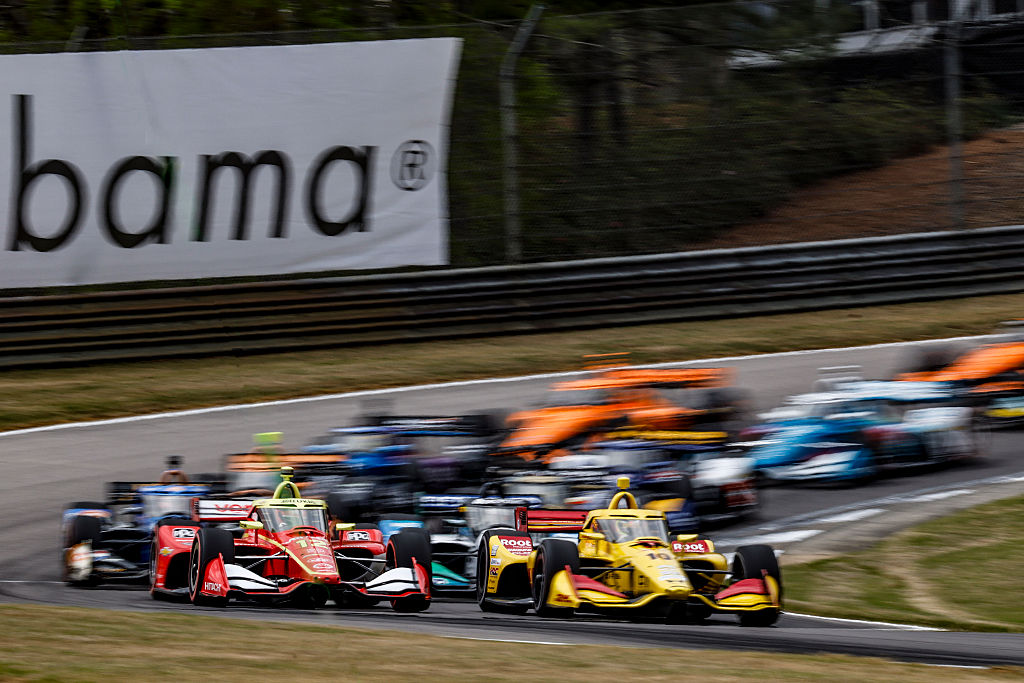
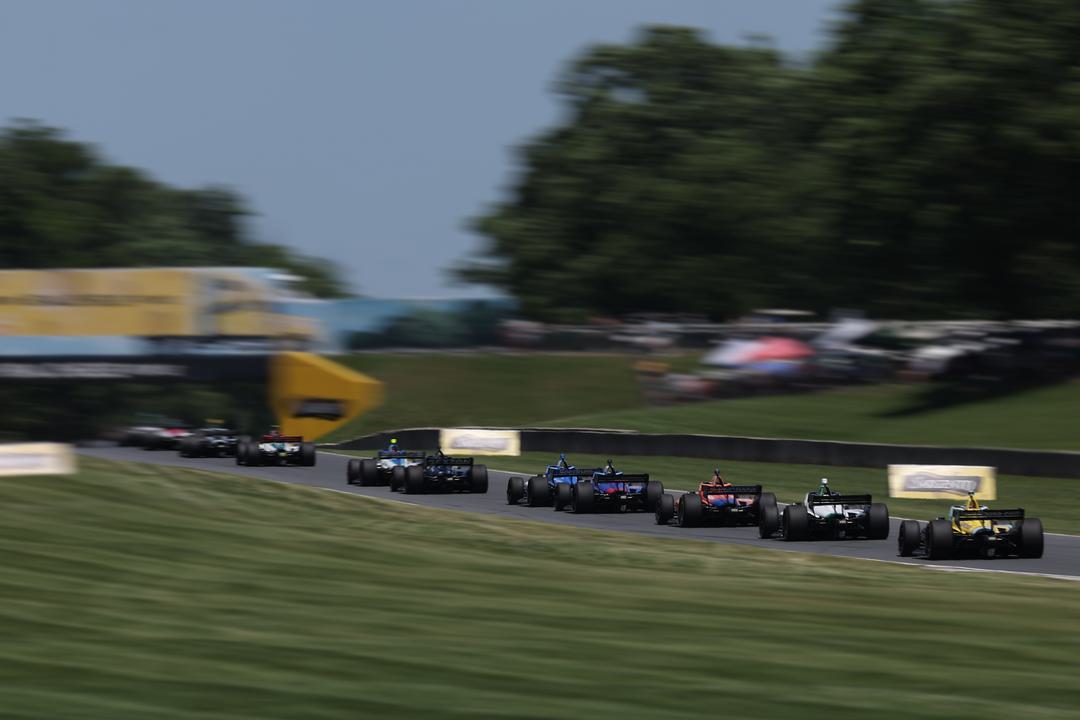
Welcome to the most grueling stretch of the IndyCar season where the hundreds of men and women who comprise the teams, administer the series and drive the cars embark on four consecutive weekends of non-stop action and movement.
It starts with the Honda Indy 200 in Mansfield, Ohio, before moving directly to Newton, Iowa, with the Sukup-sponsored Iowa Speedway doubleheader, then heads north to the Ontario Honda Dealers Indy Toronto in Canada, and closes with a cross country trek to California for the Java House Grand Prix of Monterey. The stretch of five races in four weekends, while often contending with high summer heat and humidity, will take a physical and mental toll for mechanics and truck drivers and safety workers alike.
For the 11 teams, it means one straight month of traveling and racing and traveling again. Like members of a big musical act, they arrive at the site of the show, offload their trailers, set up their command centers, and build out their complex mobile work spaces and their stages on pit lane where they perform for multiple days. Dressed in thick, fireproof apparel while putting on the hours-long grand finale, they pilot the 27 cars, or perform pit stops in a flurry of speed and repetition, or arrive on the scene of stalled machines or crashes and restore order.
And the reward at the show’s conclusion, as the day creeps towards its 10th or 12th hour, is to break down the hundreds of individual items that came out of the trailers and pack everything back into the lumbering containers to start the move towards the next event. But in most cases, teams will return to their shops, offload the cars and some of the support equipment for servicing, fire them back into the transporters, and sprint to the next show where the unloading and setup process starts anew.
With the majority of IndyCar teams located in the Midwest, piling into large vans and spending countless hours sitting shoulder to shoulder with teammates while driving from event to event is common for pit crews. For some, the July 27 close to the month in California might be the only roundtrip flights and moments of individual peace on the schedule.
Andretti Global’s Kyle Kirkwood has nothing but sympathy for the gauntlet that’s about to be run throughout the paddock.
“These guys are going to work their ass off every day for over for three and a half weeks straight,” Kirkwood told RACER. “And those are brutal hours that they have to work. It's not your typical 9-to-5. You're at the track some days at 6am and you don't leave till 8pm and then you wake up the next day and do it all over again.
“It makes for a very hard month for all the guys, and that's just the working. They're taking time away from their family for that period of time. They're not seeing their loved ones for that period of time. Their loved ones are now their other crew members, right, and the team that surrounds them.”
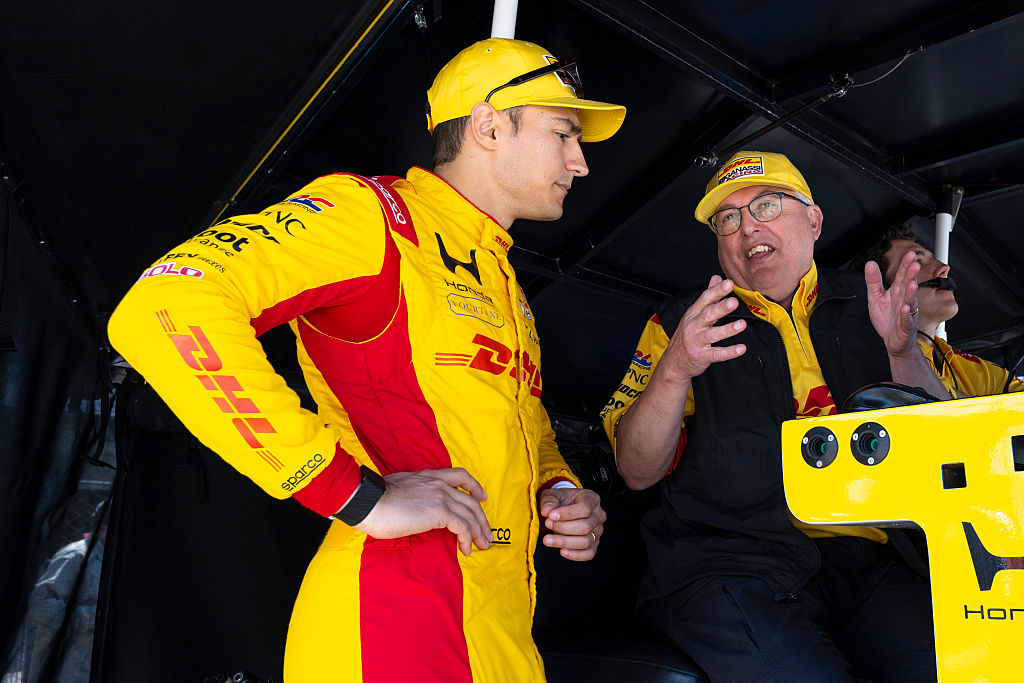
Scott Harner, Arrow McLaren’s director of race operations, looks at the month as a test of endurance – one long event to win by being in the best possible shape at its conclusion – and will rely on Ryan Harber, the team’s head of human performance, health, and wellness, to achieve success with the staff of its three-car program.
“Being out there for three hours in a firesuit, and it's 95 degrees, that's a pretty tough day,” Harner said. “You do that, and then you get to load up the transporter, and keep doing that for one whole month? It’s a lot to ask of anyone. So we have Ryan, who takes care of our performance side of things, from mechanics and crew and everyone else.
“He stays really tuned in with the team as far as hydration goes, stays on top of pushing that all weekend long, and nutrition, and sends out reminders on the WhatsApp group about getting rest and everything else. It's just trying get our people to conserve as much as they can. Obviously, you’ve still got to get the job done and perform on Sunday, but we don’t want people burning themselves out after one or two races.”
The care also extends from the cockpit.
“I sound like their mother sometimes from inside the car,” Meyer Shank Racing’s Felix Rosenqvist said with a laugh. “When we have a race like we just had at Road America when it's 90-plus degrees, it takes two days probably to recover just from the heat and dehydration before you feel really good again, so I’m constantly hammering my crew to drink more water and make sure they're peeing occasionally because if you aren’t, that means you aren’t drinking enough.
“You just don’t want anyone to get heat stroke, which is fairly common. It’s hard work already, man, doing what they do, but we go into a month like what this is by being prepared for it, having a plan for it, which makes it a bit easier. But it’s still tough, weekend to weekend, physically and mentally as well for the crews.”
The emotional toll can be just as significant. Especially for teams who struggle to find speed or have multiple crashes to repair as the series moves from Ohio to Iowa to Canada to California.
“Anything that I can do to keep spirits up is what I’ll do, and obviously, performance is a big thing, right?” Kirkwood said. “When you're doing well, the time seems to fly by a little bit quicker, and it makes it a little bit easier for everybody to want to do the work and continue doing the work. It just keeps spirits high.”
Sitting second in the championship, Kirkwood’s No. 27 Andretti Honda team has been among IndyCar’s strongest entries this season. They also have a formidable opponent in championship leader Alex Palou over the last eight races and a sizable 93-point deficit to overcome – nearly two full races of maximum points – in order to catch the Chip Ganassi Racing driver.
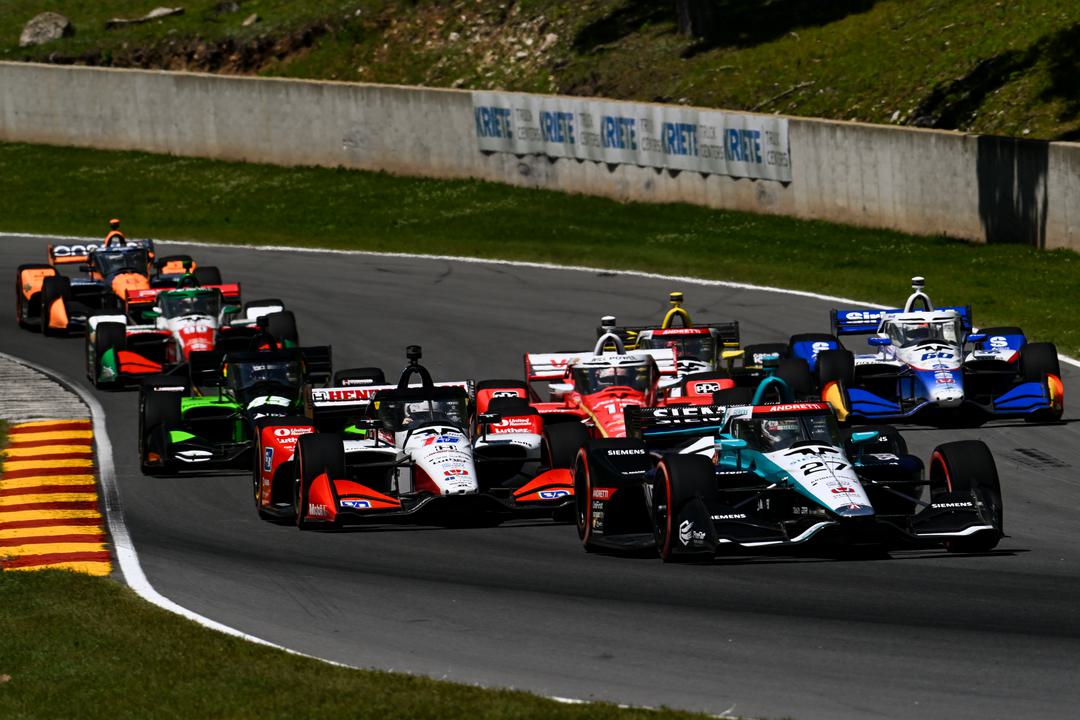
Kirkwood can't afford to be too conservative...but also knows balancing risk vs reward is especially critical during this hectic stretch. James Black/IMS Photo
Playing it safe won’t deliver Kirkwood’s first IndyCar title, and that means he might need to take more risks than desired in an effort to carve into Palou’s lead. It’s here, during a relentless month of July, where championship contenders have a lot to consider when contemplating each pass.
“Protecting the car is big,” Kirkwood noted. “Because, say you crash the car at Mid-Ohio, the first weekend of the four-week stretch, that we're going to have them back at the shop rebuilding the car on Monday morning, and they are going to have to work their ass off through that entire week, longer hours, harder hours, putting things together, probably mentally fatigued as well, and roll right into the next weekend.
“So from my standpoint, I have two jobs, right? It's to make sure that we're competitive, but also protect the car by any means, because we don't want to put ourselves in a unfavorable position to put even more work and more stress on everybody as this month continues. But it's always calculated risk, right? And with calculated risk, we've gotten to the point that we're at now in the championship, and we just need good things to fall our way.
“But that's not something that we can force. So at the same time, if opportunities present themselves, of course you’ve got to go for it, but it's also taking calculated risk and making sure that you still protect the car. Because not only do we have a race next weekend, but when you have three weeks ahead of yourself, because you're looking at a championship in that aspect.”
Dale Coyne Racing team manager Mitch Davis will do everything he can to give the crews with their two-car outfit a chance to recharge between the five races, but knows there won’t be much rest until the ride is over in Monterey. Once the checkered flag waves, teams will pack everything away, send the trucks east, and catch flights home.
There’s a one-week break until it’s time to turn around and go back to the West Coast for Oregon’s BitNile.com Grand Prix of Portland, and if there’s a reward for the upcoming grind, it’s the free weekend following Laguna Seca.
“It's a death march,” Davis said. “But at same time, after Laguna Seca, they're gonna fly back to the shop and work maybe a day, but they'll have that weekend off. My son works at McLaren, and he has a boat. I don't think he got it out last year at all, but he's planning on coming back from Laguna Seca and spending a long weekend on that boat. So it is going to work out this year. It's a death march, but at the same time, everybody's looking for that little hole in the schedule where we can give people some time off before we go racing again.”
Presented by:

Marshall Pruett
The 2026 season marks Marshall Pruett's 40th year working in the sport. In his role today for RACER, Pruett covers open-wheel and sports car racing as a writer, reporter, photographer, and filmmaker. In his previous career, he served as a mechanic, engineer, and team manager in a variety of series, including IndyCar, IMSA, and World Challenge.
Read Marshall Pruett's articles
Latest News
Comments
Comments are disabled until you accept Social Networking Cookies. Update cookie preferences
If the dialog doesn't appear, ad-blockers are often the cause; try disabling yours or see our Social Features Support.