
Paul Hurley/IMS Photo
Teams encouraged by growth in new sponsors at Indy
Something encouraging is on display throughout Gasoline Alley. It’s in the new names and colors featured on an array cars with well-known brands.
“That's what NASCAR is kicking our butts with,” Meyer Shank Racing co-owner Mike Shank told RACER. “They're just killing us with consumer brands all over their cars. So what we’re seeing here this month is a definite step in the right direction.”
For Shank, it’s the signing of Spectrum, the largest cable television provider in the country, as the first-time primary sponsor for the Indy 500 on the No. 66 Honda driven by Marcus Armstrong. For Andretti Global, it’s the first-time primary role taken by Sanofi, makers of the widely used antihistamine Allegra, on the No. 28 Honda driven by 2022 Indy 500 winner Marcus Ericsson, and the primary sponsorship from massive multinational tech company Siemens on the No. 27 Honda piloted by Kyle Kirkwood.
Conor Daly has brought the massive Western U.S. gas station and convenience store chain am/pm to the Indy 500 as his primary on the No. 76 Juncos Hollinger Racing Chevy, and Jacob Abel, despite missing out on making it into the field of 33, delivered the Miller Brewing Company back to the Speedway on his No. 51 Dale Coyne Racing Honda.
More IndyCar
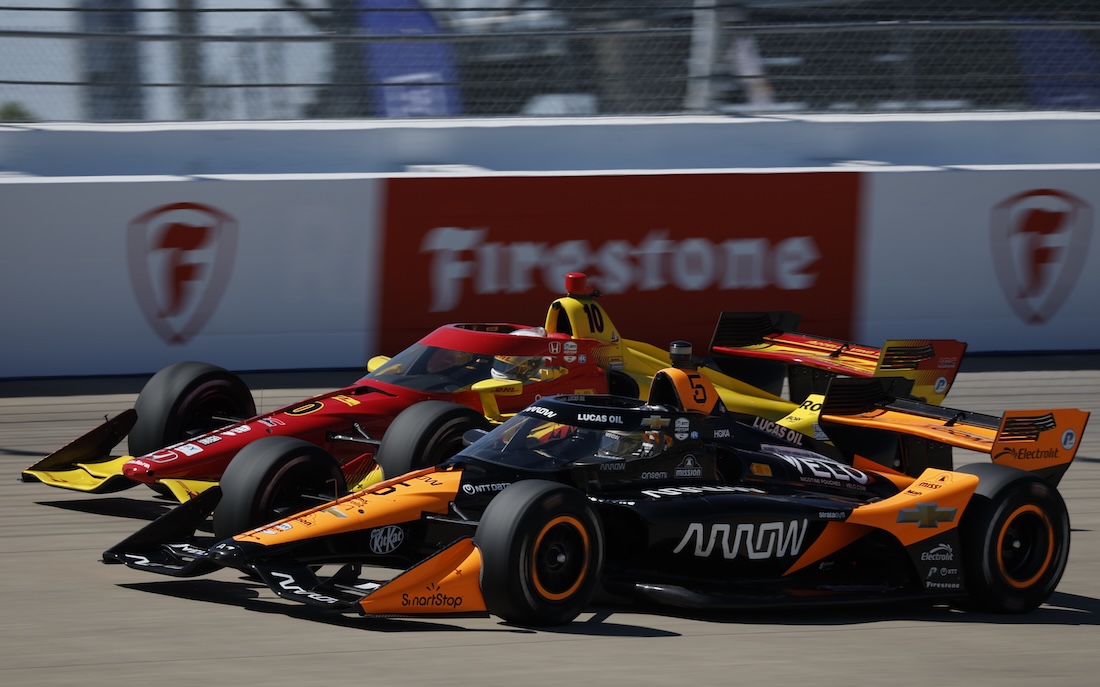

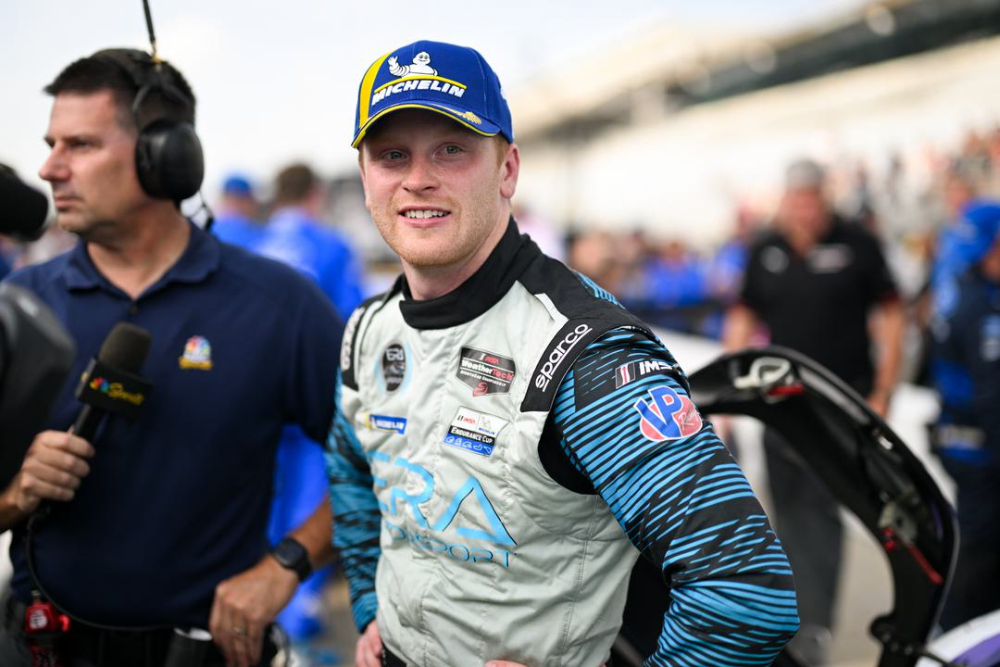
There was a time when large companies used IndyCar as a central part of their marketing plans, and while some continue the tradition, many of the big brands once seen on IndyCar sidepods and adorning drivers’ racing suits have left. In numerous instances, they’ve been replaced by brands involved through business-to-business (B2B) contracts that focus on off-track money-making opportunities created by teams, and less so on using the cars to promote their companies to adoring fans.
In those B2B arrangements, teams host CEOs, CFOs, and CMOs at IndyCar events where the owner of a produce company might strike a deal with a nationwide convenience store to sell their fruit at the checkout counters, and a third owner with a vast trucking company might join in and agree to handle the transportation of the fruit to those stores.
The team profits from taking percentages in each of the three B2B deals, which funds the car for the season, and those companies’ logos are featured on the car. But the heart of the business being done has nothing to do with using IndyCar as a vehicle to market their services or products to fans in the stands or the audience watching at home.
That’s where a welcome growth in national-level sponsors is demonstrating a positive change towards the value seen in IndyCar by major companies wanting exposure to the series’ audience.
“I'm proud of what my guys did with bringing Spectrum into this world of IndyCar,” Shank said. “We feel that it’s really important for people to see us as a team that can take retail products to the to the public here in racing, here in IndyCar.”

"Allegra, it’s not a B2B; it’s a true sponsorship and partnership," Andretti's Edwards says. Matt Fraver/IMS Photo
Rob Edwards was equally enthused to bring large brands to IndyCar’s greatest stage at Indianapolis
“Siemens are the longest serving partner the team has since the late 1990s, so it’s an evolution of that relationship and there’s been a number of discussions about expanding that relationship with other things developing in the empire,” said the Andretti Global COO. “On Allegra, it’s not a B2B; it’s a true sponsorship and partnership.
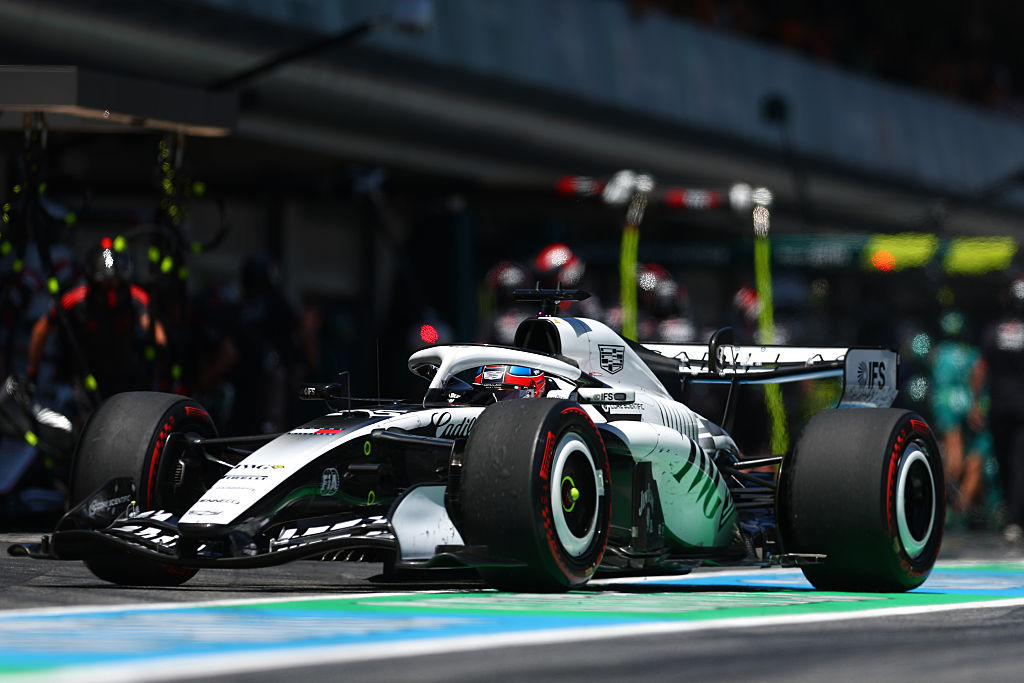
The newfound commercial interest, as Edwards explains, is a byproduct of the Andretti team’s upcoming debut in Formula 1 as the service provider behind the Cadillac F1 program. Through Andretti’s heightened presence in the outreaches to Fortune 100 brands, the IndyCar side has been elevated as a property deserving in corporate support.
“If you look at the bigger picture in our world, it’s opening some of these opportunities with brands,” Edwards added. “A lot of these things are Indy-focused, but if the team and the event is right, you can grow off Indy. This is opening doors.”
For Daly, a chance meeting at April’s Long Beach Grand Prix led to the am/pm relationship and the chance to forge a new and important relationship.
“The gentleman that we first started talking to, his wife, his family was there as fans of mine, and he had asked me if I still needed some sort of sponsorship support,” Daly said. “And I was like, 'Honestly, desperately, yeah.' He then sent me a message on Instagram, ‘Let's get on an email and see what's possible.’ He works on the on the partnership side of ARCO, am/pm, and we said we didn't have a 500 sponsor.
“Obviously, am/pm being West Coast-focused, they would have loved to been with us at Long Beach, but we still have two other West Coast races in Portland and Monterey. This deal came together so fast, and the excitement was there for IndyCar, which I think is really positive for our sport in general. This is a big deal for me – this is not a small-number deal. And we’re looking towards the future as well, to grow it.
“I'm super pumped, because it is a recognizable brand. You as a consumer, can go out and support our partners. There’s over 1000 stores, 1000 locations across six states, that people can literally go and support us. How cool is that?”
Marshall Pruett
The 2026 season marks Marshall Pruett's 40th year working in the sport. In his role today for RACER, Pruett covers open-wheel and sports car racing as a writer, reporter, photographer, and filmmaker. In his previous career, he served as a mechanic, engineer, and team manager in a variety of series, including IndyCar, IMSA, and World Challenge.
Read Marshall Pruett's articles
Latest News
Comments
Comments are disabled until you accept Social Networking Cookies. Update cookie preferences
If the dialog doesn't appear, ad-blockers are often the cause; try disabling yours or see our Social Features Support.