Marshall Pruett photo
IndyCar teams quickly turn to Tuesday's Milwaukee hybrid test
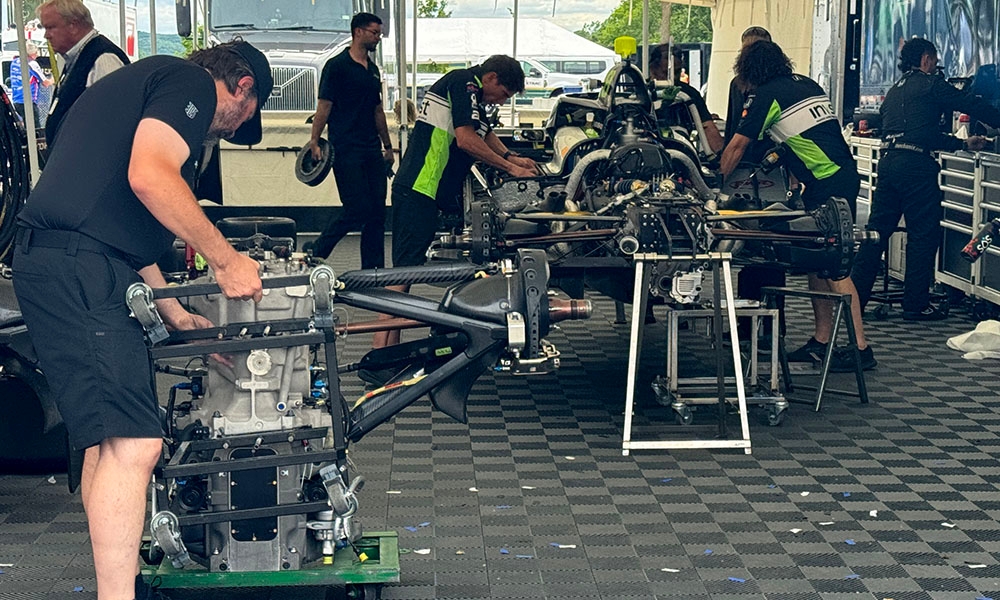
The standard practice after most motor races is to break down the pit equipment and awning, load everything into the transporters, and head home or move onto the next race. For most NTT IndyCar Series teams, the checkered flag waving over Sunday’s late-afternoon race at Road America didn’t signal the end to their days.
With the majority of the field—minus the Chip Ganassi Racing and Juncos Hollinger Racing teams—set to do a hybrid engine test an hour south on Tuesday at the Milwaukee Mile, pit crews pushed their dirty and tired race cars beneath those awnings immediately after the 55-lap race won by Team Penske’s Will Power and began the hybrid conversion process as the sun faded over the paddock.
Replacing the standard bellhousings with the spec hybrid bellhousings designed by Dallara and supplied by Ilmor Engineering was the first task; the spec versions contain the motor generator unit made by Chevrolet and the Energy Storage System made by Honda, plus all of the cooling systems needed to keep the ERS and ESS in the right temperature range.
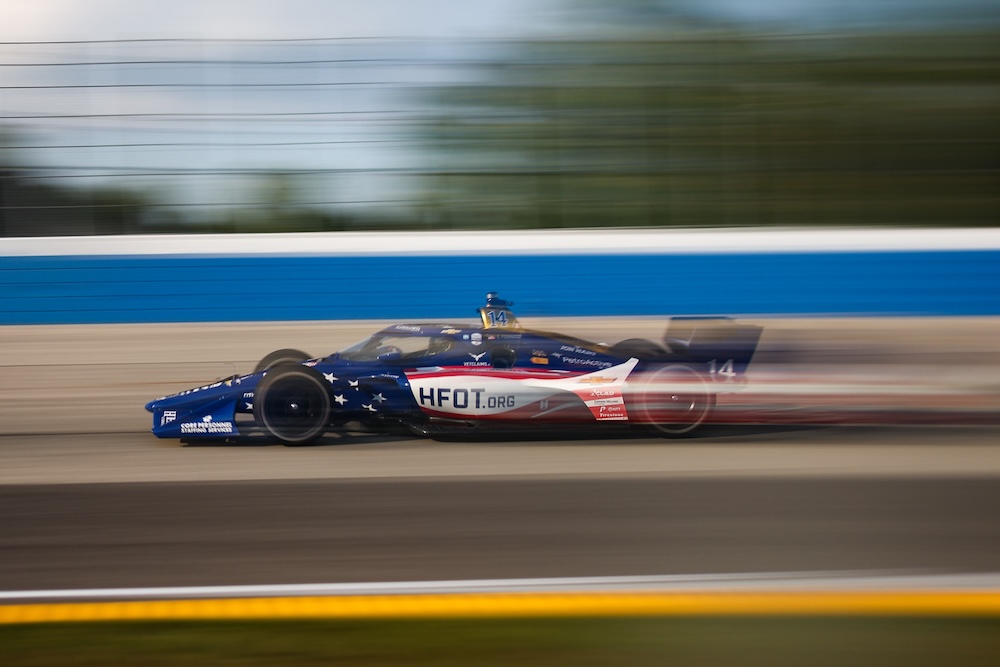
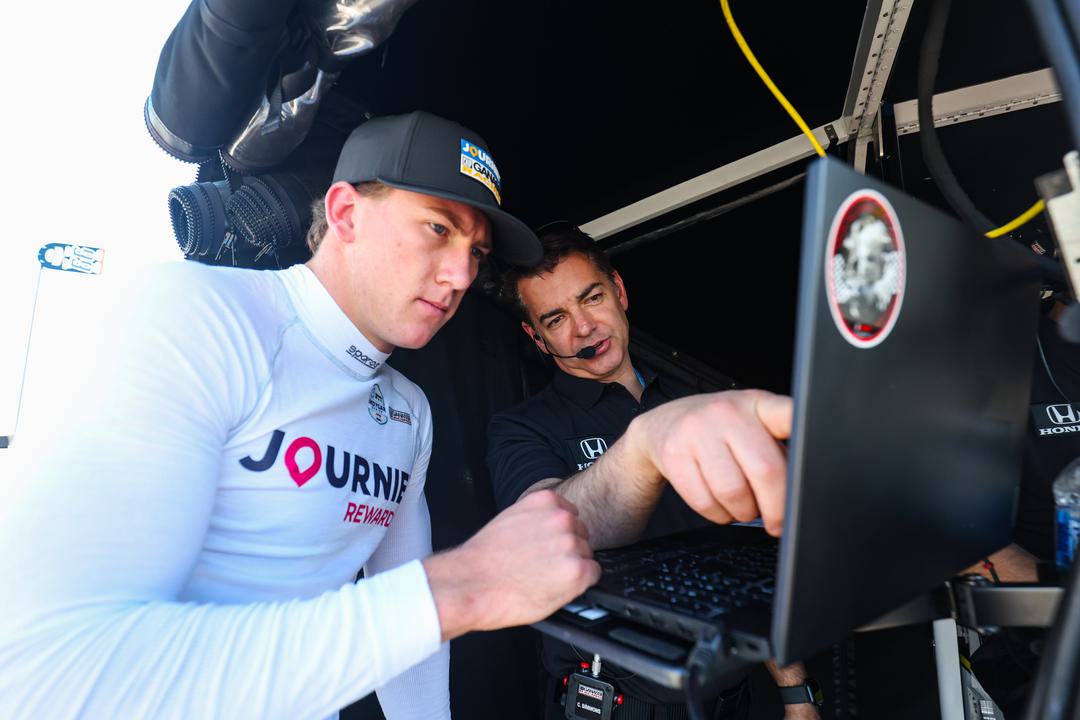
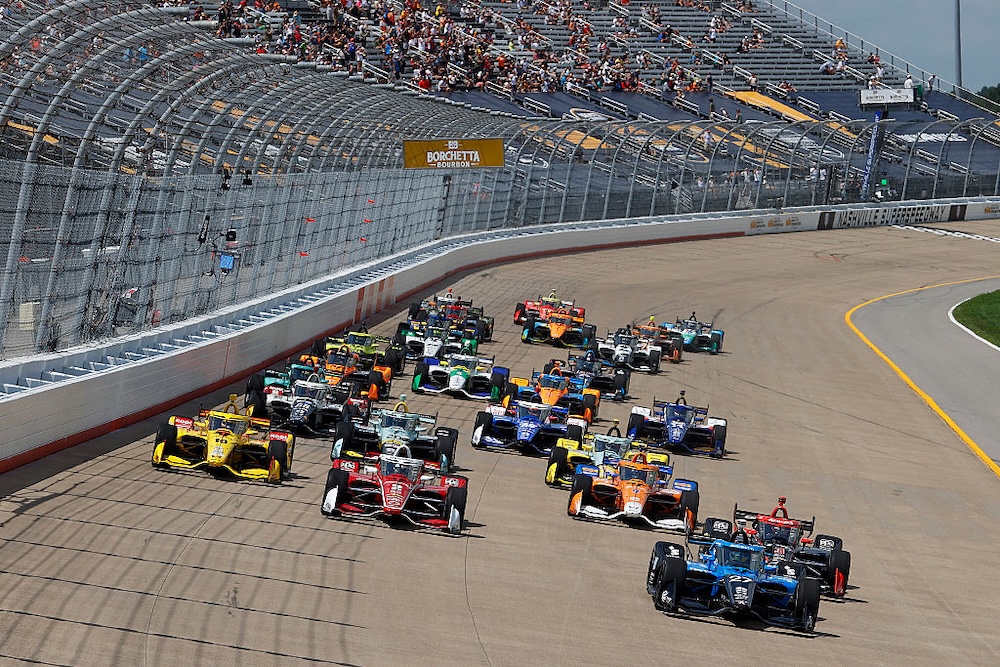
Thankfully, with the short oval aero package being nearly identical to IndyCar’s road course wing package, a full change to speedway bodywork was not required, but bigger brakes to help stop the heavier cars was also on the to-do list before the 8 p.m. curfew arrived.
“End of a long day, but because it's the same aero configuration, it's going to be changing to another gearbox already built for an oval, so slide the gearbox off and put the new one in,” Dale Coyne Racing team manager Mitch Davis told RACER. “Same motor. Different brakes. You have an oval brake package to put on.
“It’s all part of what we do. We'll take the tents down while they're changing the gearbox. We'll roll down there tomorrow, put the cars on the setup pad and then be ready for the test. This isn't as big a deal as building a speedway car and trying to do 240mph. If we had to do that tomorrow, and be at 240mph on Tuesday, that would be a challenge, right? But because it's a short oval, we're gonna run 178mph on the straightaway. It's more like a road course. We're going to be shifting and braking just like we do on a road course.”
Marshall Pruett
The 2026 season marks Marshall Pruett's 40th year working in the sport. In his role today for RACER, Pruett covers open-wheel and sports car racing as a writer, reporter, photographer, and filmmaker. In his previous career, he served as a mechanic, engineer, and team manager in a variety of series, including IndyCar, IMSA, and World Challenge.
Read Marshall Pruett's articles
Latest News
Comments
Comments are disabled until you accept Social Networking Cookies. Update cookie preferences
If the dialog doesn't appear, ad-blockers are often the cause; try disabling yours or see our Social Features Support.