
FIA intervenes to protect drivers with new porpoising limits
The FIA has introduced a new technical directive limiting the amount of porpoising that it deems acceptable for drivers to have to withstand ahead of this weekend’s Canadian Grand Prix.
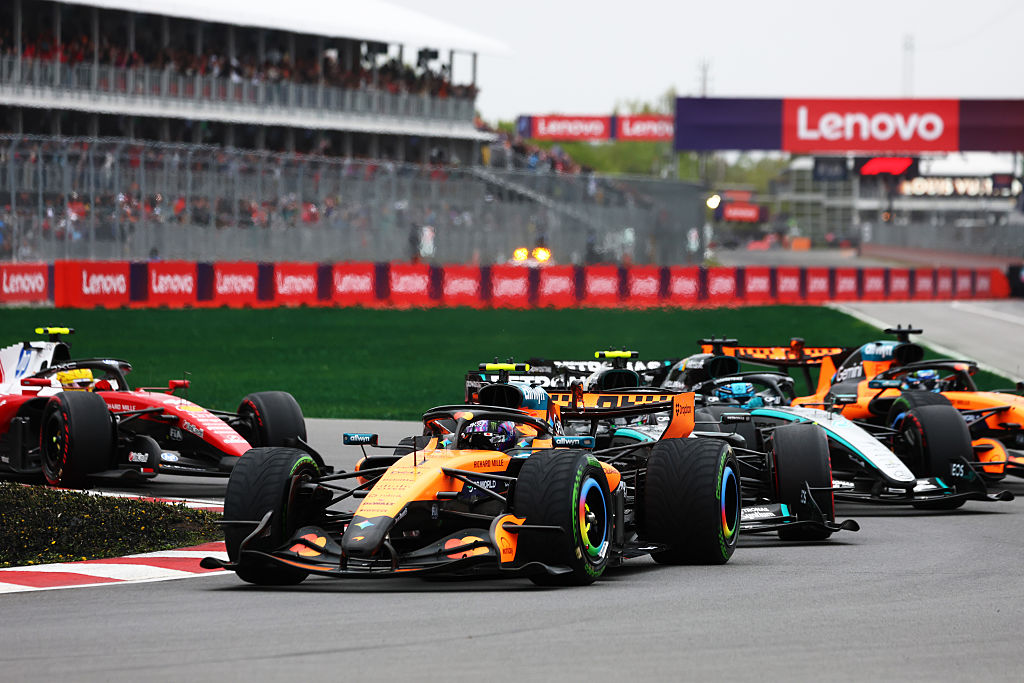
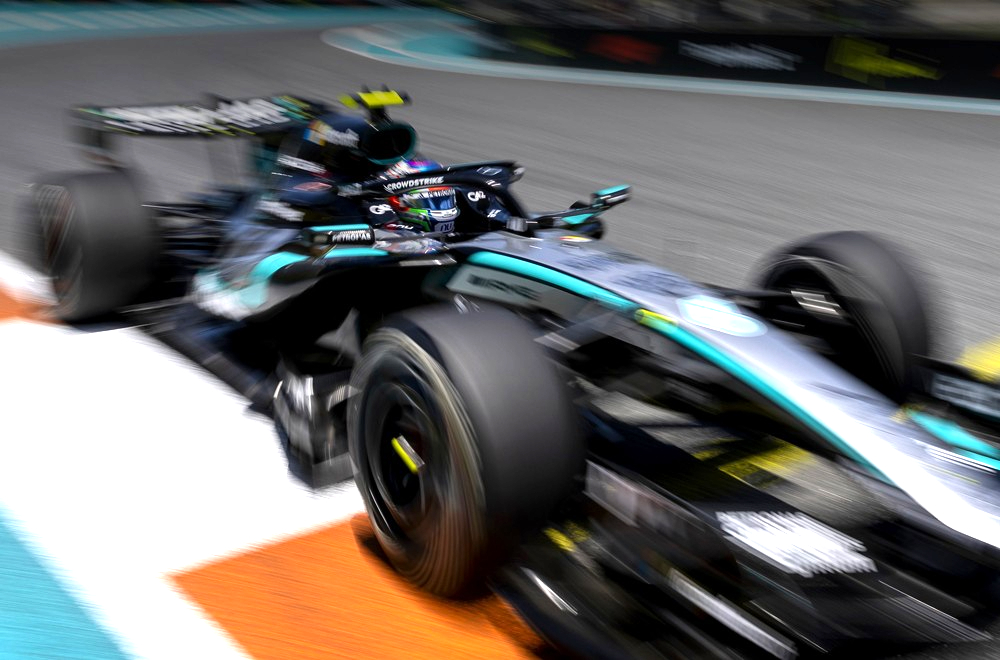
The drivers lobbied the FIA independent of their teams after many were struggling with back pain and discomfort both during and after races due to the phenomenon that would see the 2022 cars porpoising, or bouncing when at high speed. After the issue was particularly evident at the Azerbaijan Grand Prix last week, including Lewis Hamilton complaining of being in pain during the race, the FIA has now stepped in with a technical directive that will force teams to make changes.
“Following the eighth round of this year’s FIA Formula 1 World Championship, during which the phenomenon of aerodynamic oscillations (“porpoising”) of the new generation of Formula 1 cars, and the effect of this during and after the race on the physical condition of the drivers was once again visible, the FIA, as the governing body of the sport, has decided that, in the interests of the safety, it is necessary to intervene to require that the teams make the necessary adjustments to reduce or to eliminate this phenomenon,” the governing body announced.
“A Technical Directive has been issued to give guidance to the teams about the measures the FIA intends to take to tackle the problem.”
The technical directive includes the “closer scrutiny of the planks and skids, both in terms of their design and the observed wear” as well as the definition of a metric “based on the car’s vertical acceleration, that will give a quantitative limit for acceptable level of vertical oscillations.” The F1 teams and the FIA are currently working together to define the exact mathematical formula for that metric.
On top of the immediate requirement to make changes, the FIA says it will organize a technical meeting with the teams to discuss further measures in the medium term to address the issue.
“The FIA has decided to intervene following consultation with its doctors in the interests of safety of the drivers. In a sport where the competitors are routinely driving at speeds in excess of 300km/h, it is considered that all of a driver’s concentration needs to be focused on that task and that excessive fatigue or pain experienced by a driver could have significant consequences should it result in a loss of concentration.
“In addition, the FIA has concerns in relation to the immediate physical impact on the health of the drivers, a number of whom have reported back pain following recent events.”
Teams are likely to be affected by the technical directive to differing degrees, with the likes of Ferrari and Mercedes having been visibly suffering with the phenomenon more than the likes of championship leader Red Bull.
Chris Medland
While studying Sports Journalism at the University of Central Lancashire, Chris managed to talk his way into working at the British Grand Prix in 2008 and was retained for three years before joining ESPN F1 as Assistant Editor. After three further years at ESPN, a spell as F1 Editor at Crash Media Group was followed by the major task of launching F1i.com’s English-language website and running it as Editor. Present at every race since the start of 2014, he has continued building his freelance portfolio, working with international titles. As well as writing for RACER, his broadcast work includes television appearances on F1 TV and as a presenter and reporter on North America's live radio coverage on SiriusXM.
Read Chris Medland's articles
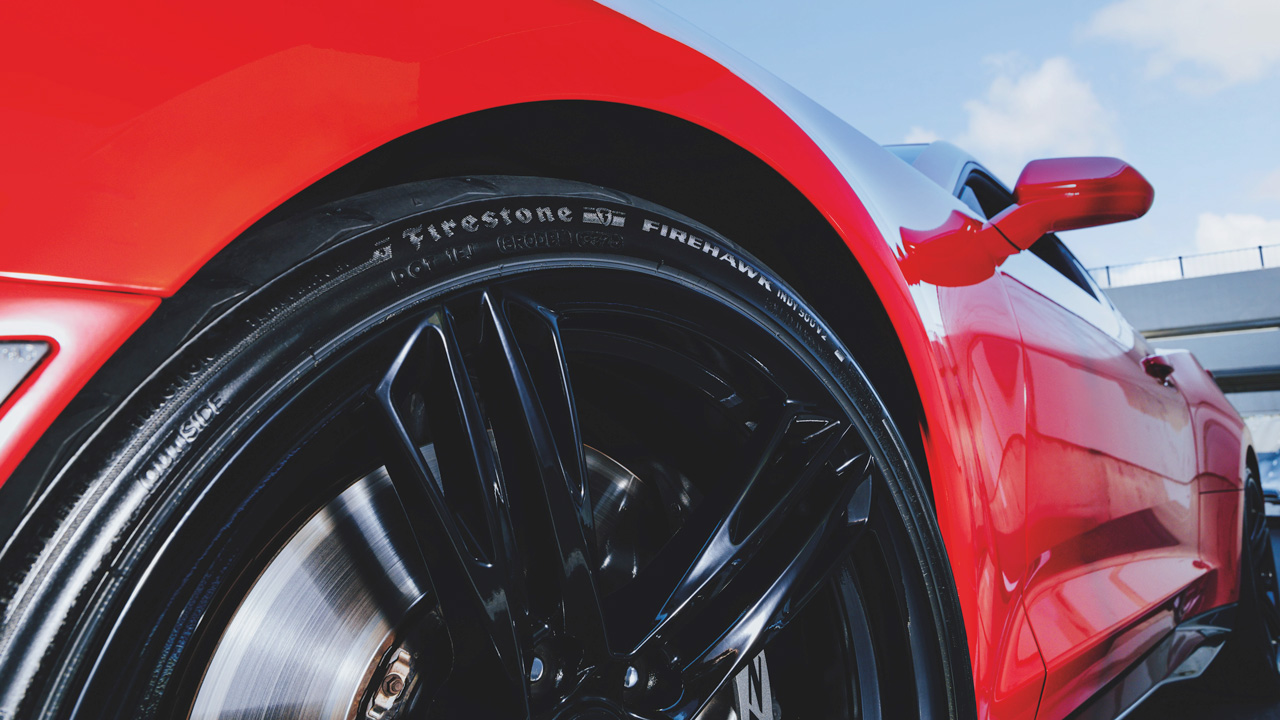
Firestone Firehawk INDY 500 V2: There’s more to it than a name
Latest News
Comments
Comments are disabled until you accept Social Networking Cookies. Update cookie preferences
If the dialog doesn't appear, ad-blockers are often the cause; try disabling yours or see our Social Features Support.