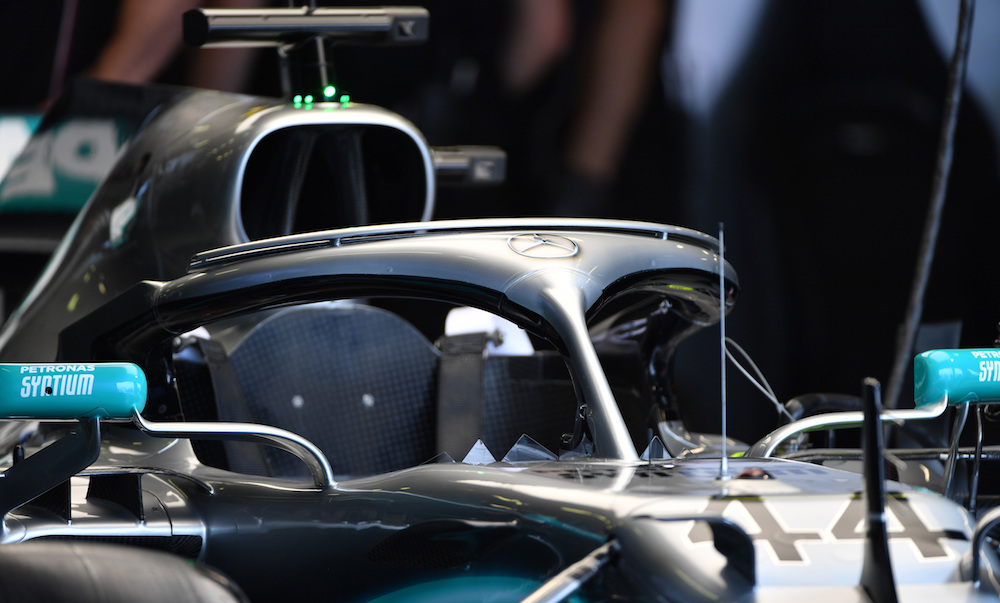
Image by Mark Sutton/Sutton/Images
INSIGHT: A decade that reshaped racing
The popping of champagne corks will signal the arrival of a new decade, and the farewell to one that brought a raft of fundamental shifts to racing. The types of cars that we watch, the sanctioning bodies that govern them, the drivers we cheer for, the systems that keep those drivers safe and even the way we tune in to watch a race have all undergone significant changes in the past 10 years.
Here, RACER's team of writers reflects on some of the biggest changes or events to have touched the sport over the past decade. They're not presented in any particular order, and they weren't chosen so much for their 'bombshell' value as news stories as they were for the impact they had, and for the way they've helped to shape motor racing as it heads into the 2020s.
THE IMS/INDYCAR SALE
Throughout the dark days of The Split, when CART, IRL and Champ Car battled for fans, sponsors, credibility and relevance in the American sporting world, there was always an underlying – if not preposterous – wish for open-wheel racing: What if Roger Penske ran the show?
It seemed a pipe dream, because Mari Hulman George maintained that the Indianapolis Motor Speedway was never going to be sold, and if it that ever changed, it certainly wouldn’t be offered to the man who led the charge against her son, Tony George. Still, if the smartest guy in room owned the room, wouldn’t everyone benefit?
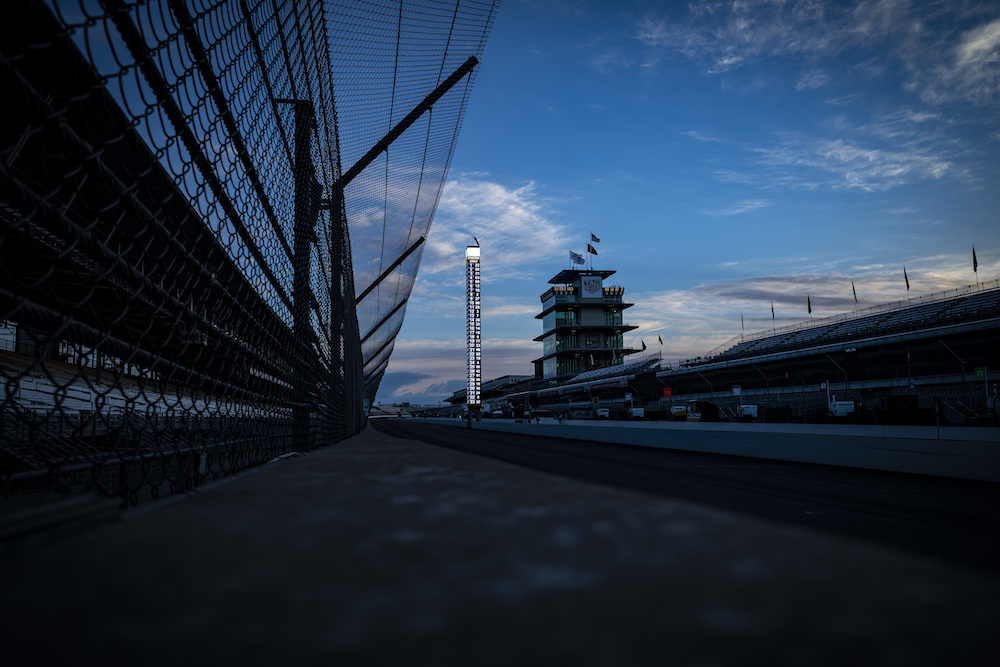
Penske's arrival at the helm marks a new dawn for IMS and IndyCar. Image by Levitt/LAT
We’ll soon find out, because The Captain pulled off the deal of his amazing career by purchasing IMS and IndyCar in November to give American open-wheel racing a stability, professionalism, road map and think tank like it has never possessed.
And the ironic link to this unbelievable stroke of fate was that Tony George brokered it – he told Mark Miles they needed to approach R.P, because he wanted his family's prize possession to be in the best possible hands for the future.
So between Penske’s vision, skilled staff, attention to detail and ability to negotiate in board rooms all over the planet, it’s only a matter of time before IMS and IndyCar have a third engine manufacturer, more revenue streams and a plan to raise its profile to where it should have been decades ago.
– Robin Miller
GRAND-AM + ALMS = IMSA
Seven years before the sport was stunned by the news of Roger Penske’s purchase of IndyCar and IMS, the sale of the American Le Mans Series to its bitter rival, Grand-Am, sent shockwaves through the global endurance racing world. Like Penske’s acquisition, the bombshell merger news that broke over the Baltimore Grand Prix weekend in 2012 is something we never thought would happen.
It was, at the time, rightly presented as the best of both series coming together under one expansive roof as IMSA, a powerful name missing from the sport for two decades, was resuscitated to house ALMS and Grand-Am teams in the new-for-2014 TUDOR United SportsCar Championship.
What emerged with the NASCAR-owned property held immense promise as four classes of racing debuted at the Rolex 24 At Daytona. All the signature events from the ALMS and Grand-Am calendars were consolidated into a single schedule that packed Sebring, Long Beach, Road America, Road Atlanta, VIR, Lime Rock, Laguna Seca, Mosport, and more into the inaugural TUSCC campaign.
Former warring factions embraced the united concept, which was a rarity in North American sports car racing, and as it readies to embark on its seventh season, a stable calendar has become a fixture for the WeatherTech Championship. A custom prototype class of its own making DPi, has been a point of pride, and last year’s move to NBC Sports marked another improvement for the series founded by Jim France and John and Peggy Bishop.
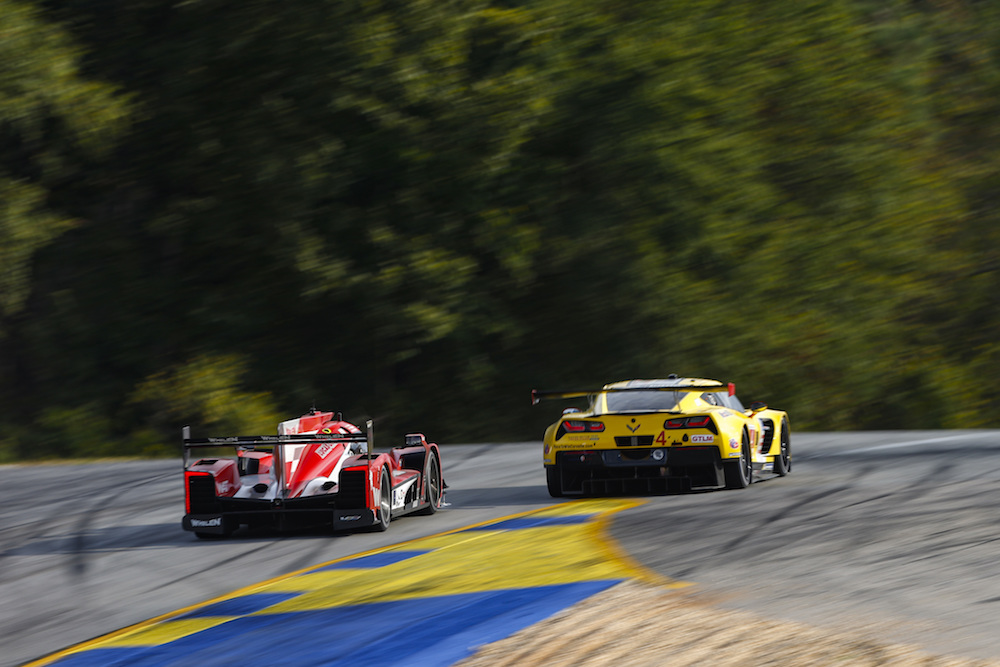
Seven years in, the current IMSA era has brought stability to U.S. sports car racing. Image by Galstad/LAT
As the series heads into its second decade, the subjects of cost containment, grid size, and converging prototype rules with the French ACO and FIA WEC organizations will dominate its planning sessions.
A year-to-year drop from 47 cars at the 2019 Rolex 24 At Daytona to 40 for the 2020 season opener cannot be dismissed as a fluke. The price of a full-season DPi budget is equal to a full-season IndyCar program; the cost of IMSA’s entry-level GT Daytona class would cover a half-season in IndyCar, which is worrying.
– Marshall Pruett
LIBERTY TAKES OVER F1
Bernie Ecclestone had been so intrinsically linked to Formula 1 that some feared the whole sport would fall apart once he was removed from his position. But in Liberty Media, a new, fan-focused approach has been taken alongside a more collaborative working relationship with the FIA.
Has it been perfect? Not at all, but then there were so many areas Liberty could make changes that it was always going to be a bit hit and miss. Major regulation changes for 2021 have been confirmed – including a crucial cost cap that was never achieved under Ecclestone – and the sport has simply become more open to new ideas.
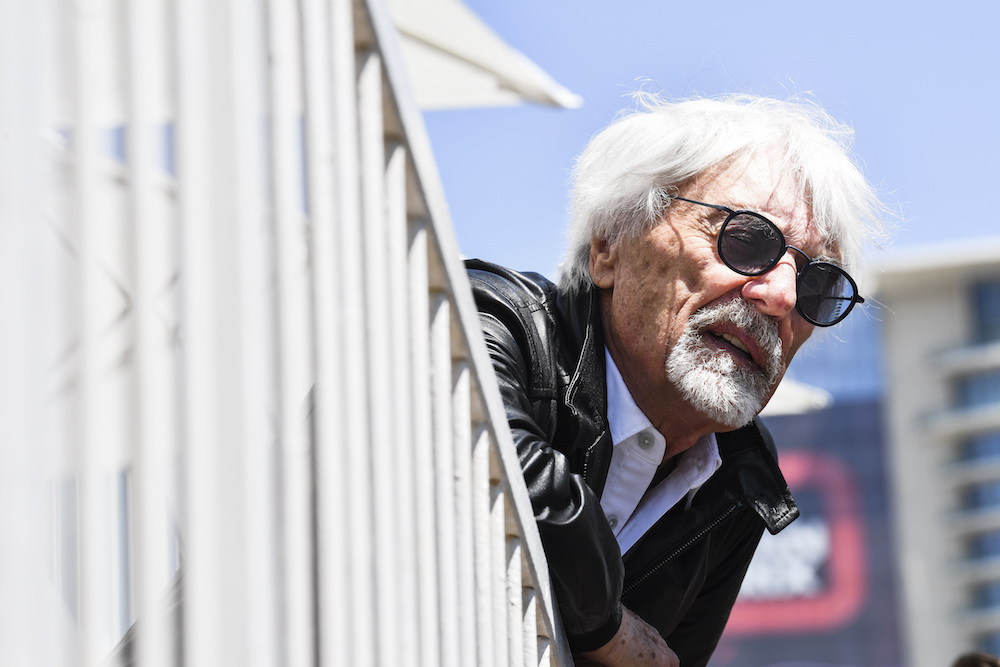
Not even Bernie's sure what a Chairman Emiritus – his new F1 job title – actually does, but it has afforded him the time to grow a beard. Image by Mark Sutton/Sutton Images
The signs are positive, with a focus on the massively underexploited U.S. market not coming to the detriment of new races elsewhere, and historic venues being protected. There are still big hurdles ahead - specifically with the first commercial agreements post-Bernie - but so far the show rolls on with growing attendances and fresh momentum.
– Chris Medland
NASCAR ADOPTS AN ELIMINATION FORMAT
Former NASCAR CEO and Chairman Brian France wanted his sport to resemble all the other mainstream ones with a playoff system, which he implemented in 2004. But the next step toward making NASCAR just like any other sport came with the tweaks announced prior to the ’14 season with the addition of elimination races.
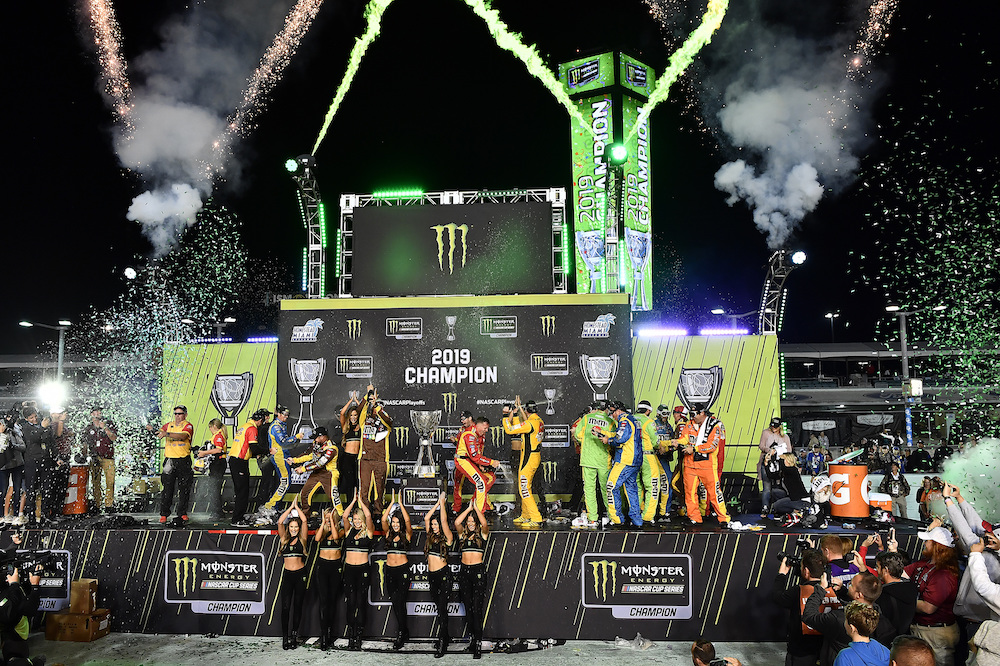
If you want to shine in NASCAR, you need to be ready to grind out the post-season. Image by Jarrett/LAT
Over the course of the final 10 weeks of the season, the championship consists of three-race segments. Drivers are progressively eliminated until only four are left for a showdown in a winner-take-all finale. France was looking for can’t-miss action late in the season while also craving constant Game 7 moments. The system has largely been embraced by drivers for both its fan-friendliness and its capacity to deliver drama.
– Kelly Crandall
THE DW12
From ugly to somewhat beautiful. From bog slow to rather fast. From moderately unsafe to an unabashed lifesaver. Has any other race car gone through greater depths of hatred to higher heights of love than Dallara’s DW12?
Throughout its lifespan, which began back in 2012, the Italian open-wheel chassis has been IndyCar’s utility knife as countless bodywork changes, suspension upgrades, and safety improvements have been performed on the original model.
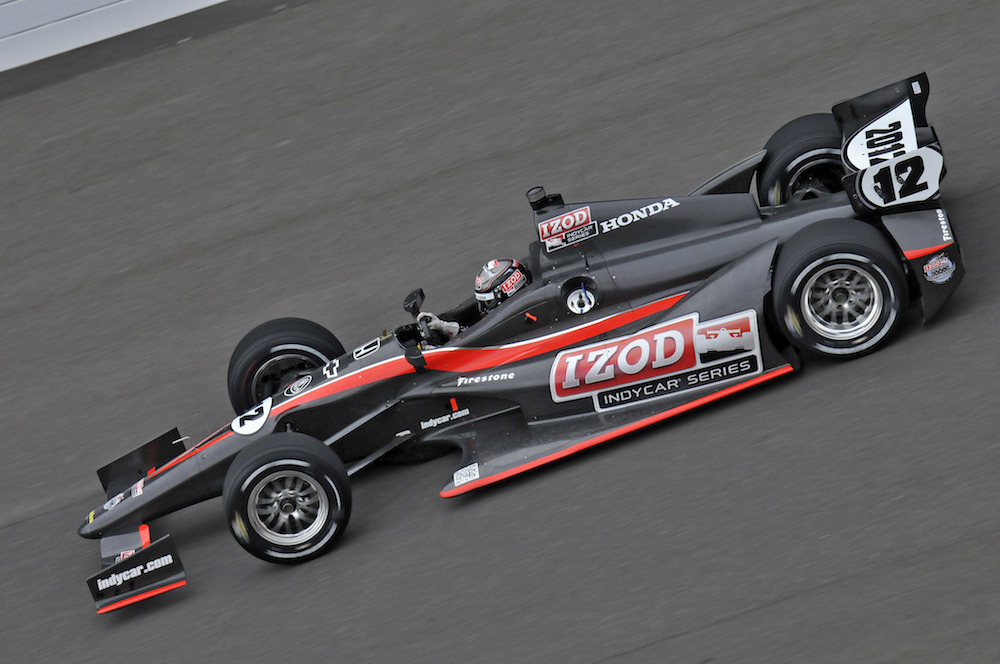
The DW12 has come a long way since Dan Wheldon put the development version through its paces in 2011. Image by Kuhn/LAT
It understeered like a pig due to excessive rearward weight bias, and that was partially resolved. The sidewalls of the carbon-fiber tub pushed inwards in a pair of heavy 2012 crashes, injuring multiple drivers, and was addressed in a post-season reinforcement initiative. Single- and twin-turbo plumbing was accommodated until dual turbos became the norm in 2014. Spec bodywork gave way to high-downforce manufacturer aero kits in 2015. Centerline wickers, large holes in the massive floors, flaps atop the diffusers, and other anti-takeoff modifications were made when three cars took flight in practice for the 2015 Indy 500. More anti-intrusion cladding was added in the off-season after James Hinchcliffe was speared through the bum by a piece of suspension in a different 2015 Indy crash. Rear wheel guards, aka ‘Kardashians,’ and the suspension-bending manufacturer kits were ditched in favor of 2018’s Universal Aero Kit, which also changed the fundamental look of the DW12 by eliminating the overhead air intake. DW12 tubs were sent back yet again ahead of the 2019 Indy 500 to have mounting points installed in the dash bulkhead to hold the new Advanced Frontal Protection device, and the routine is currently under way as teams dispatch their cars for new mounting points to accept 2020’s aeroscreen and halo system.
All of this, and more I’ve surely forgotten, with the same base IR12 model Dan Wheldon started testing at Mid-Ohio in August of 2011. Talk about staying power.
Hell, the DW12 even turned laps with Lotus engines in its first season…remember that catastrophe?
– Marshall Pruett
THE RISE – AND IMPLOSION – OF HYBRID LMP1s
One thing sports car racing does better than any other form of racing is maximizing its booms and busts, and boy did it reach a new peak with LMP1 Hybrids before it came crashing down.
Unchecked budgets allowed Audi, Porsche, and Toyota to rival mid-field Formula 1 teams with annual expenditures reaching into the hundreds of millions to develop, build, and compete with the most advanced race cars on the planet.
Breaking cover in 2012 with Audi’s R18 e-tron quattro and Toyota’s TS030 Hybrid, the new formula pitted the German turbodiesel V6 with a modest boost from its kinetic energy recovery flywheel system against the Japanese V8 in naturally-aspirated form with a more robust punch from its super capacitor-based KERS unit. Both cars, charging and deploying power through the front wheels, gave the 24 Hours of Le Mans and the new FIA World Endurance championship their first all-wheel-drive LMP1s, and even with the relatively low-power KERS units of 2012, the R18s and TS030s exploded off the corners like dragsters.
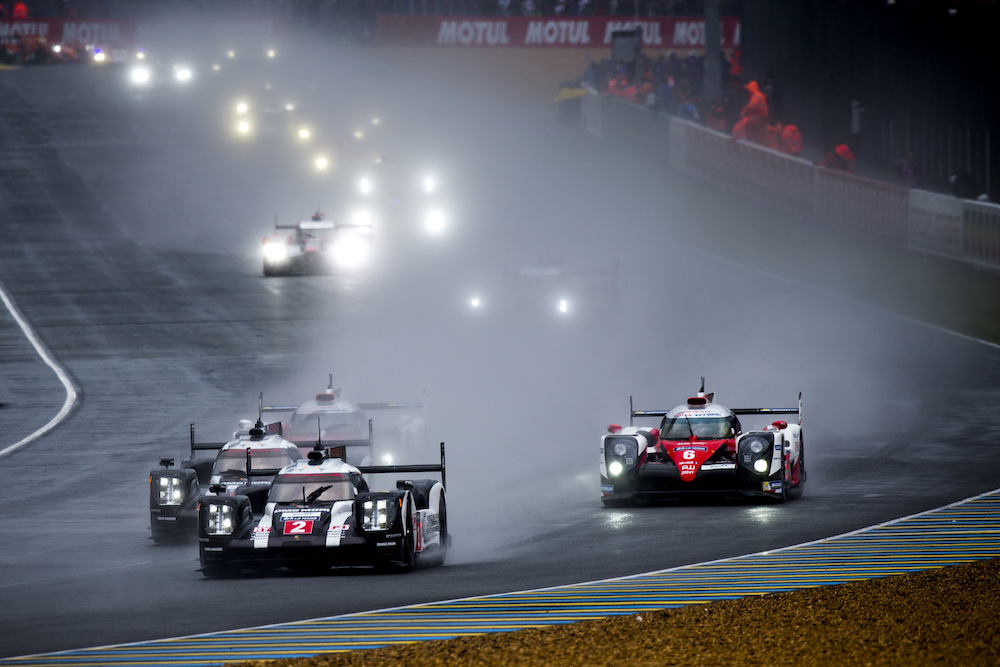
Everything about LMP1 Hybrids is eye-watering – including the cost, which is why the cars have almost priced themselves out of existence. Image by Mauger/LAT
Porsche’s arrival in 2014 took the state of LMP1 Hybrid art to a new plateau as its tiny four-cylinder single-turbo engine was dwarfed by two separate KERS systems; one charging its battery with exhaust heat, and the other though a more traditional front axle installation.
For the three-year period from 2014-2016 where all three manufacturers went head-to-head, the glory was undeniable as insane speeds and acceleration became the norm. Combined, each combustion engine+KERS solution generated over 1000hp, with the number creeping towards 1200hp when the rules allowed 8 megajoules of energy to be stored and released.
The unbridled fun came to an end after Audi announced its withdrawal following Le Mans in 2016 as its parent company, the Volkswagen Audi Group, reeled from its diesel emissions cheating scandal that soured the notion of competing with diesel-powered prototypes. Porsche, also a VAG property, stayed through 2017 and left with its third straight Le Mans victory, and by 2018, having suffered decades of heartbreak at the 24-hour event, Toyota sauntered into Victory Lane as the lone LMP1 Hybrid left in the once-proud class.
It was never going to last, but like other prototype eras where crazy ideas and crazier spending was accepted, there was nothing like the sights and sounds of the earthbound missiles that ruled the sport.
– Marshall Pruett
THE DANICA FACTOR
When Danica Patrick left IndyCar for NASCAR in 2012, it was a calculated business decision driven by supply and demand that had more to do with the bottom line than changing careers.
It was a monster story, because IndyCar lost its marquee name and NASCAR acquired the missing piece to its marketing puzzle – Patrick brought along fans, sponsors, national television shows, mainstream magazine coverage and a buzz that had King Richard scratching his head.
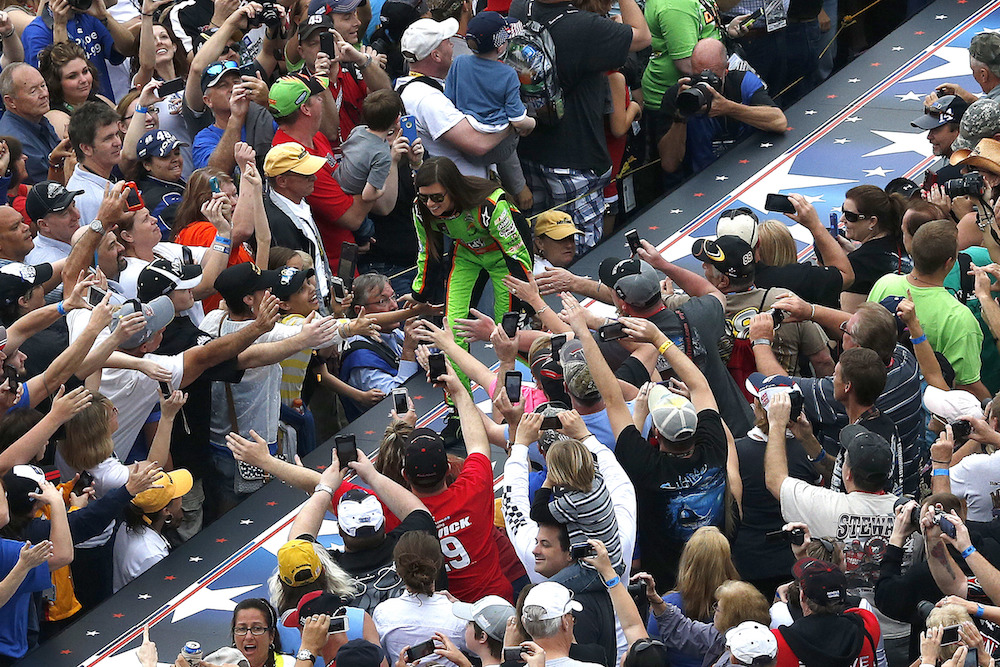
Patrick's fame transcended the sport. Image by Levitt/LAT
There were two merchandise trailers at every Cup race and packed lines behind the three cash registers in each as the GoDaddy girl swamped everyone on the grid except Little E in T-shirt sales.
And when she won the pole position for the 2013 Daytona 500 the hype levels hit a high not seen since. Yes, she had some good runs in a few restrictor plate races, but never got a sniff of victory lane and retired from full-time racing in 2017. But she had brought NASCAR into the mainstream and made a fortune in the process, so it was a victory lap for both.
More significant than her results or her paycheck though, she reached a level of fame beyond the boundaries of the paddock and took racing to the mainstream in a way that might not be seen again for a generation – or longer.
– Robin Miller
THE DIGITAL MAKEOVER
One area that F1 appeared to be behind the times under Ecclestone was regarding its self-promotion: Bernie was more willing to talk the sport down rather than spread the word. Since he couldn’t work out how to monetize social media, Ecclestone all but ignored it, and hamstrung teams and partners at the same time.
Liberty changed all that, with major investment in F1’s digital team and fresh social media guidelines for stakeholders. Now teams, promoters and even print and online media have greater freedom to try and tell the story of the sport, and the F1 social media channels have experienced massive growth due to the addition of a live post-race Twitter show and wide-ranging video content created in-house for both free and paid-for use. The latter is largely available to broadcasters, and although it has put a few noses out of joint, it also shows what is possible and encourages a greater standard of coverage overall.
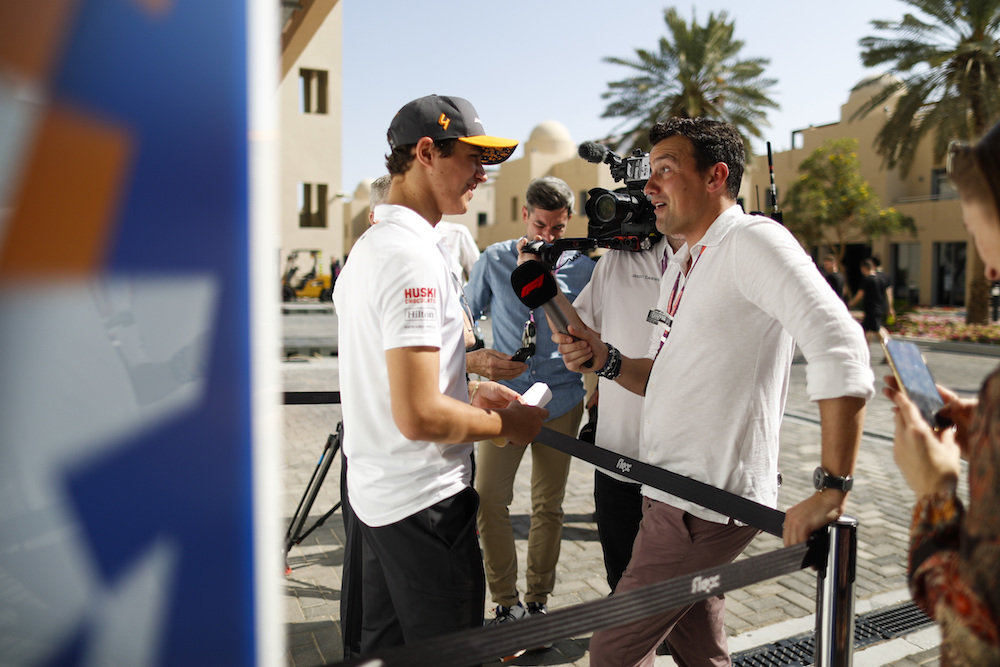
Ex RACER-ite Will Buxton is part of FOM's broadcast team, which was revamped after the arrival of Liberty Media. Image by Mauger/LAT
The addition of F1TV has not been a resounding success given glitches and errors alongside the limited number of countries it is available, but it allows picture-in-picture broadcasting, specific onboard and carries bespoke commentary.
– Chris Medland
FORMULA E
The all-electric championship still divides opinion, but it merits inclusion for a couple of reasons. The first is simple staying power: ‘open-wheel racing with a twist’ has been tricky territory in recent years. Formula E has defied some expectations simply by surviving to its sixth season, never mind the fact that it still appears to be on an upward trajectory.
Its ongoing rise is due in part to a rush of manufacturer involvement – the upcoming season will include Audi, Porsche, Nissan, Mercedes-Benz, BMW and Jaguar, some of which cancelled well-established racing programs elsewhere to take part. Never mind Porsche and Le Mans; what odds could you have gotten three or four years ago on Mercedes ditching the DTM to go and race little electric single-seaters?
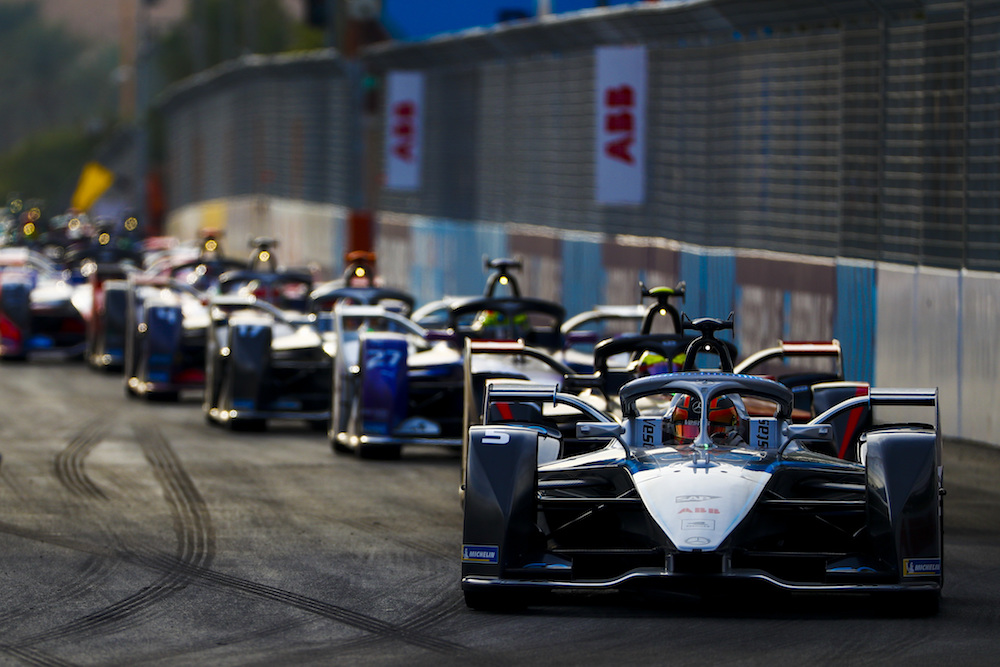
On a charge. (Get it?)Image by Bloxham/LAT
But FE is also significant for what it symbolizes, which is the global debate over the future of the automobile. In the second half of the previous decade, diesel power at Le Mans was cutting-edge, and F1 was just starting to play with ways to harvest wasted energy through its KERS development. As we stand now, hybrid power is mainstream (and might even start to feel archaic by the time IndyCar gets around to incorporating it in 2022), and all-electric vehicles are becoming more viable as day-to-day transport. That’s reflected in the racing world too, where FE has introduced an all-electric Jaguar I-Pace eTrophy support series, and is preparing to spawn an all-electric off-road spin-off championship.
Motorsport has long been a proving ground for technology, and regardless of where you stand on FE and electric vehicles in general, Formula E is tapping into a rich tradition in that regard.
– Mark Glendenning
CHANGING OF THE GUARD AT NASCAR
Brian France was at the forefront of many significant decisions that NASCAR experienced over the years, from overseeing the transition from R.J. Reynolds (Winston) to implementing a playoff system and landing multimillion-dollar television contracts.
On Aug. 5, 2018 France became the sole reason NASCAR was forced to shift into a new direction. France was arrested in Sag Harbor Village, New York, for aggravated driving while intoxicated and criminal possession of a controlled substance. He later pleaded guilty to the DWI charge.
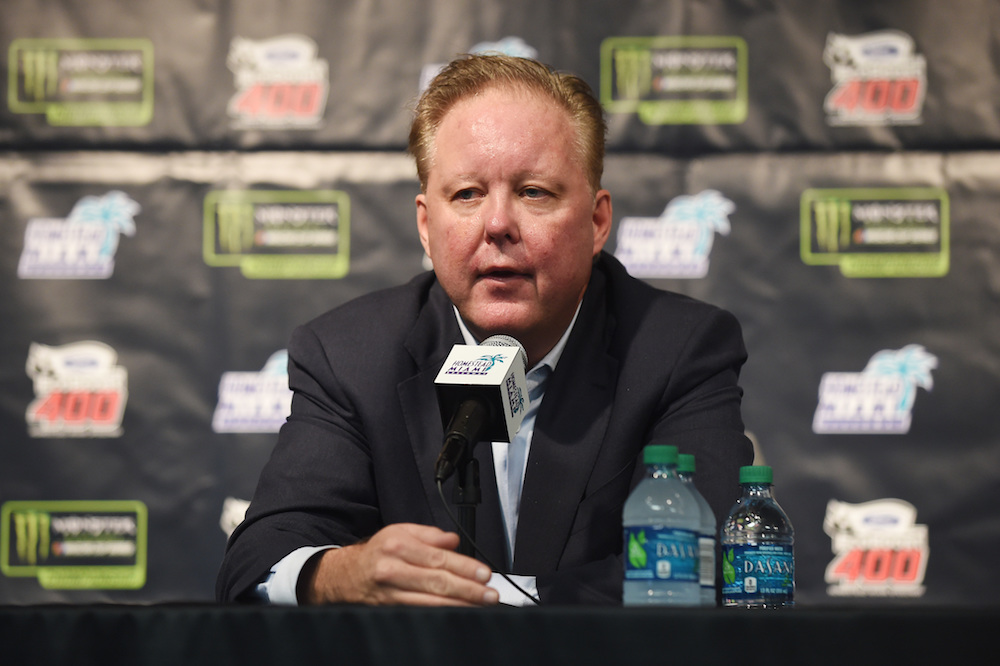
Brian France's departure from NASCAR was sudden, but the series continues to move forward under his uncle Jim. Image by Rainier Ehrhardt/LAT
Jim France, Brian’s uncle and one of the sons of NASCAR founder Bill France Sr., took the reins. Over time it became clear that NASCAR was moving on from Brian, and Jim, who had always quietly been in the background, quietly became the permanent CEO and Chairman of NASCAR.
Under France’s leadership the past year groundwork has been laid for the future. Officials are hard at work to debut a new car in 2021 while also announcing two mergers. NASCAR acquired the ARCA Racing Series in April of ’18 and have since merged ARCA and the two K&N Pro Series tours. In October of this year, NASCAR closed its acquisition with International Speedway Corporation (ISC), moving from a public to private company. France has also overseen the NASCAR Cup Series transition into a new sponsorship model.
– Kelly Crandall
THE LEWIS ERA
2010 started with Michael Schumacher returning to F1 and Lewis Hamilton and Sebastian Vettel with just one championship between them. Hamilton always had the potential to be F1’s next global superstar, and while he quickly delivered on that he didn’t have the championships to go with it.
Mercedes’ return needs to be included as one of the key moments, with Brawn’s future being secured after the fairytale 2009 season, and Schumacher playing a role in putting the foundations in place for future success.
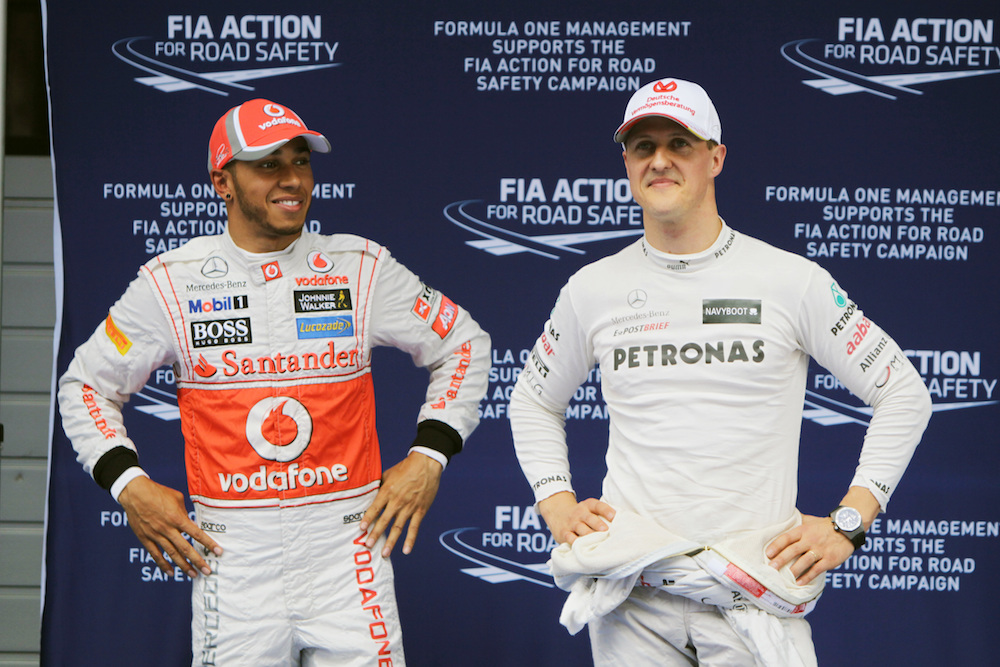
Michael Schumacher's records seemed untouchable a decade ago. Not anymore. Image by LAT
Hamilton gambled to an extent when he left McLaren for Mercedes in 2013, but it afforded him the freedom and platform to continue his personal growth. What was perhaps more unforeseen was the relentless development as a driver that led him to rack up multiple championships and learn from the disappointment of 2016 to produce dominant performances across the past three seasons.
At the start of the decade, Schumacher’s records looked untouchable. By the end of it, it appears inevitable that Hamilton will surpass them.
– Chris Medland
THE HALO EFFECT
Formula 1 car designs often inspire strong opinions, since aesthetics play such a major part in the sport’s appeal. So when the Halo was introduced in order to provide additional head protection for drivers, there was a huge amount of criticism.
There is still no getting away from the fact that it is an ugly addition, but the cockpit protection device has already gone a long way towards saving lives in F1 and support categories. Charles Leclerc was grateful for it after the heavy first corner crash at Spa in 2018 that saw Fernando Alonso launched over his head, while the tragic F2 crash at the same circuit this year could have been even worse but for the Halo deflecting a big piece of debris away from Sean Gelael’s head.
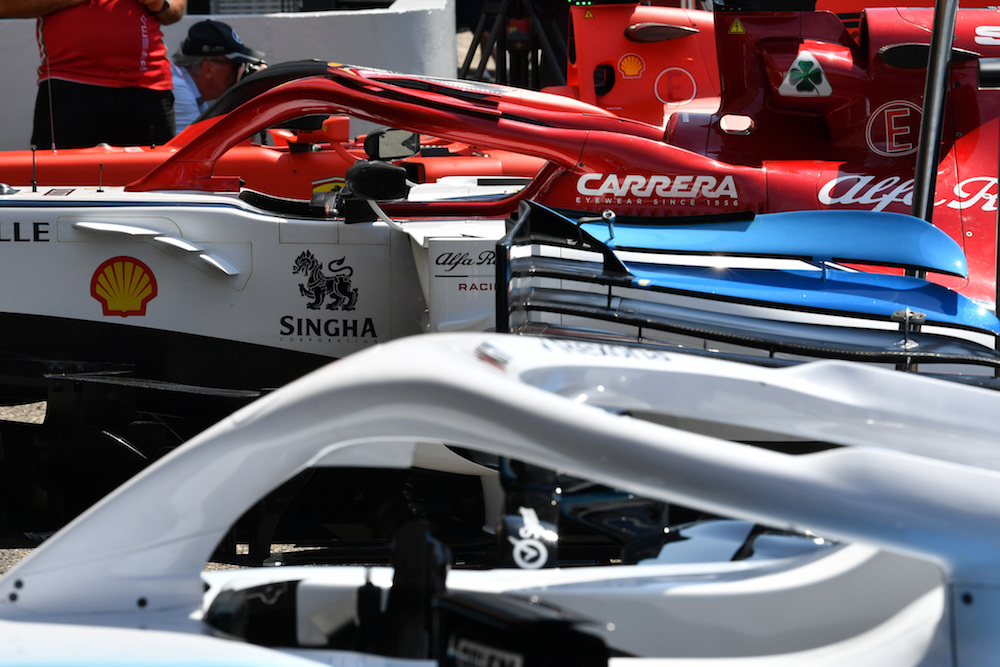
You wouldn't have seen those on a Ferrari 312T. But you'd have less change of getting hurt if something went awry. Image by Mark Sutton/Sutton Images
Terrifying incidents for both Simo Laaksonen and Alex Peroni in F3 all occurred over the next seven days but thankfully saw the drivers protected by Halo, as its impact was felt throughout single-seater categories.
Its visual appearance is still being worked on - 2019 was better than the previous year and the 2021 designs are much more integrated - but given the influence it has also had on the upcoming IndyCar Aeroscreen, it has been a crucial step in driver safety.
– Chris Medland
ROAD RACING’S REBIRTH
Road racing really didn’t have much a future on the IndyCar schedule back in 2010. Oh sure, ‘ol reliable Mid-Ohio was stable and popular, but there were bigger crowds at swap meets than Watkins Glen and Sonoma.
But then a crazy thing happened. Barber Motorsports Park, a track built for motorcycles and located squarely in NASCAR’s heartland only 40 miles from Talladega, proposed hosting an IndyCar race in 2011.
Road America, one of the last great bastions of road racing in this country, had been off the schedule since unification in 2008, but agreed to bring IndyCar back in 2015 provided it ran in June and started in early afternoon.
Portland’s popularity was boomed in CART’s heydays in the ‘80s and ‘90s, but it was a casualty of slumping attendance and the IRL merger until 2018, when it made a surprisingly robust re-entry to IndyCar. And when Sonoma finally threw in the towel after 2018, old friend down the coast Laguna Seca stepped up to take the 2019 season finale.
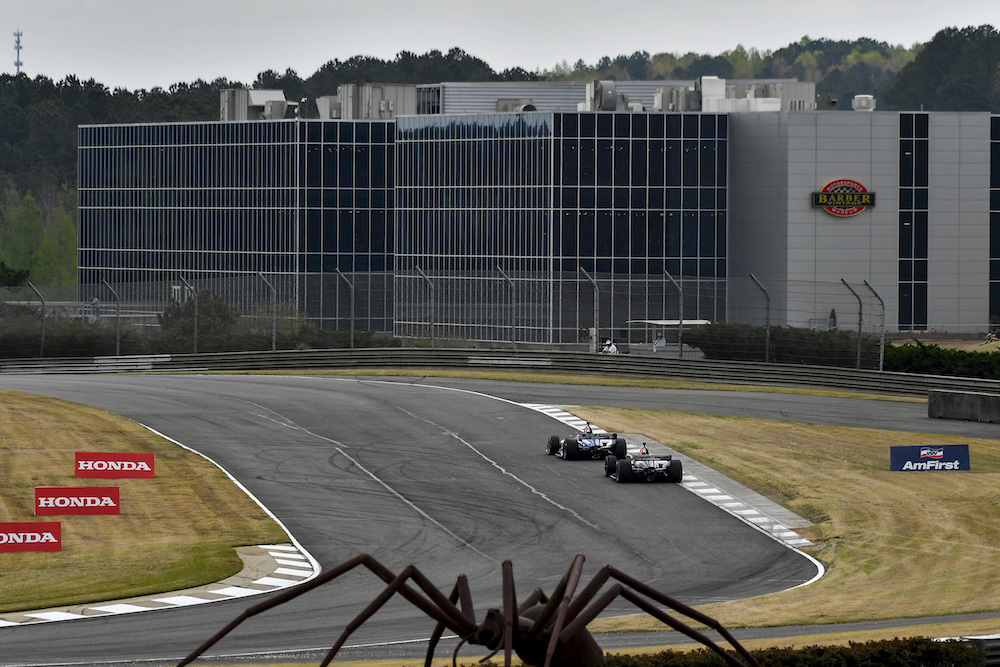
How do you make road racing in IndyCar cool again? Start with a cool track, and then add a giant spider. Image by LePage/LAT
Barber has been a pleasant surprise at the box office for almost a decade, Road America’s crowds rival some of the good old days, Portland looks promising, and Laguna drew an impressive turnout in its return. And road racing is alive and well in IndyCar.
– Robin Miller

Mark Glendenning
Read Mark Glendenning's articles
Latest News
Comments
Comments are disabled until you accept Social Networking Cookies. Update cookie preferences
If the dialog doesn't appear, ad-blockers are often the cause; try disabling yours or see our Social Features Support.