Image by LePage/LAT
IndyCar 2019 report card: Part 2
Editor’s note: We’ve done something a little different with this year’s IndyCar report card, based on a simple question: How would Robin’s grades stack up against the teams’ own assessments of their seasons?
We decided to find out. While Robin carried out his grading process as usual, RACER reached out to all of the full-time IndyCar teams and asked them to issue a grade to their own 2019 seasons. Some of the results were predictable; others are surprising.
A couple of caveats. The initial scope was limited to full-time teams, but Robin also wanted to incorporate Meyer Shank Racing, so you’ll find a Miller grade for them here, but not one from MSR itself. There were also two full-time teams that did not participate in the self-grading exercise.
We’ve arranged the teams in alphabetical order. If you missed the first part of the report, which covered everyone from A.J. Foyt Racing through to DCR, check the link below.
And now, on to Robin – and the teams…
ED CARPENTER RACING
MILLER’S GRADE: C
Another magical May (Ed Carpenter qualified second, Spencer Pigot third and Ed Jones fourth) and the team owner’s runner-up at Gateway were the highlights of a season that again showed promise, but fell short of results. Pigot had six top 10 starts but fifth (twice) was his best result, while Jones placed sixth once but never seemed to get comfortable with his third team in three years.
TEAM’S GRADE: “For parts of the season I could give us a B for bits and pieces. And then a lot of other parts are D, and F and some cases. Though I don't know what it averages out to.”
Ed Carpenter, team owner:
“We had bright spots, for sure. And we've also had a lot of very not-good runs at some places. It feels like a year that we didn't really perform very well, but at the same time we did have some good results sprinkled in. Really just lacking the consistency that we need. I think our oval program was pretty good this year, top to bottom. Texas was really the only outlier where we didn't feel like we were as competitive as we normally are.
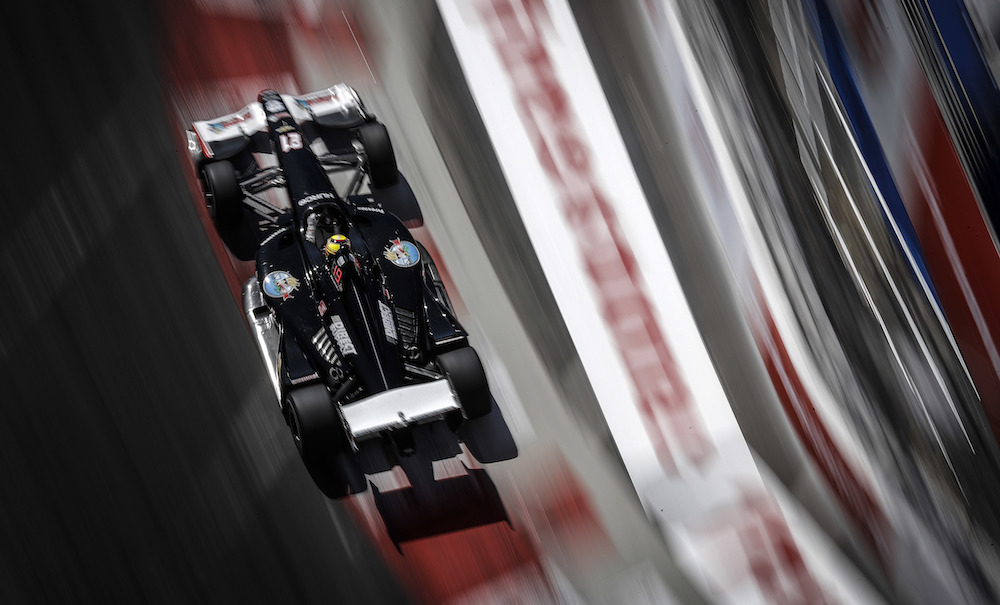
Image by Levitt/LAT
“But I think we struggled on road courses more than more than we did last year, and then we were searching for different things with each of the drivers. And I feel like we underperformed for what our expectations are, for sure.
“I put it on everyone. When I say inconsistency, we had races like Iowa or Portland, where we had a quick car and still didn't get qualifying results, and then the races go the way they go. But then we had other events where you would think we would have some strength based on having a good car at one place, and where we just couldn't really hit on a set-up that anybody liked. I think it's a bit on everybody.
“I think we all have to be better to take another step and consistently be giving ourselves chances to win races.”
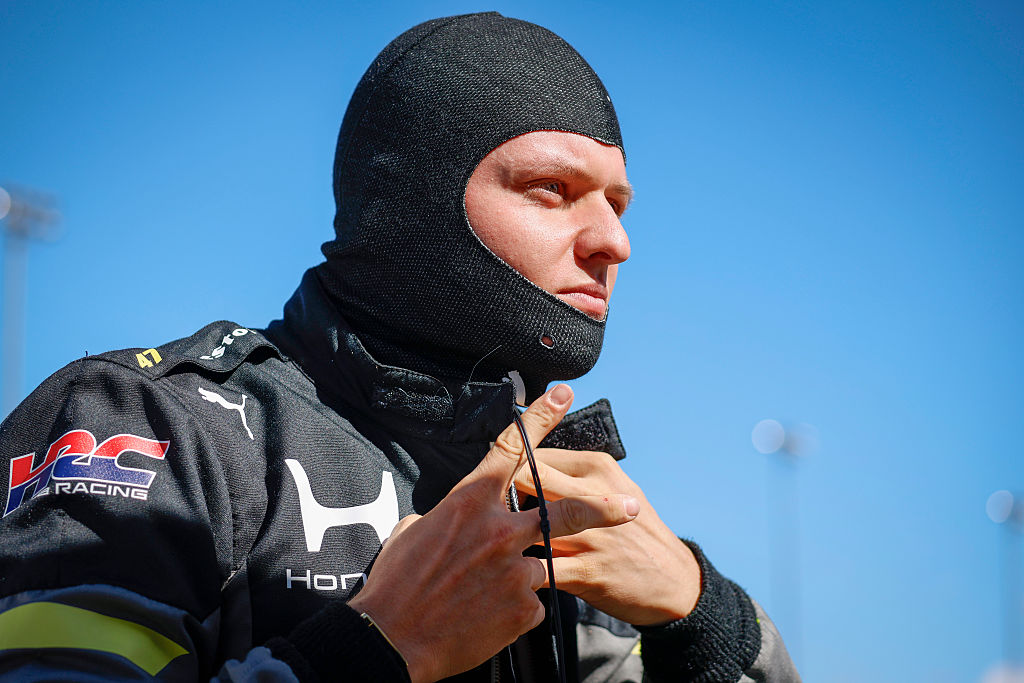
HARDING STEINBRENNER
MILLER’ S GRADE: A–
Yeah, yeah, I know they were the fifth Andretti team (wink, wink) and there’s no disputing Nathan O’Rourke’s engineering savvy, but it was a good crew on a small team with such a shaky budget that the mechanics bought parts at one point. They got better, and their pit stops were Penske perfect in the finale when it counted the most. And it’s hard to quantify how impressive it was to watch a rookie beat Dixon and Pagenaud at Laguna Seca – but little Herta is anything but a typical teenager.
TEAM’S GRADE: A–
Brian Barnhardt, team president:
“It's a little bit all over the place.. I think based on that assessment, I would give the overall grade to Harding Steinbrenner racing an A-. And I would base that on… the highs have been incredible.
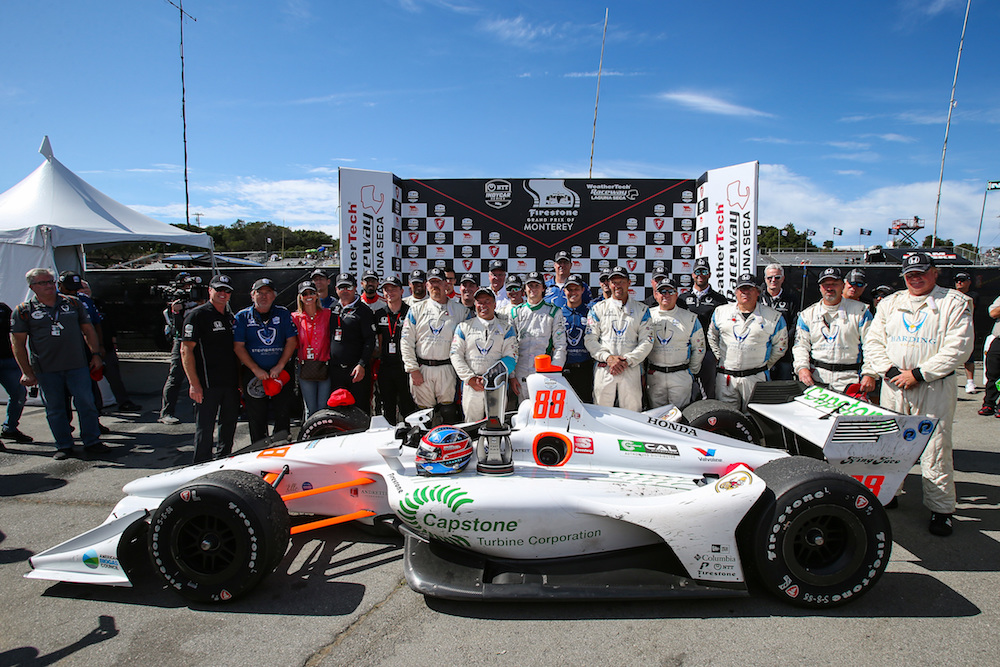
Image by Galstad/LAT
“There were only three cars on the grid that had more combined wins and poles than we did, which was the three Penske cars. That's pretty incredible. And I think the 88 finished a practice session or a qualifying session or a race in the first or second position 16 times.
“So that alone is that A+ when you consider the growth of this team from 2018 to 2019, and I'll give us a knock down to an A– simply because of some missed opportunities and some DNFs. But other than other than a few of those DNFs and missed opportunities, I'd categorize the year as pretty amazing, to be honest with you. Just in terms of how competitive the 88 car's been at each and every event.
“You're bringing, at the beginning of the year, an 18 year old kid – he turned 19 during the season – and it didn't matter if it's superspeedways, ovals, a street course or permanent road course, he's had pace everywhere we've been. Even tracks that he had never been to with Indy Lights. So, he far exceeded expectations.
“And I’m extremely proud of the entire group. I mean, to recover from a really difficult period at a time when everybody else is organized, ramped up and moving forward, and we were scrambling. And two weeks before the open test at COTA, we didn't even have a full crew on the one car, let alone the second car. When that one goes south, you're still scrambling to fill the crew positions at a time when it's difficult to find experienced and quality people.
“And we did, at that time of the year, an amazing job, bringing on people that were just absolute diamonds in the rough. We took a chance on some people, and some inexperienced people, but they have a passion for the sport and were shown to be great additions to the race team and our results, beginning immediately. So I’m extremely proud of a really amazing job of how we regrouped as a team on such short notice, and getting through the whole season.”
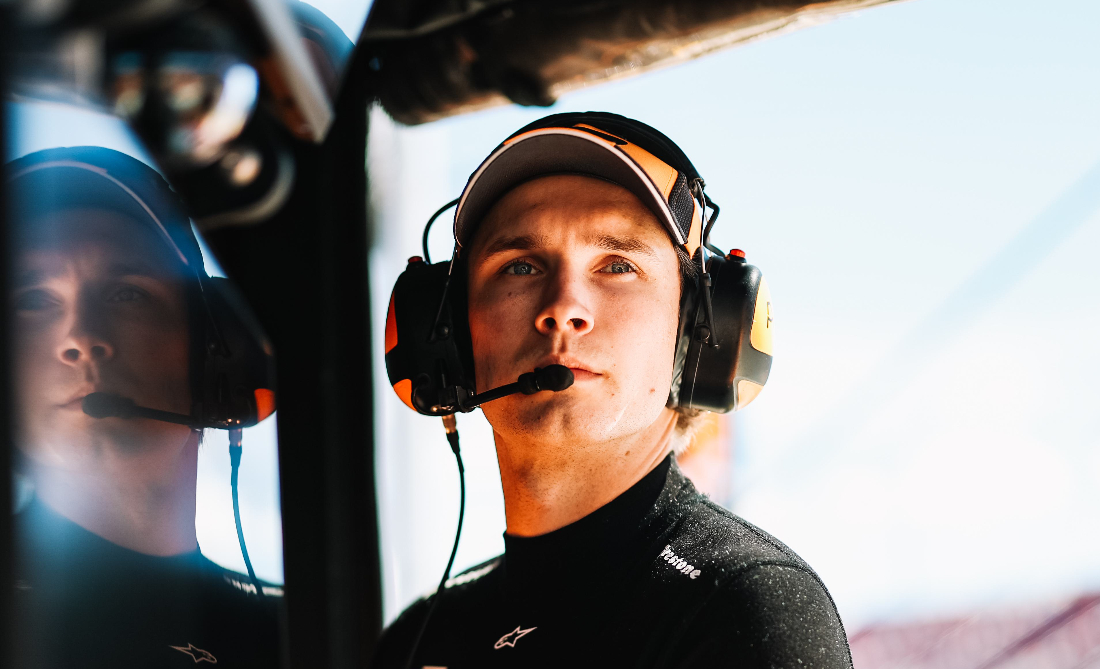
MEYER SHANK RACING
MILLER’S GRADE B –
Jack Harvey finally got to race again (he made 10 starts) and showed what can happen with a little consistency. He finished third in the Indy GP, qualified fourth at Pocono, and tacked on three more Top 10s. Started third, seventh and ninth at IMS, St. Pete and Mid-Ohio and repaid Mike Shank for his confidence.
[Part-time, did not self-grade]
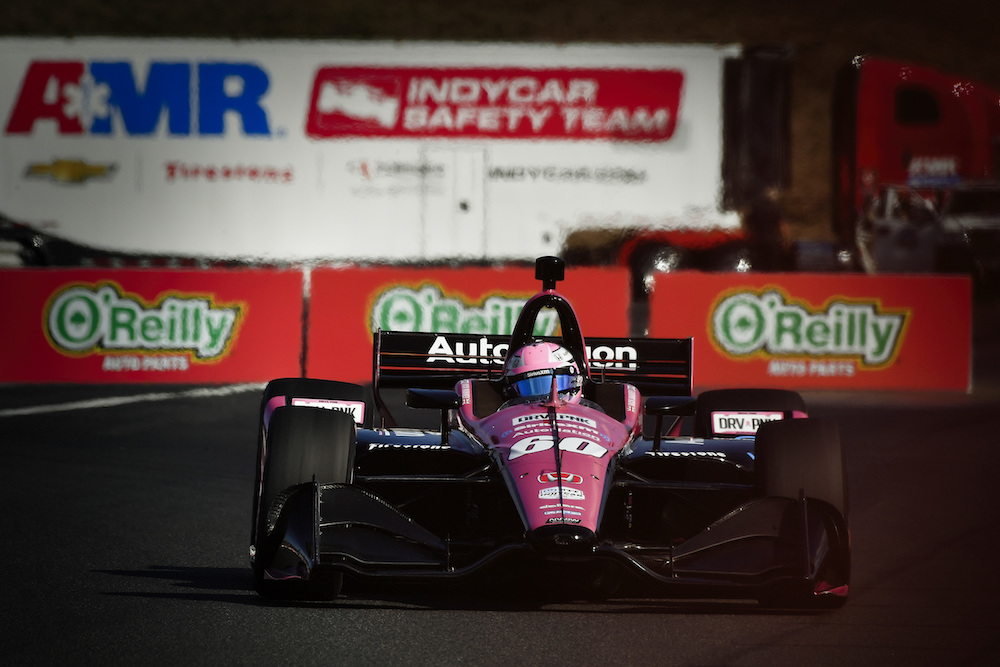
Image by LePage/LAT
RAHAL/LETTERMAN/LANIGAN
MILLER’S GRADE B –
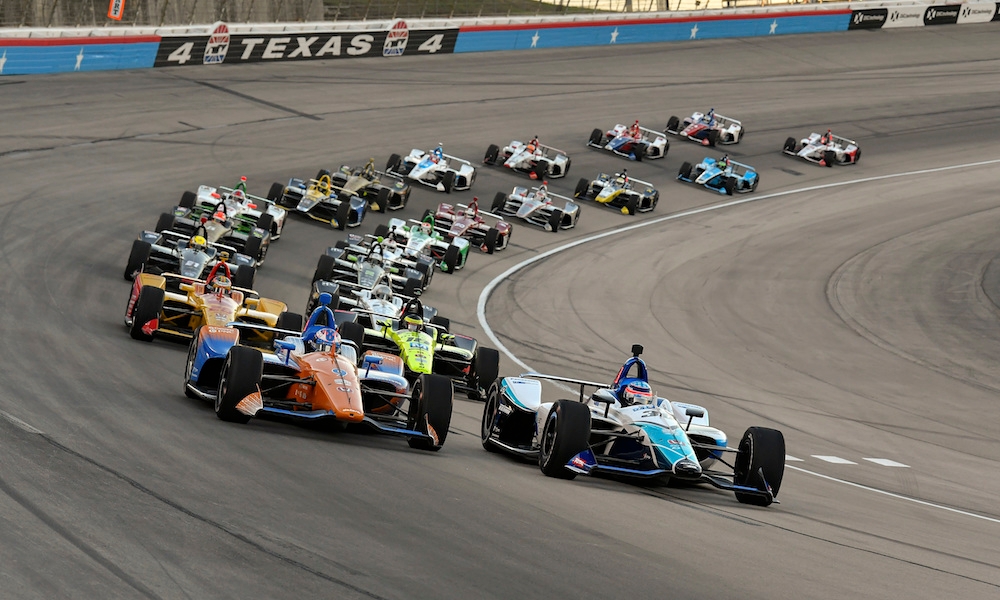
Takuma Sato dusted the field at Barber from the pole and shrugged off the Pocono firestorm to score a close victory at Gateway and show there’s plenty of life after 42. Graham Rahal’s 11 Top 10s got him 10th in the points but it was a more or less a frustrating season and his second straight without a win.
TEAM’S GRADE: B
Bobby Rahal, co-owner:
“Maybe a B. Certainly no better than a B in my mind, and only because of what the team lacked. Graham had a number of mechanical issues – at Iowa the engine dropped a valve. How it kept running is beyond me, but it dropped a valve. He was right with Rossi when that happened, so that robbed him of a good finish. And then a battery at Barber; St Louis, a header...
“So you look at those events, and it could have been a very different story. But you look at the team overall... there a probably a lot of teams out there wish they'd won two races. And there were a number of races where we were as good or better than any other team out there. Clearly at Barber we had something nobody else had. Shame Graham had the battery [problem], because I would presume that would have been a one-two, but anyway... Graham had a very strong race at Long Beach, running third and got penalized on the last lap for something that pretty much everybody does. But anyway, ended up fourth. Texas, he was third. So there were a lot of races where either either Graham was very competitive, or Takuma was.
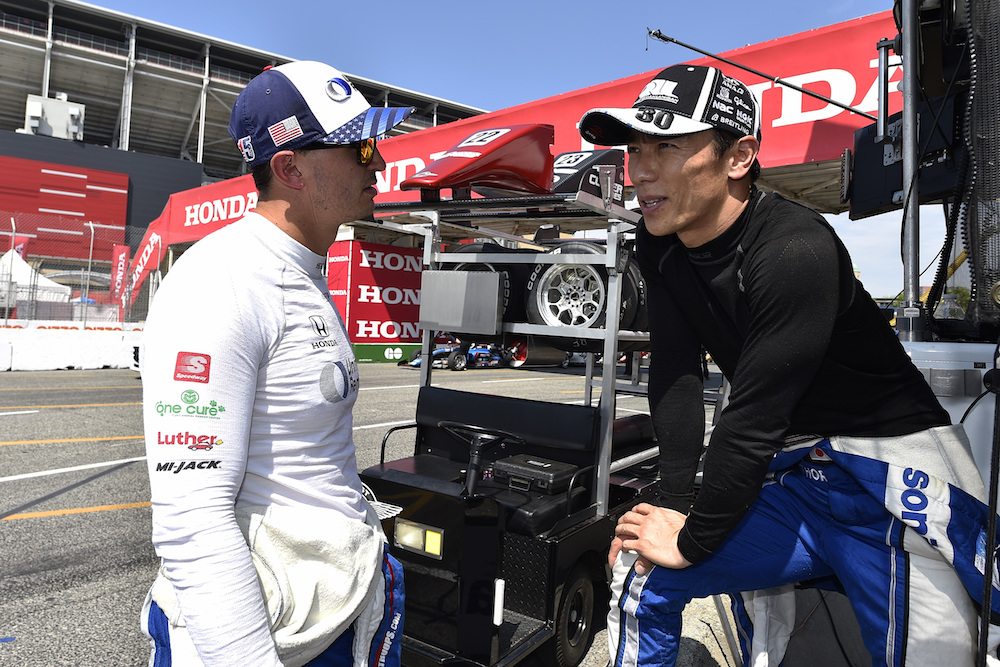
Image by LePage/LAT
“Aside from the wins, Takuma had very strong Indy, coming from the lap down because of an issue in the pits. And then to come back and be right there at the end, that was a pretty good performance by everybody on his group; himself and his team. Graham was strong at Indy and just tripped up over Bourdais. So you had races like that, and then we had races where we were average.
“So I think our challenge for the new year is... we know we can run out front and we've proven that, but we need to do that every race. Graham had a strong Elkhart, finished fourth – actually was third, and we lost third in the pits to Newgarden. And I think Takuma ended up sixth or seventh. So there was a lot of good, strong races, but there was a handful – or maybe more than a handful – of races that weren't so strong. Now it's up to us to close those performance gaps. And if we can do that, not only can we have a chance of winning the championship, either as a driver or as a team, but, win more than two races a year – which you have to do.
“So maybe we maybe need to look a little more deeply into the whys and the wherefores of these races. But in the end, it's all about where you end up. And to win or to be on the podium at most of these races, you've got to qualify in the top six. Top eight, at worst. We had a pretty good run of that in the first half of the year, and then seemed to lose our way a little bit in the second half. And that put us behind the eight ball in some of these races. Again, the differences were minuscule at several of the races between the cars on the grid, but once again, if you're 14th on the grid and you're almost as fast as the guy who's sixth on the grid, those eight spots make a hell of a difference to your strategies and everything else.
"The big thing as a team is to just qualify better. There were times this year where we showed that very well, but we just didn't just show it everywhere. That's the challenge for us next year, I think.”
TEAM PENSKE
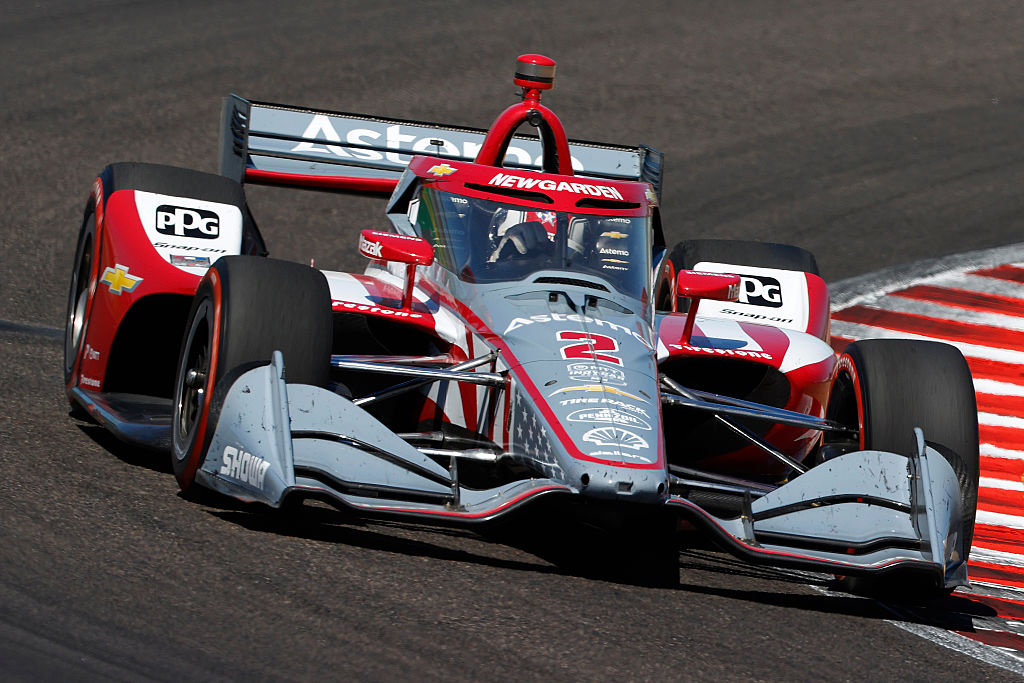
MILLER’S GRADE: A
The easiest grade since 1994, when The Captain’s squad scorched the competition with 12 wins in 16 starts. Newgarden started strong (winning three of the first nine races), had a couple hiccups at mid-season and one brain fade at Mid-Ohio, yet protected his lead down the stretch to edge teammate Pagenaud by 33 points. JoNew led 490 laps in his Verizon Chevy, had no DNFs and overcame a late wall job at Toronto and spin at Mid-Ohio on the last lap. He deserved No.1 because, frankly, nobody was better over seven months. Pagenaud went from wondering about his future to securing a contract extension with a monster May – overtaking Dixon in the rainy road race, capturing the Indy pole and then fending off Rossi in the 103rd Indianapolis 500. He led 268 laps and kept things interesting at the end with his teammate. Power led 11 races for 239 laps, but a couple of unforced errors offset his two wins and he wound up fifth in the standings.
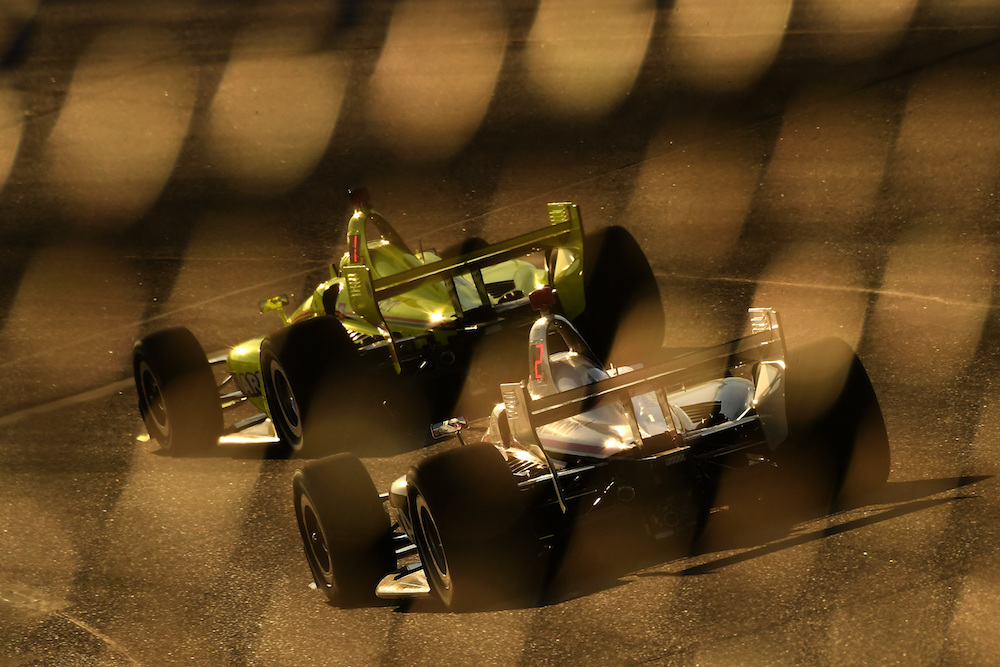
Image by LePage/LAT
TEAM’S GRADE: A
Tim Cindric, team president:
“I think when you look at the IndyCar season in general relative to our team, it's hard to ask for much more. There's always more to be achieved; there's always more races to be won, but we fielded a three car program and all three drivers… it's not the fact that they all won, but they all won multiple races. And the two biggest accomplishments – the Indy 500 and the championship – were achieved by two different drivers. One of our goals in addition to that that we set out at the beginning of the year was to qualify on the pole at Indy, because we hadn't done that since 2012.
“Really, at the beginning of the year the target was, win the Indy 500, win the championship and win the pole at Indy. And I guess fourth would be that all of our drivers have a successful year in terms of winning at least one race. To finish first and second and fifth in the championship, I think the only thing you would say was, we were expecting more really out of Will Power and that group in terms of final finishes and in the championship standings. But certainly I don't think that takes away from giving the team an A. I just, I don't know how else to look at it.
“Clive Howell retired at the end of last year and we had an internal... we looked at our management structure and there were some changes in the management structure where Ron Ruzewski took over as managing director, Kyle [Moyer] went into the team manager role and general manager of the teams, and then Jon Bouslog moved over to the IMSA program. So really, internally from a management perspective, being able to accomplish what we did with that kind of change in the off-season was another real testament to the depth of the team.”
Robin Miller
Robin Miller flunked out of Ball State after two quarters, but got a job stooging for Jim Hurtubise at the 1968 Indianapolis 500 when Herk's was the last roadster to ever make the race. He got hired at The Indianapolis Star a month later and talked his way into the sports department, where he began covering USAC and IndyCar racing. He got fired at The Star for being anti-Tony George, but ESPN hired him to write and do RPM2Nite. Then he went to SPEED and worked on WIND TUNNEL and SPEED REPORT. He started at RACER when SPEED folded, and went on to write for RACER.com and RACER magazine while also working for NBCSN on IndyCar telecasts.
Read Robin Miller's articles
Latest News
Comments
Comments are disabled until you accept Social Networking Cookies. Update cookie preferences
If the dialog doesn't appear, ad-blockers are often the cause; try disabling yours or see our Social Features Support.