Image by Portlock/LAT
INSIGHT: Where the F1 teams stand over the winter – Part 1
Formula 1 teams tend to go into lockdown during the winter months. With no races or testing taking place, teams retreat to their factories, where they are flat-out preparing for the next season behind closed doors.
While we might not see the work that is going on at each respective headquarters, it is still a busy time as the groundwork is set for the coming year. Teams will have internal targets for car builds and performance gains, and external ones in terms of overall position.
So as almost all of those involved in F1 prepare for at least a few days off over the holiday period, it's a good time to look at where each team finds itself during this off-season.
Starting from the back of the grid, we'll cover the teams from Williams up to Toro Rosso this week, and close with Renault through to Mercedes in the second and final installment.
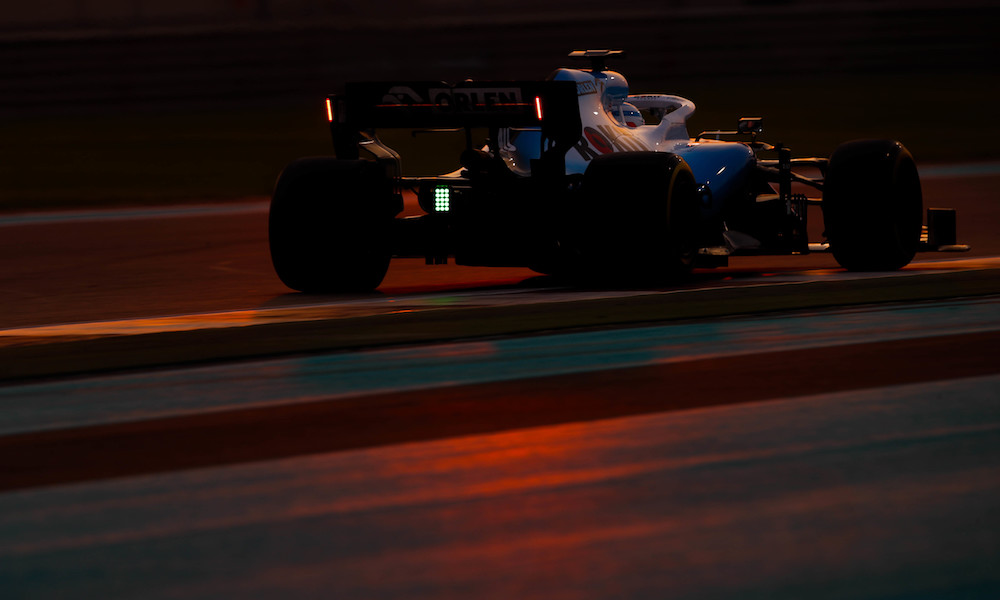
But there are positives. George Russell was a standout performer even in poor machinery and is clearly an asset for next season, and in ROKiT the team has a title sponsor that has invested in the long-term and provides stability in terms of finances, if probably not in livery…
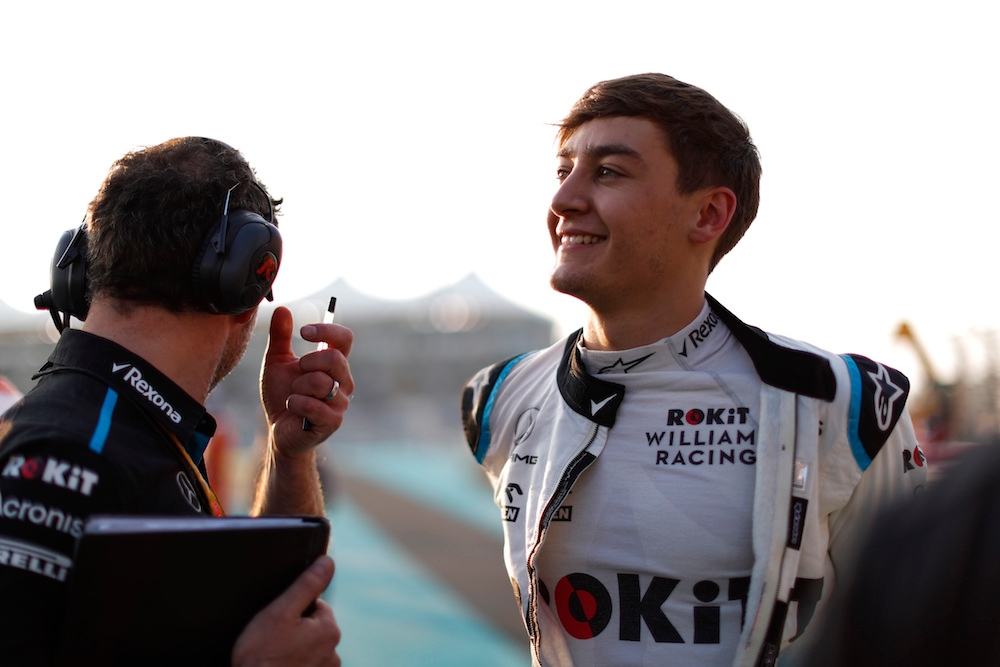
Russell was a rare bright spot in an otherwise gloomy season for Williams. Image by Mauger/LAT
Turning around such a situation is no easy task. As McLaren showed, there isn’t a quick fix, and that reversal took finances that Williams doesn’t currently have. It does have talented people at Grove, but even if they make the absolute most of what is available to them, it is still unlikely to result in anything other than a solid midfield performance.
There were concerns about car development too, with the upgrade package introduced in Spain not producing what it was expected to and actually exacerbating the tire problems in some cases.
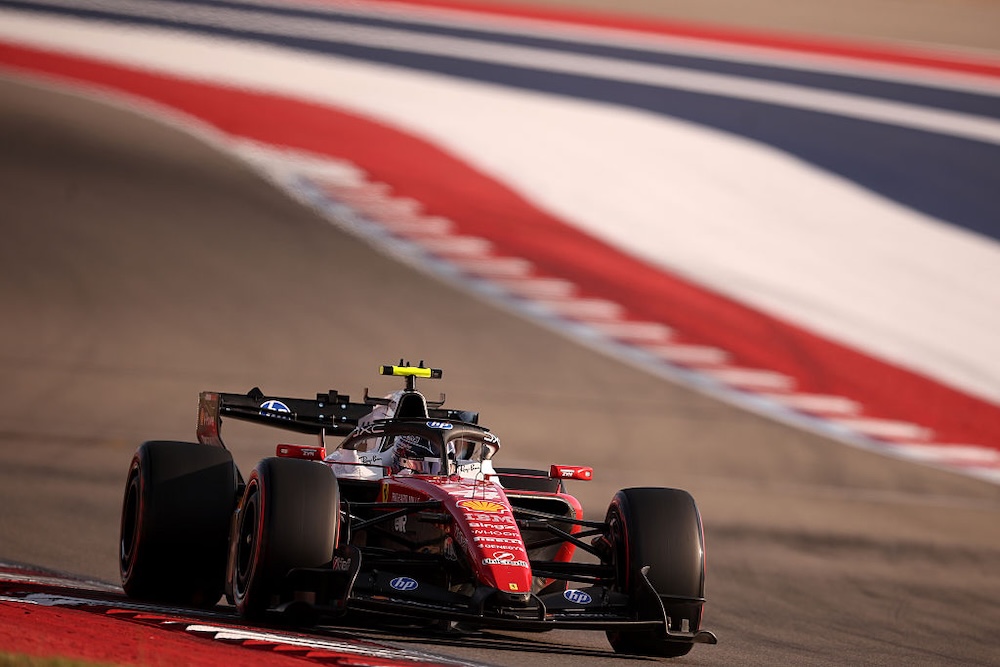
The Haas structure works to the extent of the underlying chassis that is produced being strong, and at least it knows where its focus needs to be given how obvious its weakness was. Plus, it has stability in key positions.
At least the same tires are being used next year, so the team has plenty of data to work with, but it will also need to ensure it gets good correlation between wind tunnel and track in terms of car development.
Get that right, and Haas will still need to keep its drivers away from each other on-track, and ideally away from incidents with others, too. The ingredients are there, but they didn’t mix well this year.
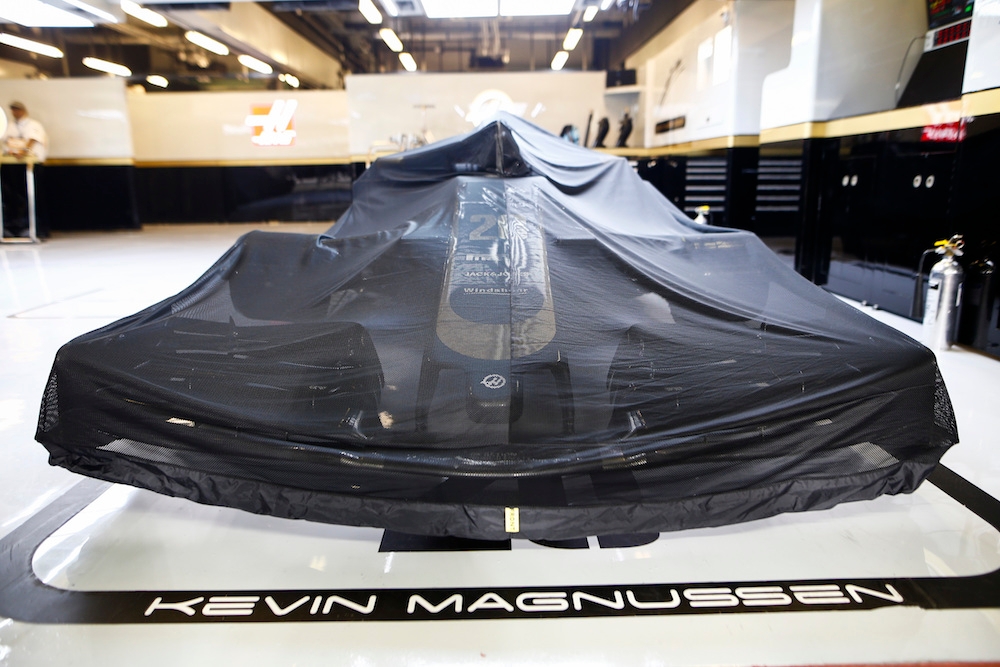
Until Haas can get its ducks in a row, the team's true potential will remain hidden. Image by Hone/LAT
After P5 in 2018 this year should have been another step forward, and if it can learn from the experience then Haas will be right back at the sharp end of the midfield.
Having a world champion in Kimi Raikkonen contributes to that feeling. Raikkonen was excellent in the first part of the year, scoring in seven out of 10 races, but then only finishing in the top 10 twice in the remaining 11 rounds.
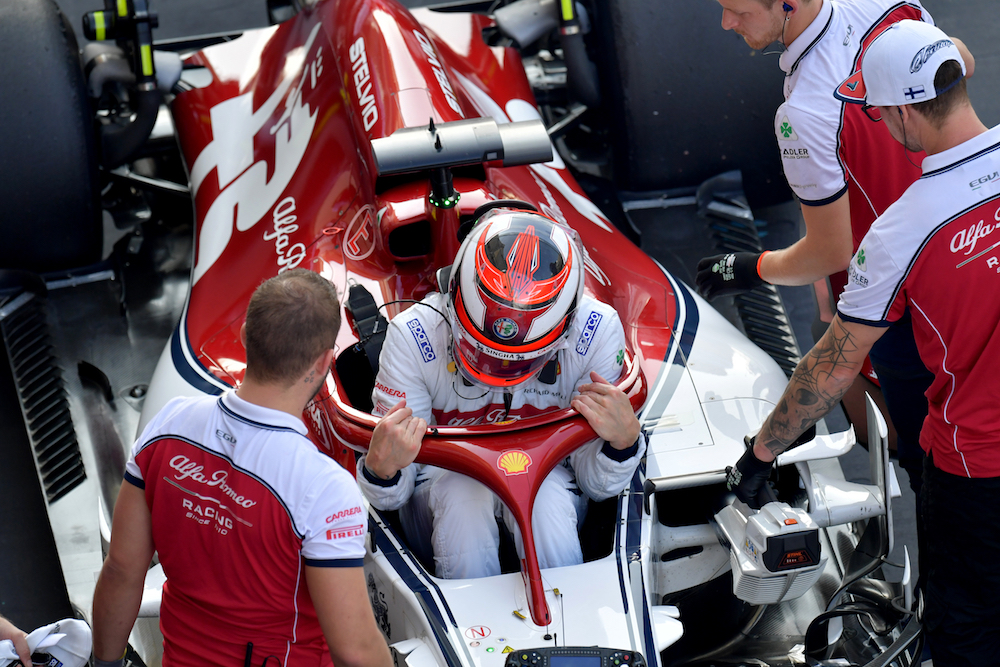
Some early 2019-spec Kimi would be just the ticket for Alfa Romeo as it heads into 2020. Image by Andre/LAT
While so many other teams have significant aspirations and future plans, Alfa just seems to sit exactly where it expects to be. Hopefully that’s just an impression rather than an accepted reality, because if you stand still in F1, you tend to go backwards.
The Ferrari partnership is one Alfa relies heavily on – even if it is a different relationship to the one Ferrari has with Haas – and so it needs to keep the backers happy. But it also could do with increasing its potential so that it remains an attractive proposition to employees and new sponsors. It’s a delicate balancing act.
But that excuse is no longer there in 2020. The team has increased resources and an owner who will want to see progress that shows his investment is having an effect. While Sergio Perez is a known quantity and a strength of the team, Lance Stroll similarly can’t point to any first-season struggles in a new car next year and will also need to display an improvement.
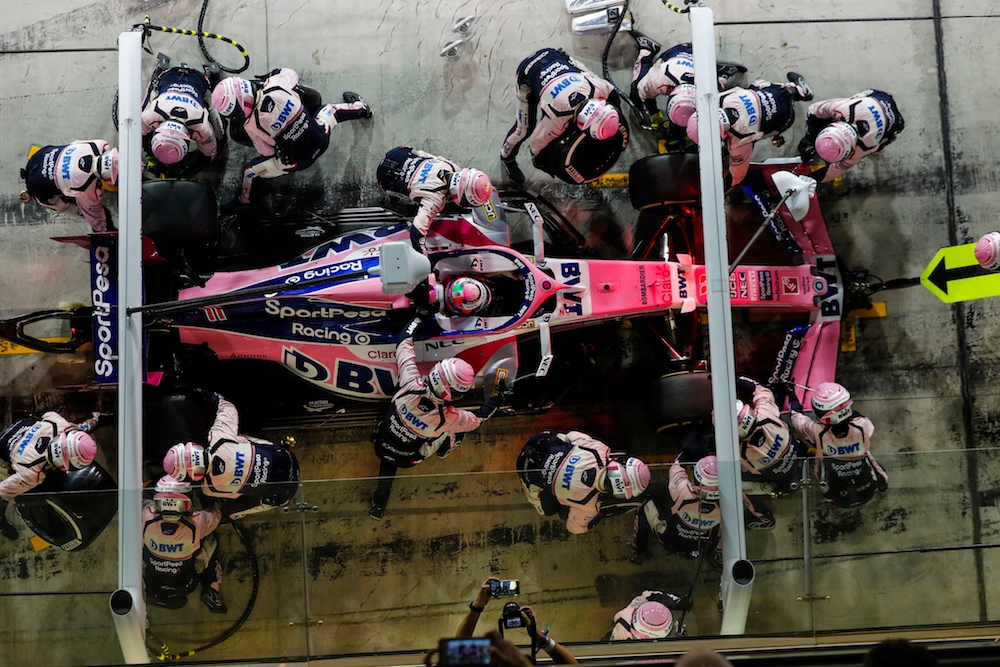
Nowhere to hide for Racing Point next year. Image by Tee/LAT
Now, it has a lot more resource available, and naturally that can lead to some inefficiency. But Lawrence Stroll knows what Racing Point was capable of in the past and will not want to see much go to waste, so keeping that small team atmosphere and productivity while enjoying the extra funding will be key to any success.
But infrastructure takes time to put in place, and while leading the midfield isn’t out of the question, doing so would also require McLaren and Renault to underperform. This is a team that has been best of the rest regularly in recent years, but it’s unrealistic to set such a target next season when its focus for big progress should be on the next set of regulations.
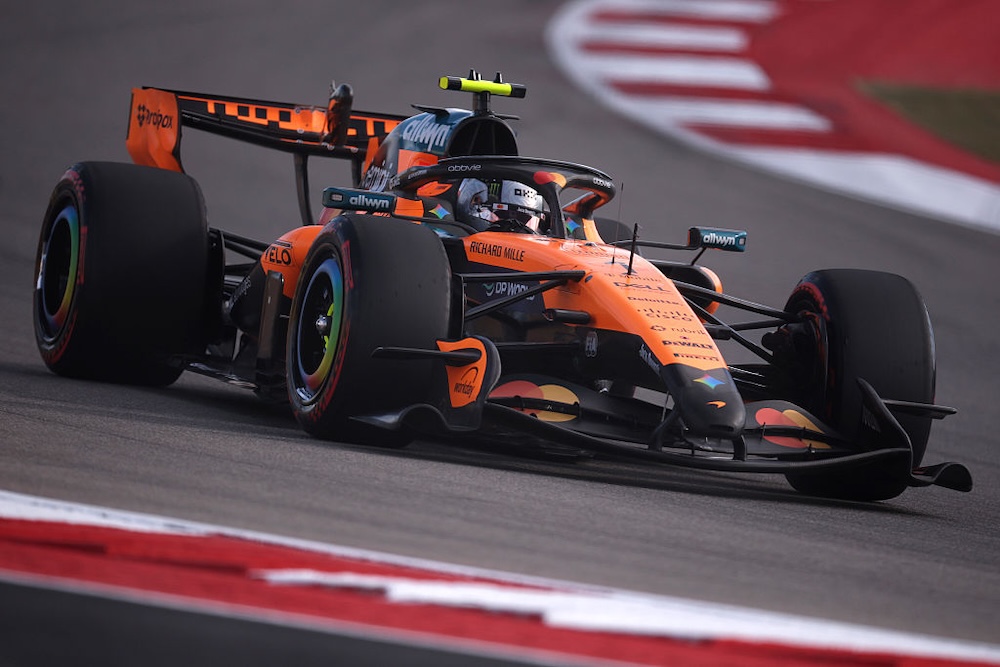
There were a few off weekends, but Toro Rosso was regularly in the hunt for significant points, and proved that it is a well-run racing outfit by taking two big opportunities in Germany and Brazil, where Daniil Kvyat and Pierre Gasly respectively scored podiums. In 2020, Red Bull will be expecting more of the same, to allow the drivers to shine when a chance arises.
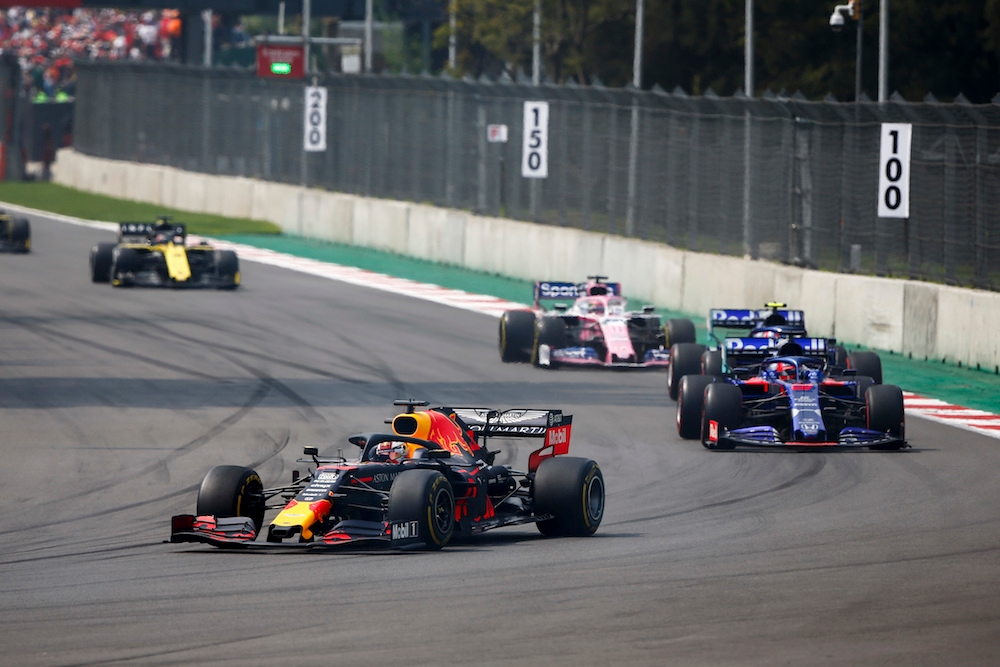
As long as there's a potential Red Bull seat to chase, there will be a touch of tension in the Toro Rosso driver ranks. Image by Hone/LAT
Alex Albon’s promotion mid-season shows Red Bull is still not afraid to make brutal – and ultimately justified – decisions, which keeps the drivers on edge. While Albon has impressed, his still doesn’t feel like a fully-cemented seat alongside Verstappen, so Gasly and Kvyat will continue to stake their claims, and if a young prospect emerges with enough points for an FIA Super License, the pressure will only go up even further.
In the Honda power unit, it could have an advantage over the Renault-powered pair, and it now gets so many parts from Red Bull it is almost guaranteed a minimum level of performance. That means Toro Rosso can spend its budget in specific areas and deliver a car capable of being best of the rest on occasion, even if beating McLaren and Renault over a full season would be a big ask.
Presented by:

Chris Medland
While studying Sports Journalism at the University of Central Lancashire, Chris managed to talk his way into working at the British Grand Prix in 2008 and was retained for three years before joining ESPN F1 as Assistant Editor. After three further years at ESPN, a spell as F1 Editor at Crash Media Group was followed by the major task of launching F1i.com’s English-language website and running it as Editor. Present at every race since the start of 2014, he has continued building his freelance portfolio, working with international titles. As well as writing for RACER, his broadcast work includes television appearances on F1 TV and as a presenter and reporter on North America's live radio coverage on SiriusXM.
Read Chris Medland's articles
Latest News
Comments
Comments are disabled until you accept Social Networking Cookies. Update cookie preferences
If the dialog doesn't appear, ad-blockers are often the cause; try disabling yours or see our Social Features Support.