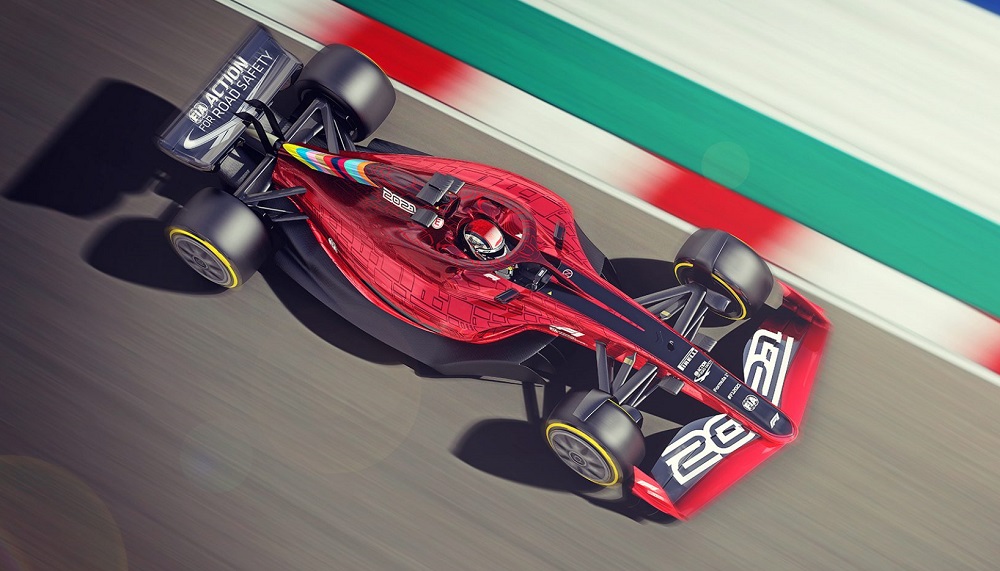
2021 F1 car estimated to be 3-3.5s slower than 2019
Formula 1’s 2021 cars are expected to be around 3-3.5 seconds per lap slower than the current regulations, according to the FIA.
The next generation of car will feature radically different aerodynamics that have been developed to allow cars to follow each other much more closely without being disturbed significantly by the wake of the car in front. Simulations suggest the 2021 car will lose just 14% of aerodynamic performance when one car length behind another car, compared to 45% at present, and just 6% at three car lengths as opposed to 32% now.
https://twitter.com/F1/status/1189961481602748417?s=20
However, with the cars set to be 25kg (55lb) heavier, the changes come with a loss of overall car pace that is likely to mark a return to lap times seen towards the end of the previous generation of car.
“We are expecting cars to be approximately between three and three-and-a-half seconds slower per lap,” the FIA head of single seater technical matters Nikolas Tombazis said. “We don’t think that is the key parameter of the spectacle, we think the raceability is the main target.
“We haven’t been focusing on an exact level of performance. Clearly we cannot predict exactly where the downforce will end up compared to current cars. It will be a bit less after the development has been carried out, but even the car that has been developed in CFD and run in the wind tunnel has already got a respectable amount of performance and has been developed by essentially a relatively small number of aerodynamicists and hours in the wind tunnel compared to a normal team. Therefore we are quite confident that the performance will not be a key parameter.”
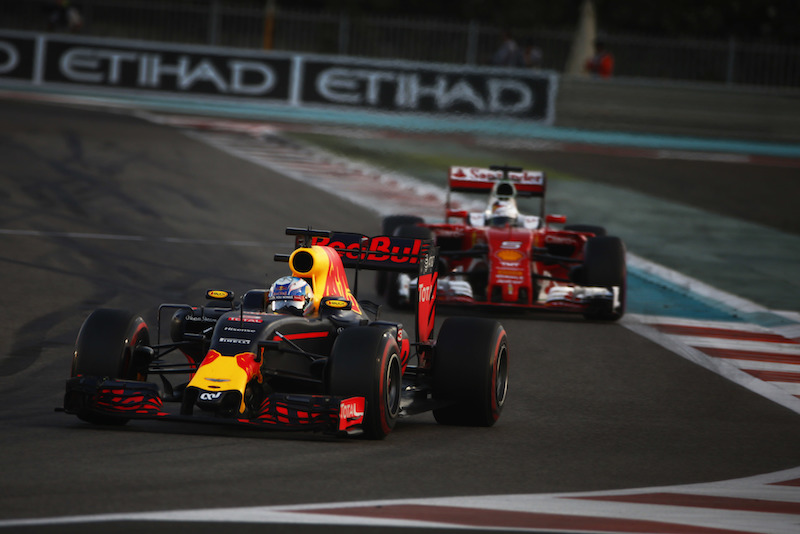
The new rules will peg lap times back to 2016 levels. Image by Hone/LAT
Ross Brawn added that the current cars may be quicker, but they have harmed F1 through being unable to race closely.
“Just to put that into perspective, that’s the performance of a 2016 car,” Brawn said. “These cars from 2016 to 2017 had a huge increase in downforce. It’s worth thinking back on that experience because it was done for reasons I don’t understand. The huge increase of downforce was, ‘Let’s make the cars go faster -- that must make Formula 1 better.’ All we’ve done is we’ve actually made it worse because the cars can’t race each other.
“It’s an example of an un-thought-through program. So the cars are very quick now but they’re not raceable. The reality is the performance of the new cars is going to be about where we were in 2016, and I don’t think anyone was ever complaining about the cars being slow.”
Presented by:


Chris Medland
While studying Sports Journalism at the University of Central Lancashire, Chris managed to talk his way into working at the British Grand Prix in 2008 and was retained for three years before joining ESPN F1 as Assistant Editor. After three further years at ESPN, a spell as F1 Editor at Crash Media Group was followed by the major task of launching F1i.com’s English-language website and running it as Editor. Present at every race since the start of 2014, he has continued building his freelance portfolio, working with international titles. As well as writing for RACER, his broadcast work includes television appearances on F1 TV and as a presenter and reporter on North America's live radio coverage on SiriusXM.
Read Chris Medland's articles
Latest News
Comments
Comments are disabled until you accept Social Networking Cookies. Update cookie preferences
If the dialog doesn't appear, ad-blockers are often the cause; try disabling yours or see our Social Features Support.