Image by Zak Mauger/LAT
FIA says 2019 rules could increase overtaking by 50%
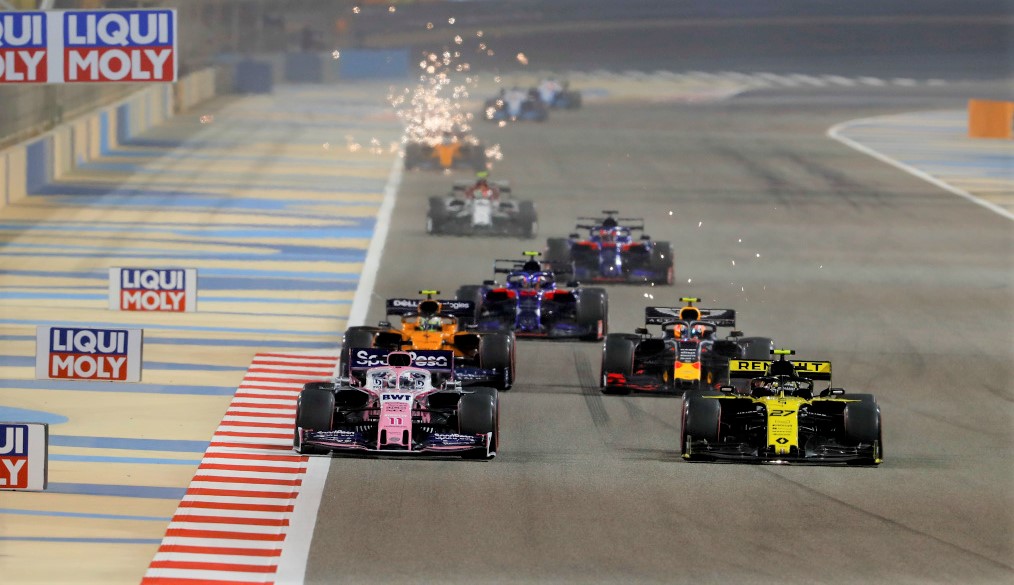
The FIA estimates overtaking could be increased by as much as 50% at certain circuits as a result of new aerodynamic regulations introduced this season.
Significant changes are planned for the 2021 season, and with those in mind the FIA and Formula 1 worked together to bring certain tweaks in for this year in order to analyze their impact on racing. In an interview carried out before the Bahrain Grand Prix, FIA head of single seater technical matters Nikolas Tombazis says the early signs suggest significant improvements could be seen at some venues.
“The major rule changes were aimed at facilitating closer racing,” Tombazis told the FIA’s AUTO magazine. “The most important ones involved the front wing and the brake ducts. The changes around these aimed to reduce the ability of teams to control [air] wake from the front wheels, which was being pushed outboard of the car and creating a lot of turbulence behind it. That had a detrimental effect on the aerodynamic stability of a following car, making it very difficult for a rival to get close and make an overtaking move.
“The rules were designed to bring that outwash a little further in, making it easier for cars to race more closely. We had noticed that year on year it was a worsening trend, and the 2019 rules have been framed to recover some of that. From the indications we’ve had from some teams there has been a step in the right direction.

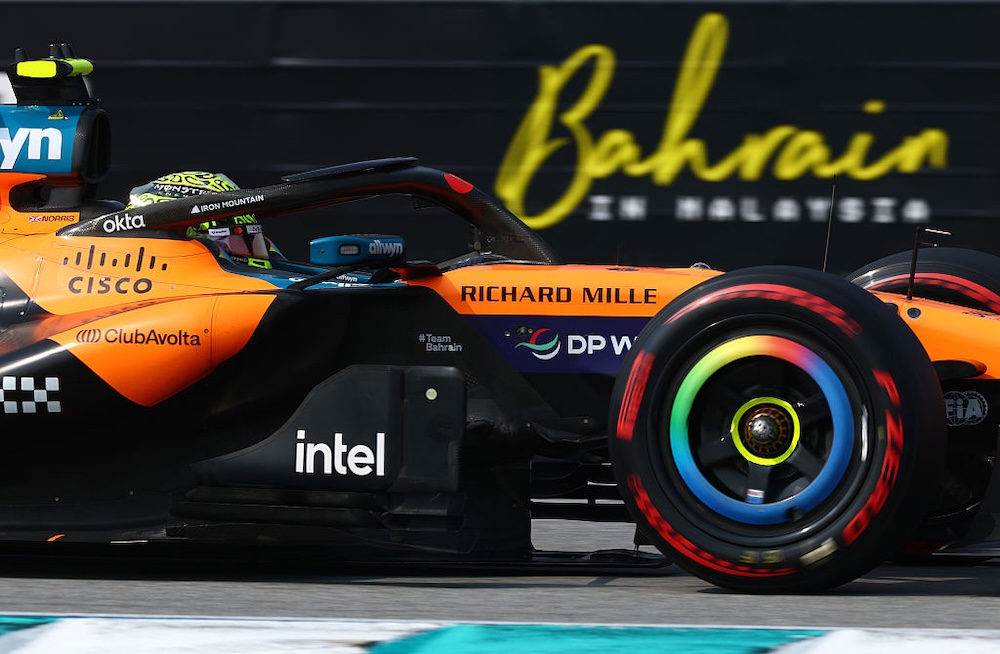
“The goal of closer racing was also targeted through changes to the rear wing, which is wider and deeper. In many ways that was a safe bet, as we knew it would increase the effect of the Drag Reduction System and therefore a car will be able to close on the one in front more easily.”
“We were not expecting a huge delta in Australia, which is a difficult track at which to overtake in any case. Some simulations were showing a +10% increase of overtaking, assuming a similar evolution of a race, of course. In other races the same simulations expect a more sizable increase, possibly to the tune of +50%.
"To be clear, that is from simulations of cars following each other in races from last year, using this set of rules. That’s the feedback we’ve had so far, but it will really only become clear as we progress through the season. We weren’t expecting miracles in round one at Australia, but generally we are expecting a step in the right direction as far as aerodynamics are concerned.”
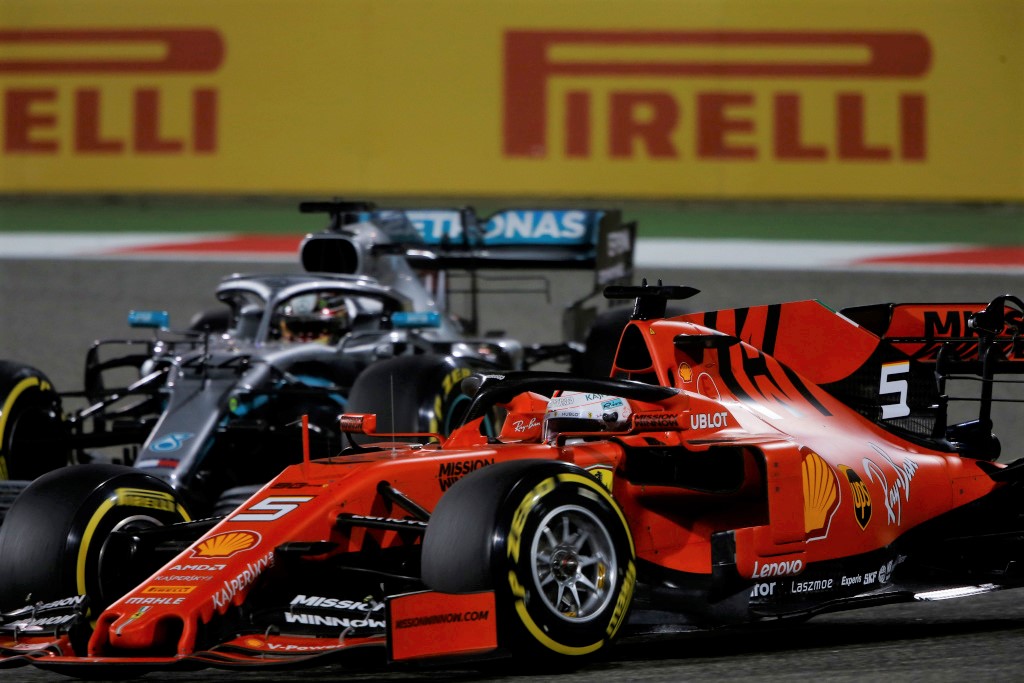
Sebastian Vettel battles with Lewis Hamilton in Bahrain. Image by Andy Hone/LAT.
While Tombazis says the current regulations are not perfect, he stresses the importance of learning from this season when 2021’s rules are finalized.
“Looking at the cars in testing and seeing certain solutions there are undoubtedly a few things we might have done slightly differently in the rules, but that’s always the case. Overall, I’m pleased with the direction of the aerodynamic characteristics. I certainly don’t think we have arrived at the final destination point and we can never sit back and say, ‘OK, it’s all fine.’
“However, I think that if we hadn’t gone through this process and we were sitting here writing the 2021 rules, we would be in a much weaker position. For what we are trying to achieve, 2019 has been a very useful exercise and has lessened the wake effect. Whether this season proves to be an exciting championship depends on how closely matched the teams are. And like everyone else, that’s something I’m very anxious to see.”
Chris Medland
While studying Sports Journalism at the University of Central Lancashire, Chris managed to talk his way into working at the British Grand Prix in 2008 and was retained for three years before joining ESPN F1 as Assistant Editor. After three further years at ESPN, a spell as F1 Editor at Crash Media Group was followed by the major task of launching F1i.com’s English-language website and running it as Editor. Present at every race since the start of 2014, he has continued building his freelance portfolio, working with international titles. As well as writing for RACER, his broadcast work includes television appearances on F1 TV and as a presenter and reporter on North America's live radio coverage on SiriusXM.
Read Chris Medland's articles
Latest News
Comments
Comments are disabled until you accept Social Networking Cookies. Update cookie preferences
If the dialog doesn't appear, ad-blockers are often the cause; try disabling yours or see our Social Features Support.