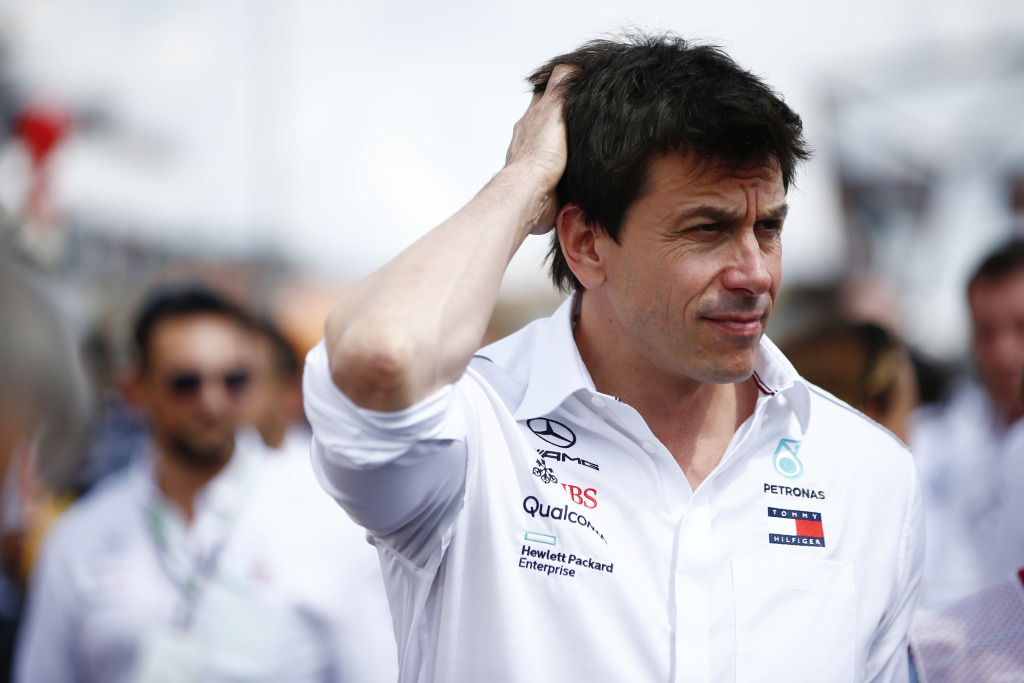
Image by Andy Hone/LAT
Vettel would have easily won in Austin - Wolff
Sebastian Vettel would have easily won the United States Grand Prix had he not spun on the opening lap, according to Mercedes team principal Toto Wolff.
Kimi Raikkonen took the lead from polesitter Lewis Hamilton into Turn 1 and went on to take victory, with Hamilton dropping behind Max Verstappen as a result of a two-stop strategy. Vettel started from fifth place but spun when fighting with Daniel Ricciardo on the opening lap and dropped to 14th, and Wolff believes the pace Ferrari showed means the German would have won without that error.
“This has been the most difficult season so far,” Wolff said. “It’s spanning the whole season -- you can see two or three races that were going in our favor, then Ferrari was again very strong, and then we had a good run, and now Ferrari had a very good weekend.
“Imagine Sebastian not spinning out on Lap 1, I think he would have probably won the race easily. It’s stressful -- the drivers’ championship, we’re in a solid position, but I always said we mustn’t drop the ball. We’ve seen that in the past with other teams.
“And with the constructors’ championship, that is very important for the team, nothing’s done yet. There are 129 points to be scored with 66 (the advantage) that we have. Of course it’s a good buffer, but no reason to giggle away and think that you have the trophy in your hand because we can see that we haven’t got it in our hands.”
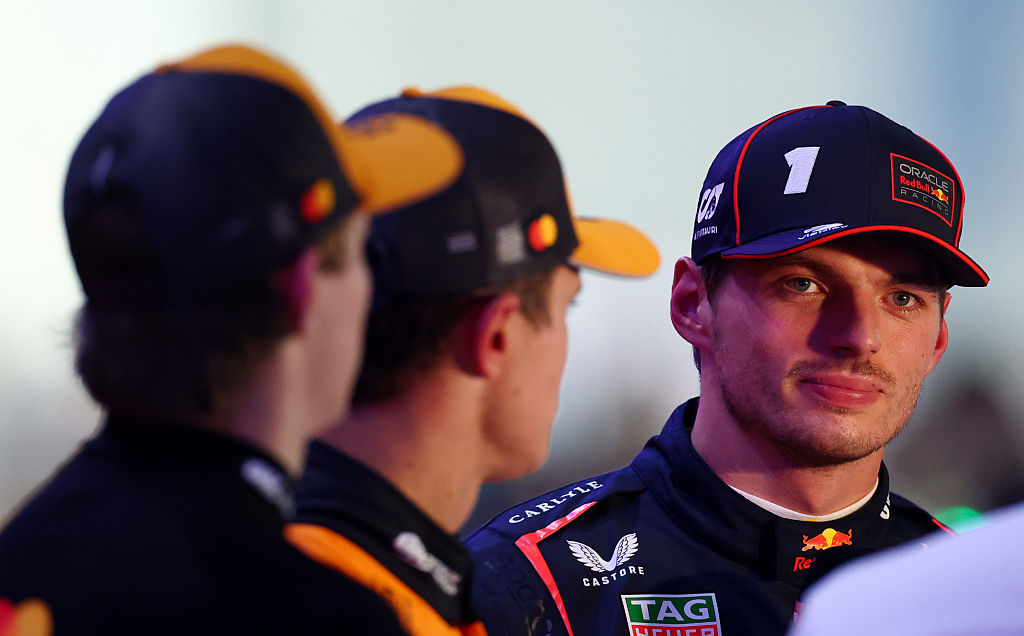
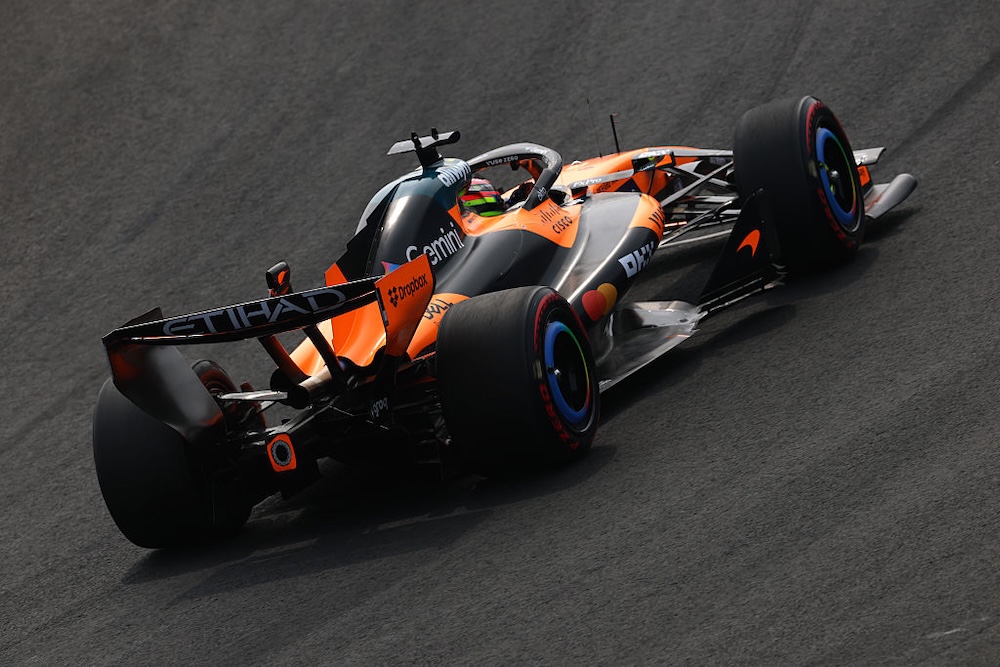
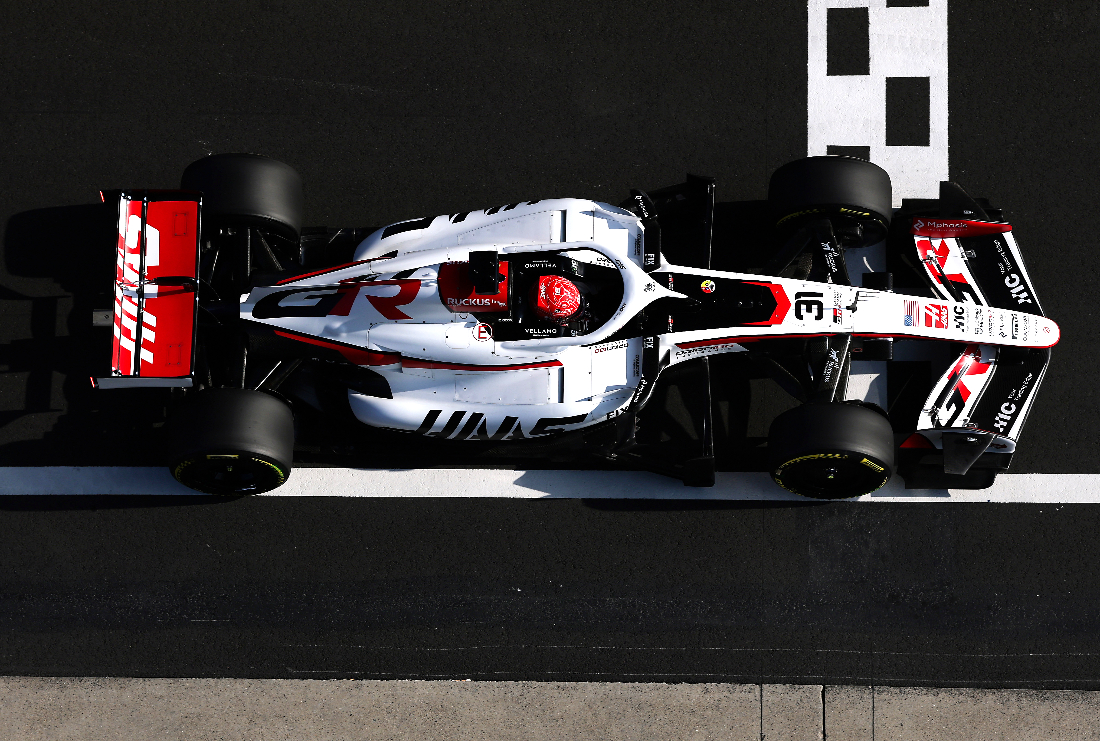
Wolff defended the thinking behind switching Hamilton to a two-stop strategy during an early Virtual Safety Car, with the championship leader already second to Raikkonen at the time.
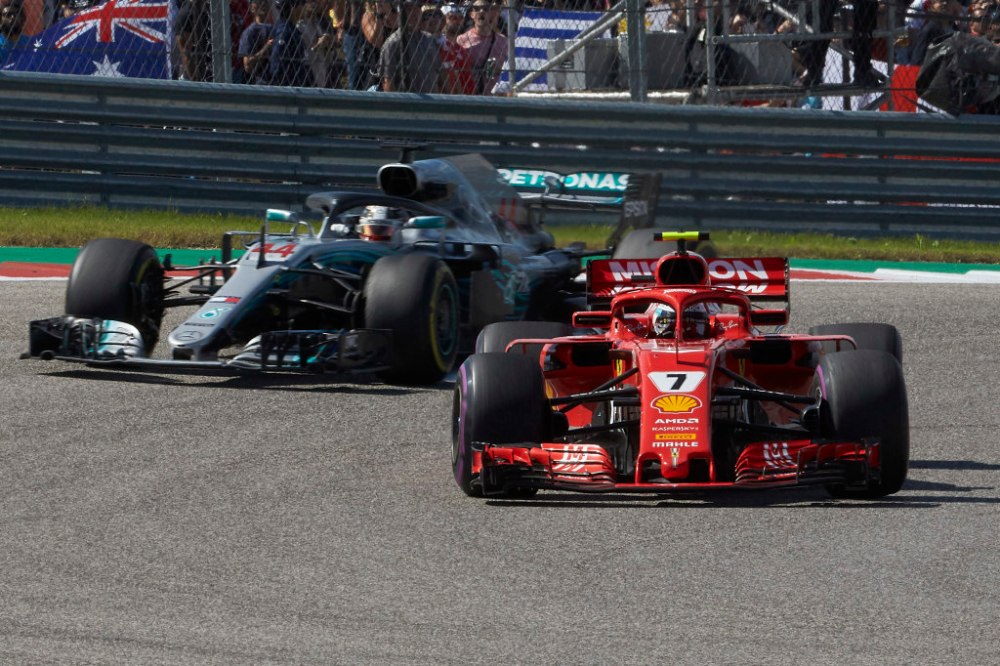
Raikkonen leads Hamilton. (Image by Steve Etherington/LAT)
"The moment we committed to a two-stop, we were running second on the road and thought that by moving to a two-stop at that stage, we would only lose a position to Valtteri (Bottas), catch up Kimi and then effectively be on the same one more stop to do but on a better tire. That was the thinking.
“(Tire life) was an unknown, and you can see that. Fundamentally, we lacked pace. We ran out of tire, and that was the underlying reason why we lost the race.
“The thinking was that if we were to bite the bullet a little bit more, we would have a larger tire differential at the end, but then we started to drop massive pace and probably we were a lap or two late in pitting Lewis, because the tires dropped off in the mid-38s, low-39s to 41s.”

Chris Medland
While studying Sports Journalism at the University of Central Lancashire, Chris managed to talk his way into working at the British Grand Prix in 2008 and was retained for three years before joining ESPN F1 as Assistant Editor. After three further years at ESPN, a spell as F1 Editor at Crash Media Group was followed by the major task of launching F1i.com’s English-language website and running it as Editor. Present at every race since the start of 2014, he has continued building his freelance portfolio, working with international titles. As well as writing for RACER, his broadcast work includes television appearances on F1 TV and as a presenter and reporter on North America's live radio coverage on SiriusXM.
Read Chris Medland's articles
Comments
Comments are disabled until you accept Social Networking Cookies. Update cookie preferences
If the dialog doesn't appear, ad-blockers are often the cause; try disabling yours or see our Social Features Support.