Robin Miller's Mailbag for September 12, presented by Honda Racing /HPD
hpd.honda.com
and on social media at@HondaRacing_HPD
and https://www.facebook.com/HondaRacingHPD.Your questions for Robin should continue to be sent to millersmailbag@racer.com We cannot guarantee we’ll publish all your questions and answers, but Robin will reply to you. And if you have a question about the technology side of racing, Robin will pass these on to Marshall Pruett and he will also answer here.
Q: I wonder if Alex Rossi will learn that you can’t win a championship in the last few races of a season, but you also can’t throw away races during the season. What would the championship look like if he did not throw away the second place finish he should have had at Detroit when he flat-spotted his tire while trying to keep RHR behind him?
Allan, Green, OH
RM: Of course Rossi probably wishes he had those second-place points today, but he dominated that race and was going for the victory, so that’s racing. His aggressive style has served him well the past two years, and he doesn’t seem like the type to dwell on a mistake. Everybody makes them. I imagine he regrets that untimely yellow at Portland (when he was pulling away) just as much.
Q: I am a fan of the 2019 schedule because of the consistency and it has a lot of quality tracks. I would prefer the finale to be at a different track, but I am sure that could change in the future. I noticed there are three-week gaps between races three times, and one four-week gap. It seems like Richmond will fill one of those gaps in 2020, but do you think there are other possibilities as well? Also, is there any news about Mazda being replaced and more importantly, a new series sponsor?
Brian, Plainfield, Illinois
RM: Laguna Seca is only the 2019 finale for now, and I think Jay Frye would love to finish on an oval but we’ll see how much moaning the owners will do if they’re not allowed to sip wine in California. I know Richmond is exploring 2020, and I think Montreal could be back in play by 2021. No news about your last two questions.
Q: I’ve been hearing all the speculations about McLaren, Andretti Autosport and Harding Racing. Could McLaren be thinking of buying Andretti outright, and then Michael would take over Harding so he would have a team for Marco? I heard Marshall’s podcast with Mike Hull and Mike said he thought that McLaren should start their own team, and it got me thinking… Andretti has all the equipment and engineers ready to go, what do you think? Also Fernando looked good. Can’t wait for 2019!
Frank, Toronto
RM: I don’t think Zak Brown and McLaren want to do anything but lease a couple cars and crews from Andretti, because it would be much cheaper and make the most sense. We’re not sure McLaren’s board of directors is sold on this IndyCar idea, so the more affordable and less cumbersome, the better.
Q: As a huge Alonso fan, I am of course dying to hear the latest on his Barber test, the potential for a full-time 2019 IndyCar ride, and McLaren’s progress on putting a team together (and if there is any gossip on who might be in a second car). I know that this has been asked before, but since so many of the classic non-oval ‘90s tracks are making big, well-received comebacks, is it getting to be time for Burke Lakefront Airport to make an appearance on the 2020 schedule? Seeing the current generation cars and drivers (Alonso) go five, six and seven-wide on the runways would captivate a new generation of fans too young to remember the glory days.
Ben B.
RM: The Andretti mechanics who worked the test said Fred had a great time, ran very competitive times, and liked the way you could throw the car around (he started out running in the rain). Here’s my prediction: the Andretti/McLaren team will be Fernando and Marco. Cleveland would be a welcome addition to the schedule, but nobody talking to them at the moment.
Q: Just wanted to say how impressed I am with Zach Veach. He reminds me of Josef both in how he handles himself, and his ascension to becoming one of the fastest drivers in IndyCar. It’s clear he really understands car setup. He is quickly becoming the guy I am rooting for. I love his attitude, and how every time you see him, he has a smile on his face. I’m looking forward to seeing how his career develops next season. Also, I am really happy to see IndyCar going from strength to strength. Maybe the people out there are beginning to wise up and realize what we have all known for decades - IndyCar is the best racing in the United States!
Keith Younce
RM: I think Zach is one of the best stories in all of motorsports, and it’s impossible not to like him or cheer for him. He just continues to get a little better each race, and Rossi gave him big props for helping with the Pocono setup. Veach also has a great family, and that helps explain his humble personality.
Q: It was so cool to attend my first ever IndyCar race in Portland! Do you know why there wasn’t a warm-up on Sunday morning? I think a 30-minute session at 9:00 am would be a great addition to the schedule. One more support race would be cool too – perhaps a local production car grid? My dad says the SCCBC used to have a one-hour “Enduro” at the Molson Indy Vancouver, complete with driver changes.
Jake Trueman, Richmond, BC
RM: IndyCar discontinued Sunday morning warm-ups this season on road courses, but I think they’re having second thoughts because the fans at Road America and Mid-Ohio were very vocal about wanting them, and it just makes sense with all those campers. So Portland would also be a good candidate as well. There were four support races at Portland, so not sure another is needed.
Q: Typing one-handed from hospital bed; please excuse. Portland was on it’s record 44th day in a row without rain during the race! The Portland track is actually below the Columbia. Look up Vanport for the original history and levee breach in 1948. Track has been kept to be affordable and friendly for club racing; i.e. cheap.
Steve Levin, Vancouver Washington
RM: The only real complaint about Portland was all the dust and your weather fact explains it, but I think watering those areas would be advisable next year.
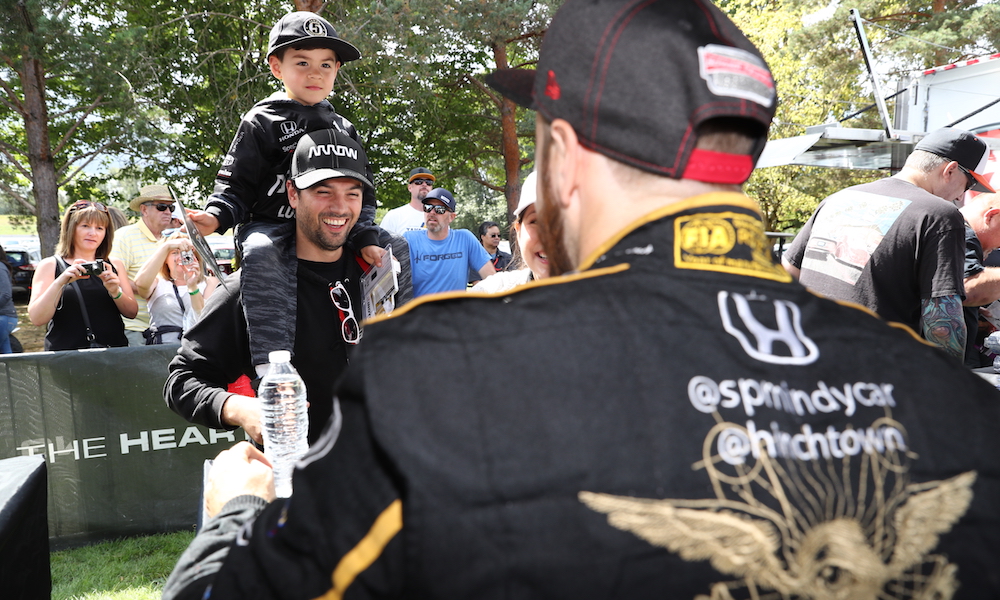
The Portland fan experience got the thumbs-up. Image by IndyCar
Q: Made the return trek to Portland for the return of IndyCar, and it was wonderful. Anyone complaining either did not attend or has expectations that simply cannot be met. Was everything perfect every day? No. Is it ever at any multi-day event? Any big event, be it a concert, major league sports event or auto race, is going to have traffic and long lines. Deal with it. Was it worth the traffic and lines? Hell yes. If you are bored, it is on you. There was non-stop track activity every day. The drivers were accessible and friendly. Before any gasbag that never leaves their couch comments, see some highlights below from my IndyCar weekend.
Also, from the time I inquired about tickets back when the date was announced to race day, I received constant emails keeping me up to date on my ticket status to what to expect each day at the track. On Friday I approached Mario with an item I’d had since I was 11, and he could not have been more engaging and polite. I had similar experiences with Power, Pagenaud and RHR. Graham Rahal was equally as accommodating in the autograph session. Met Paul Tracy and he was great, as was Servia, Vasser and SeaBass. After three days we were dirty, tired and ready for home, but had not one regret about attending. Just because something looks dull on TV does not mean it is for the attending crowd. Now get off your asses and see it in person.
Aaron, Medford, Oregon
RM: Glad to hear from a fan that resides in the hometown of my old pal Art Pollard, and glad you had a great experience. The traffic jams at 8 a.m. were the first I’ve seen since CART’s heydays in the ‘90s.
Q: Seems something’s screwy with the IndyCar schedule for 2019. Ending with a three-week gap from Portland to Laguna seems unnecessary until you see that IMSA has already announced its presence at Laguna on Sept. 13-15. I can’t imagine the promoters doing two big events back-to-back. So, who gives and when? Isn’t it likely that the egos that be will just say OK, IMSA on Saturday and the IndyCar finale on Sunday, Oct. 15? NBC is already there.
Rick Moris
RM: No, IMSA wants its own weekend and regular date, and IndyCar will finish Sept. 20-22. The smart thing for IMSA to do would be run a doubleheader with IndyCar at Laguna, Watkins Glen and COTA since it doesn’t draw flies by itself (except for Sebring and Road Atlanta), and I don’t think either series cares who runs on Saturday and Sunday. But I do know a lot of IMSA teams enjoy the doubleheaders at Long Beach and Detroit because there are lots of fans. And, to your point, NBC is covering both series in 2019, so it makes that much more sense.
Q: I drove seven hours from Boise, Idaho to Portland for the race weekend and will be very glad to do it again next year. The access to the past and present drivers was unbelievable! This was a good start to something that will no doubt grow into what it once was at PIR.
However, there are a few things that no doubt will be considered next year for the even larger crowd that will be there. The biggest need is for the PA system to be extended to the backstretch so the thousands of fans there will know what is happening around the track. I found the IndyCar radio feed on my phone, so while I listened to that, we tried to keep the fans around us updated. Did anyone mention this to you? There are a few other items that will no doubt be addressed during the promoter's/track's debriefing, but I hope the larger crowds next year do not impede on the fantastic access the fans had this year to the personnel and product that IndyCar brings to the table. Great weekend, IndyCar. Let's do it again next year!
Robert Strawser
RM: I heard a few complaints about the dust and lack of a PA system in the area where you watched, so I sent them on to promoters Kim Green and Kevin Savoree. But most of the many letters I received raved about access and how accommodating the drivers were during the weekend. But those are two of IndyCar’s strengths compared to most series.
Q: You often shoot down the idea of IndyCar promoting its own races on the basis that local promoters are required. But in addition to their home event at Mid-Ohio, Green/Savoree seems to be able to successfully promote events in St. Pete, Toronto, and now Portland. Given its success, I wonder if IndyCar could more quickly achieve its optimal schedule by identifying tracks/markets where it (and its sponsors) want to be, and promoting its own races. Whether it creates its own promotions department or contracts the promotion out to Green/Savoree or other promoters (Randy Bernard?), this could enable it to have a better chance of racing in appealing or underserved markets. It might also allow it to better control the race dates and flow of the overall schedule. If other track owners and/or promoters are reluctant to bet on IndyCar, then IndyCar should consider betting on itself.
Kirby, Indianapolis, IN
RM: Kevin and Kim did a great job at Portland with no title sponsor, but Honda is their bread and butter at Mid-Ohio and Toronto and Firestone is the sponsor at St. Pete, so that’s key to making things work. IndyCar isn’t going to spend the money necessary to promote a race, so it’s a matter of leasing a track like it did at Phoenix and Watkins Glen (and you saw how those turned out). It’s not a good deal for anybody. You want a track that’s vested in the event and has to make people aware and buy tickets and try to make money. Randy is promoting Garth Brooks so he’s quite content not to be in racing, but misses a lot of the people.
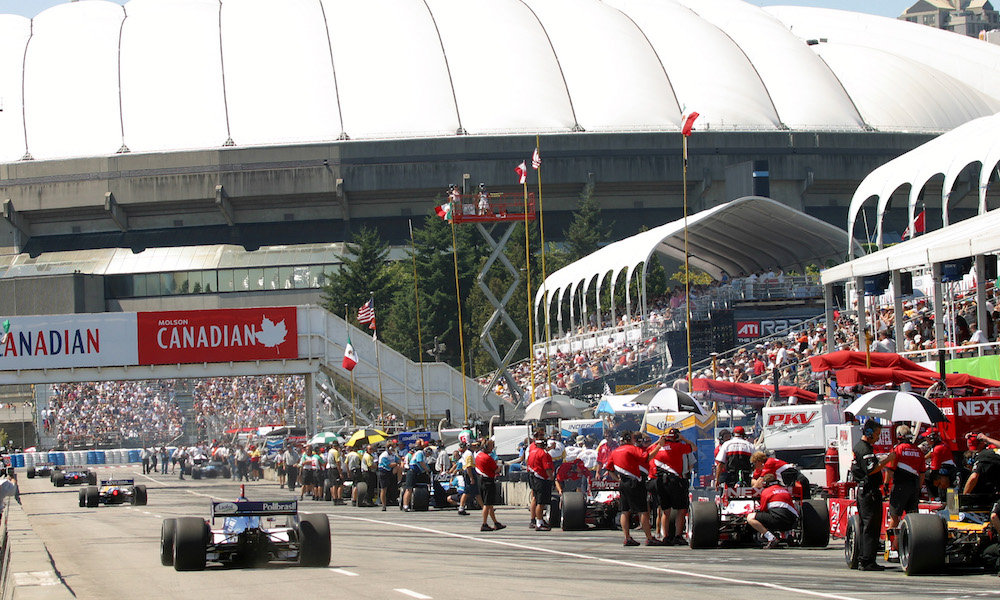
Vancouver: Not forgotten, but very much gone. Image by Miller/LAT
Q: With all the talk about the Northwest missing out for a long time before Portland got back on the schedule, it got me wondering why not Vancouver again? I remember the Olympics was the reason it disappeared, but now, why not? It always pulled in big numbers and was a decent race.
Mike Dolgos
RM: Pretty simple. The circuit downtown was decimated by construction for the Olympics, and there’s no other place to race. But the crowds were always gigantic.
Q: My passion for IndyCar is overflowing since the schedule was announced. Overflowing in a way that most people probably don't want to hear. I feel like ranting, so just bear with me. We have a schedule: that's the good news. Bad news is that we’re going to the Tilke-dome called COTA. Another processional race in the making. The painted asphalt on the edge of the track is awful. You will see people trying to race all the way down onto that. Basically, you can run all the way off the track with no penalty. If that was all sand/ gravel/ grass, no-one would attempt it. I could come up with a better track design then Herman Tilke could.
Then I come to Laguna Seca, another track that people have been clamoring to see return. Seems a lot of people have forgotten how boring races there were. Only two races there that had a pass for the lead on the last lap, and several had zero passes for the lead.
Now that I am finished ranting, I do have a question. What criteria is going to be used to determined the length of these two new events? It's a shame that one of these new dates didn't go to another oval, like one that you have been suggesting – Richmond. This past week there has been news of the sale of the Old North Carolina Speedway in Rockingham to a group of investors who are looking to bringing racing back to that venerable 1.017 mile track. This sounds like a opportunity for IndyCar to try and get in on.
Daniel Bullock
RM: I don’t see how to can write off COTA as processional, since IndyCar has yet to turn a lap. Don’t forget how good Mid-Ohio raced this year with these aero kits, and COTA looks like it’s got a couple nice passing zones. As for Laguna, I said it was an even trade for Sonoma because both are narrow with no straightaways and very little overtaking. Not sure who determines the race length, but I’ll ask IndyCar. Rockingham will need major upgrades to host an IndyCar race, and that’s only if the new owners are interested, which I rather doubt.
Q: Do you think the COTA deal is IndyCar showing the whining masses that like to run their mouths about F1 and its mega budgets what they can do on the same track for less than 10 cents on the dollar?
Haskell Barnett, Victoria TX
RM: No, I just think it appears to be a world-class road course that IndyCar deserves to get a chance at now that the silly Texas blockade has been lifted.
Q: After COTA was announced I became worried that lap time comparisons would start with the F1 cars. Apparently that will not occur because of a slight track layout difference for the IndyCars. My question is, how much more power can the Hondas and Chevys produce with these engines? I think I can count on one hand how many times an IndyCar engine has blown up this year.
Ron, Toronto
RM: There seem to be conflicting reports about whether there’s going to be any changes to the track, but it really doesn’t matter. When Champ Car went to Montreal it was five or six seconds slower than F1, but nobody cared. The goal for these engines is 900 HP in by 2020.
Q: Just curious about the historically fastest cars and how that “power” translated to good racing - in other words, did it make it more fun to watch, and did the drivers like the power?
Trey Kiel, Austin, Texas
RM: Bobby Unser always asked John “Mandrake” Miller for more power when he drove for Dan Gurney, and the three-time Indy 500 winner says 1,200 HP was the most he ever saw. A of drivers loved all that boost, but there were lots and lots of engine failures and the races weren’t always that good.
Q: Please excuse my potential ignorance, but I was confused by Marshall's article. He indicated that IndyCar squeezed 24 cars into the pitlane at Mid-Ohio. Are IndyCars that much bigger than the taxicabs that somehow run 40 cars at the same track? I would hate to see the series' growth limited by available track space.
Erik in Green Bay
RM: No, I think he was just making a point that Mid-Ohio, in particular, has very short boxes and it’s tight quarters for pit stops when everyone piles in. But CART had 28 cars some seasons, and ran Mid-Ohio among other places that were challenging.
Q: It sounds like IndyCar has a potential issue about the field size potentially being limited by the number of pit stalls rather than the number of teams ready to race. Why aren’t teams limited to two cars? I know that a few years ago if Penske, Ganassi, and Andretti were limited to two cars the fields would have been a bit of a joke. I certainly don’t want to see anything done to curtail the number of entries, either.
However, the thought of a team championship is interesting. I guess Andretti would have two cars, then Herta would have two cars, Harding would have two cars and McLaren would have two cars instead of eight Andretti cars, if such a thing came to fruition. That might stunt some teams from running three cars though, and I’m not sure that’s great either unless those third cars don’t count for the team championship points. None of this solves the problems with the number of pit boxes. IndyCar could adopt what Supercars has done and use shared boxes. Double-stacking is definitely a penalty under yellow at a road course in V8SC, and it sounds like the ovals can accommodate a full field anyhow. If IndyCar wanted to, it could double-stack based on championship points when the number of stalls are limited. I think that’s better than limiting the field size.
Ryan Terpstra
RM: First, read the answer above yours. Secondly, let’s not get too far ahead of ourselves about too many cars, restricting teams, points, etc. There could be 25 full-time cars in 2019 if everything falls right, and maybe 26-28 at certain races. And of course if you have a situation where a track could only accommodate X number of starters, then you send somebody home in qualifying (which is a terrible idea considering today’s struggles to get sponsors). But that happened back in 1998 at Nazareth (Andre Riberio in Roger Penske’s car got bumped) when only 26 cars could fit into the pits.
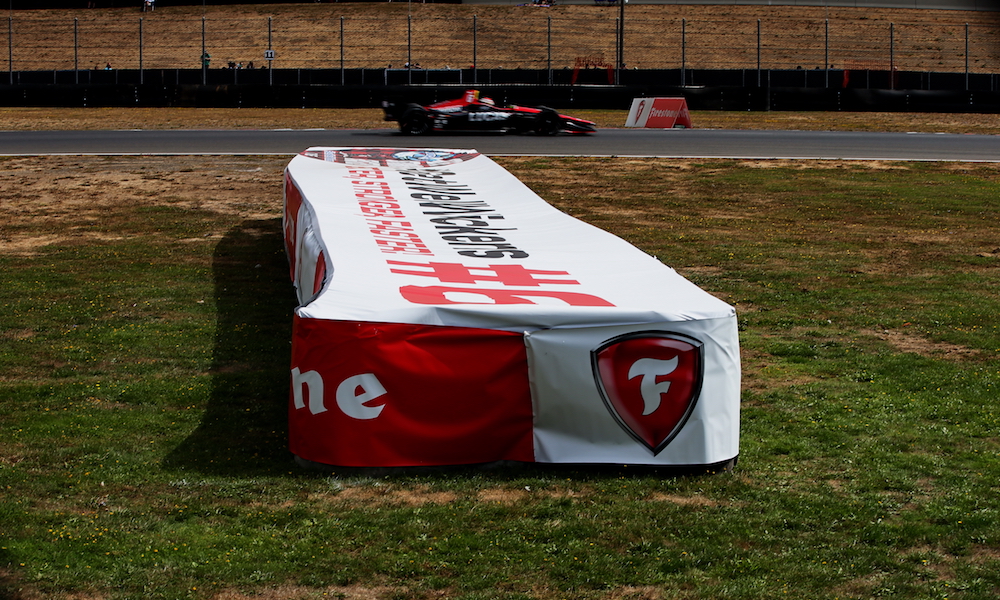
Carlos Munoz passes the #GetWellWickens tire barrier at Portland. Image by IndyCar
Q: I’ve bitched a lot about ride buyers, but here I go again. I was talking to a driver in Portland and he said that the asking price for the SPM ride was “astronomical.” My question for you is, why? Honestly, why wouldn’t SPM try and get the best driver possible out of respect for the job Wickens and his crew have done all season? Munoz is not the guy, and his history shows this. His 12th at Portland was because of all the weird &*%^ that happened. Now, if this was for the Indy 500 I would agree with the call, but it’s not, it’s for two road courses. I’m sure SPM will argue that it needed the money because of the loss of an entire race car. But is this really true? Does the ride buying need to happen to keep the doors open at these race teams, or is it to ensure the owners live the life that they want? What is your take? I think hiring a Munoz doesn’t show respect for Wickens and his crew.
Josh R., Salem, OR
RM: Sam is a savvy businessman and a racer, and Arrow is a great sponsor, but obviously he decided that selling that ride was best for the team. A lot of people figured he might just hire the best available driver as a thank you to the No.6 team, but... And it’s not that Munoz isn’t capable, he’s just much better on ovals.
Q: Reading the list of Robert Wickens’ injuries literally brought tears to my eyes. As a retired mechanical engineer and fan of IndyCars since the 60s, I’d like to offer a few observations and comments. IndyCars are too damn fast for the tracks on which they race. I was at Indy in 1972 and vividly remember watching Al Unser in the Johnny Lightning car make steering corrections in Turn 2 during a windy practice day. I believe in that era the average speed at Indy was in the 172 mph range, and it was every bit as exciting as today.
The added speed of today’s cars adds unnecessary danger without truly adding to fan experience. Passing seems always to be hampered by marbles. Most of this, I believe, is the consequence of soft tires. Even the hardest of today’s tires are really relatively soft and short-lived. Remember when Andretti won on just one set of tires at Indy? Why not make the tires hard as rocks? Cornering speeds would be reduced. Consequence would likely be much more need for braking into turns, making longer braking areas and many more overtaking opportunities.
Overtaking is also hampered by aero wash affecting following cars. How many times have we heard that drivers could not get close enough to make a pass? I know it will never happen, but I advocate getting rid of wings and tunnels. This would contribute to drastically reduced cornering speeds. The amount of energy of a car crashing at reduced cornering speeds would help driver safety. Frankly, the pre-wing Formula 5000 cars pretty much fit my prescription.
And on the subject of cost, why not go to a stock block? Costs could really be kept down by allowing a large displacement stock block with a relatively low rev limit. Again, I know this isn’t going to happen. But we as fans first need to accept that the show can be equally, or more, entertaining without going at today’s ridiculously high speeds. We’ve just had too many close calls. It’s time for us to be adults and accept that there really should be some serious changes
Earl Zwickey, Amarillo, TX
RM: I want the drivers to have a chance to save a car and that’s impossible at some of the cornering speeds today, and it could also make things safer. Gordon Kimball, who designed winning cars in IndyCar and F1, is worth listening to on this subject:
“The simplest way to make ovals safer is to slow the cars down, not add more downforce back. The show would likely be even better at 180 or 190 mph. The drivers would have a real chance to fight the car and the fans could see that battle. At 220 mph, impressive as that number is, because of aerodynamic fundamentals, the drivers have very few options. That is why there are so many impressive moves on restarts – they are going slower. The margin for control responses is bigger. The time to respond is greater. The aero effects are less. The energy to be absorbed is reduced by 25 percent. Slow them down, give the car control back to the drivers, put on a better, safer show.”
Q: With last year’s cars not exposing their rear tires to avoid a car vaulting into the air and outside fence, was Wickens’ accident due to the rear tire putting his car into the air? Had they used last year’s set-up, protecting the rear tires, could this accident possibly been avoided? Love the racing this year, but hated to see a great up-and-coming driver get seriously hurt.
Rick Summey
RM: Open-wheel cars climbing wheels all react differently but usually get altitude (Scott Dixon’s 2017 fly-by at Indy had the wheel guards) and the laws of physics take over. Nobody can predict what can or might happen.
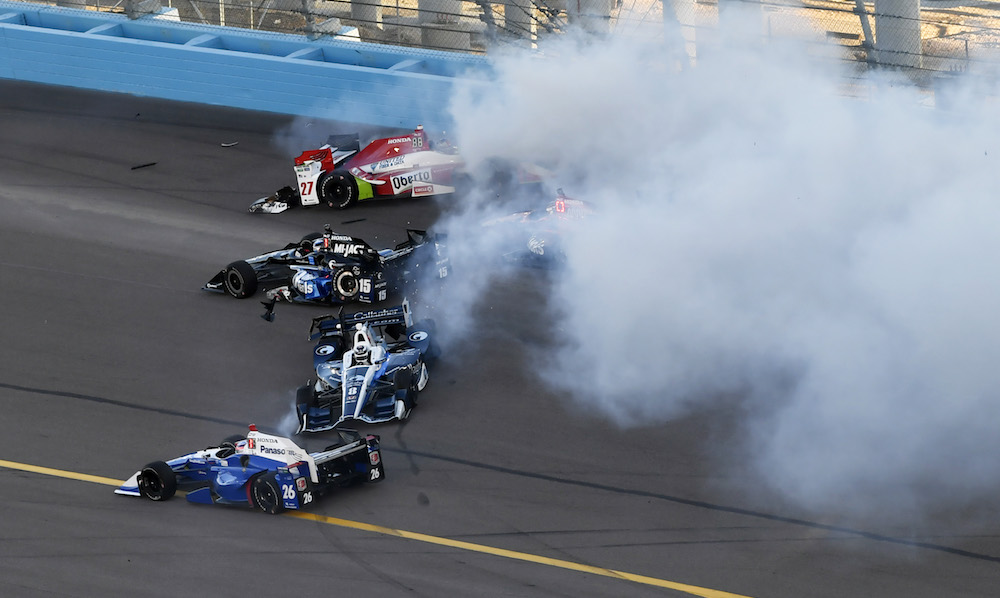
In most cases - such as Phoenix, 2017 – crashed cars are eventually returned to the teams. Image by LePage/LAT
Q: It is amazing that Robert Wickens survived his crash and it is a testament to the work IndyCar has made to safety in the last five years, but I'm wondering what happens to the remains of Wickens’ car after a crash like that. Does it go back to the team to be salvaged, or back to the manufacturer to be studied, or maybe it goes to IndyCar to be scrutinized? Can you fill us in on what happens to chassis after such a major crash?
David, Chicago
RM: IndyCar kept the tub for a couple hours, taking photos and comparing notes with Dallara, and then gave it back to SPM. That’s usually standard operating procedure. In a case like Dan Wheldon, I believe IndyCar kept the car for a few months and went over every detail.
Q: With the recent release of the extent of Robert’s injuries, I have to ask: Did the safety cell really do its job? And what about the HANS device? In 1971 I was involved in a very bad car accident (my fault – stupid teenager) in which I fractured my fourth lumbar vertebrae. It took over a week before the doctors knew whether I would be paralyzed. Luckily, I wasn’t. I have stainless steel rods and screws between my third and fifth vertebrae, and I have to be careful that I don’t overdue it. I was lucky. Hopefully, Robert will come through okay and be able to walk again. Forget racing again. Just being able to walk is the most important thing. If he can race, then that is a bonus.
The number of fractures to his extremities is troubling to me. It doesn’t sound like the safety cell offered enough protection. Did the safety cell get ruptured or punctured? I can understand that his arms may have come out of the cell, but multiple fractures to both legs is disconcerting. Are IndyCar and Dallara looking at the safety cell to see if it offers enough protection? I sure hope so.
I also have to ask if the HANS device was faulty or improperly installed?
Doug Mayer
RM: Talking with SPM team manager Taylor Kiel and Dallara’s Owen Synder, they both said the safety cell held up as good as anything imaginable considering the ferocity of Robert’s accident. And everything else performed to standards, as it should have. There was a report the fire bottle came loose on impact and that may have contributed to his leg injuries, but nothing has ever been confirmed. When you go from 190 mph to zero, the consequences can be devastating, and I’m just glad he didn’t suffer any head injuries. We are all praying he walks out of the rehab center.
Q: Questions about Cleveland seem to be appearing almost weekly, and your standard response is that Mike Lanigan would promote Cleveland again if he could score a good title sponsor. Is he actively looking for a title sponsor? Would it help to get a committee together to help him look for a title sponsor? What can we do to help him bring racing back to Cleveland? There's a small Facebook page named "Bring Back the Cleveland Grand Prix" that must read your column since they share a lot of your Cleveland Mailbag questions. Every little bit helps I guess. https://www.facebook.com/ClevelandGrandPrix/
Brian Dembinski, Amherst, Ohio
RM: No, I don’t believe Mike is looking for a sponsor, he’s busy running his company (MiJack), but if someone were to find a sponsor and bring it to him, I imagine they could get a nice percentage and become a hero, because we all want to go back to Burke Lakefront Airport.
Q: Will we ever see IndyCars back at Michigan International Speedway… and why the hell not?
James Hileski, Kalamazoo, Michigan
RM: Not unless MIS wants them back, and there’s no conversation at the moment.
Q: How much does it cost a venue like Gateway or Pocono to host an IndyCar race? How much do tracks try and get for title sponsorship of races?
Ben, West Michigan
RM: It all depends on the sanction fee, how much sponsorship can be obtained, your marketing budget and the expenses of conducting a two-day show. Gateway (Bommarito Automotive Supply) and Pocono (ABC Supply) both have good title sponsors, but nowadays that could vary from $100,000 to $500,000.
Q: In regards to the 2019 schedule and news that COTA is on the schedule, I have a question about the sanctioning fees and territorial agreements. Having been widely reported that IndyCar was working hard with Eddie Gossage, and that they granted a discount on their sanction fees, it leaves me with the following questions: Is this deal now exclusive only to Texas for a discounted fee? Or would this open the door for other venues to request a discount based on territory? Can you give more detail in to other venues that might have territorial rights, and how far those rights stretch that would deny potential tracks from ever becoming an IndyCar host?
Given that Austin and Fort Worth are roughly 220 miles apart, I have been looking around at other tracks, both on the schedule and not. Barring what we know about certain tracks’ willingness and facilities, the following host track combinations come to mind: Long Beach and Fontana (60 miles), Toronto and Canadian Tire Motorsports Park (60 miles), Detroit and Michigan Int. Speedway (70 miles), WeatherTech Raceway and Sonoma (149 miles), Pocono and Watkins Glen (170 miles).
Jamie Doellinger, Wrightsville, PA
RM: There have always been different sanction fee prices for different venues, and sometimes it was necessary for CART, IRL, Champ Car or IndyCar to lower the fees in order to keep that particular race going. When Tony George merged the two series in 2008, I know Long Beach got a sweetheart sanction fee because it was owned by Kevin Kalkhoven and Gerald Forsythe, so that was understandable. But I’d be surprised if anyone pays more than $1 million these days, and yes, Texas did get a discount after all these years because obviously the crowds ain’t what they use to be and IndyCar understands. Texas and Sonoma were the only two territorial deals I’ve ever heard of in IndyCar. Belle Isle and MIS ran together in CART, as did Pocono and The Glen or Toronto and Montreal. Long Beach and Fontana never had a problem because they were always separated by five or sixth months.
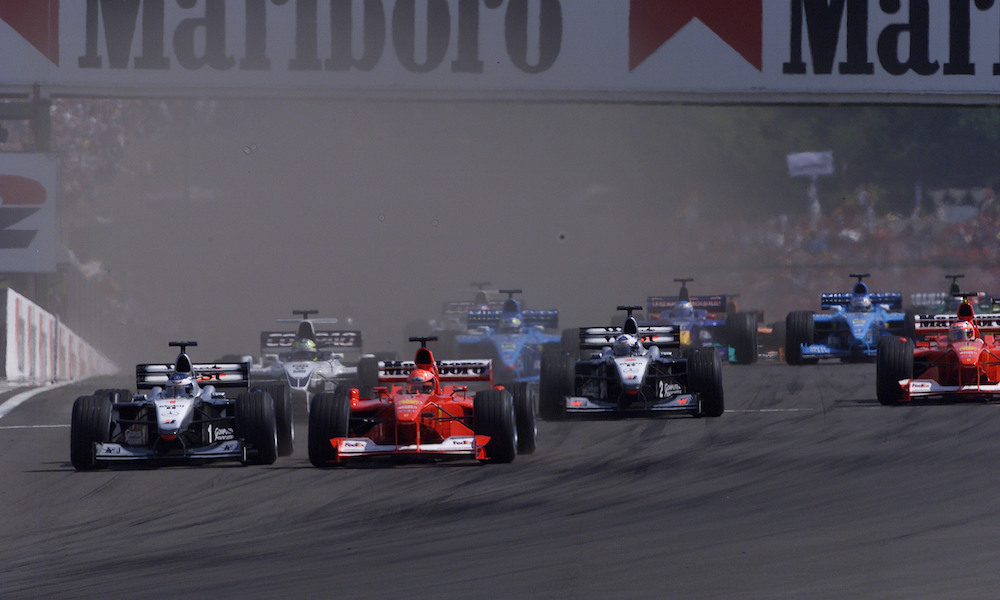
Mika Hakkinen fights off a startline chop from Michael Schumacher at the 2000 Hungarian GP. Image by LAT
Q: Regarding the 9/5 Mailbag on blocking: I agree with the writer that there is too much blocking going on in all of open-wheel racing. Michael Schumacher was the one who legitimized this, and now it has become a standard tactic from the drop of the flag, and especially (sadly) by top drivers like Hamilton or Vettel who know that they can get away with it without penalty. This is one import from European racing that we can all do without, so I hope that the IndyCar stewards take a hard(er) line on this kind of behavior, as we now are seeing more drivers coming here from the European feeder series and F1.
Whether it is an oval or a road-course, we know that wheel-to-wheel contact can easily result in a car being launched with disastrous results. Defending your position is one thing, but putting another driver at risk is simply unacceptable. How much self-policing goes on within the IndyCar paddock? On many occasions, after watching one of the F1 guys pull a dumb stunt (just watch any start or restart with weaving, blocking and brake-checks), my feeling is that if they did that over here they’d probably be sporting a black-eye at the next race. Do the senior guys like Kanaan or Hunter-Reay provide some “counseling” to their younger competitors to address these tendencies?
Royal Richardson, Chester, N.H.
RM: I think IndyCar makes it clear you can make one move to defend but can’t react again or you will be penalized. And there isn’t the ridiculous cut-across-the-track blocking in IndyCar that we see every week in F1.
Q: What a great season this has been (except for Robert Wickens’ crash). There has been something for everyone. As I'm watching the season unfold, I'm sensing an uptick in viewership at the races. Road America, Gateway, Mid-Ohio, Long Beach and Indy have diehard fans and are becoming a cornerstone of the series. More cars are looking to enter the fray and compete. Add the success of Portland, and IndyCar is headed in the right direction.
This said, I'm growing to like the six-seven month season. My reasoning is, it seems that here in the USA, improving a sport product equates to "more"! The NFL has Monday night football doubleheaders, if that’s not enough we have Thursday Night football. Didn't get enough on Sunday? Well there’s a Sunday night game for you. NASCAR: 34+ races of mile-and-a-half droning boredom. Nothing has been done to improve the product, there’s just more of it. Same goes for hockey, baseball and basketball. Don't improve the game, create the wildcard and "everyone is in the playoffs"!
IndyCar, contrary to other sports, is actually improving its product. Broadcast production, new cars/aero kits, world-class drivers and racing where anyone can win on race day. Access to the drivers, pits and garages is awesome. Every race means something, and those races are developing their own personalities. I think anticipation of the upcoming season will build a desire for people to get to the track and watch the best racing on the planet. I'm sure sponsors want more exposure, but if IndyCar keeps improving the product, their sponsors will be very happy to be on the cars. Do you agree?
Chip, Earleville, MD
RM: I like your less-is-more theory to a point, but I do wish IndyCar would run through October and only be off the national radar for four months, because six is just too long. I do think Mark Miles is still pursuing an earlier start, albeit out of the country, but with NBC as a partner there’s an opportunity to stay relevant and not have people think Indy is the beginning (and end) of the season.
Q: I'm a renewed IndyCar fan in Texas, and am really looking forward to attending the COTA race next year. For a long time, I've wanted to see an oval race where the pits stay closed during cautions. All stops must be under green. It would obviously require a stop-and-go penalty if you must stop under yellow. Two reasons: First, the whole "line them up and open the pits" is too contrived; second, it eliminates the potential penalty of stopping and being caught out by the yellow, and it might reduce the fuel mileage races. What do you think?
Toby Taylor
RM: I’d much rather see the pits remain open at all times. Running of fuel shouldn’t be a penalty because the pits are closed, but right now there doesn’t seem to be any way to avoid fuel mileage races whether the pits remain open or closed. But at least if the pits are always open, a yellow can’t completely hose the leader and flip the field like it did at Portland.
Q: It seems like your Mailbag has been overrun with people writing that IndyCar needs to replace all catch fencing with Plexiglas. I am not an engineer, although I have always wanted to drive a train. I am a beer league hockey player. I would love to invite the Plexiglas folks to take in a hockey game and sit in the front row! I can fire a shot that gets a hockey puck up to a whopping 45 mph if I really get it right (NHL'ers fire them at over 100), and my shot has caused Plexiglas to shatter. I have also seen players propelled through it, with the Plexiglas shattering all over the fans sitting there. Not only do they have shards of the stuff all over them, they have a hockey player in their lap.
Now I'm sure that there are many different kinds and strengths of the stuff, but if it disintegrates under the force of 6 ounces of vulcanized rubber at 45 mph, how is it going to contain the 1580 lbs of an IndyCar going 200-plus? It would be have to be so thick that vision through it would be very distorted/impossible, and then people who have a whole new thing to howl about. Yes, safety needs to always be improved, but it is not something you can have knee-jerk a reaction to because then Newton's third law will kick your butt: for every action, there is an equal and opposite reaction. Thank you for taking the time to address the issue and not joining in the calls for something that might be a solution in the future, but is not ready today.
Edward G.
RM: There were a myriad of issues (not to mention costs) with Plexiglas when Randy Bernard met with the Raytheon folks back in 2011, so it never really had much traction.
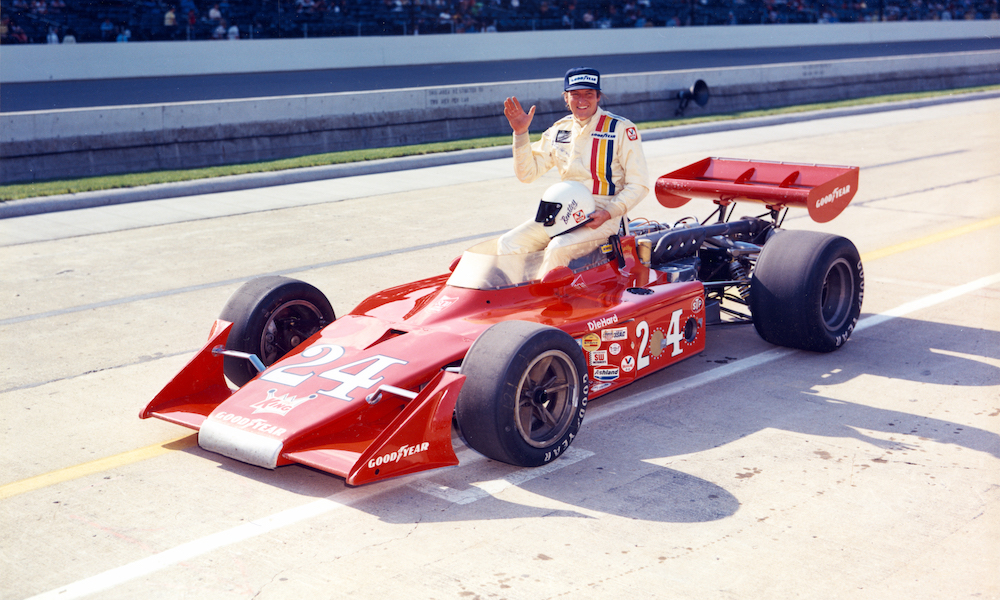
Bentley Warren made his second and final Indy 500 appearance in 1975. Image by IMS
Q: More of a comment than a question, but this past Labor Day Weekend, I spent the Sunday where I have for the past 46 years – at the Oswego Speedway International Classic 200 for supermodifieds. Davey Hamilton made his annual trip and ran well in a super fielded by the top team at the track. For not running there but once a year, he adapts and races quick. But it got me thinking of what great talent there is in the big block supermodified class around the country. Unfortunately, without road course experience, they are not moving up in open-wheel racing anymore, and are resigned to staying where they are. Most are OK with that, but I bet there are a few that wish they had a pathway to IndyCar. Just wish we could see our local stars go big-time like in years past.
Jeff, Westfield, IN
RM: Bentley Warren is the Oswego regular who made it the furthest (started two Indy 500s), although Gordon Johncock also raced there as he was coming up, and I thought Doug Hevron was going to be a star when he made it to IMS but it didn’t pan out. Joe Gosek took advantage of The Split and got to run Indy and that was cool, but I think you are right – most of the Oswego winners and champs are happy running modifieds at that iconic track, and if somebody gave them a couple million I’m sure they’d like to try Indianapolis.
Q: I didn't really appreciate that a quarter-mile dirt track, grandstands, and a paddock area could easily fit inside one turn of the Speedway. I forget how enormous the Speedway is. I liked what I saw on the NBCSN broadcast and wish we could have had more time. Do you think this will become an annual event, and if so, would it be scheduled the same time in September? I am already wondering if I should bypass Laguna Seca and attend the next BC39. I do believe Bryan would have been so pleased with the turnout of fans and the variety and quality of the drivers. I am going to keep an eye out for Zeb Wise and his racing endeavors. What a future this young man has ahead of him.
Deb Schaeffer
RM: The track is permanent, and I think the plan is to run once a year at the same time (can’t do May because IMS says it needs the parking space), and I don’t think the track would be good for Indiana Sprint Week. But it’s a perfect midget track.
Q: Perhaps you have answered this in previous articles, but I saw a photo of the walls being constructed of poured concrete for the third turn dirt track at Indy. Does this mean it is a permanent fixture? If so, how will it be utilized during the month of May?
Kirk Whitacre, Ft. Myers Beach, FL
RM: Oh yeah, it’s permanent and the fence and wall assembly are as good if not better than any short track in the country. No plan to use it in May.
Q: I have been a fan of IndyCar since 1986 when my dad took me to watch Rahal win. I was only 10, so the whole experience had a big impact on me. I try to go to the Speedway as much as possible now, and it is always special. I first saw you on WindTunnel and was impressed with your honesty about The Spilt. It was such a breath of fresh air. Since then I have read every Mailbag and listened to all the podcasts that you are a part of. The stories that you have and been a part of are unbelievable! I just wanted to thank you for the work you have done throughout your career, and the knowledge you bring to IndyCar today.
Your perspective has only made my obsession with IndyCar and the history stronger. I hope to shake your hand someday and have you answer some questions about Indy in the 60’s 70’s and 80’s. But I do have a question about the relationship between Uncle Bobby and Mario. I understand they were very close before the ‘81 500, and the friendship has never recovered. What really happened in 1981, and do you understand the perspectives of both men? And what role did USAC play in it?
Mark Pelzel
RM: Glad you became an IndyCar fan but no thanks necessary, I’ve had the best job for 50 years at the Indy Star, ESPN, SPEED, and now RACER and NBC. As for Mario and Bobby, obviously there were hard feelings after one took the checkered flag and the next morning the other one was posing with the Borg-Warner Trophy. And the appeal and subsequent reversal didn’t help things, but I can tell you that they’re still friends. They call each other on birthdays or when something significant happens in their life, and a few years ago they spent an hour at our annual Indy winners dinner reliving their good old days. They’ll always be pals.
Q: I read your Mailbag every week and just want to say thank you for what you do for IndyCar. I can’t help but notice the constant barrage of complaints about the racing! I was born in 1971 into a house on Trudy Drive just outside the front stretch of the Terre Haute Action track, and I have been an open-wheel fan ever since that day. I’ve been to 20 Indy 500s as well as countless other IndyCar races. When I was young I would listen to the broadcast in awe when my heroes would go out and dominate the field.
As the years have gone by, we have celebrated amazing victories and mourned tragic loses almost as if we are part of the family. This Memorial Day will be my 18th wedding anniversary, 16 of which we have spent at the track. My 11-year-old will be attending his seventh-straight, and my 9-year-old will be at her sixth. They will both tell you they’ve never seen a race they didn’t like. If people truly want to help the sport grow, we have some simple advice. Get off your butts, quit complaining and go check out a race. You won’t be disappointed!
Aaron in Bowling Green, Ky.
RM: Thanks for introducing the younger generation to IndyCar and supporting the races. Say hello some day in the pits, and we’ll try and get your kids a couple racing hats.
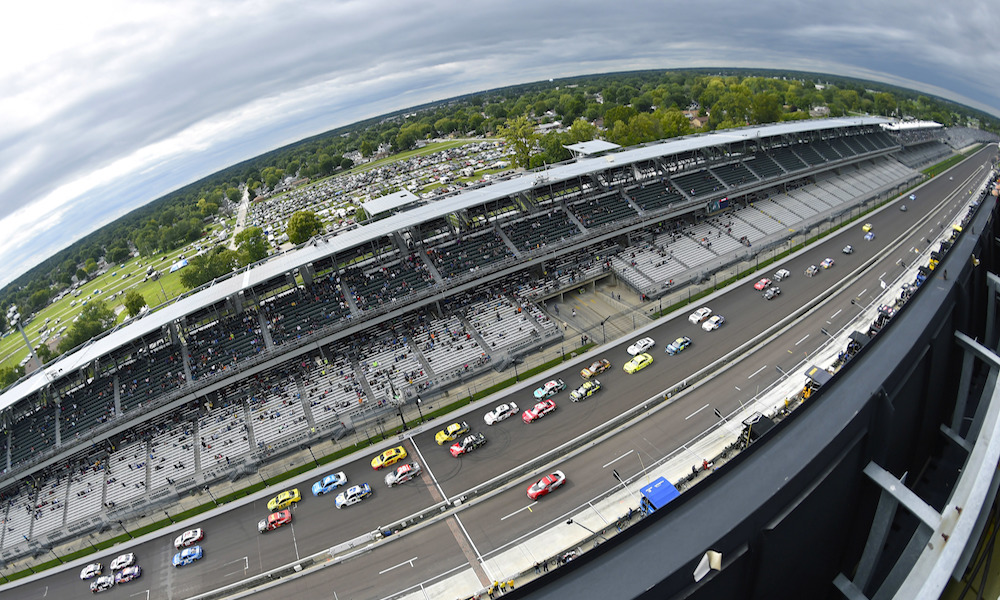
Are NASCAR's days at the Brickyard numbered? Image by Kinrade/LAT
Q: When the TV money is renegotiated and there's not as much of it on the next go, what are the chances IMS moves on from NASCAR? It will never recover to 50 percent of what it was. Bring back the apron, put in lights, run the road course, make ‘em run the other direction, move it to September... nothing. The racing is a hard sell, and the IMS team does everything right to bring the crowd but it’s just not there. Send the support series back to IRP ASAP, and have the Cup guys join them after some new grandstands are built. It'll help them with their recent identity crisis and the disconnect from the local short track fans. I respect the decision to bring NASCAR to Indy in ’94, but the time for another major decision is upon them.
Matt, Marshall, MO
RM: That’s a really good question, Matt. Right now, IMS is one of five tracks that reportedly receives $15 million from NASCAR for hosting one of its big races, and it gets a couple more million for the Xfinity show. So attendance really has no bearing on the bottom line, but it will when the TV money train hits the brakes. It was absolutely a smart business move by Tony George back in the ‘90s, and the Brickyard took over IMS for almost a decade as “the” race in terms of ticket demand and attendance. But you must have listened to the podcast with Kelly Crandall and myself on RACER.com, because I said bring back the apron, NASCAR needs to help pay for lights and put the Xfinity race back at IRP (or Lucas Oil Raceway). It’s not a slam dunk that NASCAR continues after 2020, but I imagine there will be some discounts offered.
Q: What are your thoughts on Furniture Row Racing’s decision to shut down? What does it say for the state of sponsors if the defending champ can’t get his full season sponsored in NASCAR? Do you see sponsorship issues stunting IndyCar’s positive momentum?
Damon Brist, Fort Myers, FL
RM: I don’t know the inside story, but it sounds like the owner [ED: Barney Visser] got tired of spending his own money, and I believe he had some health issues as well. It just says that if Roger Penske had to pay for a couple cars when he fielded four then sponsorship is very tough to find nowadays – and retain. I think there are sponsorship issues in every form of motorsports, but that won’t necessarily hurt IndyCar’s momentum.
Q: I’ve got a question about A.J. Allmendinger. How can someone who goes like hell on a road course and also kicks ass in a Prototype at Daytona qualify 25-27th week in and week out on NASCAR ovals? The announcers are all over him at The Glen or Road America, and then never mention him going from 26th to 24th to 28th to 21st? Sometimes after a race he seems barely able to answer a question. Any thoughts?
William Parker
RM: He’s a road racer by trade who was going to be a star in IndyCar but sadly opted for NASCAR, and obviously the money or potential to earn was what changed is career path. He’s not with the best team, and ovals in 3,500-pound cars have proved difficult for IndyCar drivers (except A.J., Mario, Parnelli and Gurney) to get a handle on, although JPM should have won the Brickyard.
Q: I grew up at all the various drag strips and race tracks in the Southern California area since the early ‘70s and still regularly attend pretty much all forms of motor sports. Something I’ve recently noticed that’s changed since those early days at the track and even on TV – a straightforward old school message to fans to support your sponsors. It might not seem like that big of a deal, but in my opinion, it’s a very important message that needs to be more clearly and directly stated to all race fans.
It’s sort of implied these days, but way back when, track announcers and event those in the broadcast booth didn’t hesitate to say it out loud. As a kid how many times did I hear while exiting an event – “Folks, thanks for coming out, drive home safely and please support your sponsors”. You’d oftentimes even hear a variant of that message throughout the event. We all know sponsors are the lifeblood of all motor racing, and getting them on board these days is probably as hard as it’s ever been. Sponsors need to know there’s value in them supporting a team, event, series, or whatever, and reminding the fans to support them doesn’t cost a penny. Just sayin’…
Spike, Santa Barbara, CA
RM: It’s good if there are sponsors that fans can support identifiable sponsors like DHL, Verizon, ABC Supply, Fuzzy’s Vodka, Pennzoil, Menard’s and Lucas Oil, but there’s not as many as the old days of Budweiser, Kmart, Texaco, Miller, KOOL, Marlboro, Target and Valvoline.
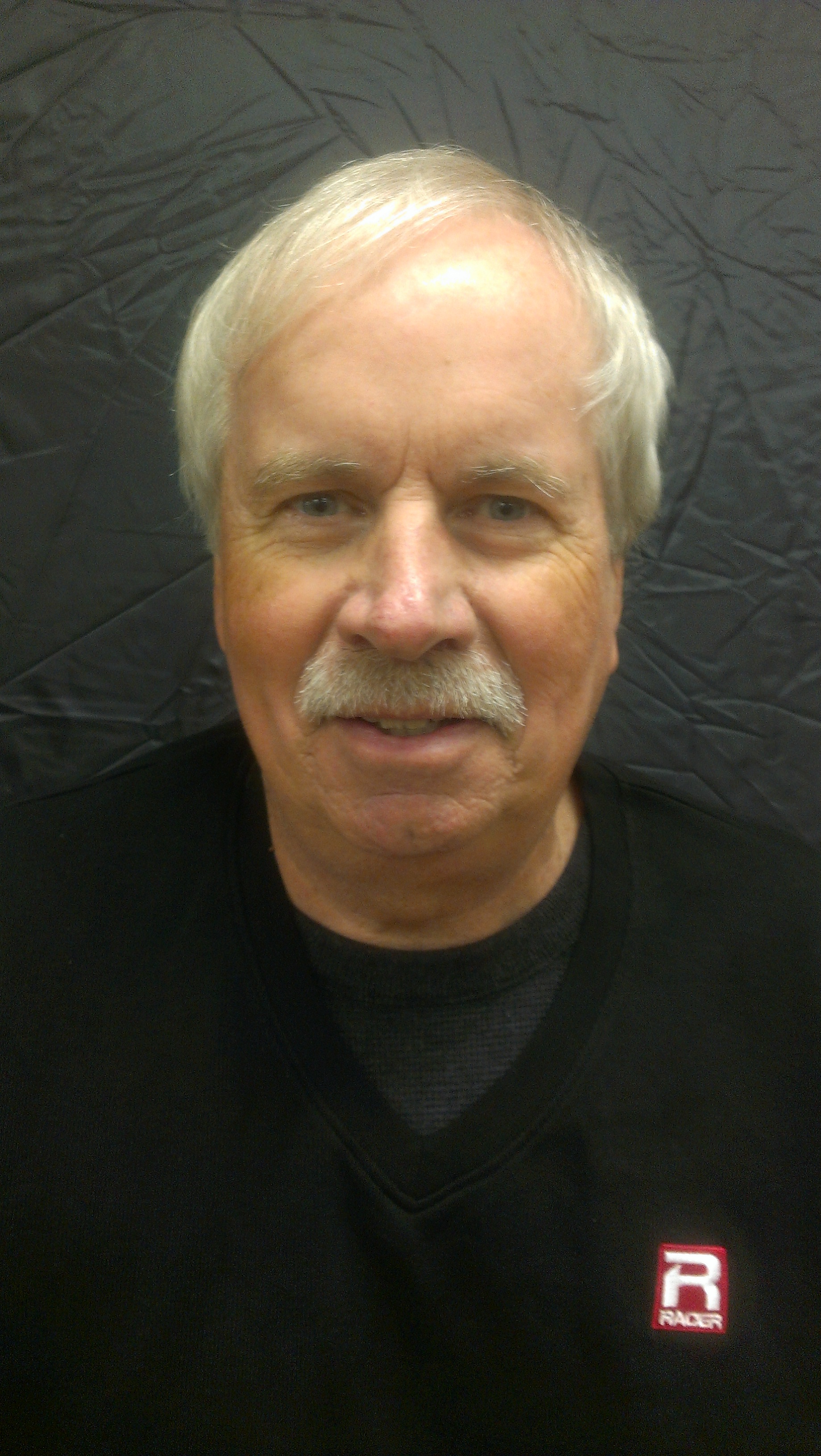
Robin Miller
Robin Miller flunked out of Ball State after two quarters, but got a job stooging for Jim Hurtubise at the 1968 Indianapolis 500 when Herk's was the last roadster to ever make the race. He got hired at The Indianapolis Star a month later and talked his way into the sports department, where he began covering USAC and IndyCar racing. He got fired at The Star for being anti-Tony George, but ESPN hired him to write and do RPM2Nite. Then he went to SPEED and worked on WIND TUNNEL and SPEED REPORT. He started at RACER when SPEED folded, and went on to write for RACER.com and RACER magazine while also working for NBCSN on IndyCar telecasts.
Read Robin Miller's articles
Latest News
Comments
Comments are disabled until you accept Social Networking Cookies. Update cookie preferences
If the dialog doesn't appear, ad-blockers are often the cause; try disabling yours or see our Social Features Support.