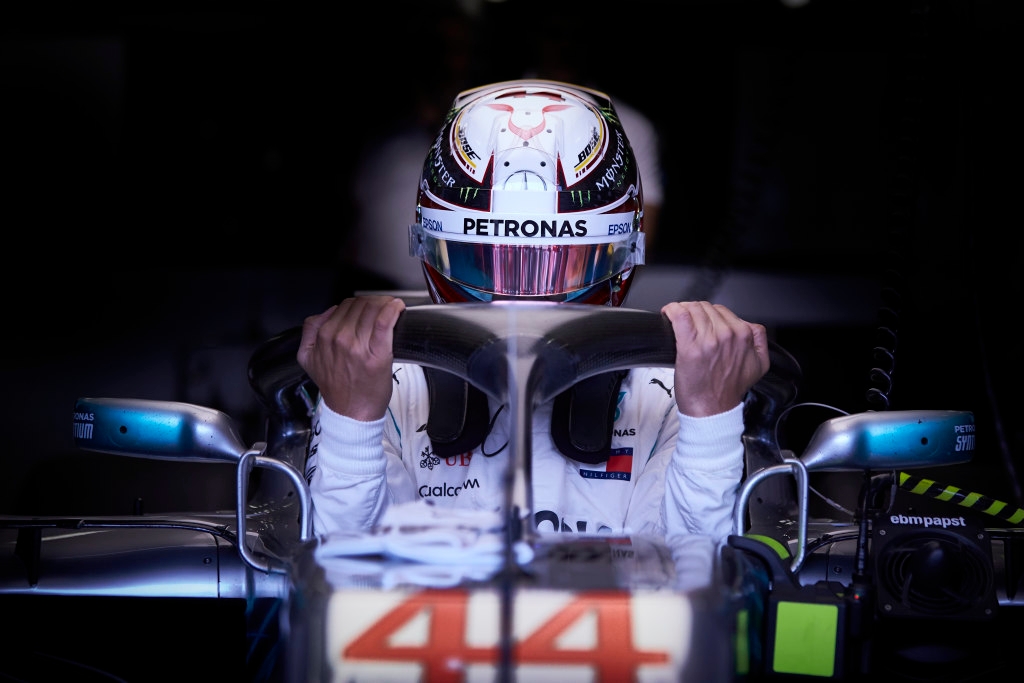
Image by Steve Etherington/LAT
FIA targeting 2021 for Halo upgrade
The FIA believes the next generation of the Halo will not be ready until 2021 as it continues research into an upgrade that will also be more aesthetically pleasing.
The Halo was introduced in Formula 1 at the start of this season to provide additional cockpit protection against large objects, but was met with a significant amount of negativity with little support for its visual impact on the 2018 cars. While there has been recent praise for the device after its role in deflecting Fernando Alonso’s car away from Charles Leclerc at the start of the Belgian Grand Prix, safety delegate Charlie Whiting says the aesthetics remain an area the FIA would like to improve.
“We are very happy with this one,” Whiting said. “We’re trying to roll it out in other formulae, of course. We will have it in Formula 3 next year and any new single-seater category will have to have the Halo; we will gradually work it into Formula 4 as and when a new car comes along. But it’s definitely filtering down and it will be on the Super Formula in Japan.
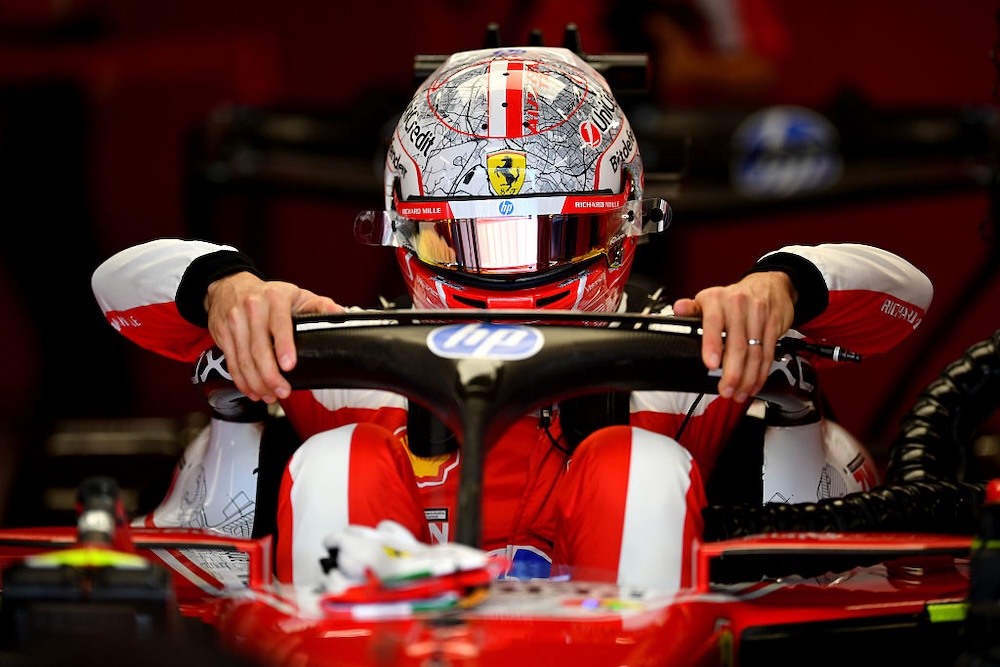
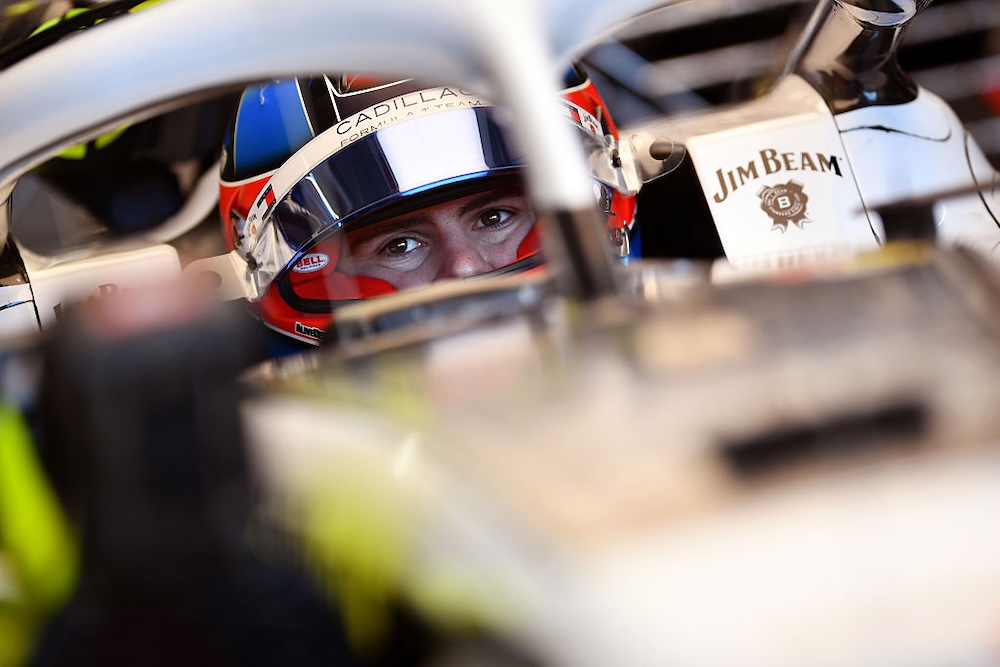

“We’ve got what we call Halo 4 coming along, but it’s quite a long project. It took us five or six years to get to this point with the current Halo. We are working on it but I think it’s looking like we'll introduce it in 2021 when we have the new cars. What we want to do is make it more aesthetically pleasing, a little more pleasing to the eye.
“Since that accident in Spa I’ve had a number of emails from people who had been [Halo] detractors, now they’re saying, ‘The argument is over.'”
Explaining why it is likely to be three years until any changes are made, Whiting says the next version will need to follow a similarly strict research period to the initial Halo.
“There is further research going on for a new iteration, probably 2021, for a possibly more aesthetically pleasing [version] to some, but that’s not the predominant reason for doing it. But I have to say the Halo project was the most thoroughly researched project we’ve ever done, by a long way.
“We put an awful lot of work into trying to look at all the incidents where it may have helped -- you’ve probably seen the presentations. We tried to assess what would have happened with or without it. It was a massively complex piece of research; it would have to be similarly thought thorough if we want to do another version of it.”
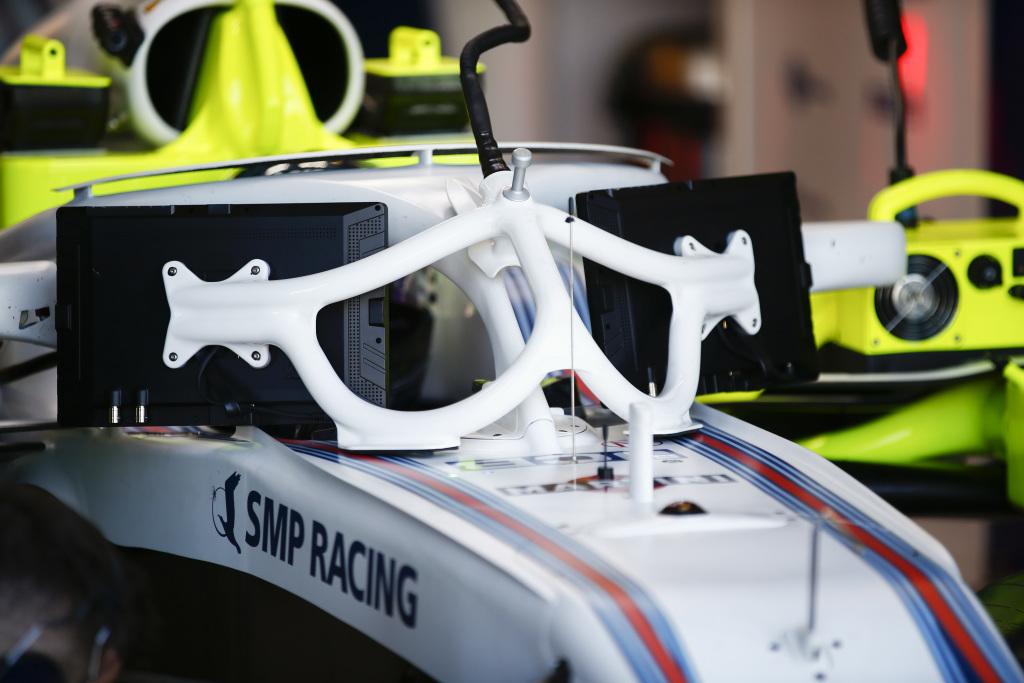
Williams' Sergey Sirotkin models the Halo-friendly display screen. (Image by Andy Hone/LAT)
Formula 1’s Ross Brawn discussed the Halo with Whiting and feels the cockpit protection device now has the full support of those working in the sport.
“I come from an engineering background and one could see that it was a great step forward in terms of safety, but I think we were all a bit worried about the aesthetics and the perception of a Formula 1 car,” Brawn said. “But I don’t see any of that now. For instance, we’ve put the virtual dash on there now, which has been a great asset.
“I think we can conclude it’s been a great initiative. I don’t think there’s anyone in the paddock now who would consider going back on it.”
Presented by:


Chris Medland
While studying Sports Journalism at the University of Central Lancashire, Chris managed to talk his way into working at the British Grand Prix in 2008 and was retained for three years before joining ESPN F1 as Assistant Editor. After three further years at ESPN, a spell as F1 Editor at Crash Media Group was followed by the major task of launching F1i.com’s English-language website and running it as Editor. Present at every race since the start of 2014, he has continued building his freelance portfolio, working with international titles. As well as writing for RACER, his broadcast work includes television appearances on F1 TV and as a presenter and reporter on North America's live radio coverage on SiriusXM.
Read Chris Medland's articles
Latest News

Comments
Comments are disabled until you accept Social Networking Cookies. Update cookie preferences
If the dialog doesn't appear, ad-blockers are often the cause; try disabling yours or see our Social Features Support.