In RACER Magazine: The X-Factor
Inspired by their in-house Formula 1 program, Parnelli Jones and Vel Miletich spawned the DFX, an engine that ended the Offy era and ruled Indy for a decade.
Despite its immortal tally of 27 wins at the Indianapolis 500, Fred Offenhauser's eponymous and legendary engine had become a dreadful mix of long in the tooth and short on life by the mid-1970s. Four decades after the stout four-cylinder "Offy" won its first Indy 500, the sport's greatest powerplant was on its last legs.
Turbocharging was the Offy's final frontier, and with outrageous boost levels – around 49psi forced into the combustion chamber – the white-hot, monoblock motors bellowed and spewed while putting out more than 1,000hp. But the old, heavy lumps were also starting to ventilate at routine intervals as metal fatigued and rotating mass became untethered.
"We were having trouble keeping the Offy engines together," recalls Parnelli Jones of the eruptive 1975 season. "We made a deal with [Offy specialist] John Drake to use his machine and analyze our engines. They had a lot of porosity in them."
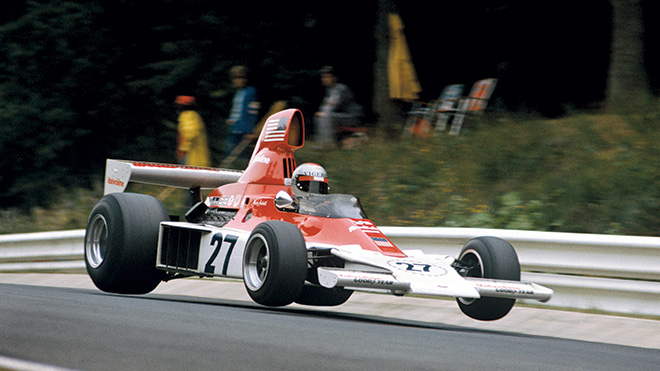
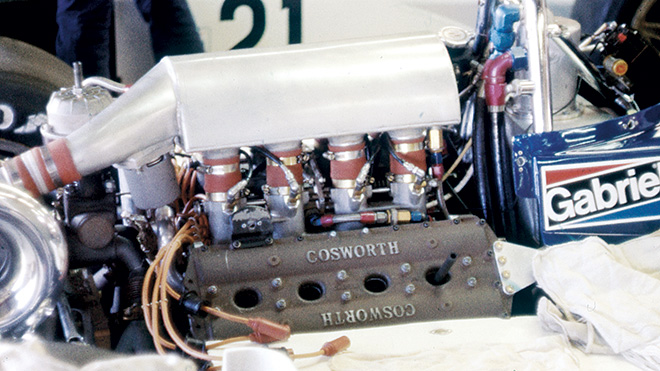
A visit to Cosworth's UK base after the '75 British GP was arranged to discuss the turbo DFV concept. VPJ F1 team manager Jimmy Dilamarter recalls the frustrating exchange with Cosworth co-founder Keith Duckworth.
"I'll never forget the look on his face," he says. "I mean, he was dumbfounded and shocked. He said there was no way you could do that; the engine wasn't going to last, and he went on and on. But the killer was that he wouldn't sell us a block and some heads, which is all we basically needed. He said we had to buy three complete engines...so we did."
When the newly-purchased DFVs arrived in Torrance, Calif., VPJ's engine gurus, Larry Slutter and Chickie Hirashima, tore into them. They removed the F1 rotating assemblies, started the design and manufacturing process for their own internals, and reduced capacity to comply with USAC's 2.65-liter limit, giving birth to the DFV's turbo-bastard son. They named it the "VPJ Turbo Engine."
VPJ Indy car driver Al Unser was taken aback by the clandestine motor during its first run at nearby Ontario Motor Speedway.
"If you have a secret better than anybody else, you're not going to go around and advertise it, so I did say to the team, 'Just don't tell anybody how good this thing is!'" he recalls.
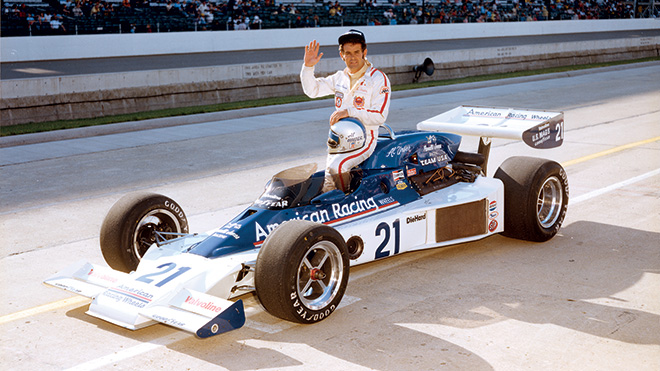
By its third race, the 500-miler at Pocono, the VPJ Turbo Engine was making exemplary power and fuel mileage. Unser won with ease. Sensing they had a game changer on their hands, Jones and Miletich had invited Duckworth to attend the Pocono race. It proved to be a costly miscalculation...
- Get the full version of this story in the 2017 Great Cars Issue of magazine, on sale now. Take a video tour of the issue:
click here
, or to buy The Great Cars Issue online, click here.RACER is also available digitally for Apple and Kindle Fire devices. RACER Digital has the complete content of the magazine's print edition formatted for mobile viewing. With RACER Digital, you'll have access to your RACER content all the time, wherever you are.
The RACER app can be found by searching for "RACER Magazine" in the Apple or Amazon App stores. The app is free and includes issue previews and the RACER.com newsfeed. Individual issues can be purchased for $1.99 and an 8-issue annual subscription is $9.99. Back issues are also available.

Latest News
Comments
Comments are disabled until you accept Social Networking Cookies. Update cookie preferences
If the dialog doesn't appear, ad-blockers are often the cause; try disabling yours or see our Social Features Support.