MEDLAND: In search of Pascal Wehrlein
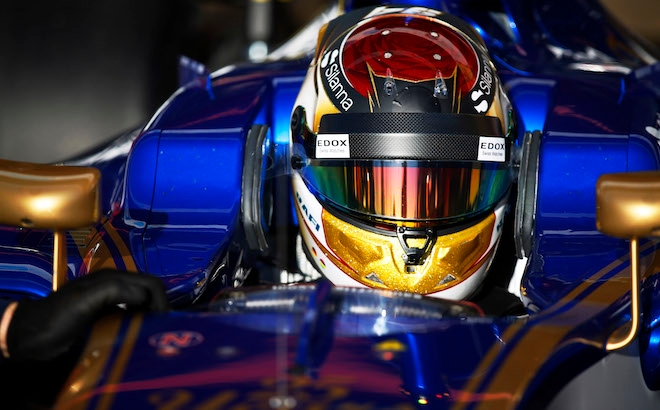
For the second time in three years, Sauber has started a new Formula 1 season with uncertainty surrounding its driver line-up. While the current situation is nowhere near as controversial as the Giedo van der Garde episode in 2015, Pascal Wehrlein's ongoing absence continues to raise questions within the paddock.
After sitting out the Australian Grand Prix due to a lack of fitness - a call he only made on the Friday night after taking part in practice - Wehrlein has been ruled out of this weekend's Chinese Grand Prix as well, with Antonio Giovinazzi again deputizing.
The fitness problem stems from Wehrlein's crash in the Race of Champions at the start of the year, when what was initially reported as a neck problem was later clarified to be a back issue. Either way, the damage left Wehrlein unable to train, and ultimately forced him to miss out on the first test.
Soon after the incident, there were whispers that the injury was worse than initially thought, and one Mercedes team member admitted there was already doubt over Wehrlein's chances of making the start of the season. To that end, Felipe Nasr had contact with Sauber about racing in Australia, but was informed Giovinazzi was his former team's preferred candidate if required.
While Wehrlein's absence from the first test further increased the belief he was facing a race against time to be ready for Australia, such talk appeared somewhat premature just a week later when the Mercedes youngster took part in the second test. But the red flags remained.
Understandably, Wehrlein only carried out a half day on his initial return to the cockpit, but it was a schedule Sauber persevered with across all four days. With Marcus Ericsson present throughout the week, surely it would have made sense to at least try and give Wehrlein a full day at the end of the test to gauge his fitness, and switch the drivers if (or, more likely, when) the German tired?
Of course, Sauber is already in a strange predicament with its drivers following the hiring of Wehrlein. A Mercedes protege who was overlooked by Force India, Wehrlein's future was uncertain for much of the winter while a replacement for Nico Rosberg was sought. Eventually he was confirmed at Sauber following the collapse of former team Manor, resulting in a Mercedes-backed driver securing a seat at a Ferrari-powered team that then used the Ferrari reserve driver to replace him in Barcelona.
The second test suggested no major problems were on the horizon, and Wehrlein was able to complete 59 laps on his busiest half-day, which took place on just his second outing in the car. That was a little over 89 percent of the race distance at Barcelona - albeit not in one long stint - and he had two weeks to further improve his fitness before Australia. To then complete Friday practice before telling the team he was unable to complete the race at 100 percent came as a surprise, and begs the question: how far off is he?
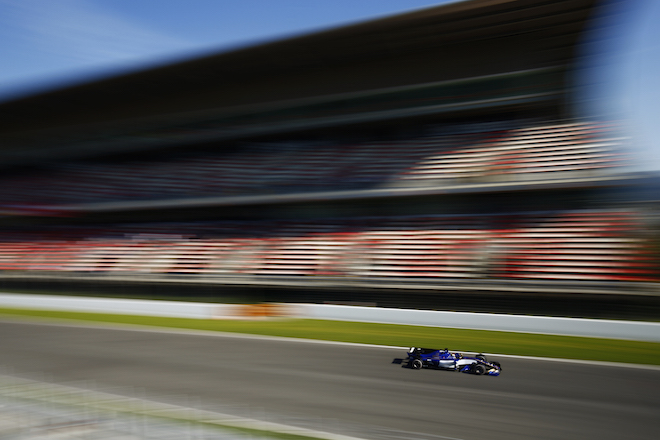
Sauber team principal Monisha Kaltenborn was adamant that the German made the call himself, and praised his bravery in doing so. If that is the case, it actually put Sauber in a compromising position, as the team could not realistically run Wehrlein when he's said he's not fit enough, in case he was involved in an accident. If it was the team's call, then it felt a rookie driver with no F1 experience would be a better bet after just one hour of practice than Wehrlein would be in his unfit state.
The latter scenario suggests a major fitness deficit - as Giovinazzi was fully ready to jump in after just two days of track running this year - or perhaps, a more serious underlying issue. While Wehrlein denied that his back was a factor at all, Australia is a much bumpier circuit than Barcelona. Either way, it is fair to say Sauber needs to bring the car home, because the early races are its best chance of scoring points before the deficit from last year's Ferrari power unit really kicks in.
Suggestions of a more serious back issue - given further credence by one paddock technical source revealing that current seating positions could be dangerous for a driver's spine in specific accidents - were all but ended when the FIA cleared Wehrlein to race in Australia after a fitness test. Another rival team source believes the absence can be explained as Wehrlein being "bloody lazy" over the winter, and not having started significant training before his accident.
After the race, Kaltenborn admitted that Sauber would be monitoring Wehrlein's progress more closely before the second race and had already put him to work on race day in Australia.
Asked on Sunday evening in Melbourne if she was confident that Wehrlein would be fit for China, Kaltenborn told RACER: "So far, yes. We'll see how it pans out. It is [a short window], but there's no linear development there that if you do one day you're here, and if you do two days you're there. It's just a constant process, and we're working on that."
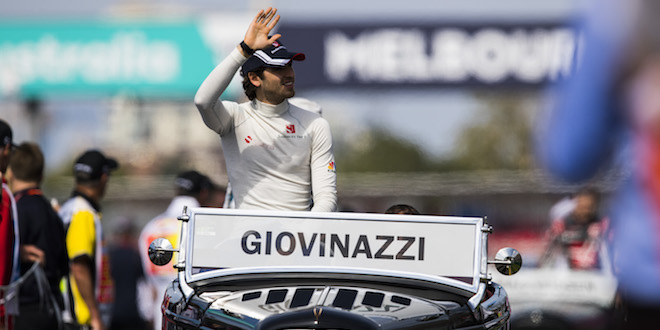
That close monitoring must have shown up a clear lack of significant progress, as Wehrlein was ruled out a full week before race day in Shanghai. It's a sensible approach in terms of taking the pressure off the youngster and giving Giovinazzi more time to prepare, and with just five days between the end of the Chinese Grand Prix and Friday practice in Bahrain, it would be a major surprise to see the German returning before Russia.
The problem is, Wehrlein has to return in Russia. There are already far too many unanswered questions surrounding the situation for it to drag on beyond the fourth race of the season. That will have allowed two months of training since pre-season testing, and Wehrlein's fitness can no longer be excused at that stage.
Despite praise from both Kaltenborn and Toto Wolff over Wehrlein's handling of his predicament, there is only one driver whose stock is rising as a result, and that is Giovinazzi. Hugely impressive in his rookie GP2 campaign last season - taking the title down to the wire against his more experienced teammate and Red Bull youngster Pierre Gasly - the Italian was snapped up by Ferrari and has excelled at every opportunity when in an F1 car since.
With the Sauber team principal saying she "would have no hesitations" to run Giovinazzi again "if needed in any race," the pressure is ramping up rapidly on the man he has replaced. Wehrlein is facing a race against time to get fit and prove the doubters wrong in the short-term, but he has a bigger concern on the horizon.
Esteban Ocon was the preferred choice at Force India for the coming two seasons, and Valtteri Bottas already looks at home at Mercedes in place of Rosberg. Over the winter, Wehrlein spoke with maturity about his need to take on board the reasons why he missed out on both seats to give himself a better chance of progressing in future. But with Giovinazzi proving a more than adequate replacement in Australia, the 22-year-old needs to get back in the cockpit as soon as possible to ensure that this unusual episode doesn't spell the beginning of a premature end to his F1 career.

Latest News
Comments
Comments are disabled until you accept Social Networking Cookies. Update cookie preferences
If the dialog doesn't appear, ad-blockers are often the cause; try disabling yours or see our Social Features Support.