INDYCAR: Decision time nearing over aero kits
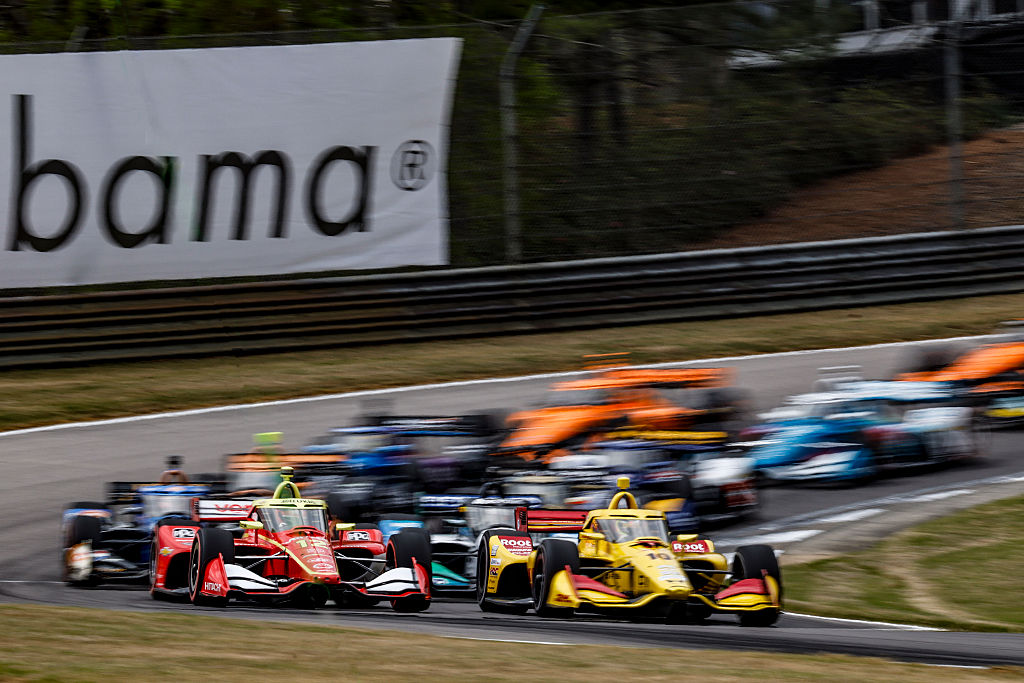
The Verizon IndyCar Series has yet to decide the fate for its aero kits, but it would appear a final direction is on the horizon. RACER has learned a freeze on the current aero kits produced by Chevy and Honda is the most likely scenario to be adopted for 2017 where all of the parts and pieces associated with the 2016 kits would be locked into place.
The freeze would serve many purposes, beginning with cost savings. Both manufacturers would be barred from developing new components, and that savings would be passed onto teams which would not have to purchase or test new aero kit pieces.
Related Stories
The second purpose involves giving IndyCar an expanded timeline to develop a brand-new, common aero kit that would replace the individual Chevy and Honda aero kits in 2018. It's believed a number of potential service providers, ranging from Dallara to Red Bull, have supplied the series with renderings to consider.
"It is getting later every day for 2017," IndyCar competition president Jay Frye told RACER. "I think it is better to do it right, right, whatever it is, 2018 or whatever the date would be."
The possibility of the freeze in 2017 and a new kit in 2018 was met with great interest by team owners who spoke with RACER.
"I'd be completely for it," said KVSH Racing co-owner Jimmy Vasser, who fields Sebastien Bourdais in a Chevy-powered car. "The costs are out of control with the aero kits, so if we can dial that back for a little while and go to something better, something that works for everyone, I bet it would get a lot of support."
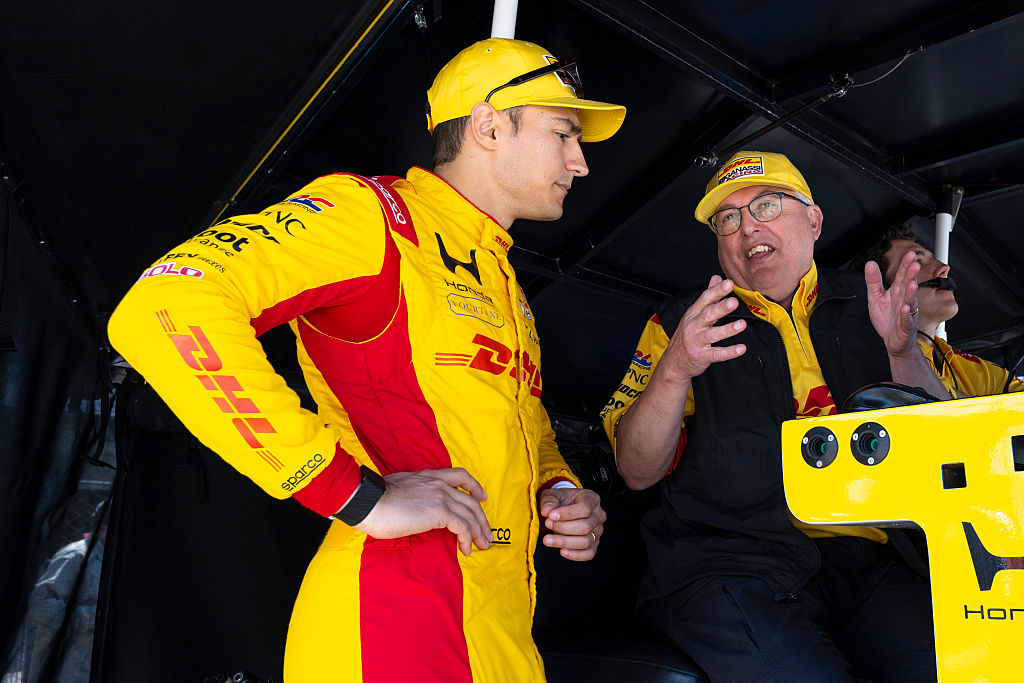
"I don't think it's a bad idea," added Bryan Herta, who co-owns the Honda-powered Andretti-Herta Autosport entry driven by Alexander Rossi. "From a cost savings standpoint, freezing makes sense and gives people time to save for something new in 2018."
Although Frye was unwilling to confirm the freeze-then-new plan, it makes continuing with the existing aero kits for one more season a simple call for the series.
"Again, the [aero kit] regulations are in place for next year, and then beyond next year," Frye said. "That is part of what we have to do right now, is we have to come up with a compelling long-term solution and plan that would change the direction of [aero kits]. That is what we will be working on. We have the manufacturers' feedback, we've got the feedback from the teams and, when we're ready, we'll tell everyone, 'Here is where we are.'"
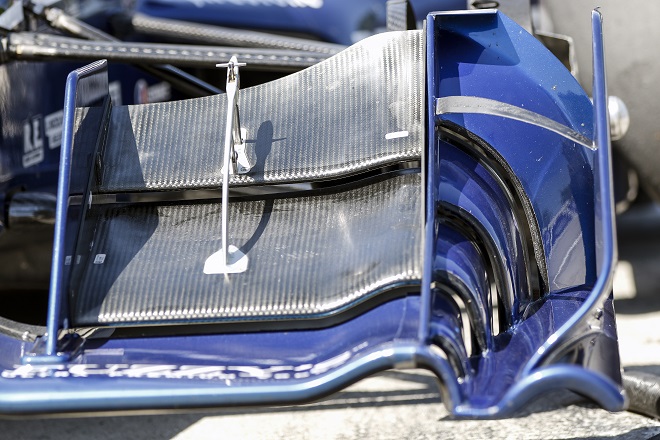
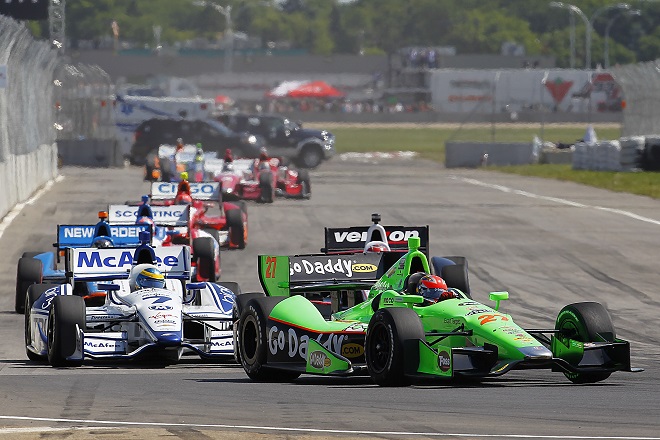
Reverting to the spec Dallara DW12 bodywork, which was used from 2012-'15 (below), is not expected to be an option due to the general dissatisfaction with its performance attributes.

Latest News
Comments
Comments are disabled until you accept Social Networking Cookies. Update cookie preferences
If the dialog doesn't appear, ad-blockers are often the cause; try disabling yours or see our Social Features Support.