In RACER's Great Teams III Issue: Stronger Together
Hendrick Motorsport's rise and rise into a multi-car NASCAR powerhouse didn't follow any well-laid plans. Trial and error, plus an emphasis on teamwork, took it to its lofty heights.
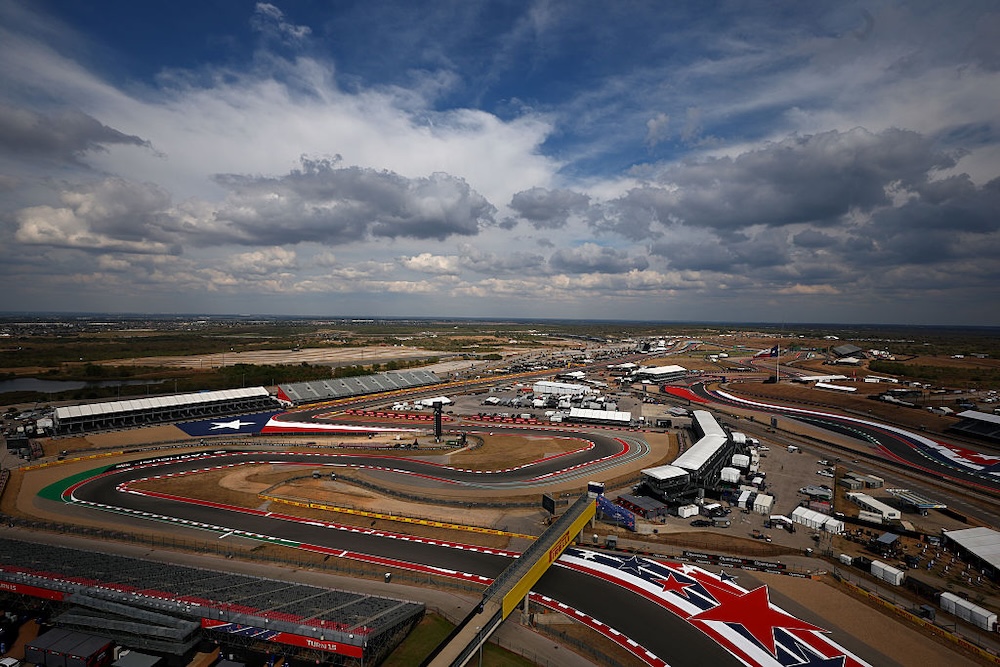
Hendrick Motorsports kicked off the 2016 NASCAR season in January the way it starts every season: with a meeting of all 600 or so employees at the team's state-of-the-art 430,000sq.ft. campus near Charlotte Motor Speedway.
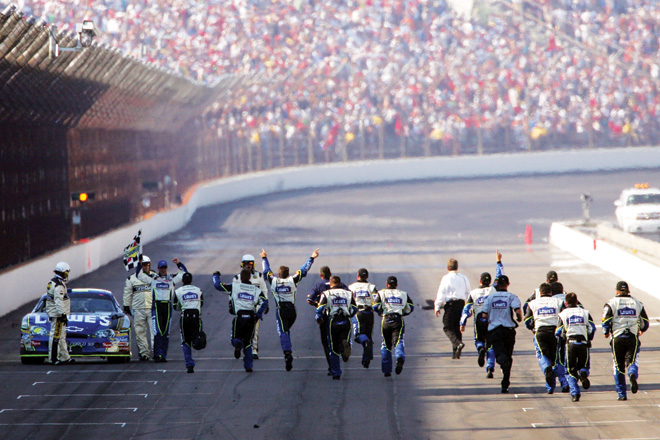
Led by the team's founder and owner Rick Hendrick, all of the drivers, crew chiefs, pit crew members, engine builders, administrative assistants, janitors and everyone else who works there held hands as Hendrick chanted the team's two word mantra: "Stronger together!" The team members followed suit, chanting again and again and again until "Stronger together!" built to a thunderous crescendo.
Stronger together. Two words. Two simple, crisp and utterly unambiguous words. Coming from the mouth of the charismatic Hendrick, those two words have formed the core philosophy that so far has produced a record 11 NASCAR Sprint Cup Series championships and more than 240 race victories since 1984.
But getting to this point was anything but simple or quick.
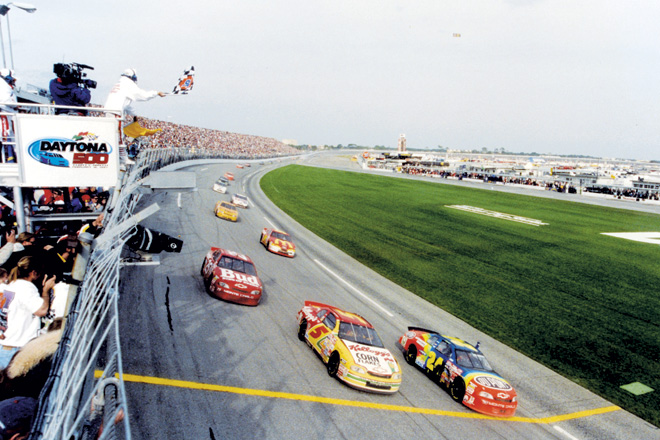
"I think the reason I did it was sharing best practices in the automobile business, and I felt like both of them were good drivers," says Hendrick. "You got two good crew chiefs, two good drivers and a sponsor, we could learn from each other. It took me quite a few years to get the guys in racing to believe that, but that's why I did it."
And in 1987, Hendrick added Tide and Darrell Waltrip in a third car, with Benny Parsons replacing Richmond after he got sick. Only one problem: Hendrick didn't own a three-car NASCAR team. He owned three one-car teams that for all intents and purposes operated as independent entities.
"When you start with multiple teams and multiple buildings, they kind of have their own mentality," says Chad Knaus, the six-time championship crew chief for Hendrick driver Jimmie Johnson. "It's tough to get everybody working together. There were three distinctly different crew chiefs with three distinctly different teams and three distinctly different drivers."
Ken Howes, a South African who joined Hendrick in the mid-1980s to lead the owner's IMSA GTP program and was a Sprint Cup crew chief with the team, concurs with that assessment.
"Rick tried, but it was difficult just because of the circumstance and where the sport was and the personalities involved," says Howes. "It was tough to do."
One of the complicating factors of the early days was that NASCAR allowed teams a much greater degree of leeway in the rules as far as how they built their cars – a bigger box to work in, per NASCAR vernacular – and crew chiefs all built their cars differently. And they all wanted to do it their own way.
Working together "is hard to do when you want to keep your own intellectual property and your own way of doing things that works for you," says Jim Wall, Hendrick's director of engine engineering.
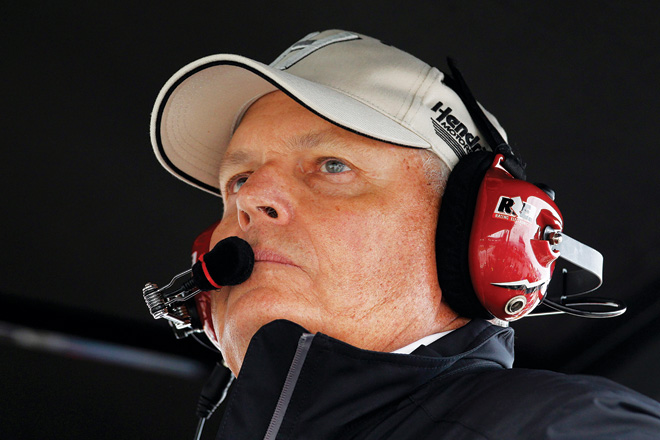
"It's been trial and error," Hendrick says. "We've made some mistakes. I used to have the teams in totally different locations. Then I moved them to the same complex. Then into the same building."
None of this came easily. HMS used eight different full-time drivers between 1986-'94 and didn't win a championship until its 12th full-time season, when Jeff Gordon finally broke through, leading a run of four consecutive Hendrick titles between Gordon and Terry Labonte from 1995-'98.
Get the complete version of this story in the Great Teams III Issue of RACER, on sale now. Click here to take a video tour of the issue.
click here
, or to buy The Great Teams III Issue online, click here. To learn where to buy RACER in your area,click here
.RACER is also available digitally for Apple, Android and Kindle Fire devices. RACER Digital has the complete content of the magazine's print edition formatted for mobile viewing. With RACER Digital, you'll have access to your RACER content all the time, wherever you are.The RACER app can be found by searching for "RACER Magazine" in the Apple, Android or Amazon App stores. The app is free and includes issue previews and the RACER.com newsfeed. Individual issues can be purchased for $1.99 and an 8-issue annual subscription is $9.99. Back issues are also available.

Latest News
Comments
Comments are disabled until you accept Social Networking Cookies. Update cookie preferences
If the dialog doesn't appear, ad-blockers are often the cause; try disabling yours or see our Social Features Support.