INDY 500: Dome skids the focus for opening practice
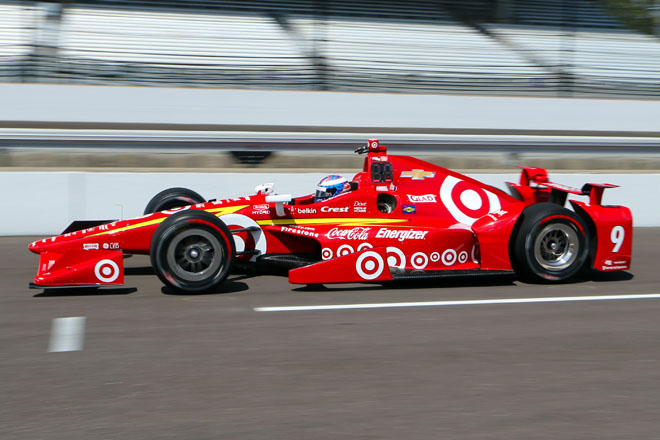
IndyCar teams will have plenty of work to do early this week as they search for the best chassis setups using the mandatory dome skids beneath their Dallara DW12s for the 100th Indianapolis 500.
Compared to a normal first day of practice where teams dive straight into a plan of working on aerodynamic and mechanical balance, the emphasis has shifted to learning how to make the DW12 handle and perform with dome skids affixed to the bottom of the car.
Related Stories
Most teams got a taste of the skids, which require raising the car an additional 9 mm to accommodate the devices, during IndyCar's one-day "Safety Test" at Indianapolis Motor Speedway in April, but with poor weather curtailing the event, the test was less productive than expected.
That leaves today's open practice from 2-6 p.m. ET as the first intensive running teams will have with dome skids.
"We did the safety test but it was really windy and it was a difficult day," Schmidt Peterson Motorsports engineer Allen McDonald told RACER. "We didn't learn that much, other than to worry ourselves! We got a lot of support from Honda, a lot of aero info since then, and a lot of data to pour through. Between the data we have and simulation, hopefully we have a decent starting point."
KVSH Racing engineer Olivier Boisson says he'll focus on getting the ride height and downforce levels on Sebastien Bourdais' car sorted with the Frenchman's Chevy-powered entry.
"For us with the dome skids, it's making a change in terms of trying to figure out the car's attitude and ride height on the track because most of what we have relied on is aero data from the wind tunnel or simulation," he said. "Now we have to run the car 9mm higher and the whole aero map is completely different from last year so we have to go out and validate the data, make sure the ride height is OK, to make sure the [virtual] data is the same like we see on the track."
Dale Coyne Racing engineer Michael Cannon says the process for learning to optimize an Indy car's performance with dome skids is the same as any other new item they test and develop.
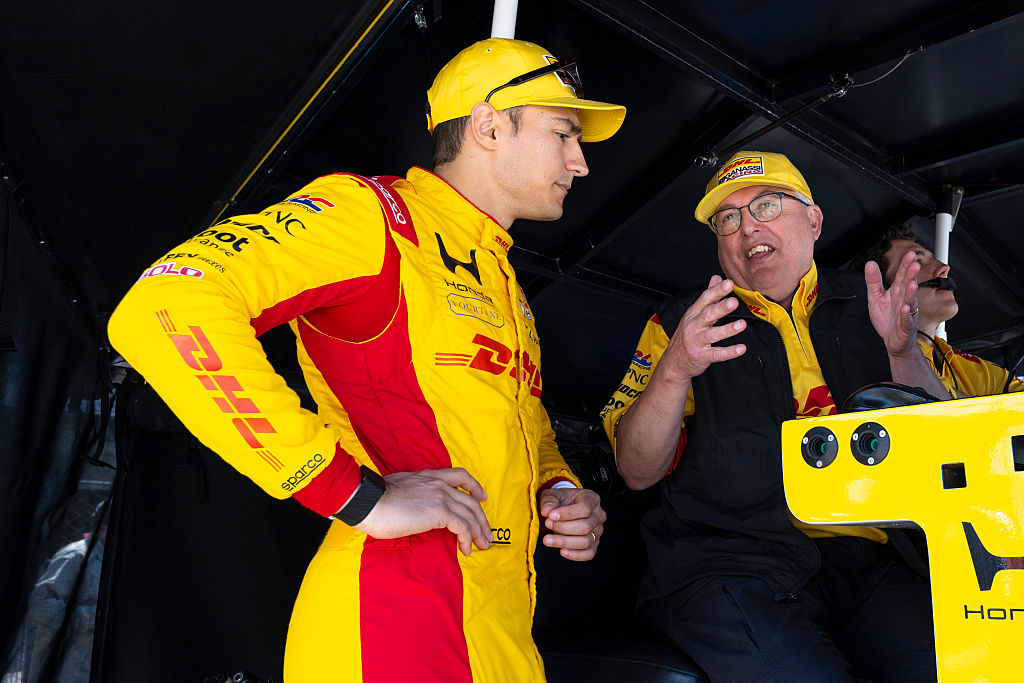
"Obviously you have the aero data from the wind tunnel tests and know the downforce levels and balance to expect, and you can make plenty of topside downforce if you want," said Cannon (right). "You've got your aero map, done your simulation to get your starting ride heights, then you'll go out, check the cars, look at telemetry to check the [aerodynamic center of pressure], come in, download, make sure the ride heights are where you expected them to be and continue from there.
"Then you're going to go out and survey one or two things ride height-wise, then run at higher downforce to get a comfort zone, and then take things down to a more reasonable level. Then you'll change the ride heights around a little bit. I would say by the end of the day you'll start moving through a few test items."
Just as Cannon expects to move from dome skid learning to normal practice items by Tuesday, the timing will vary from team to team.
"Everybody is complaining the car is moving a lot with the dome skids, so I think it's going to take today to figure out them out. Tomorrow we can start figuring out the mechanical side and after that maybe start thinking about qualifying setups, but we won't learn everything to know about them in one day," McDonald added for his Honda-powered SPM team.
"When you raise a car 9mm going that speed, you change the [center of gravity] enough to alter the mechanical handling as well. From our side, we're fortunate to have drivers who are really experienced, because we have a lot to learn. Hopefully between those three drivers we can work through our plan.
"We have a test plan with 30 things to get through, so even dividing it across the three cars, we're still going to be busy on it through Wednesday to understand the skids properly. Clearly the race is the most important thing, so it might not be visible outwardly that we're still working on it, but we'll be learning all we can with them."
Boisson, like the other engineers, will also have modified underwing exit sidewalls to learn. In response to raising the ride height 9 mm, teams have been allowed to extend the sidewalls 9 mm lower, and with that adjustment, an increasing in downforce – something in the 60-80-pound range – is recovered.
"I didn't have those at the safety test and that's something new for us," he said. "With the Chevy, we have so many sidepod options, we can generate the downforce – I can put enough downforce on the car, but I'm just trying to find an efficient way to make downforce. The dome skids change how we make downforce with the floor, so that is where we have to do the most exploring."
Presented by:


Latest News
Comments
Comments are disabled until you accept Social Networking Cookies. Update cookie preferences
If the dialog doesn't appear, ad-blockers are often the cause; try disabling yours or see our Social Features Support.