MILLER: Healing IndyCar's black eye
An IndyCar biggie called over the weekend and was miffed about two things: the fact that his series wasn't going to be racing in Boston, and that nobody seemed to care.
"Nobody is talking about it, there's nothing on ESPN or in the newspapers and it's like nobody cares," this individual said. "On top of that, it makes us look so amateurish."
The sad reality is it's not really big or surprising news, because we've almost come to expect it during the past two decades.
The latest IndyCar race not to happen joins Chicago (1980), Hawaii (1999), Korea (2005), Denver (2007), Phoenix (2007), China (2012) and Brazil (2015) on the scrap heap. But Boston going away didn't shock anybody because it was a s*$# fight from the beginning.
Promoter John Casey pulled the plug on Friday, and it's just as well, because this was destined to be another one-and-done like the Champ Car street show in Las Vegas (2007) or IndyCar's return to Loudon in 2011 (left).
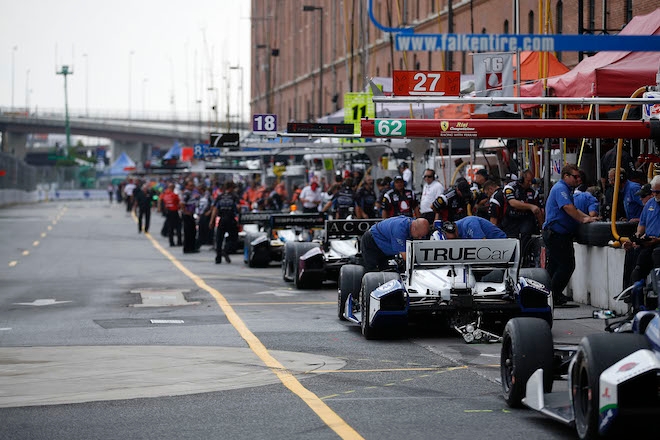
At best, it might have been like Baltimore, top, (2011-13) and hung around like an unwanted relative for a couple of years.
Whether it was the Boston Herald railing against the race on a daily basis, the Coalition Against IndyCar Boston petitioning Mayor Marty Walsh or the anti-IndyCar website, it was obvious early and often that Beantown didn't give a fart about open-wheel racing entering its city limits.
Even though Casey had a signed agreement with the City of Boston and Mayor Marty Walsh endorsed it (along with the Boston Globe), there seemed to be constant opposition and roadblocks from day one. And this is the city that rejected the 2024 Summer Olympics, so losing a car race is hardly going to create a ripple in Boston Harbor.
Hulman & Company boss Mark Miles said he was disappointed because the promoter was relying on assurances given to them and it would be a "black eye" for the city.
No, actually it's more of a black eye for IndyCar, and I'm not picking on Miles because this is a symptom of a much larger problem that began long before he took office.
In CART's heyday it drew big crowds, tons of sponsorship, multiple manufacturers and good television ratings, so it became a successful staple on the streets of Cleveland, Long Beach, Toronto, Vancouver and Surfer's Paradise. It also pocketed big sanction fees for going out of the country to Australia, Brazil, Germany, England and Japan.
Obviously, during The Split and since Unification, a lot of tracks have come and gone as IndyCar searches for venues that can be successful for itself, the promoter, track or the city. But it's a slippery slope, because it's an expensive proposition for a promoter or a city – and IndyCar itself since it spends a couple million dollars on television production, travel expenses, Leader's Circle and the purse.
People say IndyCar needs to follow Bernie Ecclestone's lead and get all the money up front, but that's not going to happen, because he gets more than 200 million people to watch a race and can command that multi-million dollar payment.
The TV ratings alone don't justify those big sanction fees anymore unless you could find a gem like Surfers Paradise, which paid big bucks and played to overflow crowds for three days each year but lost millions, yet didn't seem to care because it was government money.
Of course, good attendance doesn't guarantee success, as Baltimore showed since it was packed and lost millions before going away quietly after three years.
You can't blame IndyCar for wanting to race in Boston. The series needs a presence in the East – and what a great sports town. It offered a scenic layout, lots of great places to entertain sponsors and a chance to make some new fans. But it also disrupts traffic and commerce on a holiday weekend and raises instant questions about how much it's really going to cost the taxpayers. One imagines the race was seen as more of a pain than a gain in revenue for hotels and restaurants for a city that is always busy.
The late, great Paul Newman attempted to put a CART race in Philadelphia and quickly retreated, stating: "You can't go where people don't want you."
And maybe that should be IndyCar's new philosophy. Find a place like Norfolk, Va., which doesn't command major sporting events, and try and grow a home there because the city seems interested.
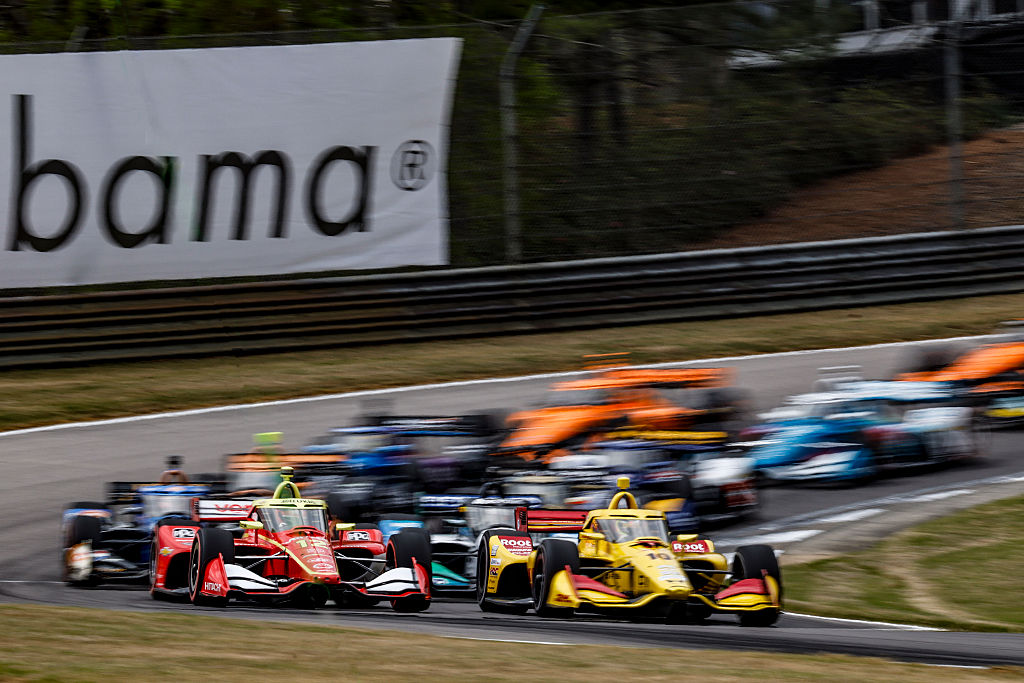
Barber Motorsports Park in Birmingham (above right) is a shining example of finding a niche in a state immersed in college football and NASCAR. They've earned some date equity and nice crowds thanks to a beautiful track and excellent promotion from the Bruno Event Group.
Or, instead of trying new cities, why not go back to Cleveland or Portland and try to revive what were once big draws? The early returns on Elkhart Lake are encouraging (camping is almost sold out) so maybe Burke Lakefront Airport needs another shot.
If we're talking about adding ovals it might have to be a template of what Phoenix's Bryan Sperber and IndyCar's Jay Frye did this year – co-promoters so the break-even point isn't unreasonable and grandstands a third full aren't a death knell.
It's a tough assignment, finding 15-16 venues that can maintain a profitable presence because racing is hurting all over North America. IndyCar can't be greedy, but maybe it can be selective in finding a dance partner that has the desire or history to be in for the long haul.
Labor Day weekend is available. Any takers?
Presented by:

Latest News
Comments
Comments are disabled until you accept Social Networking Cookies. Update cookie preferences
If the dialog doesn't appear, ad-blockers are often the cause; try disabling yours or see our Social Features Support.