IMSA: DPi 2017 discussion with Scott Atherton
"Q&A" regarding the 2017 Daytona Prototype international category
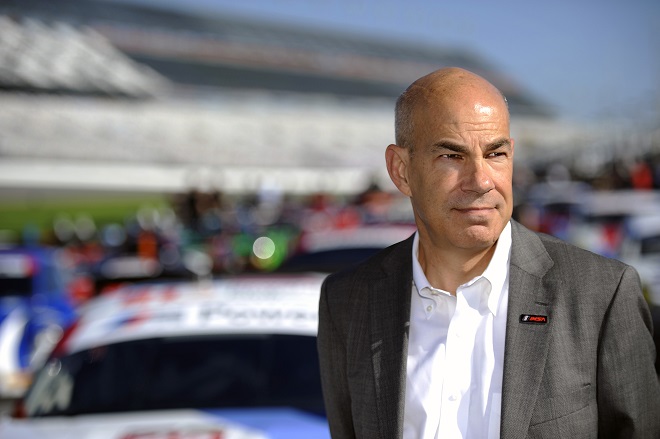
, RACER spoke with IMSA President and COO Scott Atherton (ABOVE) in a follow-up conversation to expand on some of the topics and cover new ground.MARSHALL PRUETT: We read the positive, forward-looking statements from IMSA regarding its relationship with the ACO and the FIA after our friends in France made some interesting comments about the DPi formula, the technical specifications, and so on. I know it's in the series' best interest to put things in the best light, but I'm curious where the actual working relationship is at – how America and France are functioning with a jointly-produced P2 car on the way next year.
SCOTT ATHERTON: In order to come forward to the present here and now, I think it might be a bit helpful to go through a brief history. When this project was first envisioned, the original viewpoint from the ACO and from IMSA was acknowledged to be substantially different.
It's hard to say that we're going to have this common global prototype but yet take a different approach using the same base material. But that was the vision that both entities had from the get-go, and for obvious reasons. In the case of the ACO, they have a fantastic LMP1 category that is solely focused on manufacturer involvement and leading-edge technology. For that reason, they position their LMP2 substantially different than that: spec engine, very restricted, and it is designed specifically for Pro-Am application.
IMSA's take on the same base platform was to position it as our premier category that not only allows manufacturer involvement but actually encourages it, and some would say depends on it. In that embrace, we also knew that we would have to allow participating manufacturers to bring their own powerplant solutions. In the early days of that process, there was an ongoing dialogue about what all that means. We wanted the flexibility of not only having manufacturer powerplants, but also enabling them to bring design elements from their brand. Not to make a prototype look like a road car, but simply to have some design cues that – if you are a student of the industry – you would say, that looks like an X, that looks like a Y, manufacturer.
This was that was something that was important to the manufacturers. But we didn't know at the time when we were originally penciling this out, just what all that meant. How significant a design cue? What all involves a powerplant option?
So, in those early days there was quite a fluid process that kept evolving. Throughout this process, though, the vision was to have a common global prototype formula that would utilize the same chassis, the same suspension, the same pick up points, the same underwing. The core of the product would be identical.
The ACO would use it in its application and IMSA would use it in its application with the intent and the universal commitment that these cars would compete with each other on a level playing field. Those were the tent poles, the cornerstone foundations of the global view.
Now, as most people would say – especially in a project that is as complex as this – the devil was in the details. That's exactly how it has played out, not to anyone's surprise, but by expectation. So as this whole project has evolved, working directly with the manufacturers that have expressed genuine interest in participating in our DPi formula, [the manufacturers] have provided very constructive feedback that we need this, we need that, we don't need so much of that, we need more of this. That has been reflected in the process that we have gone through with the ACO and the FIA.
It has not always been immediately embraced. There have been some examples where we had to work through compromise, give-and-take by all involved. But step-by-step, item by item, we have accomplished what we needed while retaining the core goal of this global unified product.
PRUETT: Some of what I've read could be construed as the ACO and FIA dictating to IMSA, at least in terms of DPis that might head to Le Mans. How much of what you're doing would be considered negotiating with them to get whatever's best for American sportscar teams, and how much of it is demanding what's best for IMSA teams?
ATHERTON: Skip ahead to where we are today. You talk about what is the relationship, are we demanding what is good for America or are we negotiating? I would put it into the category that we're down to the final details. We have, through the course of this evolution and through a significant amount of feedback from manufacturers, arrived at what we believe is the final description of what a DPi will entail.
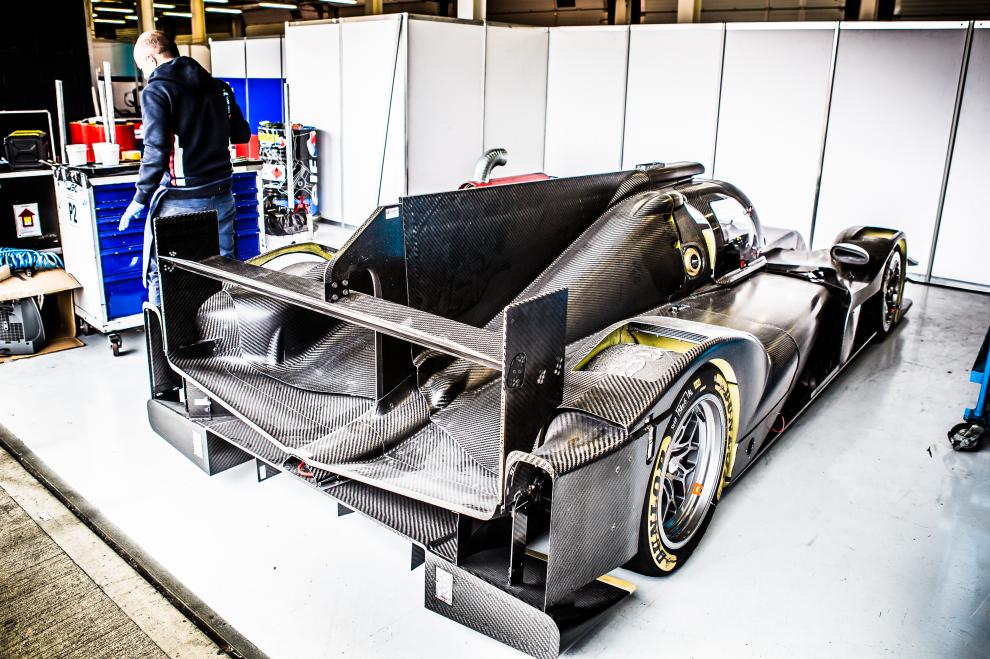
It does have a bodywork kit that will enable manufacturers to provide an element of branding. It does allow manufacturers to put their own engines in the back of these cars. And by virtue of doing that and the fact that, in the earliest of this process, we made a commitment to those interested manufacturers that if they had an existing racing platform, and to put it into more specifics, a GT3 engine solution that that would be eligible to be utilized in a DPi example.
Over the course of many conversations, it became clear to us that in order to make that option really attractive and viable, and really the most sensible approach, would not only involve an engine but it would also involve an ECU and related electronics to run those engines. The ACO, on the other hand, as a result of not having manufacturer involvement in LMP2 and wanting the cars to be very similar to each other – albeit for different constructors – elected to put a spec ECU into the equation.
After some research on their part, they elected to do business with Cosworth, a very fine company, excellent equipment, no argument there. The challenge, though, is to put a spec ECU and related electronics into an environment that by its nature has the potential for great variability and significant differences, i.e., four-cylinder twin-turbo engines, six-cylinder normally aspirated, six-cylinder turbo, eight-cylinder normally aspirated, etc. Those are all radically different engine architectures that require different operating systems to make them function at their optimum.
Add to that equation the fact that just about every manufacturer that has expressed interest in a DPi format has a well-established, in-house, most-favored-nation status with an electronics supplier. It doesn't relate simply to this example; it typically is across-the-board because they've utilized the same equipment in all of their dynos, all of their testing, all of their reliability, all of their engine mapping.
So to suggest to them, 'You're not going to have to change to make the engine you want to use operate on this different system,' there's a lot more to it than simply adapting that system to that car and that engine for the reasons I have just explained. Within an OEM environment it is a very cross-pollinated situation that has far-reaching implication: financially, operationally, reliability, logistics, all that and more.
We've arrived at the conclusion that for what IMSA needs to make this global unified prototype work best for our purposes, we need the examples that I have just given: design cue bodywork options, ability to run their engine with their electronics, not exclusively. What it means is they have the option of using the Cosworth system as defined by the ACO, their own system, or even both. That is up to the manufacturer. That is currently a topic that is still under discussion between ourselves, the ACO and the FIA.
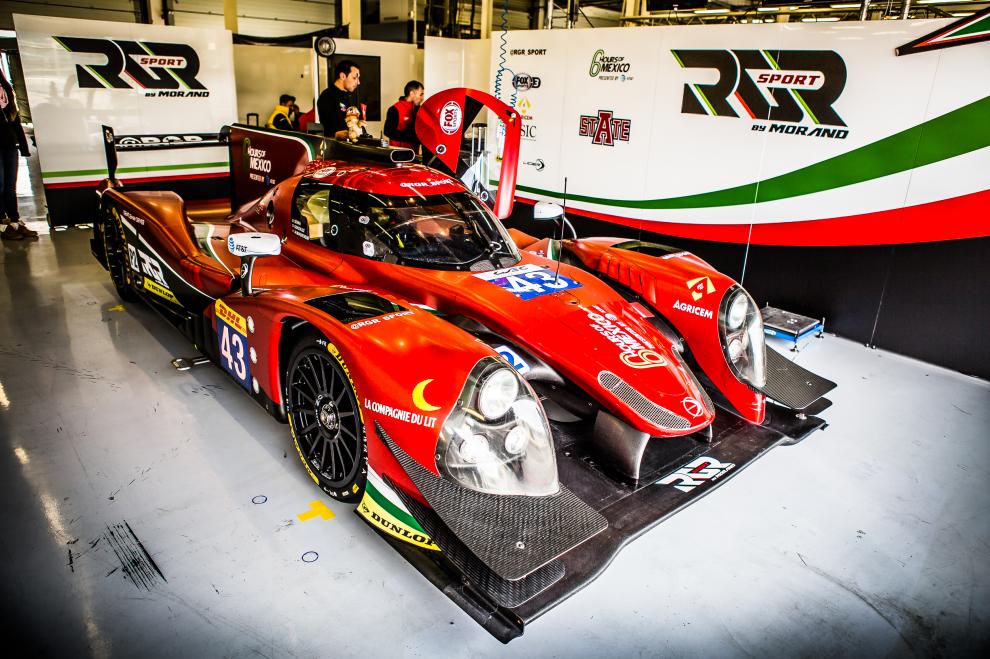
At the same time, from the beginning of our discussions and planning, the expectation was that a DPi would be eligible to go to Le Mans, albeit with very strict guidelines. Those being the use of the standard constructor provided bodywork, the engine as it races in DPi still applicable, but only if operated by the spec ACO Cosworth ECU and electronics.
We still believe that that applies to this platform and to this relationship, and there has never been a questioning of our acceptance of that. So, while there could be some concerns, there are concerns by the ACO that we respect and understand, their primary concern is because of these varied engine options and the ability of a manufacturer to utilize their own electronics. It represented another level of complexity and sophistication if we are to truly balance those examples, those DPi examples, to the benchmark of the ACO LMP2.
Now, we believe with great confidence that has been, and continues to be a viable balance of performance opportunity for us. If history is our guide, looking at what IMSA has accomplished in truly balancing the very diversified Daytona Prototype architecture with the equally diversified current LMP2 architecture, as I say, we are confident that that is not an issue. Certainly not an issue that would potentially jeopardize what has been the original goal.
So the other related element to this has been our early commitment, and again, unwavering commitment, to use the performance of the ACO LMP2 car as the benchmark by which all DPi examples would be balanced to. The fear of having a manufacturer optimize a system, optimize an aerodynamic platform with their bodywork, etc., we've said from the outset, 'Don't waste your money doing that because if it should be found that there is some advantage that has been created, it will be balanced out of the equation to bring whatever example in question back to the ACO LMP2 level performance.' None of that is a change, all of that has been agreed to from the outset. It remains an intact portion of what is a very complex project in general.
Just to clarify or to confirm, [racing DPis at Le Mans] would be without the OEM-branded bodywork and it would require the DPi engine to be competing with the full ACO spec, Cosworth ECU and related electronics. That is our expectation.
ATHERTON: Is it new as far as something we have agreed to accept? No. If you went back through the many, many meeting notes in the earliest days of penciling out what is the architecture of this globally unified prototype going to entail, I believe there was a reference in there to common electronics. I don't think it gets any more detailed than that.
In those early days before any dialogue occurred involving manufacturers interested in participating in a DPi formula, I would argue that nobody jumped out of their chair in those early days and said, 'Wait a minute, that's not going to fly.' It was part of literally hundreds of similar examples of, 'As we go forward we should think about the following. The underwing should be the same, the greenhouse of the cockpit should be untouchable. The fin down the engine cover should be mandated. Yes, agreed; yes, agreed; yes, agreed.'
But as the process evolved and we started getting genuine feedback, and considered feedback from OEMs that had studied the earliest examples of where we were headed with this project, it became obvious early on, for us at least, that the ability to use existing engine architecture and existing electronics was a priority. For that reason, we baked it into the DPi configuration with the full knowledge, eyes wide open, that should a DPi competitor wish to go to Le Mans, they would have to comply with the ACO ECU in addition to the bodywork element. That is not a new revelation, but it's been around quite some time as this whole project has evolved.
ATHERTON: I would put that in the category of an interesting idea that is certainly worthy of more thought and discovery. We have not had any communication or discussion with the ACO or FIA on that. We've had some very brief, what I would describe it as water cooler conversation internally here just saying, 'Interesting idea, what do you think?' I know it is a class that is under subscribed currently, and it could be an elegant solution. But I am speaking from a very naïve point of view. I would want to make sure that someone with all the technical knowledge of how those rules currently would fit or not with the DPi formula and just what that car would mean if it went in that class agrees.
PRUETT: Fillon also touched on DPis racing at Le Mans, raised some questions as to whether they would be allowed, which might have caught some folks who are investing in DPi with an interest in Le Mans by surprise. Do you have a timeline on when you expect to have a conclusion to the topic?
ATHERTON: It is a topic that needs closure in the very near future. As you are aware, we issued our guidelines for both constructors and interested manufacturers as it relates to the DPi formula. Now, that was distributed to provide direction as soon as possible to those who have indicated either a desire or a genuine interest to pursue competing in that class with us.
But without the final technical rules and regulations for the LMP2 car – it's not a moot point, but it is a bit on hold. We are confident that all of the constructors and all of the interested manufacturers are comfortable with the information that has been released to the point that they are actively building cars and developing the designs, and in some cases actually under construction, knowing that our season begins in January. As we sit here in April, it is an ominous task to get from where we are today to having a full field of DPi and LMP2 cars on the grid at Daytona next January.
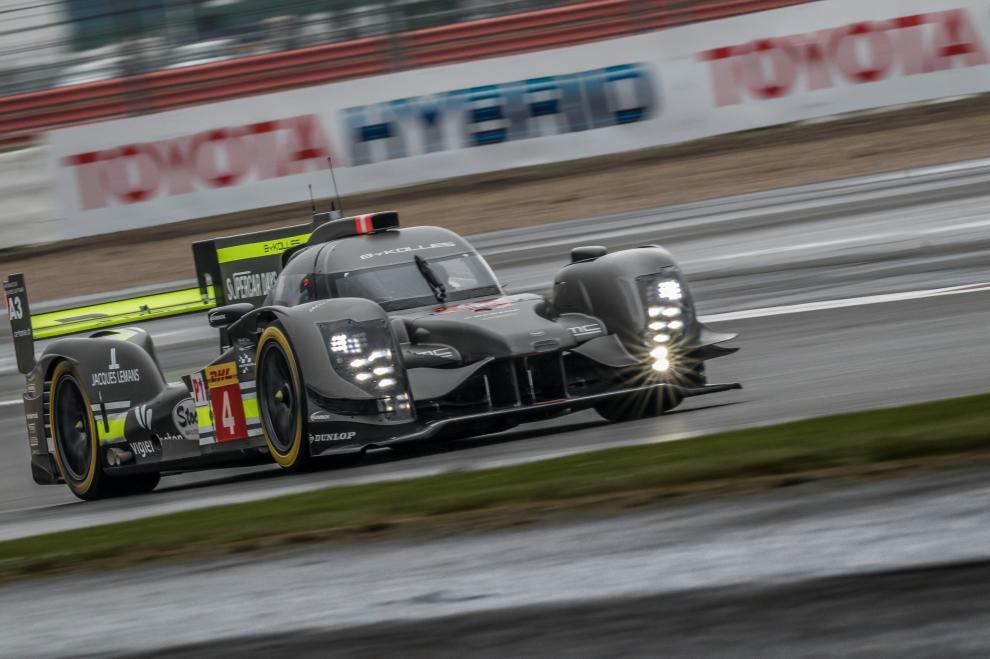
To your point, it is a topic that needs closure. Their debut event of their 2016 season is this weekend at Silverstone. We are fully focused, as we should be, on our race at Long Beach this weekend. We have indicated a desire to revisit not only the topics we discussed, but some other final details. Just housekeeping that needs to be closed out, confirmed.
I have said this before publicly and I will state it again: We work best in a face-to-face environment. These topics inherently get handled much better in that context. In other words, trying to do it through an email or even a conference call can be awkward and sometimes less than productive.
So, the opportunity to get face-to-face would be first choice. Short of that, knowing the geographic distance and the schedules that surround all of us, a videoconference is probably the next best thing. Our plan would be to bring some closure to this for all involved in the very near future.
ATHERTON: With the acknowledgement that it is never our news to announce and we've been under very strict direction from everybody that we have spoken to, to keep our powder dry, I would say the numbers you've quoted are in line with our expectations and that there would be a minimum of two and I think, optimistically, three or four to begin with.
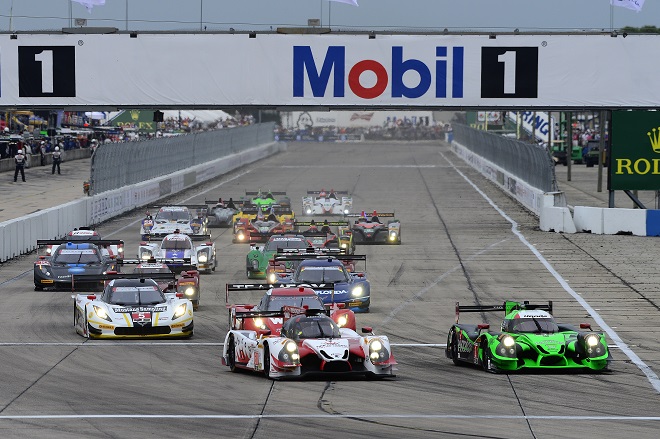
Now, that's manufacturers. The number of cars that they would be putting forth is a variable that I don't have a handle on myself, because I don't think those decisions have been made yet. When you couple that with what we expect would be some of the grandfathered examples of current-spec LMP2 cars, I think it will be ultimately a similar grid as far as overall car count in '17 as to where we are today.
That would be considered a more than acceptable starting point for this new model. It's a tight timeframe.
This is a long-term commitment that we have. I think there is some cautious, 'Let's see how it works out,' and we've got some of the foundation built, but let's see who plays, let's see how this positions, let's see how IMSA comes out of the gate with this and then we'll make our decision from there.
We've had many meetings, lots of genuine interest, not just courtesy, 'Thanks for your input,' never to be heard from again. We have all attended those meetings as well. But from where we sit, we are feeling good about the initial launch and feeling better about what we expect would be the evolution through our first season and into '18 and beyond.
PRUETT: Do you expect the DPi manufacturer count to increase later in 2017 or starting in 2018?
ATHERTON: No question. Yes. The expectation would be based on the meetings we have had and the timelines. [Some manufacturers] won't be ready here but could be ready there. As I say, it will be a good start and a better future.
PRUETT: I had a conversation with a friend the other day who suggested extending the one-year grandfather clause for the current P2 coupes out to three years would be a much smarter move, and I can't say I disagree. Is there any chance of extending the period?
ATHERTON: There is no current plan or even discussion about changing that timeline. That's a blade that cuts both ways. If such a decision were made, it does potentially help to keep cars active that otherwise wouldn't be. The other side of that edge is that it takes away the incentive to populate the grid with the new modern-day DPi and/or ACO LMP2 spec.
As a sanctioning body, it is always a balancing act of wanting to keep the teams and content viable, while also providing an incentive to go to the new generation. But as I say, right now the announcements that have been made about grandfathering that would be apply to the '17 season, we are standing firm on that.
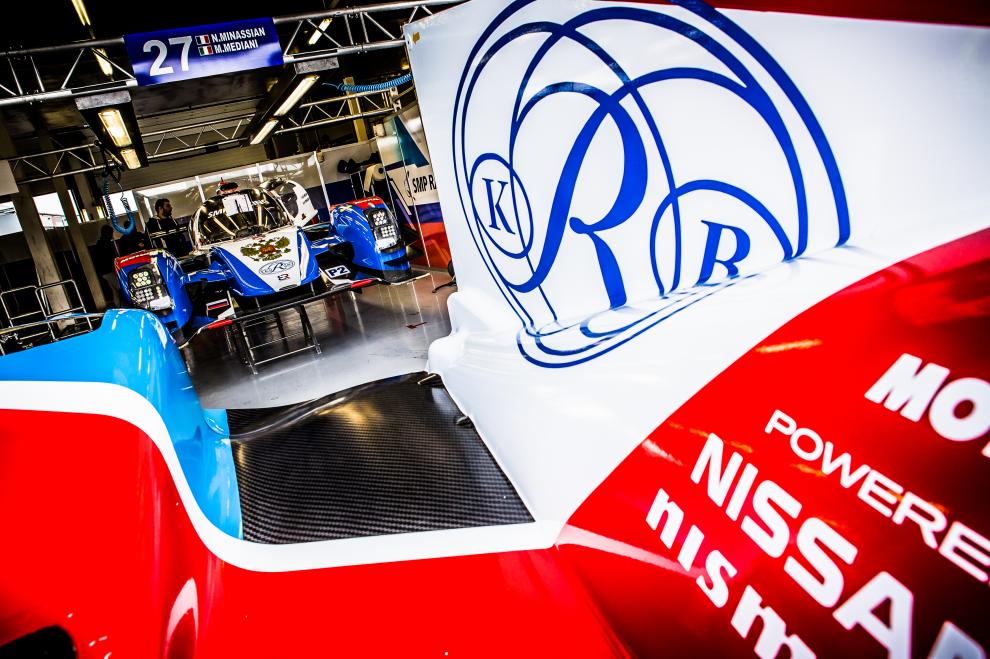
The flipside is if IMSA entrants can't buy IMSA's DPis, they'll have to purchase the WEC P2-spec cars, and while there's nothing wrong with those cars, I'm not sure it sends a good message when our owners have to go to the European P2 option because the door's closed on DPis at home. Can IMSA compel DPi manufacturers to make their cars available this late in the process, or are we stuck with the restricted access we have for 2017?
ATHERTON: The vision we've had from the start of where the DPi lines up in the greater landscape of motorsport is as a top-tier manufacturer-centric category, not unlike our GTLM class is figured in the GT side of the house. GTLM is factory backed teams, all professional. Really, there's no official provision for a privateer element. It doesn't mean it is not possible, but there is no mandate and the result of that positioning has been – and this I believe is not arguably but factually – it's resulted in the deepest end of the pool, the tallest cotton of professional GT racing in the world. It's something we are quite proud of and the quality of the racing there is second to none.
The goal, the vision would be to replicate a similar approach and therefore achieve a similar result in our Daytona Prototype international class. Again, we haven't outlawed or prohibited anyone from making equipment available to individuals on a private basis, but we want the focus to be on factory-backed programs, top-tier professional teams, top-tier professional drivers, knowing that if you are an independent and you do not have access to a factory program, you do have access to a car that will be by design competitive with those other examples.
Now, the platform would be competitive. How you race that platform is the variable that will, hopefully, define the results. In other words, the caliber of the drivers, the caliber of the preparation, the testing, the development, the strategy, all of the variables that go into determining who has success and who doesn't still apply. The point of that comment is, if you are an individual that desires to race at the top level of prototypes within the WeatherTech Championship and you do not have access to a factory opportunity, you have access to a competitive option. You, as an individual may not agree with that, but that's been our position and it remains intact as we speak today.

Latest News
.jpg?environment=live)
Comments
Comments are disabled until you accept Social Networking Cookies. Update cookie preferences
If the dialog doesn't appear, ad-blockers are often the cause; try disabling yours or see our Social Features Support.