.jpg?environment=live)
F1: Gary Anderson on the 2017 rules
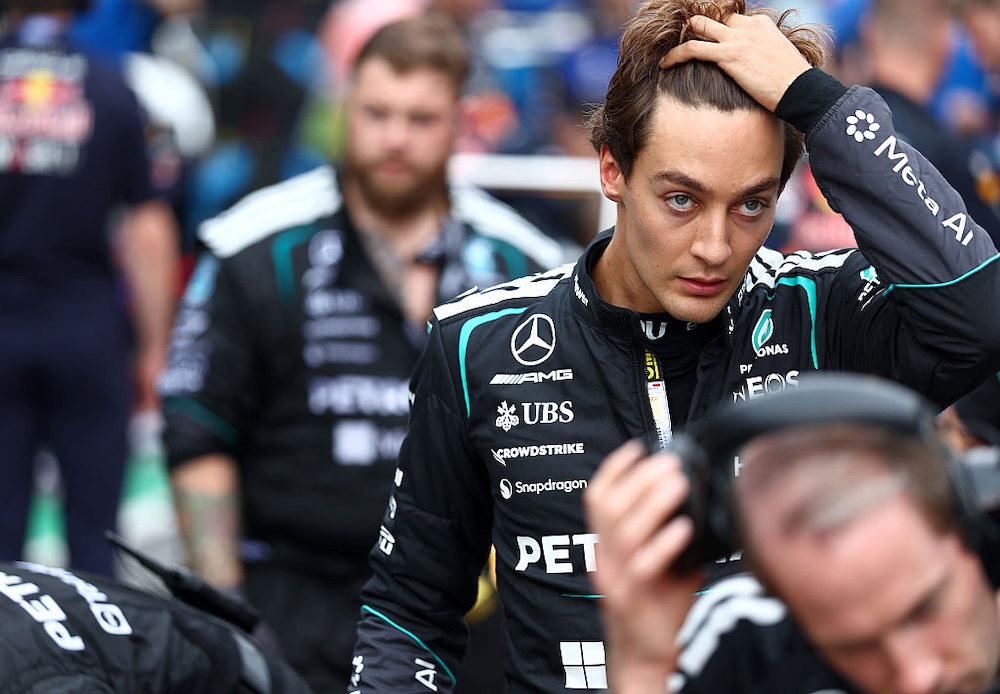
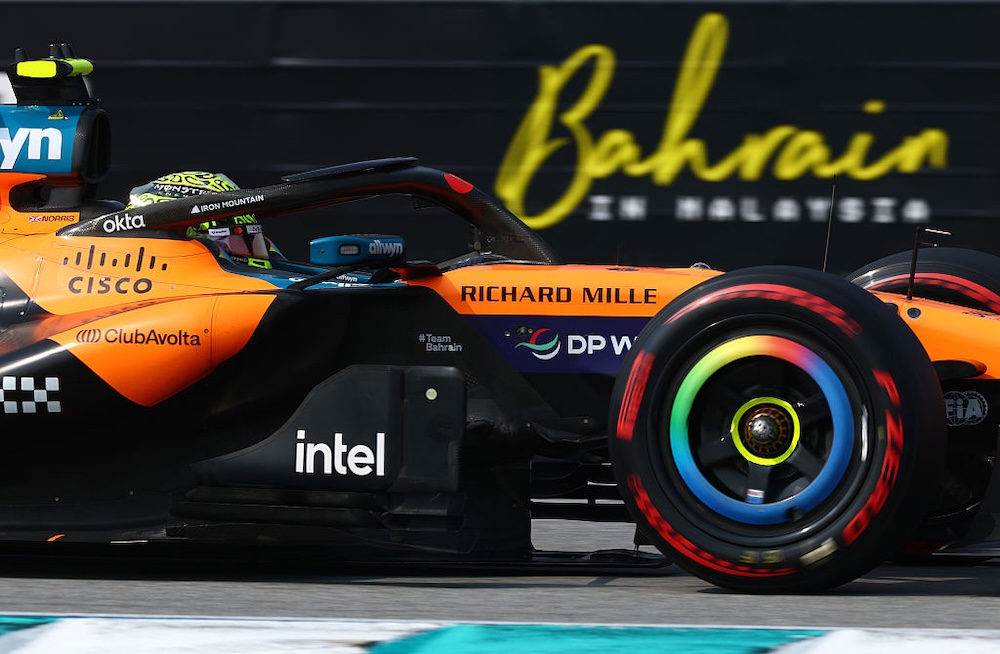
Senior figures in Formula 1 have made much of the efforts to revolutionise the regulations for 2017, making the cars faster and improving the quality of the racing. The ideas have yet to be formalized, with a return to ground-effect aerodynamics being pushed for by some teams, while wider cars and bigger tires are also on the agenda.
But will the changes being discussed really work? Autosport's F1 technical consultant, ex-designer Gary Anderson, tackles the ideas being discussed.
Do you think the 2017 regulations will allow much radical change for good racing such as simpler aero, no DRS, more mechanical grip?
Any regulation change first of all needs to identify the problems and then address them. I'm not totally sure anyone has actually done this.
What I would like to see more than anything else is closer on-circuit competition between more than two cars. We want a bunch of five or six cars at least heading into the last few laps still not really knowing who is actually going to win.
To achieve that is never going to be easy and I don't think that what I have heard of the changes for 2017 will make it happen. Here's why:
1) Faster lap times by around five or six seconds
Other than Monaco and Hungary, the cars are currently travelling at a top speed of 193-205mph. If that is increased with extra power or reduced drag to 211-224mph, it will reduce lap time by roughly a second.
This is because it will only happen on the long straights, which there are not too many of. Yes, the acceleration onto the straight will be a bit better but still the lap time reward will be small.
This still leaves five seconds to find from either downforce or extra tire grip, and let's assume the latter could improve lap times by two seconds. So increased aerodynamic performance (downforce) will need to account for something like three seconds. That, as a load, will be around 300kg or an increase of around 25 percent on what we currently have today.
To achieve this will be easy but for a few seasons it will actually separate the teams' performance even further.
As we currently see, cars lose a lot of downforce when they are following another car. If the downforce is increased by this much, they will just lose more. So I struggle to understand how this change will bring better racing.
2) Wider cars
To help with the increased corner speed and reduce the blockage at the rear of the cars to help produce more downforce, it has been suggested that the car's overall width is increased. Yes, I do think that will actually make the cars look a bit more racey.
But if the cars are increased to two meters overall width, which is what they used to be in the old days, that means each car will be 20cm wider. Two cars side by side will be 40cm wider, which doesn't sound much but in effect it will be making the tracks narrower, so will leave less room for any overtaking maneuvers.
3) Wider tires
This is a simple and good idea with no disadvantages. Tire grip comes out of the back of a [Pirelli] truck, so it is potentially the same to all the teams, big or small.
This will improve racing and it will reduce the ultimate influence that aerodynamics have on overall performance, whatever increase they decide on, should they double it.

Latest News
Comments
Comments are disabled until you accept Social Networking Cookies. Update cookie preferences
If the dialog doesn't appear, ad-blockers are often the cause; try disabling yours or see our Social Features Support.