.jpg?environment=live)
F1: "CFD amnesty" to help revamp plans
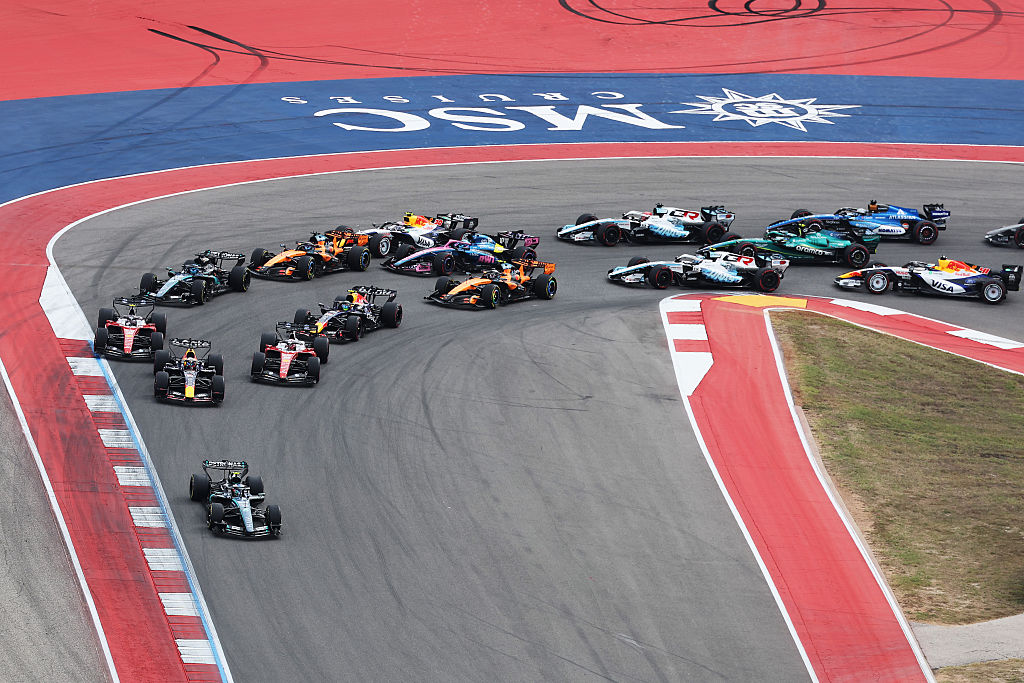
FIA technical director Charlie Whiting has handed Formula 1 teams a "CFD amnesty" to ensure the diverse 2017 rules can be finalised in seven months' time.
For the 2017 F1 season cars will become five to six seconds per lap faster and look visibly different via a range of measures. The cars are likely to possess wider front and rear wings and tires, with measurements for the latter now confirmed at 425mm for the rear and 325mm for the front, an increase of 100mm and 80mm respectively.
In terms of bodywork design, Force India technical director Andrew Green recently expressed concern there was not enough time to finalize the details by the time the regulations need to be set in stone for March next year.
To that end, the FIA has allowed the teams more time to work on CFD – use of which is usually capped – to ensure the bodywork proposals can be shaped and ratified come March.
Whiting, who claims the bodywork rule changes are the most significant he has encountered, told AUTOSPORT: "We're on track to have a pretty good idea as to where we are going by October 2.
"This is the next milestone in discussing what CFD work they've done, and we've given them extra CFD time. Whether they have the capability will vary from team to team. But we've provided them with a sort of CFD amnesty, if you like, to explore the aero concept. We are just waiting for Pirelli to provide us with some appropriate grip estimations on the new agreed tire sizes."
Whiting estimates the increase in tyre size will provide half the lap time gain, with the remainder to come via additional downforce.
"To do that we're looking at lowering the step plane [at the rear of the car's floor]," he said. "At present there is 50mm between the step and reference planes. One proposal is to reduce that to 25mm which would provide more downforce generated from the underside of the car.
"Also, the beam wing, taken off for 2014, is probably going to go back on, so that might help the diffuser a little bit. So those are the sorts of things, in conjunction with the tires, we are thinking about when we are talking about cars being five to six seconds per lap quicker."

TECHNICAL ANALYSIS: Latest F1 2017 aero suggestions
Whiting doubts the change will result in an increase in overtaking, but sees no reason for changes on that front anyway.
"We've struck a fairly decent balance," he suggested. "Most of the technical guys feel the work done by the Overtaking Working Group back in 2008, in preparation for 2009, was very small by comparison to the two major factors now, which are tire degradation and DRS.
"Those two things will probably outweigh anything the OWG did, so we'll still have those things. If, as some people think, it may be a little more difficult to follow a car closely then we can increase the authority of the DRS. I don't see a big issue there."
Presented by:


Latest News
Comments
Comments are disabled until you accept Social Networking Cookies. Update cookie preferences
If the dialog doesn't appear, ad-blockers are often the cause; try disabling yours or see our Social Features Support.