American racing luminaries suggest what international motorsports can learn from U.S. racing
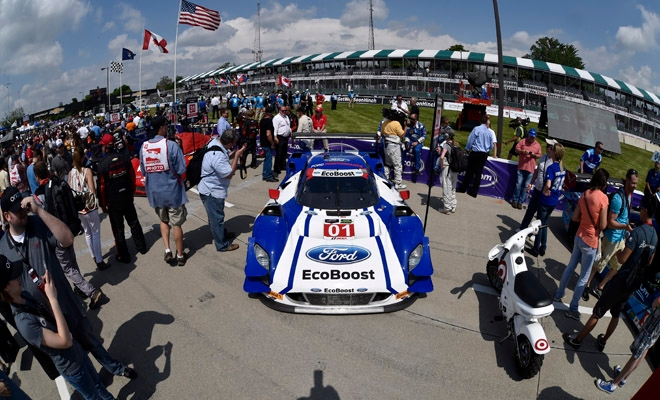
ABOVE: IMSA fans get close to the action before the start.
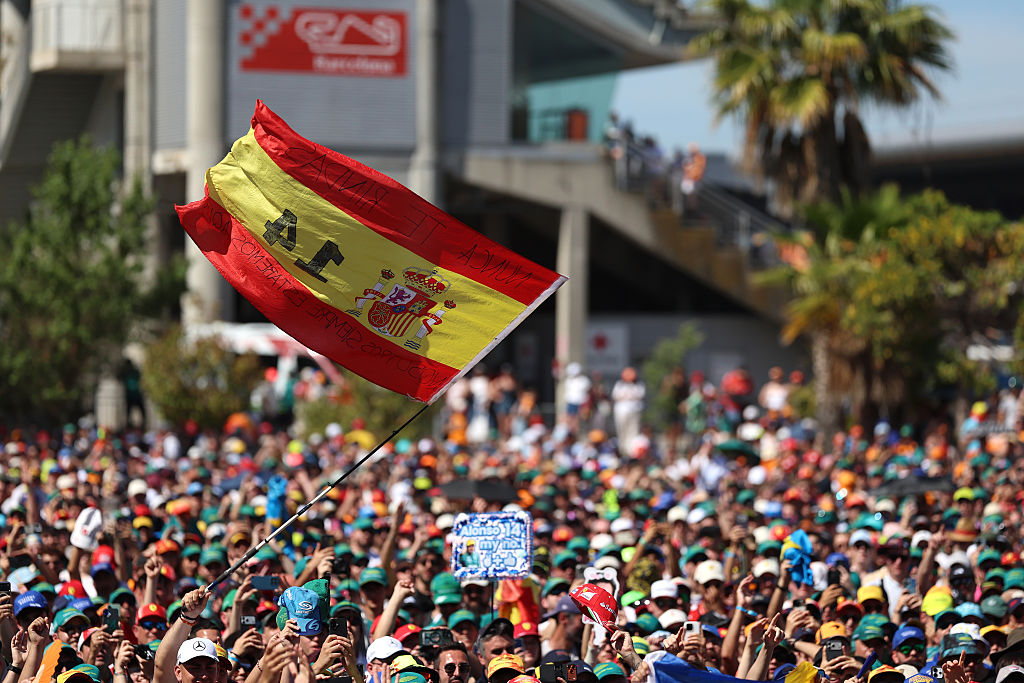
One of the overriding themes of this week's FIA Sport Conference 2015 in Mexico City was the strength of fan engagement and access in motorsport in North and South America. Guests from across the Americas have spoken at length about the efforts that American motorsport goes to in encouraging fans to engage with the sport, and to get close to the action and stars.
Many of the speakers from the U.S. spoke not only of their first experiences with the speed, sound and feeling of extraordinary race cars, but also of their first encounters with their racing heroes and the racing machinery driven by them.
Whether it’s staging fan-friendly driver introductions where drivers walk along a platform through the crowd at Daytona International Speedway, or the many autograph sessions and festival atmosphere of Gasoline Alley at Indianapolis, motorsport in America actively promotes a culture of inviting fans to get close to the action at the track. It’s something that some people feel is lacking in some categories in other parts of the world.
“What they really need to work on in F1 a lot – it won’t be easy because they always want to keep it as this exclusive thing – but to grow in places like Mexico, they really need to give more access to the fans,” said IndyCar's Juan Pablo Montoya. “The reason they failed in the U.S. [in the early 2000s] was that – people went there and just stood in the grandstands, and a lot of those people would go and watch IndyCars, and they could go and walk around the cars and feel part of it. It’s never been like that in Formula 1.”
On the conference’s second day on Thursday, speakers talked of the way American series welcome fans to all parts of a race, whether it’s the paddock, up close to the garages and cars, or at meet-and-greets with the drivers. IMSA President Scott Atherton says his organization has gone to great lengths to ensure the premier sports car championship in the U.S. is open to its fans.
“It comes down to one word – accessibility,” said Atherton. “For a typical TUDOR Championship sports car event, you buy a ticket, you’re automatically in the paddock.
“Thirty minutes before the start of the race everybody that’s there is invited onto the grid. Many would say that’s insanity – how could you possibly put your cars at risk, how could you put your drivers, your teams in that environment? After the first couple of times they tried it the teams embraced it fully.
“The fans are so respectful; the most common thing you see is people on their cell phones saying, ‘You won’t believe where I am right now’ – and it works; we have them for life at that moment.”
RACER founder, president and CEO Paul Pfanner (LEFT) believes a culture of inclusion is central to how American motorsport leads.
“The thing that American motorsport does best, in my opinion, is that it welcomes people to participate, to engage, to become involved and to become fans,” said Pfanner. “It’s really good at that.
“These things exist elsewhere in the world, but they’re really programmed into the culture of American motorsport. There are all these pathways where you really can become involved. That’s the engagement premise, and welcoming [fans]; it’s almost an invitation to young people.”
The third annual FIA Sport Conference, the first to be held outside Europe, gathered both FIA members (ASNs, clubs), and representatives of the motorsport industry – organizers, promoters, manufacturers, various suppliers and services providers – to compare the American and European motorsport business models. Many in attendance were persuaded that the qualities unique to American racing can be instilled around the world.

Latest News
Comments
Comments are disabled until you accept Social Networking Cookies. Update cookie preferences
If the dialog doesn't appear, ad-blockers are often the cause; try disabling yours or see our Social Features Support.