At the Brickyard Invitational: Darren Manning's virtual speed, real skills
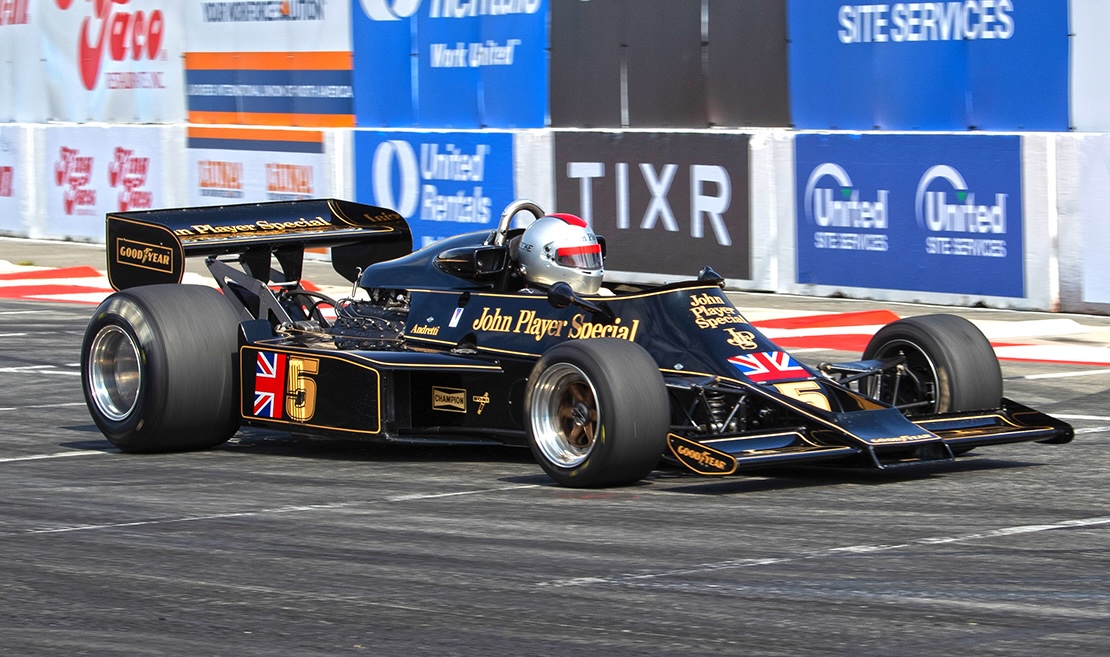
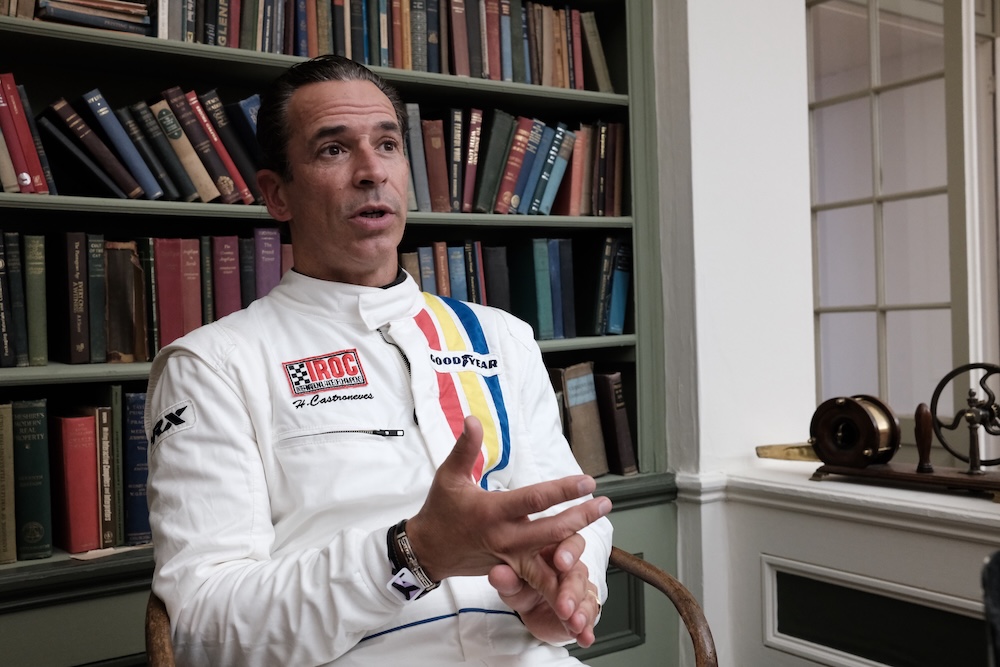
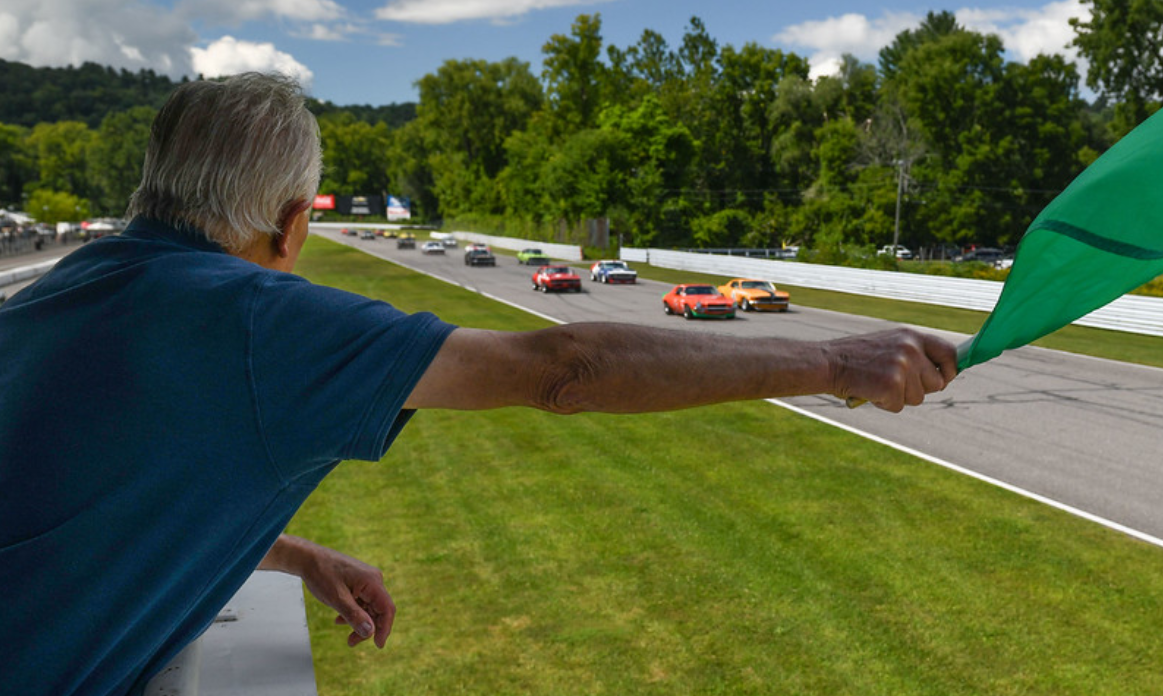
After last competing in the Indianapolis 500 in 2008, Darren Manning will return to the Indianapolis Motor Speedway this weekend in the June 13 “Indy Legends” Charity Pro-Am not only as a driver but a man on a mission. The race, the centerpiece of the Sportscar Vintage Racing Association’s June 11-14 Brickyard Invitational vintage auto race meet, will put him in the mix with a host of motoring enthusiasts who appreciate his new role in the sport.
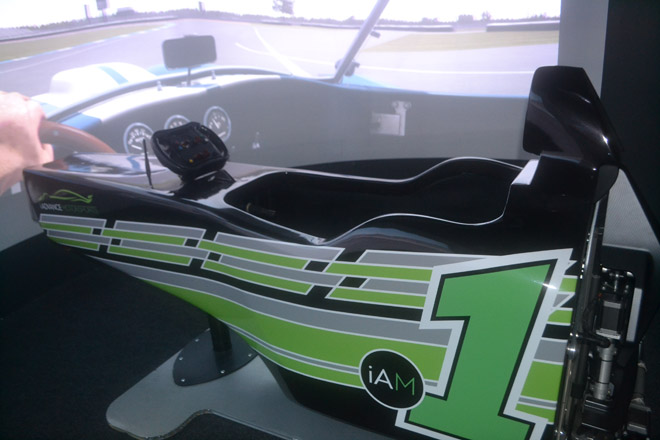
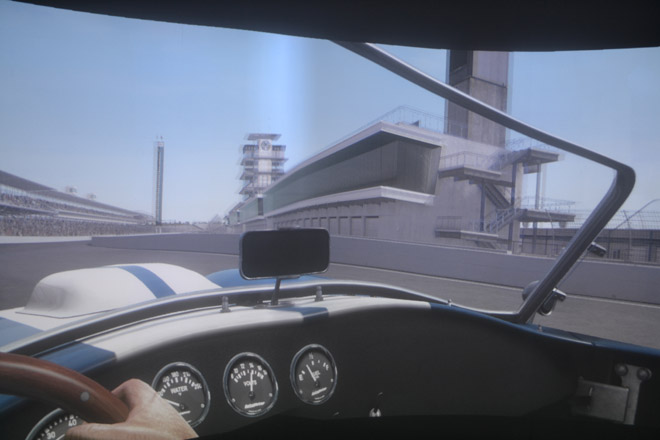
Like other former top-level professional racers Darren is staying relevant by coaching aspiring talent, including vintage car racers. Manning, though, is taking it to another level as he creates a world-class, 5,000 square foot driver instruction facility in Indianapolis. Located on Guion Road, in the mix with a hotbed of race teams like Walker Racing and Bryan Herta Autosport, he is co-located with Mark 1 Composites – a company that, among other projects, is doing work for Nissan’s NISMO operation. The centerpiece of Manning’s business, called iAdvance Motorsports, is a state-of-the-art racing simulator that puts computer games to shame.
“We’re providing the tools to learn any car on any track,” Manning says. “From karts to Indy Lights, IndyCar, Formula 1 and vintage racecars, whatever the driver wants. Yes, software is at the heart of what makes it possible but we offer the physical sensations – open or closed cockpit, single seat or double, steering, breaking – everything.”
As with all elements of engineering race cars today it is all about data. Good sources come from established databases such as iRacing and rFactor. From there all the characteristics come into play for skill development: horsepower, power curve, ride heights, grip levels and downforce. Using driver input and relevant data from other cars Manning can replicate racers from scratch as well, which could be important for more obscure vintage racing machines. Still, many of the older cars are well established such as Lotus 49, Ford GTs, Lotus 23 and classic Trans-Am to name a few.
The secret sauce in Manning’s value proposition comes back to human input – his insights. He draws on a vast array of racing experiences not just in IndyCar but also as a Formula 1 test driver, winning in junior formulas on down to karting. He has competed at the Goodwood Festival of Speed and pretty much done it all. He can review data with his clients, help them interpret it, suggest changes in setup and recommend how they develop their race craft. They walk out the door with a USB memory stick they can review and bring to subsequent sessions.
“Nothing is ever going to replace actual track time,” Manning says. “We’re never going to achieve the full G-force effect. Still, the simulation is getting increasingly real and very beneficial when you consider the costs and limitations of testing.”
Professional organizations limit testing primarily to control costs. While vintage racers don’t face those restrictions, the costs of track time, burning through tires and fuel as well as paying personnel and potentially repairing a damaged car are daunting. The business case of the simulator is well established and Darren Manning is on a mission to take it to new heights.
There’s no doubt simulators have carved out a role in auto racing. In preparing for last year’s “Indy Legends” Pro-Am eventual winner Al Unser Jr. spent several hours at the Dallara simulator on Main Street in Speedway learning the IMS road course.
Would Darren use his simulator to get ready for his go at what has suddenly become one of the biggest prizes in American vintage racing?
“Are you kidding?” he says with a laugh. “I’ve been bugging Tony (Parella, SVRA’s CEO) to tell me what car he’s giving me so I can model it.”

Latest News
Comments
Comments are disabled until you accept Social Networking Cookies. Update cookie preferences
If the dialog doesn't appear, ad-blockers are often the cause; try disabling yours or see our Social Features Support.