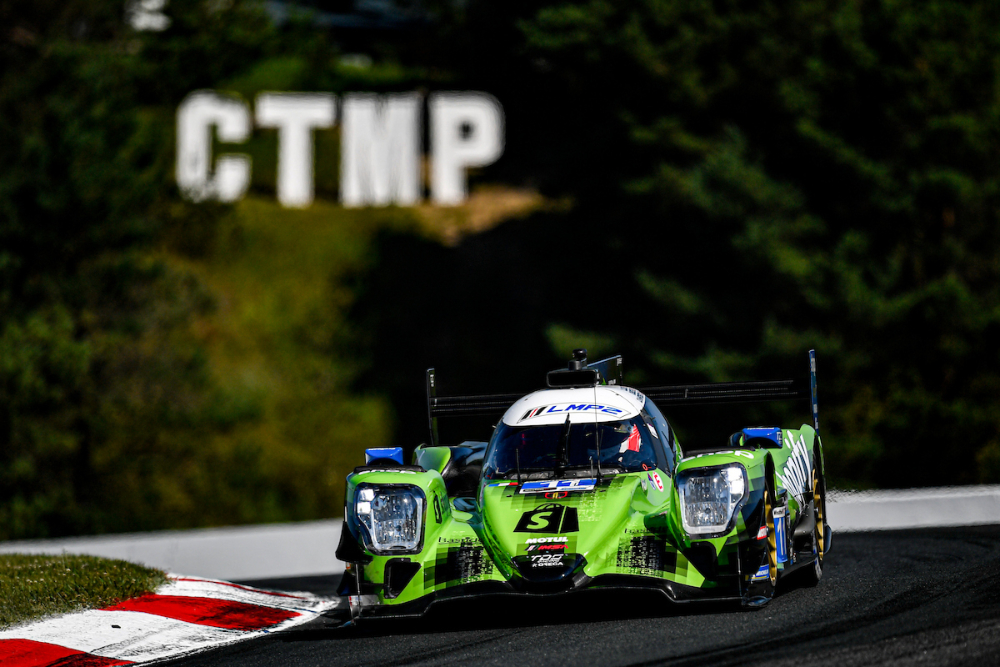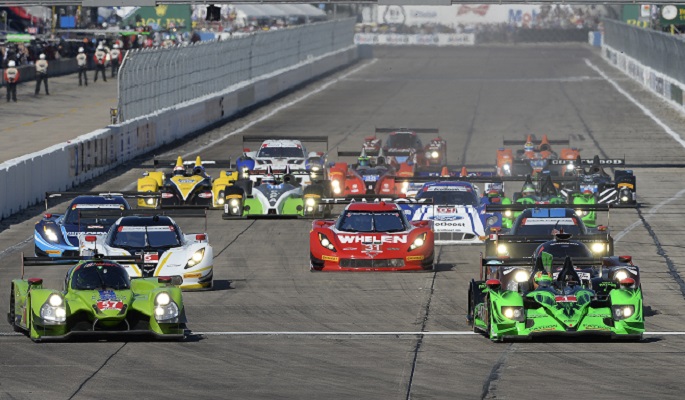
IMSA: Series outlines expectations for 2017 P2 regulations
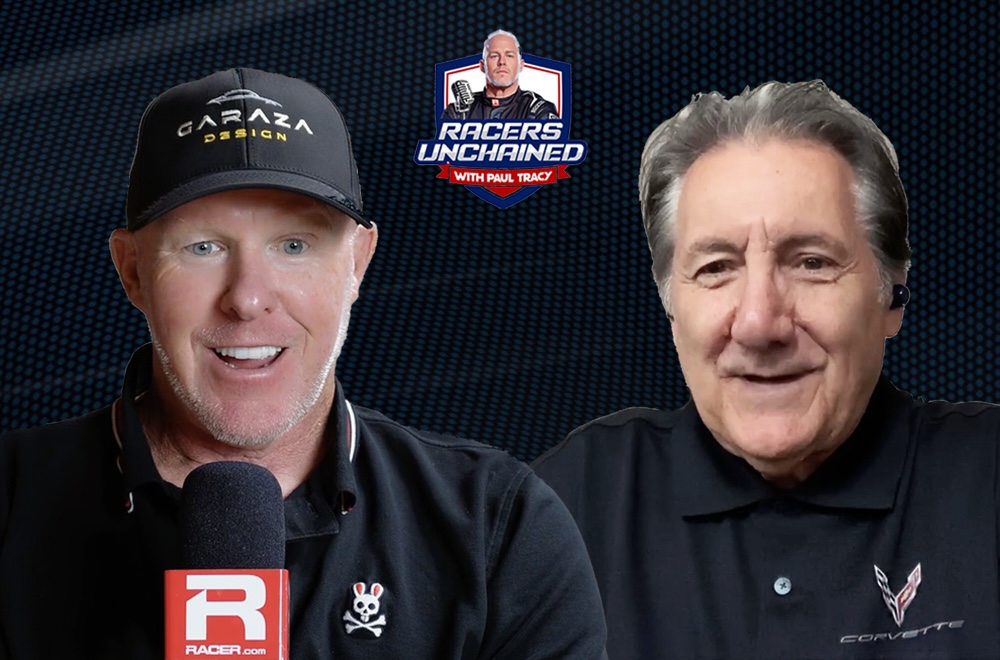
The outlines for the ACO/FIA’s next set of global LMP2 regulations have been drafted in partnership with the North American IMSA sanctioning body, and with questions surrounding IMSA’s intentions to partially or wholly adopt the new-for-2017 rules, RACER spoke with IMSA CEO Scott Atherton (LEFT) to gain clarity on the subject.
The 2017 rule structure was outlined in January at a private meeting among manufacturers in Daytona Beach, and from that presentation, the move to four chassis manufacturers, a single engine design, and variations in the rules between North America and the rest of the world were outlined.
The FIA World Motor Sport Council approved the single engine last week, the limited chassis manufacturing concept is expected to follow, and the use of brand-specific bodywork and multiple engines in IMSA’s Prototype category also appears to be set in stone. According to Atherton, the items related directly to IMSA have moved beyond suggestions on an internal document, and are being used as planning items for the future.
WEC: New LMP2 plans to be presented
“The technical specifications of this car are really being led by the ACO and IMSA with FIA involvement,” he said. “The car specifications will be respected completely. Where we will differ is P2 will become our top prototype class. And for that reason we not only want to allow but we will encourage multiple manufacturer involvement. Obviously, the primary role there for automotive manufacturers is as an engine supplier.
“We also want the option, although it’s not a requirement, to allow the same participating manufacturers to implement design cues, should they choose, into the bodywork of the prototype. The spine of the car will be the same, period, full stop. The drivetrain and potentially the bodywork, as we see it visually from the exterior, could be subtly different.”
With Atherton confirming IMSA’s direction forward with P2 2017, he also spoke on the series’ plans to welcome the less diverse ACO/FIA P2s to run in North America under IMSA’s sanction.
“We have already reached an agreement with the ACO that we will work together to ensure that when their cars choose to race within the TUDOR Championship they will be properly balanced to maintain their competitiveness,” he noted. “And the same will be true in reverse when TUDOR Championship participants elect to compete at Le Mans. So philosophically we are in agreement of having a common platform, a common spine, but with those defined elements that I’ve just described being open to our interpretation here in America.”
One rumor making the rounds at Sebring involved IMSA’s allowance of additional chassis manufacturers to participate in 2017. Atherton says manufacturers outside of the four approved by the ACO/FIA won’t find refuge in IMSA.
“I don’t see that happening, candidly,” he stated. “It’s not a random choice that we have decided, with complete agreement by the ACO and the FIA, to limit the constructors to four. And we have to be careful of definitions here. Constructors are who we’re looking at to actually build the prototype racecars. Manufacturers are those mainstream brands that we’re all familiar with that would put the drivetrain and potential bodywork on the cars.
“So back to the constructor discussion, we’re going to support the decision to limit those to four, with one – at least – one of those four being North American-based.”
Atherton also described the financial model each of those four constructors is aiming toward with global supply options in the WEC, ELMS, and IMSA.
“We know enough about the cost associated with all of the design, all of the research, all of the engineering, all of the toolmaking required to create a clean screen prototype and put it into production, then deliver it to its first customers and put a parts supply system in place,” he explained. “The critical mass that each of those constructors has to achieve – and they will each give you a different answer – is somewhere between eight and 12 cars – actively competing.
“When you look at the global marketplace, we believe there’s the possibility to produce 40 to 50 of these new prototypes over time. And when you work backwards in the math, you can argue that that’s enough for four constructors to not only survive, but thrive. We want this to be a sustainable business model for everybody: the teams, the sanctioning bodies, the promoters and, in this case, the constructors.”

Latest News
Comments
Comments are disabled until you accept Social Networking Cookies. Update cookie preferences
If the dialog doesn't appear, ad-blockers are often the cause; try disabling yours or see our Social Features Support.