.jpg?environment=live)
TUSCC rules Q&A with Scot Elkins
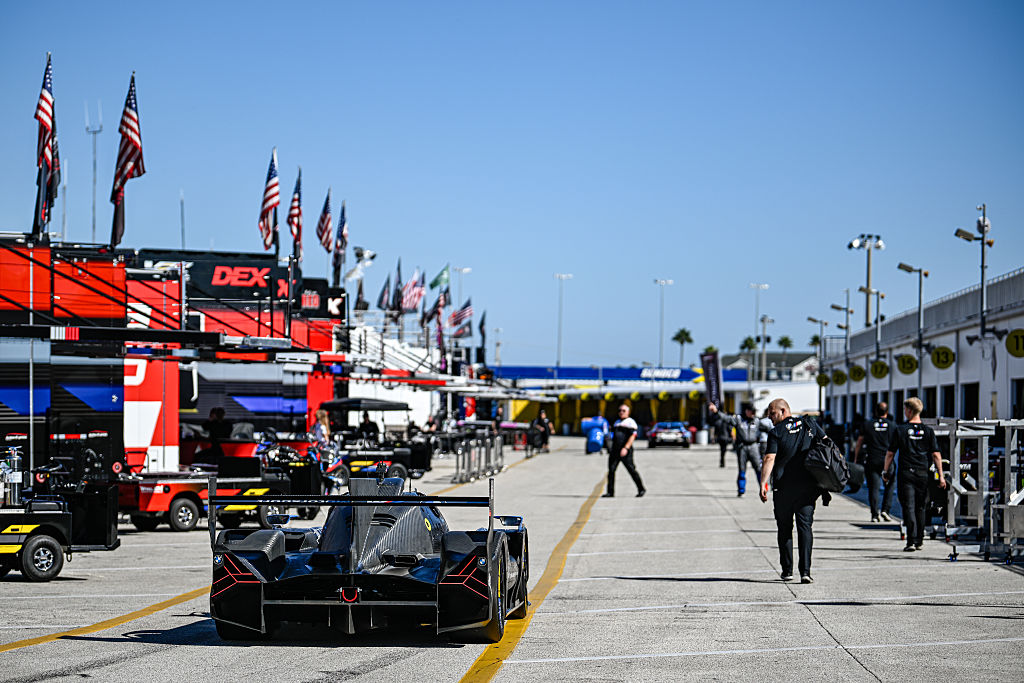
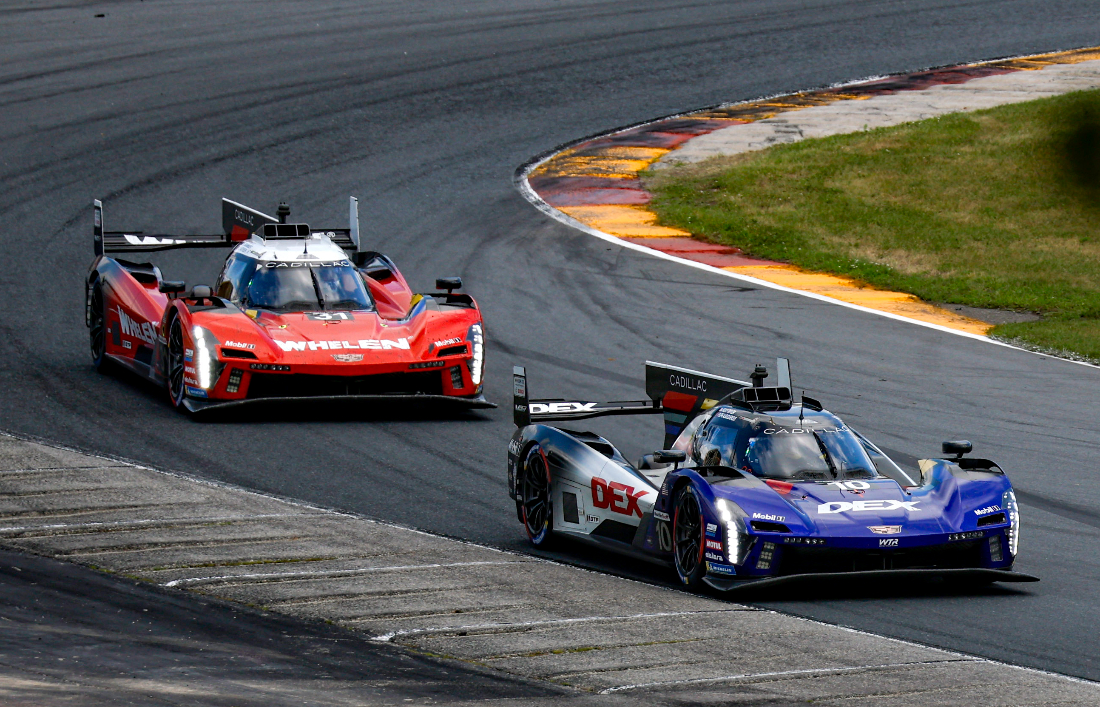
The release of draft regulations for the TUDOR United SportsCar Championship has led to a week of heated debates, major decisions and a variety of pleas from within the Prototype paddock. spoke with Scot Elkins, the man in charge of writing the TUDOR Championship rules on behalf of IMSA, the series' sanctioning body, to gain further understand the process and what's to come in the days ahead.
When we spoke a few weeks ago, you said the regulations would be released in the second half of October, and I know I was one who expected those rules to be final. How do you walk the draft rules forward and lock them in so teams can plan and spend accordingly?
Well, it's one of those deals where we tried to tell everybody this wasn't going to be the final set. So every time we'd talk to somebody we'd say, look, we're going to do a draft set of the rules, we're going to put them out. We want to get feedback from everybody and once we get feedback we'll go final with the rulebook. That's the way we've done it with the ALMS rulebook for the past three or four years. We get everything together as much as possible for a first look. You're not going to catch everything, so we try to put the draft together and send the draft out.We've always said that fourth-quarter was where we were going to try to get the technical regs out. Obviously, the big changes are coming to the Daytona Prototypes, so we wanted to get what we were thinking out and into everybody's hands so they could give us the opportunity to tweak on it after getting feedback from the teams. And we've pretty much been doing that all this week.
We've heard every possible comment and critique on the proposed DP changes " what kind of feedback have you gotten from the paddock? Any united input on specific changes to make?
It's been all over the place, honestly. Everybody has their own opinion about everything, which is good and that's the whole reason for doing this type of process. Everybody kind of agrees on one thing and then some half agree on this and half disagree on this. It varies.And I'm not 100 percent sure everyone had the understanding that the purpose we were doing this was to generate feedback. So we had to reach out a little bit harder than what we had intended on to get some of this information flow coming back to us. But we've heard from pretty much everybody now. Spent most of (Friday) afternoon putting together a comprehensive spreadsheet, as it were, on all the topics and where everybody's feelings are. It's been pretty varied.
Where do you go from here? Teams are meant to be on-track testing in less than a month " are you able to give teams an idea of what to go buy or do right now, or does that need to wait until the final regs are published?
The intention is to try to get something out within the next few days to give everybody an idea of how we've taken the feedback and what direction we've gone. This particular part of the technical specs will still be a draft but it will be more locked down on the second version to get everybody the ability to go out and make decisions. The idea was to try to get some things done prior to the test and that would cover technical regulations and sporting regulations. I don't know that we're going to get completely there, but the sporting stuff, we have a little bit more time but not a lot more time, because that covers pit stops and pit equipment and some of the other items everybody's trying to get sorted out and budgeted for before we get to Daytona.So I think there'll be a draft version 2 that will settle the waters a little bit and give everybody a good direction.
The tests at Daytona and Sebring are where we'll get the final data to finalize everything. And then from there we'll continue to keep working on what we're doing. I don't know that anybody can appreciate how difficult a process this is in taking two different rulebooks and putting them together.The ALMS rulebook was initially created off the international sporting code, it was originally written in French. So we've been able to tweak on that over the last five or six years that we've been a part of IMSA. And then now we're taking the Grand-Am rulebook, which is structured completely different. It doesn't have a base code to it. It has a base technical regulation and it has specific regulations for the classes. It's quite a task to try to put all these things together where it makes sense.
Everything over the past week has centered on the work required to complete the Prototype regs " what's the progress like on the rest of the rules for the other classes?
PC's pretty well locked down. GTLM obviously is locked down. We've got some work to go with GTD just from the standpoint of specifying some details to some FIA GT3 cars and what they're going to do. But it's pretty solid. The good part about GTD is it's a homologation-based class and all the cars have homologation and then they'll have what I'm calling an appendix A that specifies the changes that we require from the homologation. So we've got to be able to tighten up that pretty quickly.But again, even for GTD, the way the Grand-Am rulebook was laid out was there were the general automotive regulations but then you have the technical specifications for the class. So not all the details of the class were in the class; they were in the general automotive regulations. And now we're trying to blend everything together so we have a very clear singular technical spec and technical set of regulations for the class. That's taking some time to blend all that in there as well. In general, we're in pretty good shape in completing the rest of regs, and now we're finishing up the Prototype class.
I'm telling you nothing new here, but a lot of passionate responses have come forth since the draft Prototype rules were released? Are there any areas to clarify as you work through the process of completing version 2.0?
From the process side of it, I think there's been some misinterpretations, whether it was the way that we presented the documentation or how it was received in places where a category said something was open or free. I think there was a little bit of jumping the gun on some of those descriptions to where, by saying, we want to use carbon brakes and by saying the category is free with the exception of these other things, it doesn't necessarily mean that all of a sudden everybody's going to go out and spend money to do beryllium calipers and whatnot.
We had some specifications on items " and it's possible that it's totally my fault " that I thought was pretty clear that locked certain things down. And it didn't come across that way. I think there might have been some communication confusion there. And so what we've done is with the feedback that we've gotten back from the teams we've gone in, and this is kind of the second draft, we've cleared that up very specifically.Whether it was how the brakes are going to be structured or even the dampers, how the dampers are going to be opened"we still limited people to a four-way damper, which was the idea, which was kind of what everybody has, but the current Grand Am rules says you can only have three. We just tried to clean that up. If some of that language didn't come through it's probably my fault I'm not making it clear enough.
We just don't want to open the rules to big costs " ceramic bearings is another area that's come up. The only reason we put ceramic bearings in there and said the bearing material was free was because we were trying to simplify the process of going to carbon brakes and maybe not having to change uprights. And by opening up a small area like bearings, if that enabled somebody to not have to redesign an upright to run carbon brakes then that's a positive. And that was the intention of what was going on. I just don't know that everybody picked up what the intentions were. It wasn't to create an area for people to exploit and spend big dollars on.The idea that we're going to open up a bunch of things for development was never was the intention; it was just trying to take the regulations and make them a little more understandable and a little more clear in terms of some of the changes we were making.
Although the ?draft? aspect of the rules caught many of us by surprise, it sounds like the process is working as you'd intended: float the ideas to the paddock, gather input on the likes and dislikes, get a feel for some of the crazier, costlier areas you might not have expected some to try and use to their advantage, and then narrow those areas to tighten up the final rules?
Exactly. And that, for me, is exactly how I envisioned the process working because at the end of the day " and it's something I know I've said to you before and I say it all the time " there's four or five of us that work for the series versus every team that has three or four or five engineers thinking up every possible situation or possibility to push the rules to the limit. So the scale is skewed in their favor no matter what. And so it's important for me to get their input " to highlight some of the boundaries we need to pull in.And that's the process we've always tried to have, at least since I've been doing this, heck, even back when I was in Champ Car days, we would send out a draft of the rulebook and say, hey guys, take a look at this and tell us what we missed. Because there's a lot more clever people in the paddock than the ones writing the rulebook.You try to get that input, you try to tweak on it to have it all make sense. To me, that's an open, transparent process and that's the way needs to work.

Latest News
Comments
Comments are disabled until you accept Social Networking Cookies. Update cookie preferences
If the dialog doesn't appear, ad-blockers are often the cause; try disabling yours or see our Social Features Support.