Mark Sutton/Formula 1 via Getty Images
Turning back the clock: F1’s youngest world champions
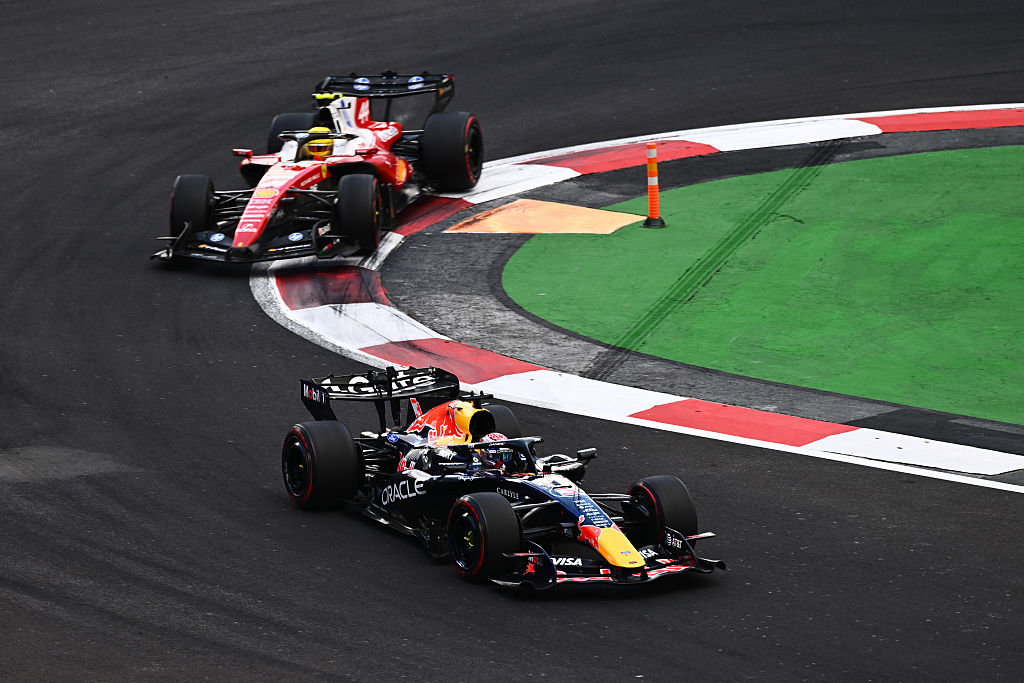
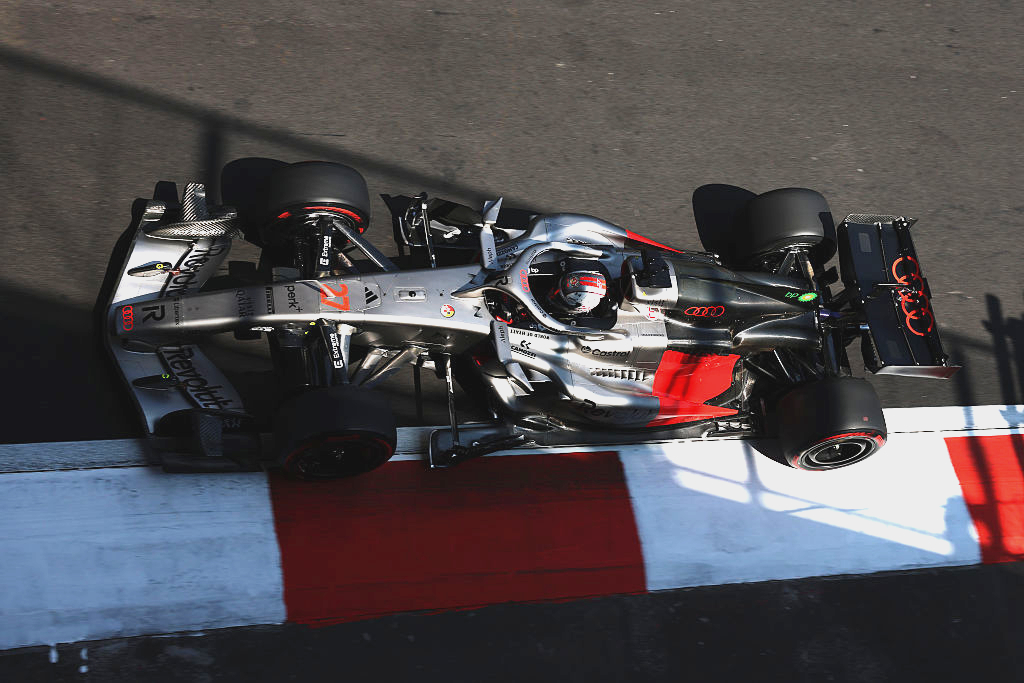
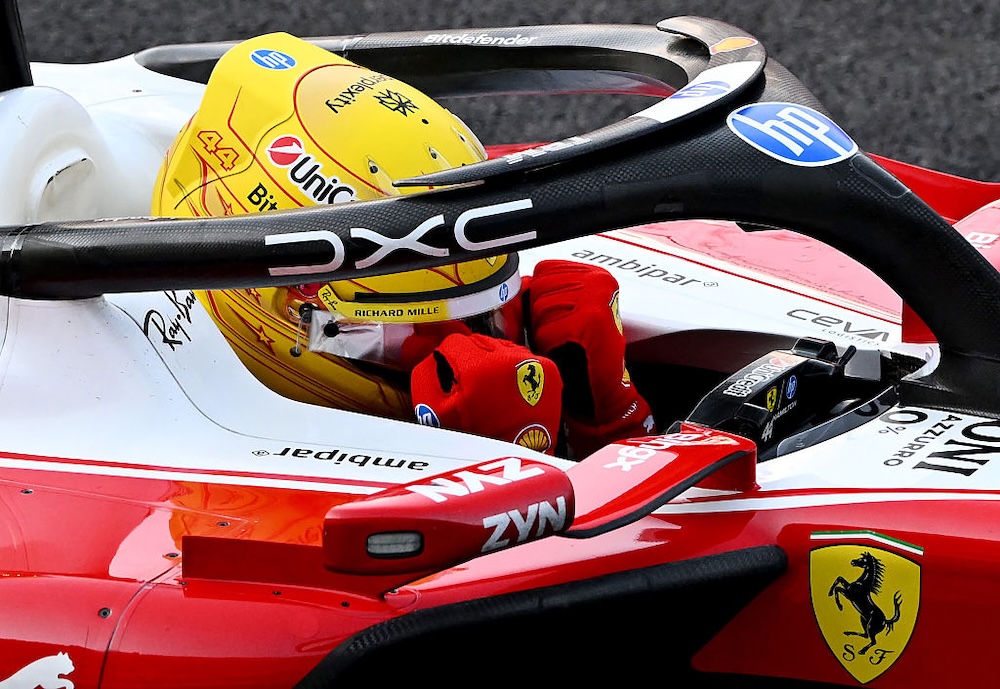
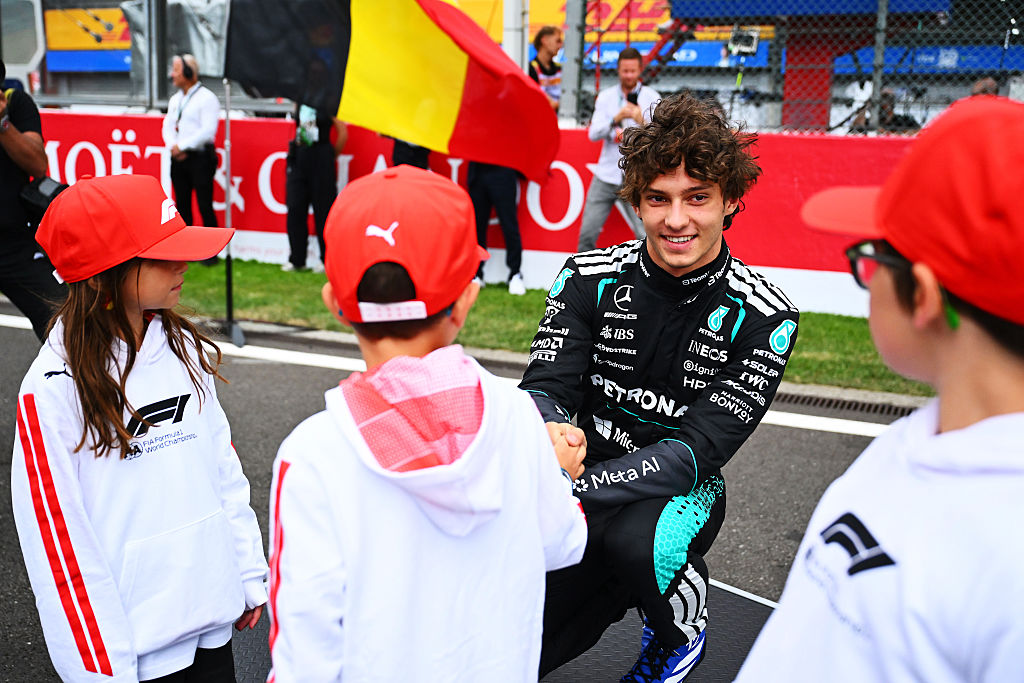
Kimi Antonelli’s sensational sophomore season has seen him crowned the youngest Formula 1 world champion in history. It’s a record that has only progressed through ten different drivers, and at 16 years since the age was last lowered, Antonelli ends the second-longest gap between new benchmarks.
Here are the 10 drivers to hold the title of youngest F1 world champion:
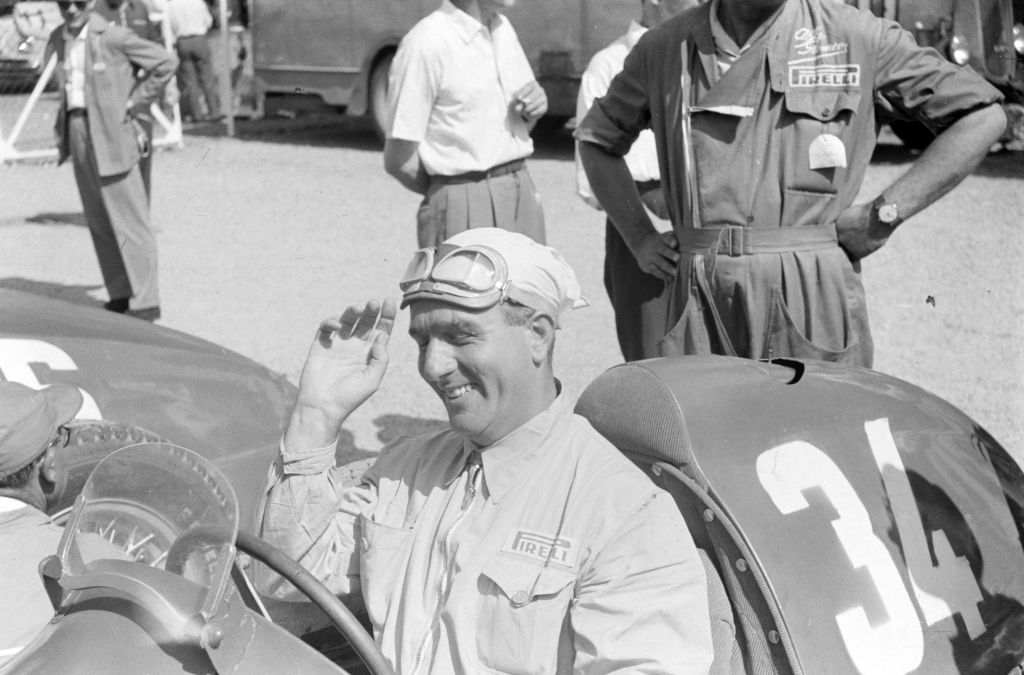
Giuseppe Farina was youngest out of the gate in 1950. Michael Tee/Getty Images
Giuseppe ‘Nino’ Farina - 1950 - 43 years, 10 months, 4 days
Huge shock to start this rundown, I know, as the first driver to become Formula 1 world champion was also the youngest. Farina earned that title of youngest winner by default in the championship’s inaugural season, taking three wins in his Alfa Romeo, including the final round at his home race in Monza.
It was a sign of the times that it was a driver in their 40s who would take the title, with a much older average age across the grid as the sport first started out as an organized championship.
Given what was to follow in the coming seasons, it’s remarkable to think that Farina was one of only two Italians to win the world championship until Antonelli’s success.
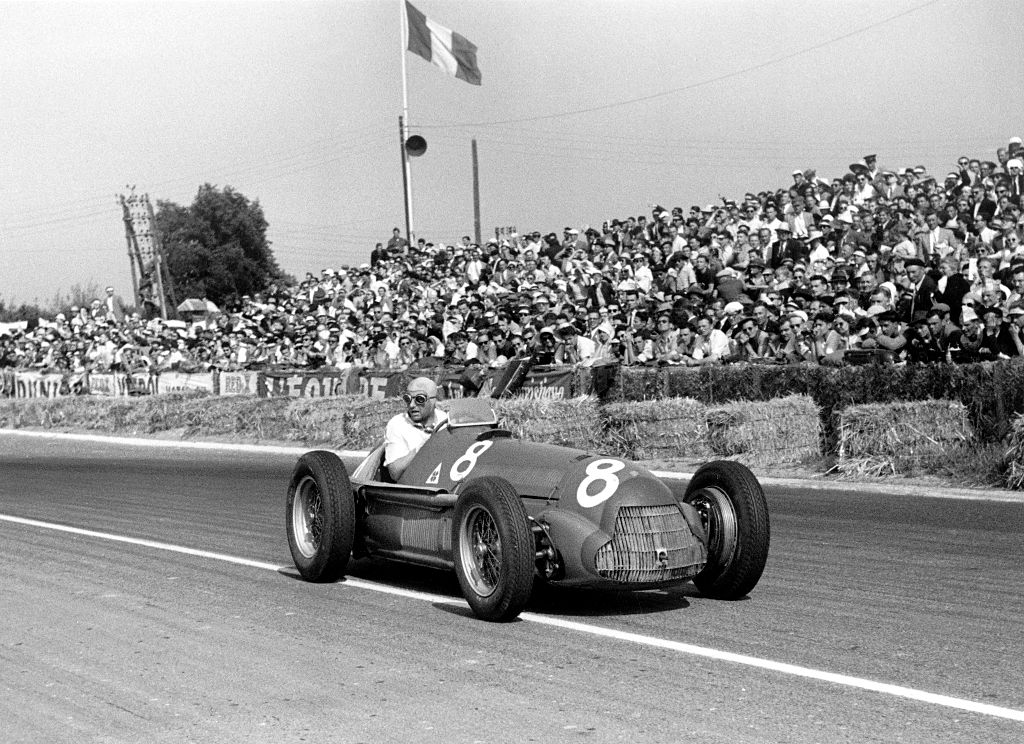
Juan Manuel Fangio, here winning the 1951 French Grand Prix at Reims, made up for the one that got away the year before. Getty Images
Juan Manuel Fangio - 1951 - 40 years, 4 months, 4 days
The progression of the record is always going to be extremely quick in the early years of the championship, and five-time world champion Fangio could well have set the mark at the first time of asking before turning 40.
He entered the 1950 finale in the championship lead and took pole position, but lost out to Alfa Romeo teammate Farina, and had to wait another year to secure the first of his five titles.
In 1951, it once again went down to the wire, with victory in the season-ending Spanish Grand Prix at Pedrables helping Fangio overcome the challenge of Alberto Ascari and Ferrari. The Argentine came out on top on this occasion, but the Italian pairing was set for a change of fortunes a year later.
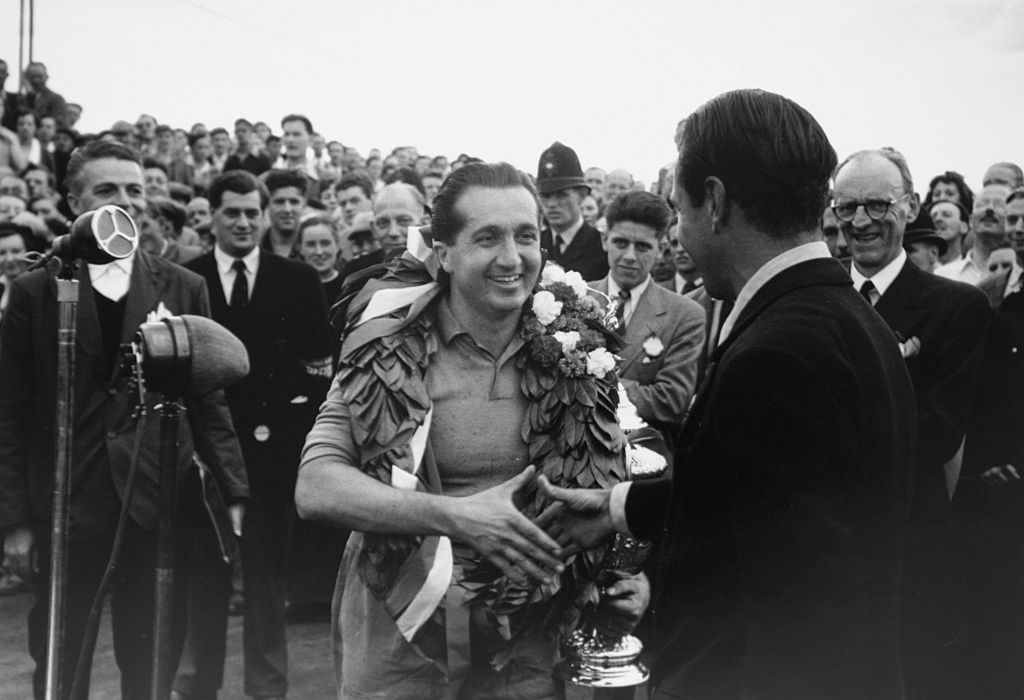
Alberto Ascari, here after winning the 1952 British GP, dominated the late stages of the season. Getty Images
Alberto Ascari - 1952 - 34 years, 0 months, 21 days
With Fangio absent from the start of the 1952 season and then injuring himself in a crash in a non-championship race at Monza, the door was open for Ferrari to dominate, and it was Ascari who duly did so.
After missing the opening round himself and then retiring from the Indianapolis 500 – then counting towards the drivers’ championship – Ascari went on to win the remaining six rounds of the season, with five of them from pole position, and securing the fastest lap point each time.
Just two years on from Farina’s title victory, Ascari had lowered the record for youngest world champion by nearly 10 years. He would go on and win the title the following season, too, to become the first double world champion in the sport’s short history (and with that, the youngest two-time winner), but that would be the last time an Italian would win the championship until Antonelli.
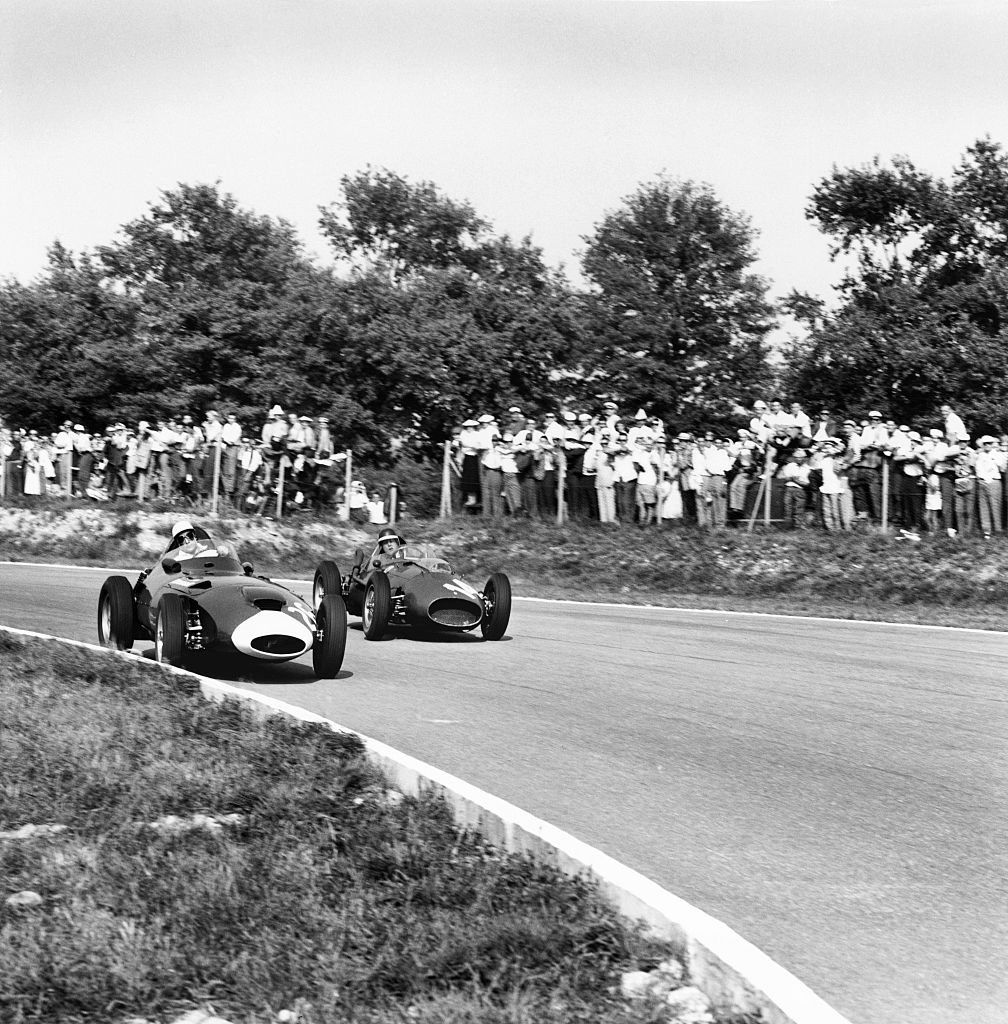
Stirling Moss, here in a Vanwall leading Mike Hawthorn (Ferrari Dino 246) at the 1958 British GP, appeared to have the upper hand that year, but Hawthorn's greater consistency proved decisive. Getty Images
Mike Hawthorn - 1958 - 29 years, 6 months, 9 days
Before the end of the decade, the youngest world champion was a driver in their 20s, as Mike Hawthorn gave Ferrari another title in 1958.
It was a year when Stirling Moss looked set to finally land his first title – an accolade he ultimately never achieved – and at five months’ Hawthorn’s junior, that would have been an even lower benchmark set for the youngest driver record.
But Hawthorn’s consistency, coupled with Moss’ sportsmanship, combined for it to be the Ferrari driver who came out on top. Hawthorn had only one victory to Moss’ four, but five runner-up results and only two retirements were enough to secure the title, as Moss failed to finish on five occasions.
Hawthorn would retire immediately after his triumph, at the end of a seven-season spell in Formula 1, but would be killed in a road car accident in the UK just three months later.
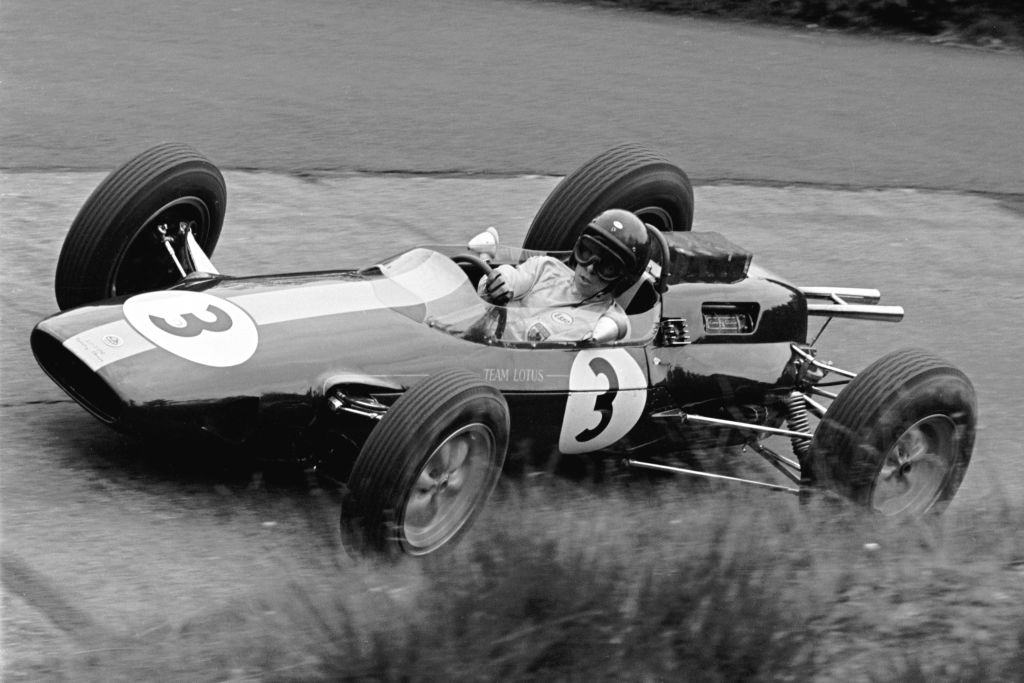
Jim Clark could have been an even younger champ, but left nothing on the table with his Lotus 25 in 1963. Getty Images
Jim Clark - 1963 - 27 years, 6 months, 5 days
Five years on from Hawthorn’s title, Jim Clark would lower the record once again in just his fourth season in Formula 1.
The Scot had been so close to becoming champion a year earlier, but retired from the lead of the season-deciding race in South Africa, and had to wait another 12 months. In 1963 he produced a dominant display in his Lotus 25, winning seven of the 10 races, and finishing on the podium in two of the other three.
Clark was emerging as the class of his generation, and while he would miss out on retaining his title the following season, a second championship soon followed in 1965. His position as youngest world champion stood for nine years, as the progression (regression?) of the record started to slow.
Presented by:


Chris Medland
While studying Sports Journalism at the University of Central Lancashire, Chris managed to talk his way into working at the British Grand Prix in 2008 and was retained for three years before joining ESPN F1 as Assistant Editor. After three further years at ESPN, a spell as F1 Editor at Crash Media Group was followed by the major task of launching F1i.com’s English-language website and running it as Editor. Present at every race since the start of 2014, he has continued building his freelance portfolio, working with international titles. As well as writing for RACER, his broadcast work includes television appearances on F1 TV and as a presenter and reporter on North America's live radio coverage on SiriusXM.
Read Chris Medland's articles
Baja-bred: How Ford Racing is making its production Raptors even tougher

Latest News
Comments
Comments are disabled until you accept Social Networking Cookies. Update cookie preferences
If the dialog doesn't appear, ad-blockers are often the cause; try disabling yours or see our Social Features Support.