The county fair of motorsport
Drifting isn’t new. Drifting's rise from a niche Japanese driving technique to a global motorsport happened remarkably fast. What began in the 1980s as a method used by street racers to slide through corners gained wider attention thanks to drivers like Keiichi Tsuchiya, the legendary "Drift King," whose calculated-chaos-in-the-corners style slid drifting into the spotlight.
By the 1990s, drifting had escaped Japan's twisty roads and entered popular culture through art, movies, photography, and even manga like Initial D and later The Fast and the Furious films. In the way things tend to go, after a couple of decades of backroad law-bending, parking lot cones courses, and late-night rips through otherwise quiet city streets, organized competitions began to sprout, most notably Japan's D1 Grand Prix series. As with anything cut from the outlaw cloth, like skateboarding, BMX, and other action sports, these legal competitions transformed drifting from an illegal driving style into a legitimate motorsport. As the sport spread internationally in the 2000s, series such as Formula Drift introduced American audiences to the spectacle of cars running door-to-door with one another while balancing on a knife’s edge.
Peter Corn
Today, drifting has collected a massive and voracious global following supported by professional teams, major corporate sponsors, social media creators, and millions of fans. Considering its supernova explosion in popularity, I thought it was high time to check out what Formula Drift was all about, and I did – with my wife and kids.
I’ve been around drifting a time or two on local tracks, mall parking lots, and on some dirt roads in Alabama (although we didn’t call it drifting back then). I wasn’t shocked to find that watching the competition at Formula Drift was electric, but I was somewhat surprised to come away with the feeling that the competition itself only tells part of the story. The real secret behind drifting's success (I think) may not be the tire smoke or banshee wails of open exhaust; It may be that Formula Drift has taken up the mantle of something increasingly rare in modern car culture: a place where enthusiasts, families, and curious newcomers can experience the joys of the car world together, without judgment or exclusivity. In a strange way, it feels less like professional motorsport and more like the county fair of car culture, and that was a very pleasant surprise.
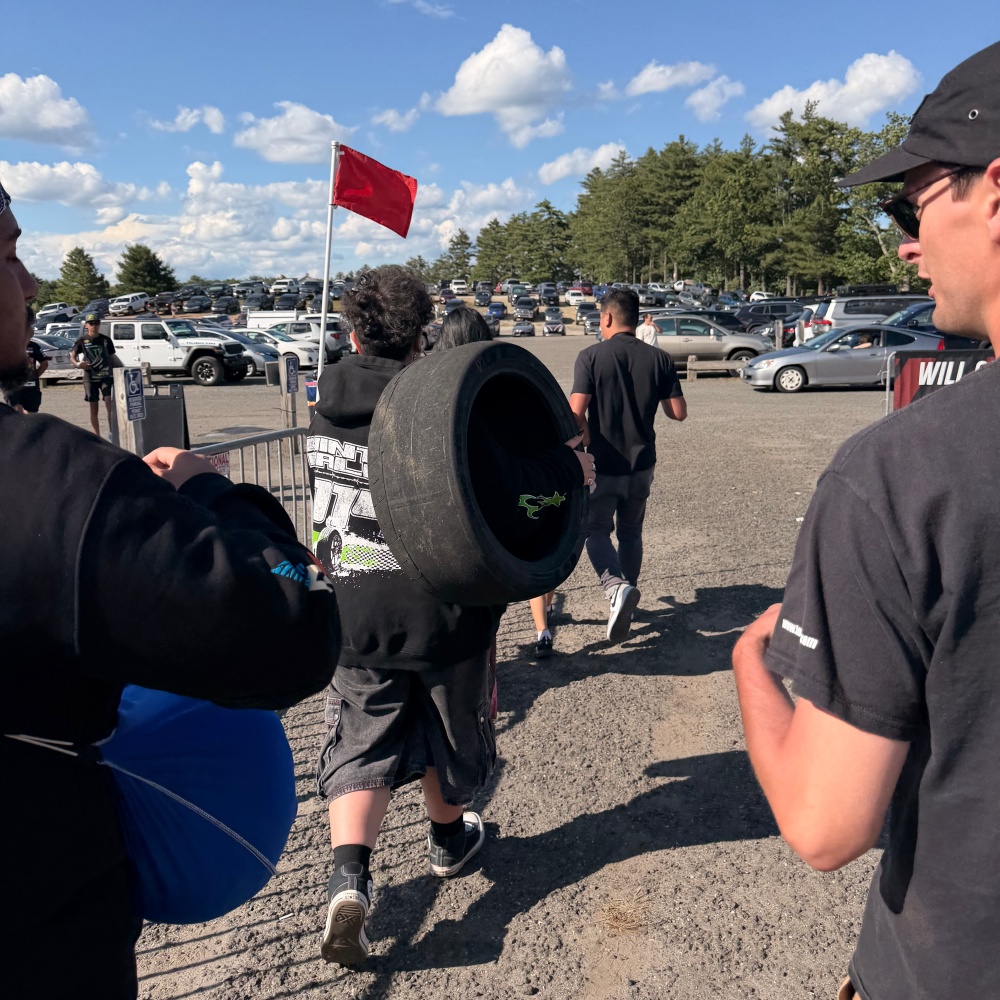
Peter Corn | Racer
To be clear, this is in no way a comment on the extreme skill, precision, and seriousness of the sport and its competitors. The fair comparison isn’t meant to suggest there were livestock barns hidden behind the grandstands or that the drivers were shooting for blue ribbons for best burnout. The comparison didn't hit me until I looked around between runs and realized that, like a county fair, almost nobody was there for just one thing; everyone was there for everything.
County fairs aren't really about livestock or the rides or seeing how much pie you can eat before you ralph; at the core, they’re community gatherings. The rides, food stands, exhibits, and competitions simply give people a reason to show up and be somewhere together. Formula Drift differentiates itself, of course, thanks to the fervent fans of the sport and favorite drivers, but the vibes match up like a Scandinavian puzzle box.
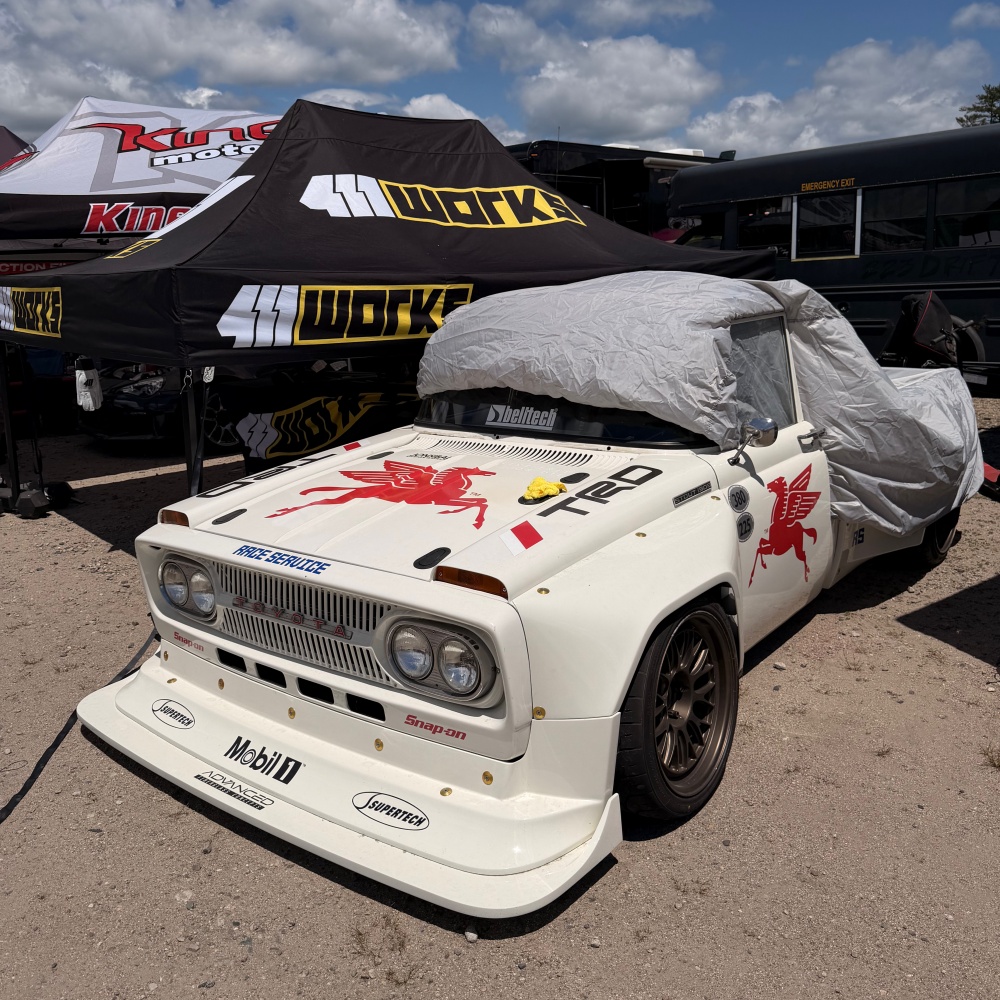
Peter Corn | RACER
Formula Drift feels remarkably familiar
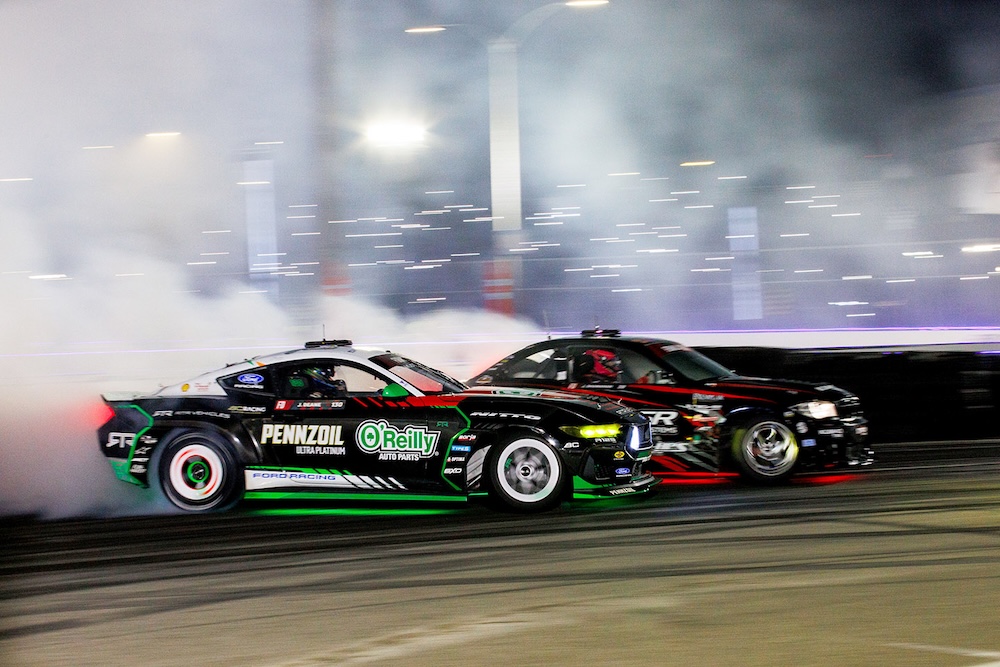
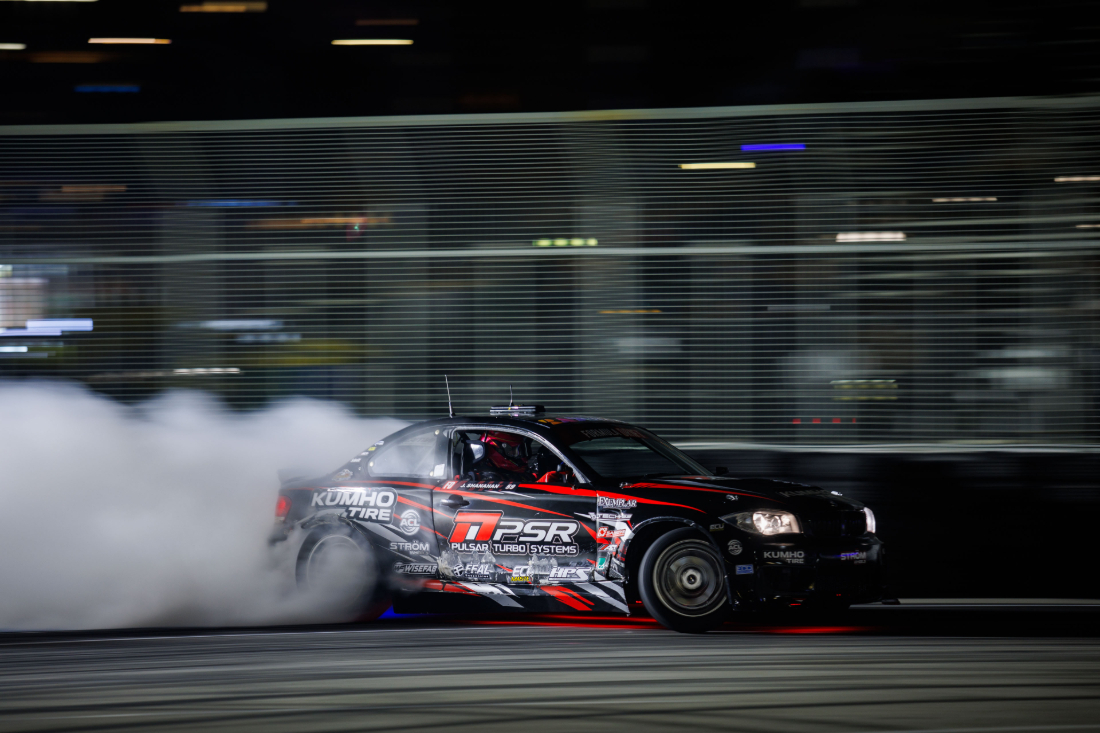
Yes, thousands of fans come to watch drivers throw 1,000-horsepower machines sideways at improbable speeds. That's the headline attraction. But spend a few hours wandering through the paddock, booths, merch stands, and food stalls, and you realize the drifting is only part of the experience.
I have been traveling a lot lately. I love it, but more than a writer or a car fan, I’m a dad and a husband. So when Formula Drift came to Stafford Motorspeedway for Father’s Day weekend, we piled into a Honda Odyssey and left for CT from NYC.
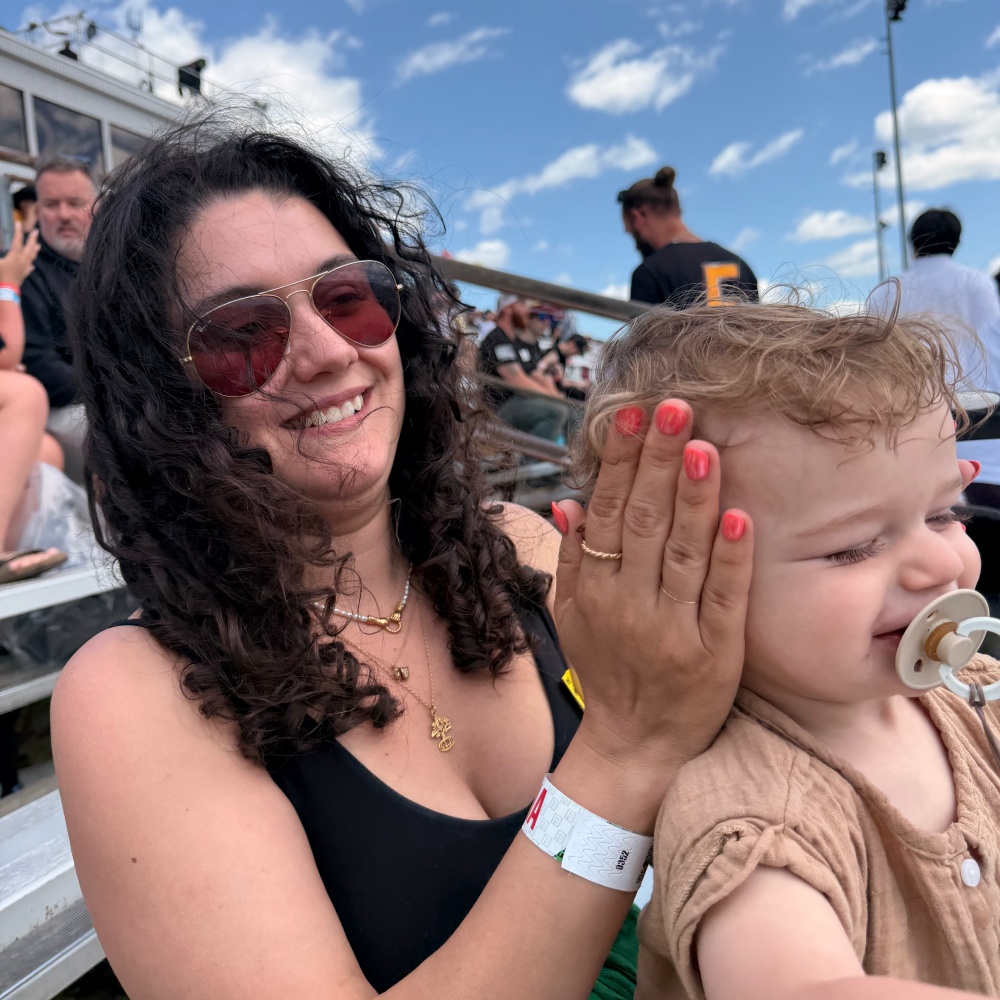
Peter Corn | RACER
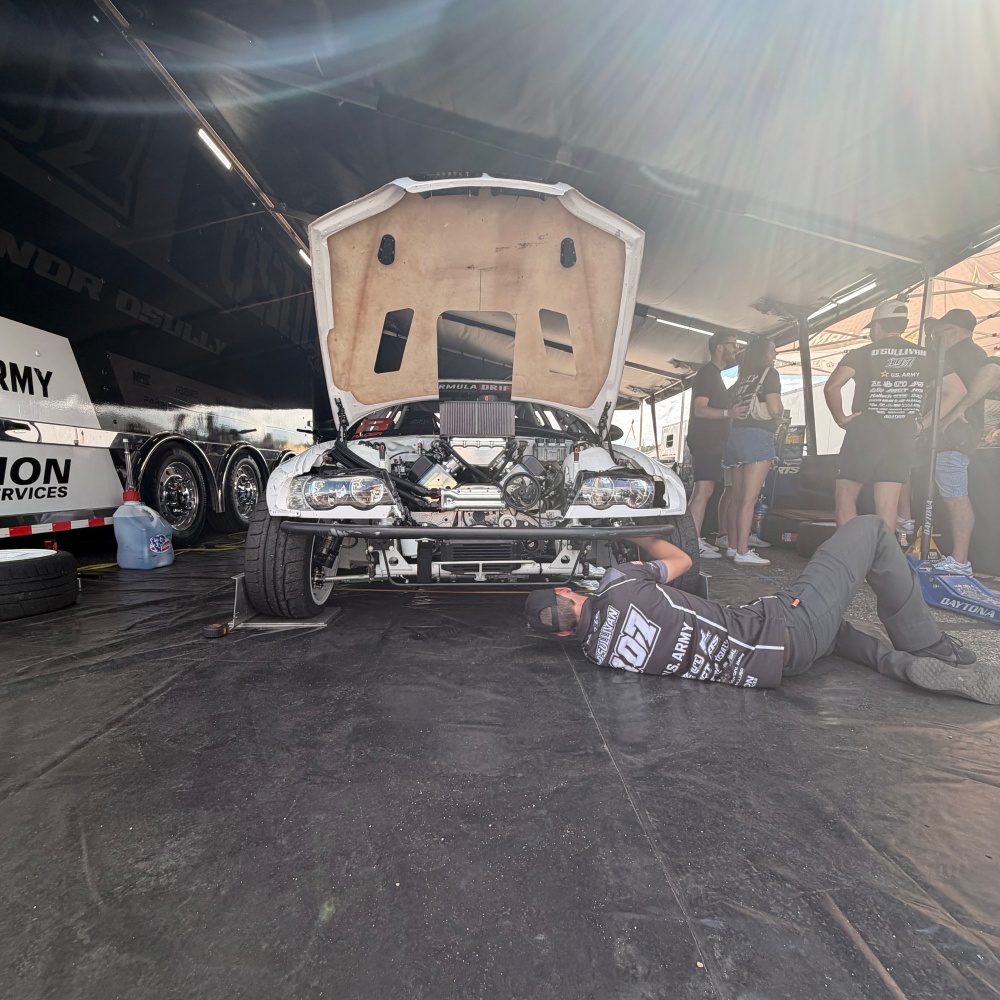
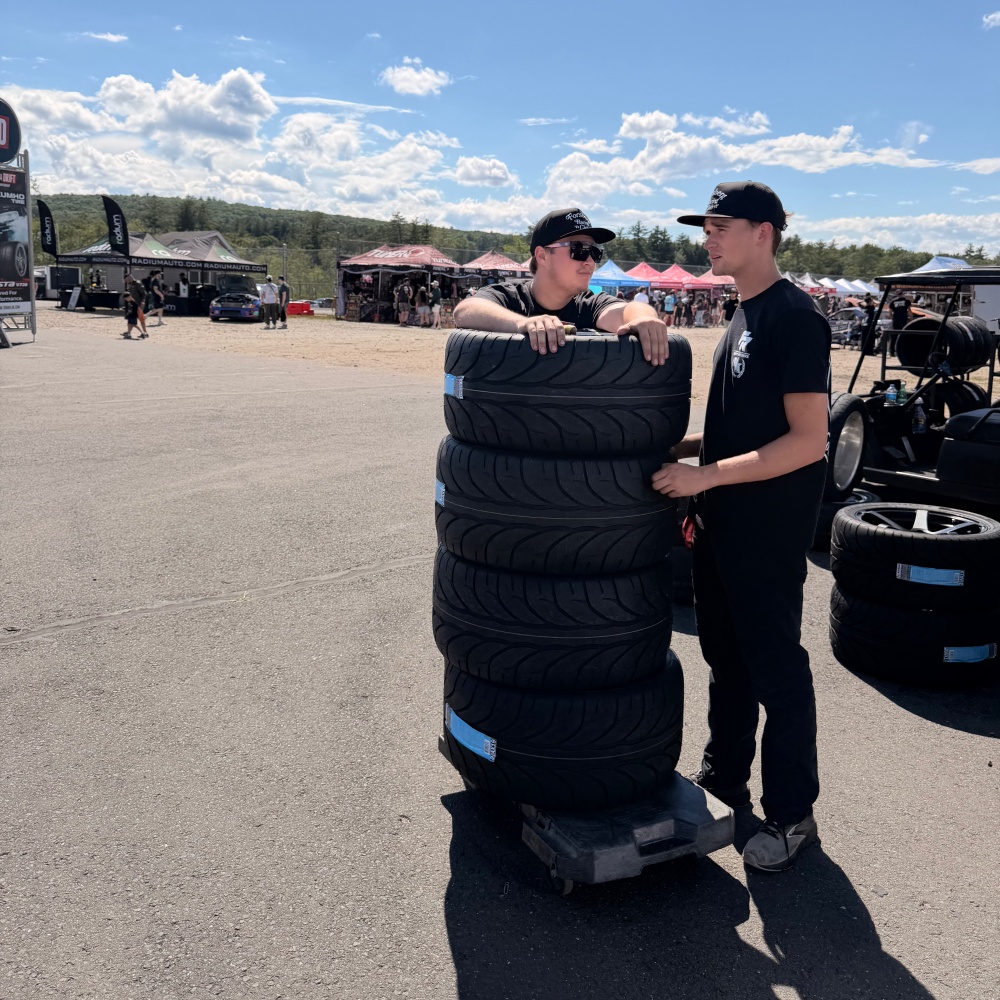
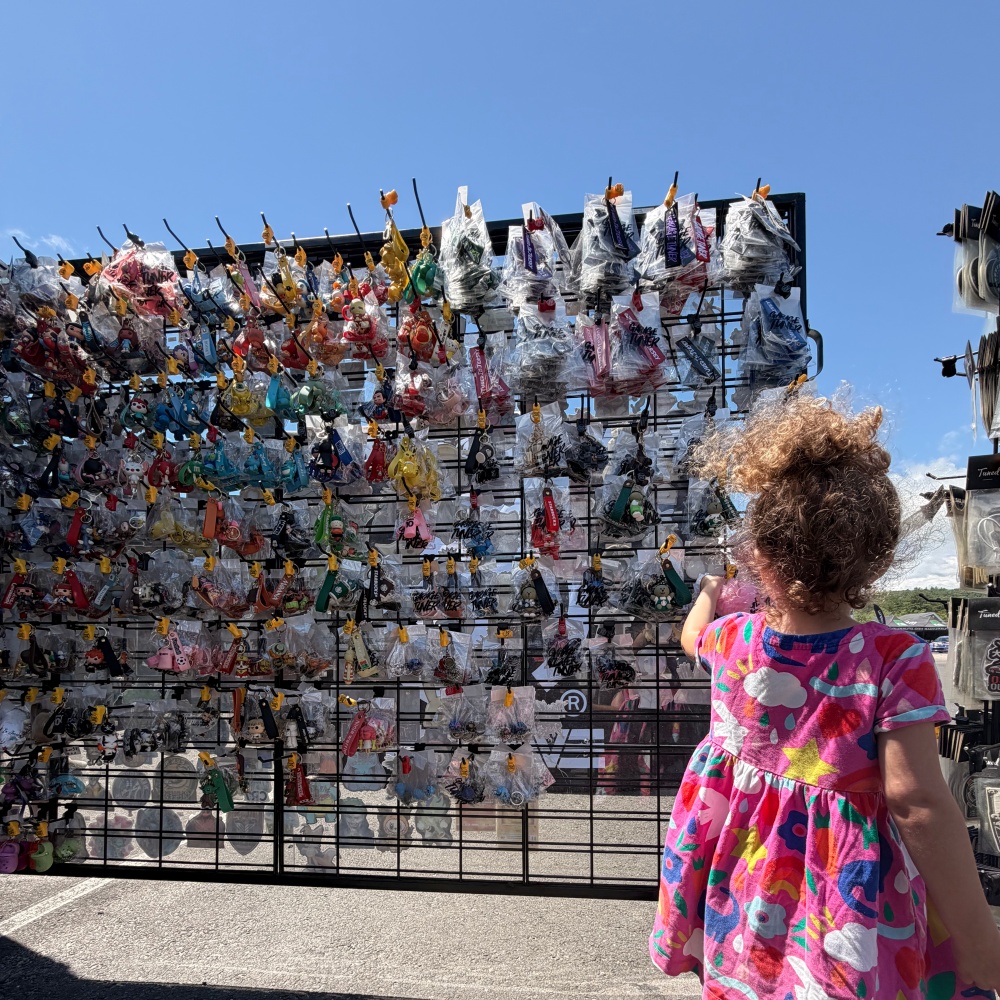
To my very pleasant surprise, families were lined up at the gates on race day. Kids climbed into simulators. Friends gather around vendor booths. Enthusiasts were guiding their kids through the paddocks of their favorite drivers. Food trucks stay slammed slinging fried dough, ice cream, hot dogs, and chicken fingers. Merchandise tents sold performance car parts and stuffed animals side-by-side. Many of the folks there, including me, spent as much time talking about the cars to their kids as they did watching the competition.
It was clear within minutes that the competition wasn’t the entire event. The grandstands stayed full, but so did the paddocks, tents, and merch booths. The track was the sun around which everything else orbited.
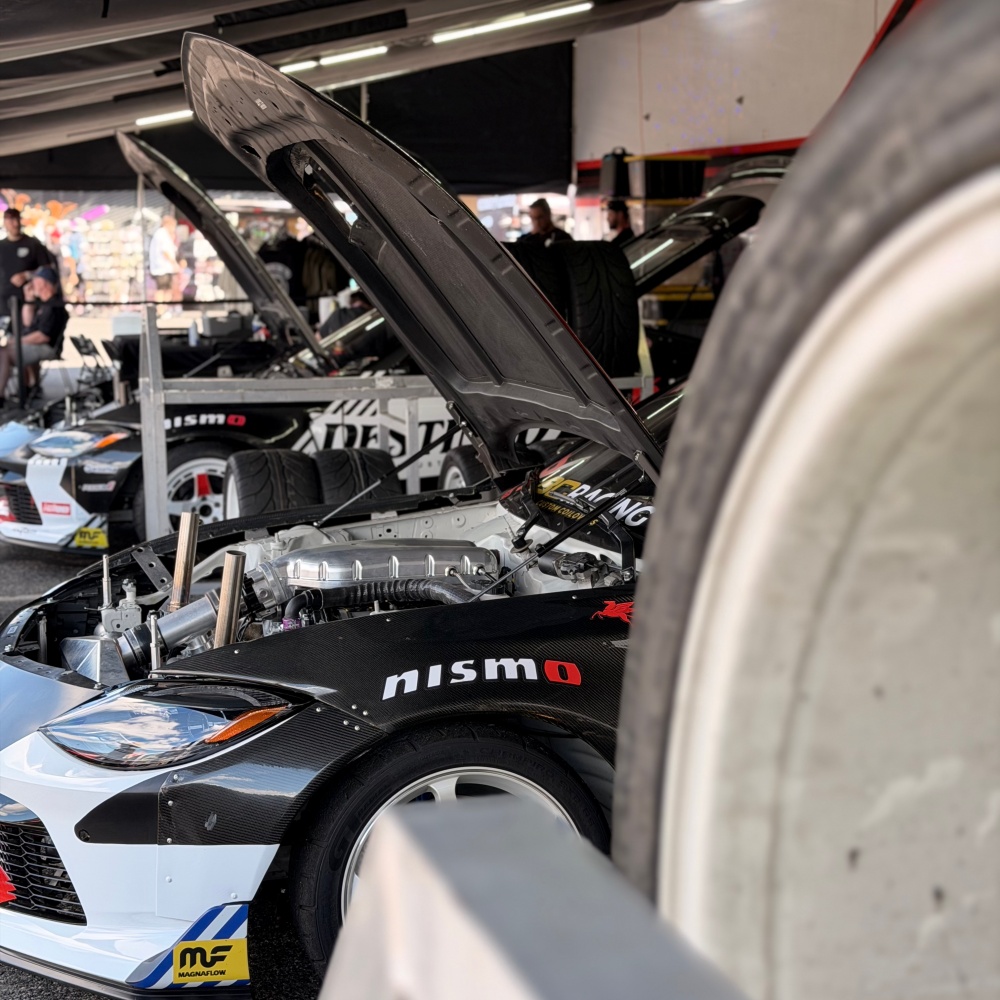
Peter Corn | RACER
Walking through the paddock, Formula Drift feels less like a professional sporting event and more like a giant community gathering that happens to involve professional racing drivers turning rear tires into atmosphere.
The internet is great at showing cars, but bad at creating car people
Modern motorsports can sometimes feel distant. Formula 1 drivers are separated from fans by layers of security, hospitality suites, and exclusivity. NASCAR offers varying degrees of access depending on the event and how much money you have. Sports car racing often provides excellent paddock access, but the culture can feel more traditional and reserved.
Formula Drift occupies a different space entirely.
Peter Corn | RACER
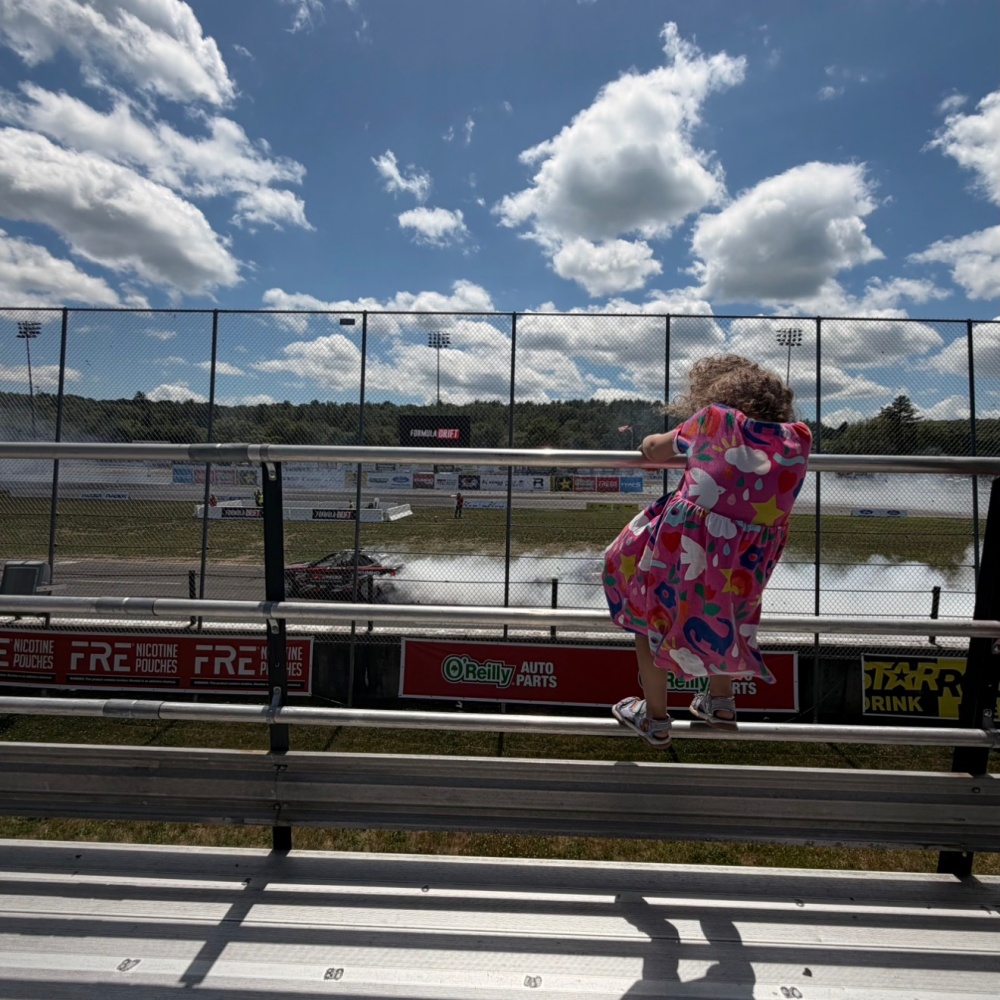
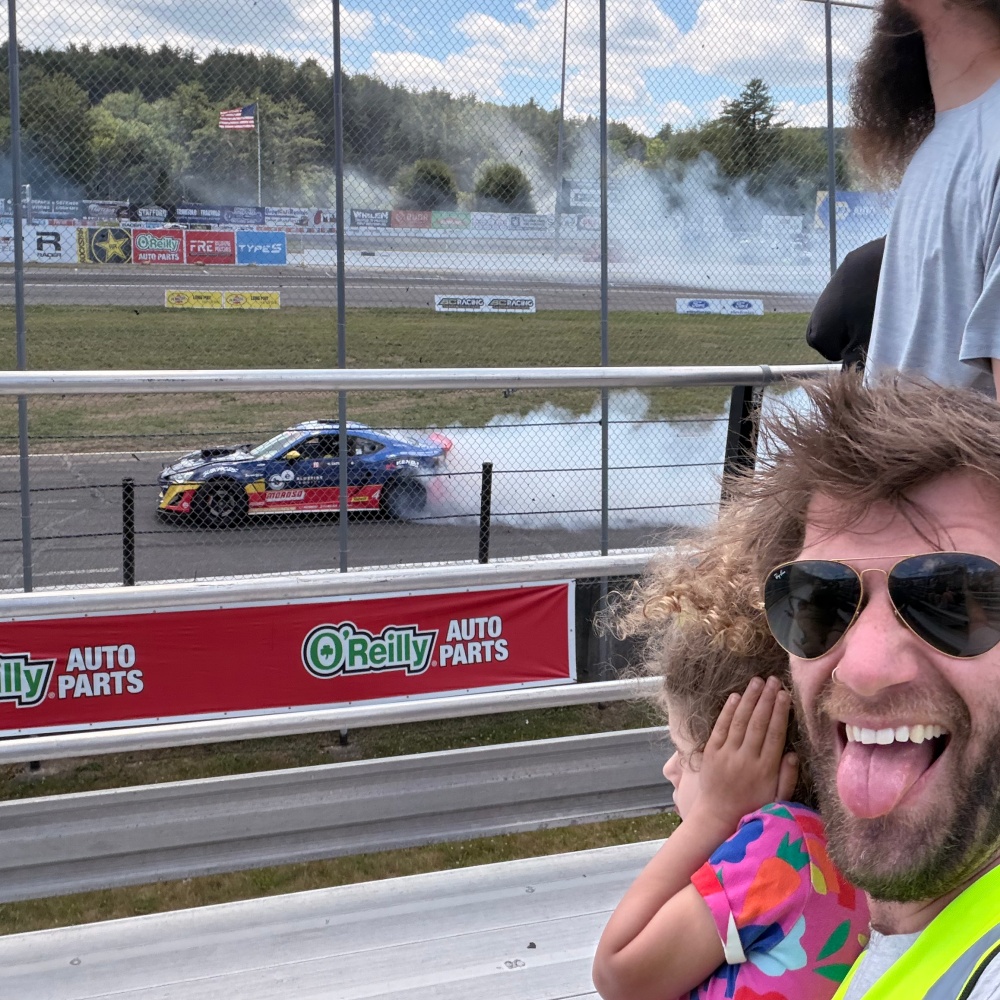
My four-year-old daughter wasn’t relegated to watching from the stands. She met drivers, collected stickers, looked (touched) at the cars close up, and felt the shake in her chest when these cars fired up only feet from where she was standing. And she loved it.
Car enthusiasm has always been passed from one person to another through experience. Photos and videos are wonderful. The access we have to that stuff with the internet and social media is great, but long before social media, it happened at local tracks, parking lots, garages, and weekend car shows. Someone saw, felt, heard, even rode in machines they couldn't stop thinking about. Moments like this, for many young people, plant a seed. The photos and videos can water that seed, but real hands working real soil (as it were) must be a part of the process.
Today, too much of car culture lives online
This isn’t all bad. YouTube can teach someone everything there is to know about a Toyota Supra or whatever. Social media can introduce enthusiasts to cars from around the world that they might not otherwise have a chance to see in real life. Forums, videos, and creators have made automotive knowledge more accessible than ever. These are all good things.
But information and enthusiasm aren't the same thing.
Peter Corn | RACER
The internet is incredibly good at showing cars. It's less effective at creating car people. Standing against a fence while a drift car detonates your senses with noise, vibration, heat, smoke, and the unmistakable smell of tire destruction is something a screen simply can't reproduce. Neither is watching a driver's concentration during an autograph session, hearing a crowd react to a near-perfect run (even more so a crash), or seeing a kid's eyes widen as a drift car lights up the course for the first time.
Peter Corn | RACER
People rarely become enthusiasts because someone defined horsepower or explained the rules of a racing series. They become enthusiasts because something moved them.
In an era where so much of our entertainment and communication happens through screens, Formula Drift remains not only physical but delightfully accessible. The event was loud. Visceral. Shared. It provided my family and hundreds of other fans a place to experience car culture together rather than simply consume it from afar.
Peter Corn | RACER
By the end of the day, the comparison to a county fair feels even more appropriate. My kids were tired, hot, sticky, and so fired up it took hours to come down off the fizz of it all. I, like many other fathers, spent my day of celebration sharing something dear to me, something special and relevant to who I am outside of my role as “daaaaaaaad” with my kids. They got to experience something new and exciting, and they got to learn more about what makes their old Pops tick. It was such a joy to see other dads carrying bags full of junk they didn't plan on buying, kids begging for one last stop before heading home, and friends lingering in parking lots discussing their favorite moments over promotional energy drinks.
I guess there’s no way to prove it, but if I were betting on it, I’d say some young people experienced something at Formula Drift this past weekend that will stick with them for the rest of their lives.

Peter Corn
Peter Corn is an automotive writer and storyteller. Peter has spent nearly a decade writing about cars, trucks, and motorcycles for some of the best publications in the business. He believes the best automotive stories aren't really about the machines at all, but instead, the people who love them.
Read Peter Corn's articles
Latest News
Comments
Comments are disabled until you accept Social Networking Cookies. Update cookie preferences
If the dialog doesn't appear, ad-blockers are often the cause; try disabling yours or see our Social Features Support.