David Taylor/Getty Images
Zanardi epitomized speed, courage - and joy
Conveyed with that slow Bolognese drawl, Alessandro Zanardi’s words were a mirror.
Punctuated with the animation dancing across his cheeks and eyes, the depths of joy discovered by the Italian during his CART IndyCar Series adventure as he experienced our series and tracks for the first time was projected in the loving manner he spoke to us, and about us.
And we felt that joy. Zanardi was a playful antidote to some of CART’s established stars – the brooding types and self-styled bad boys – whose manufactured personalities and misery-laden entitlement stood in opposition to the future IndyCar king.
Zanardi was a summoner of child-like wonderment and emotion, earnest in his appreciation for all the blessings the most unexpected trip to North America brought after his career nearly collapsed in Europe. He welcomed us in – let us go on the journey – and we fell in love with the guy.
How could life be so extraordinarily good and giving to one man?
That’s the sentiment Zanardi infused within the expanses of CART’s world, and it was drawn from a place that’s unique to those who’ve been chronically underappreciated.
Although his talent was never in doubt, Zanardi was an unfortunate member of F1’s biggest fraternity, where sizable skill went unmatched with teams and cars befitting his true capabilities. Across four partial seasons with three small teams, Zanardi sent reminders with a handful of top 10s, but he toiled in relative anonymity until the ride ended at the conclusion of the 1994 Grand Prix championship.
After losing his tenuous grip on F1, Zanardi – as his 30th birthday approached – resurfaced with Lotus in a place of genuine obscurity as a brief member of the car maker’s factory BPR Global GT program. BPR was an amazing series to behold, but sat miles removed from the headlining championships he’d known.
From 10 F1 races with Lotus in 1994 to two starts in a Lotus Esprit Sport 300 in 1995, Zanardi’s career was effectively over. And then a recommendation was made through Reynard, Chip Ganassi Racing’s chassis supplier, to consider including Zanardi in a Gong Show test late in the year to find a replacement for Bryan Herta.
He arrived with no fanfare, but also proved to be fast and charming and left with a chance to start over in a team that was nothing like the one we’ve come to know. Chip Ganassi Racing owned all of two IndyCar wins at the time, and ended the 1995 season positioned as CART’s seventh-best team in the standings.
For Zanardi, the opportunity was a lifeline to continue driving, but it wasn’t a call from a Roger Penske or Carl Haas. The bones of a championship contender resided within Chip Ganassi Racing’s halls, but at this stage, the organization was many moves away from troubling the established leaders.
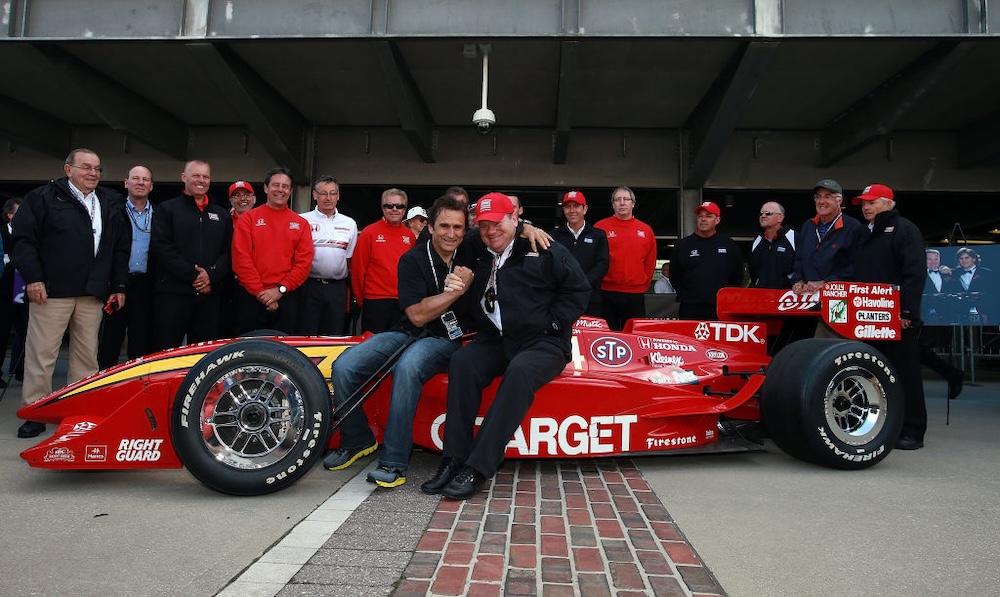
Zanardi was the driver that really put Chip Ganassi Racing on the map, and he remained close to his former boss even after his career had taken him elsewhere. He's pictured here with Chip Ganassi in 2013. Jonathan Ferrey/Getty Images
Alessandro Zanardi took a flyer on an unproven outfit that carried out all of the sweeping changes at once during the offseason by trading Goodyear for Firestone, Ford/Cosworth for Honda, and Herta for himself. With his signing, Ganassi had one request and asked his new driver to shorten his first name for the mostly American audience: Alex Zanardi was born. Paired with young veteran Jimmy Vasser, the two formed a wrecking ball that dominated the series as Vasser captured the championship in 1996 while Zanardi charged to third in the standings on debut.
With Vasser as his newest friend and guide, Zanardi became an instant force. Target Chip Ganassi Racing, as it was then known, blitzed the early season in 1996 as Vasser reeled off four wins from the first six races. He’d manage the championship lead for the rest of the 16-race season and earn his and the team’s first IndyCar crown. Zanardi would also get in on the victory game at the ninth race of the year. It was an ominous sign for the rest of the CART drivers.
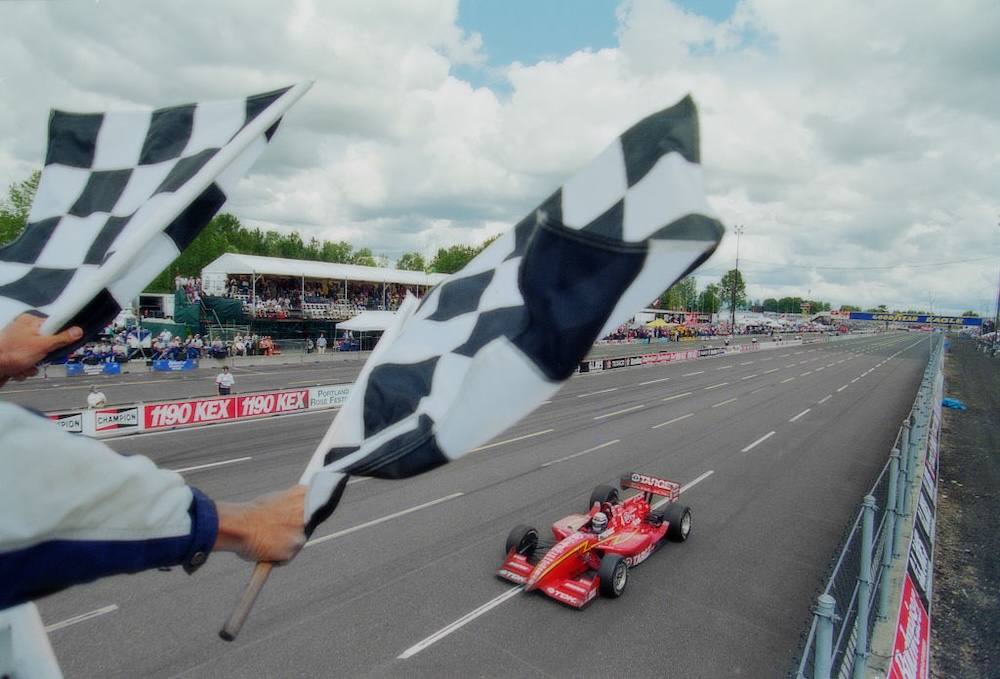
Zanardi won three times across the eight closing races, including the season finale at Laguna Seca where “The Pass” left us in a state of rapturous disbelief. Rookie of the Years honors went to “Alex,” but that didn’t matter. Once he got a feel for the Reynard-Honda, and oval racing, he shot to the top of the series and closed the season tied for second on points with Michael Andretti, but was credited with third as the 1991 CART champion had more wins.
But that wouldn’t be a problem as a sophomore; five wins topped everyone as he delivered Ganassi’s second championship in as many years and upped the tally to seven victories in 1998 to claim his second straight title while elevating TCGR to lofty back-to-back-to-back championship status.
Zanardi, in tandem with the cranky engineering genius of Morris Nunn, was all but unstoppable as they took consecutive championships while leaving his trademark victory donuts behind as a stylish signature penned with Firestone rubber and Honda horsepower.
His slashing approach to driving thrilled packed grandstands and audiences watching from home. And caused some of his prey to bristle at his embrace of aggression: Zanardi’s first donuts were left on the wheels and sidepods of those he deposed. The boldness to how he wielded those ferocious CART cars only added to his allure; all of the best IndyCar drivers went on the attack, but Zanardi made a habit of feasting on CART’s Great Whites.
The call back to F1 in 1999 opened the best seat in IndyCar for another mercurial talent to propel himself to the front as a rookie Juan Pablo Montoya seized the championship in 1999. In the ensuing years, Scott Dixon and Dario Franchitti would stack nine more titles onto the pile.
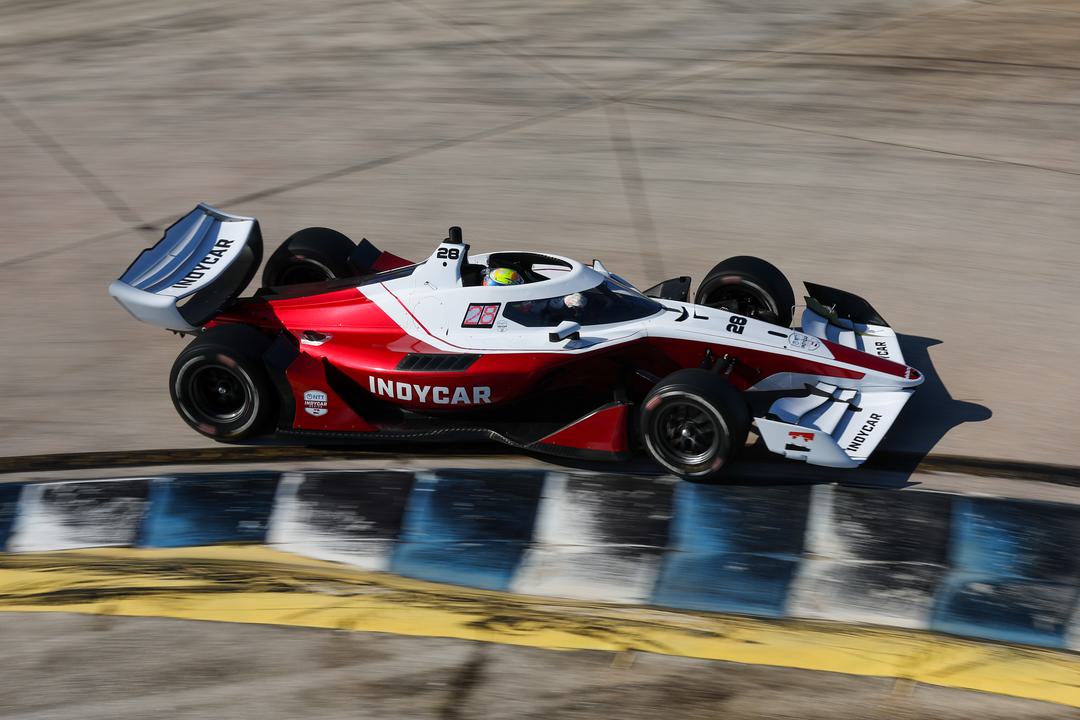
Building on what Vasser started, Zanardi was the rocket booster that launched Chip Ganassi Racing into the stratosphere; it’s a place where the team still resides. Fittingly, it’s now with another Alex in Alex Palou, whose four championships in five years have been earned with a smile and joyfulness that’s reminiscent of Ganassi’s original Alex.
In that red and yellow car with the lightning bolts that ran along the cockpit, Alex Zanardi reclaimed his potential, sewed dreams in a foreign land, became a legend, and left as a hero. While here, he adopted us, and in kind, we adopted him as one of our own.
With his death, I’m left thinking of all that life took from him after the gruesome crash in 2001 and how he refused to treat the amputations and upending changes as a loss. And that’s where the most valuable reflections began. Life after personal tragedy can be more than a consolation prize.
Summon the courage and resilience to defeat the thing that wants to defeat you. That’s what we were taught by Zanardi.
Fight. Smile. Love. Give. And keep fighting. Grazie, Alex.
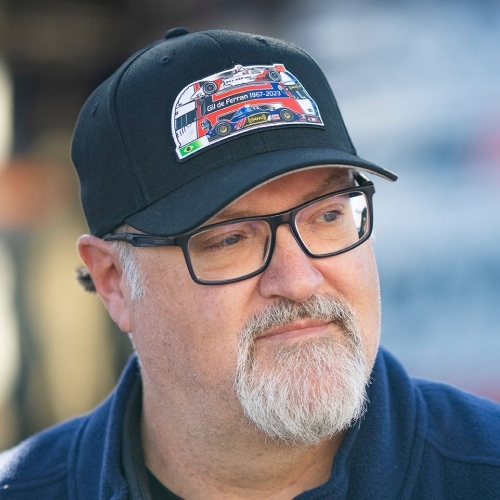
Marshall Pruett
The 2026 season marks Marshall Pruett's 40th year working in the sport. In his role today for RACER, Pruett covers open-wheel and sports car racing as a writer, reporter, photographer, and filmmaker. In his previous career, he served as a mechanic, engineer, and team manager in a variety of series, including IndyCar, IMSA, and World Challenge.
Read Marshall Pruett's articles
Latest News
Comments
Comments are disabled until you accept Social Networking Cookies. Update cookie preferences
If the dialog doesn't appear, ad-blockers are often the cause; try disabling yours or see our Social Features Support.