James Moy Photography/Getty Images
Is Peugeot finally ready for takeoff?
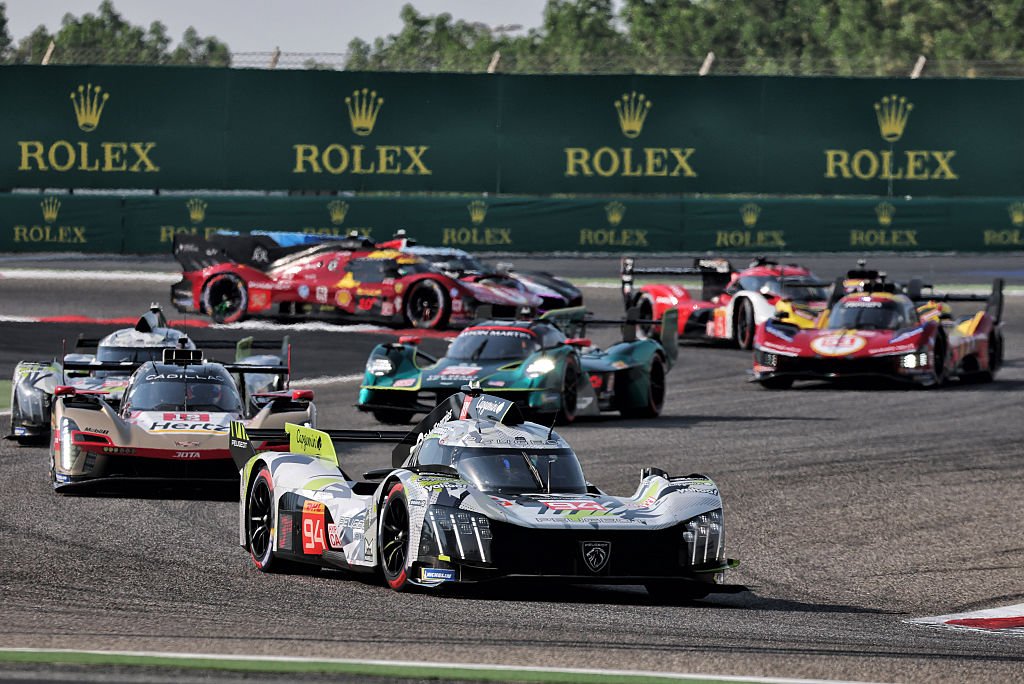
Throughout the FIA World Endurance Championship’s Hypercar era, the greatest enigma has often been Peugeot TotalEnergies and its 9X8 program. The French brand’s LMH-spec racer has received major updates since the original "wingless wonder" debuted at the 6 Hours of Monza in 2022 – including, in 2024, a rear wing – yet the team is still searching for its first win.
Year on year, there have been changes made to the car in a bid to achieve a breakthrough result, but the overarching theme has been inconsistency rather than progress. Across 26 races, the team has reached the podium just four times and, since manufacturers began joining the category in 2023, has finished outside the top three in the manufacturers’ standings each year.
In 2026, the hope is that the team can make steady gains, find a rhythm, and use any momentum to make a big impact in 2027, when it is expected to bring either a brand-new prototype to the class or a huge update to the current model. The former, RACER understands, is most likely.
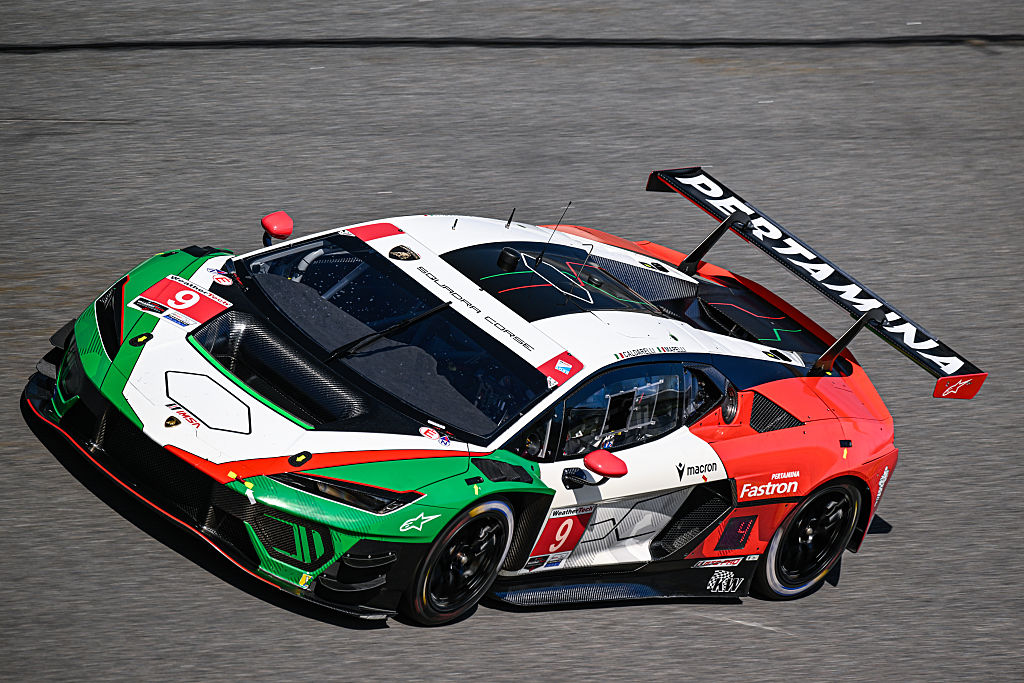
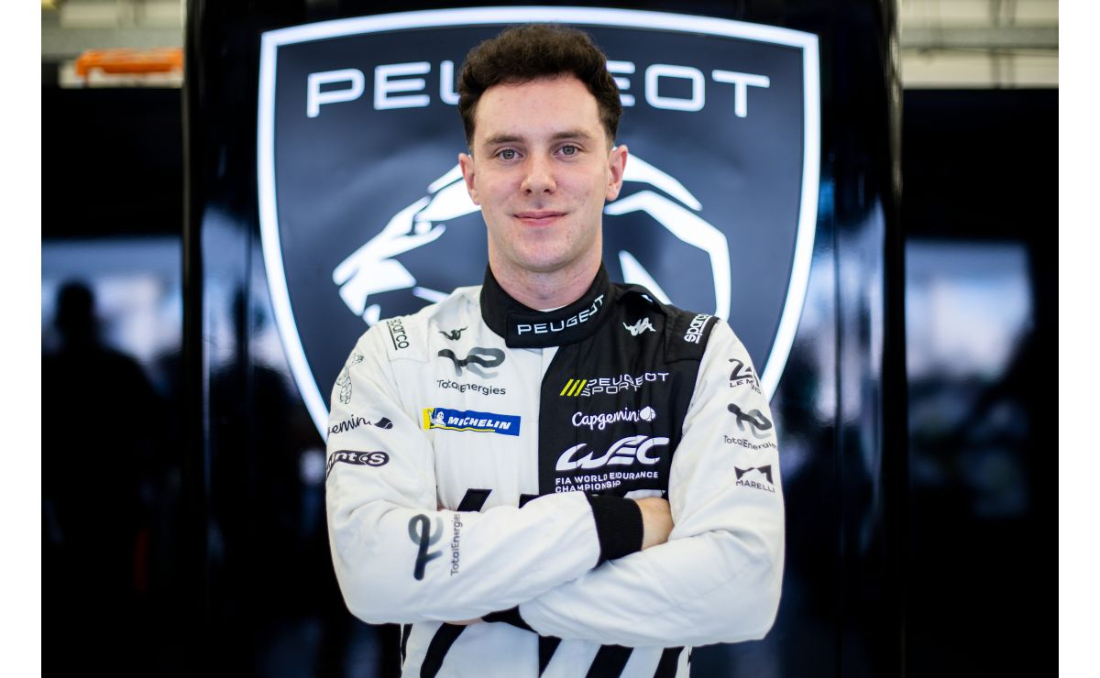
For the season ahead, perhaps the biggest change to the effort – beyond the tweaks to the driver roster – is the appointment of Emmanuel Ensault as team principal. He who joins the team from Iron Lynx and a role within the ill-fated Lamborghini SC63 effort and reports directly to Olivier Jansonnie, who has been promoted to the head of Stellantis Motorsport in the wake of Jean-Marc Finot’s retirement.
There’s been a lot to learn for Ensault in a short space of time, but with the opening race at Qatar postponed, he’s had valuable additional time to develop a working relationship with the people around him and get a real feel for the 9X8’s potential.
“I started on the 12th of January, so it takes time to understand and discover a completely new perimeter of action,” he tells RACER. “I'm still on the learning curve. I had enough weeks at the office prior to our first test, which was on the 4th of March. It made my life easier to first discover people at the office and then to discover them in action, trackside.
“It's a very different job from Iron Lynx,” he continues. “For the reason that we are building and designing the car from A to Z. Every single part on the car, except for some specific components you are outsourcing, is designed next door, and the car is assembled next door.
“It's also different because it's a car manufacturer part of a big international group. You feel a sense of responsibility, because it's a marketing tool, to do the job of a car manufacturer, which is selling cars on Monday morning.
“We are promoting some existing key members of the staff as head of car engineering and chief engineer, so we will reshuffle a few things. Olivier [Jansonnie] is still in the building, so if I have doubts, he’s still very open to supporting me, and I'm very thankful for his trust. The future is bright, I would say, so we'll do our best to make it work.”
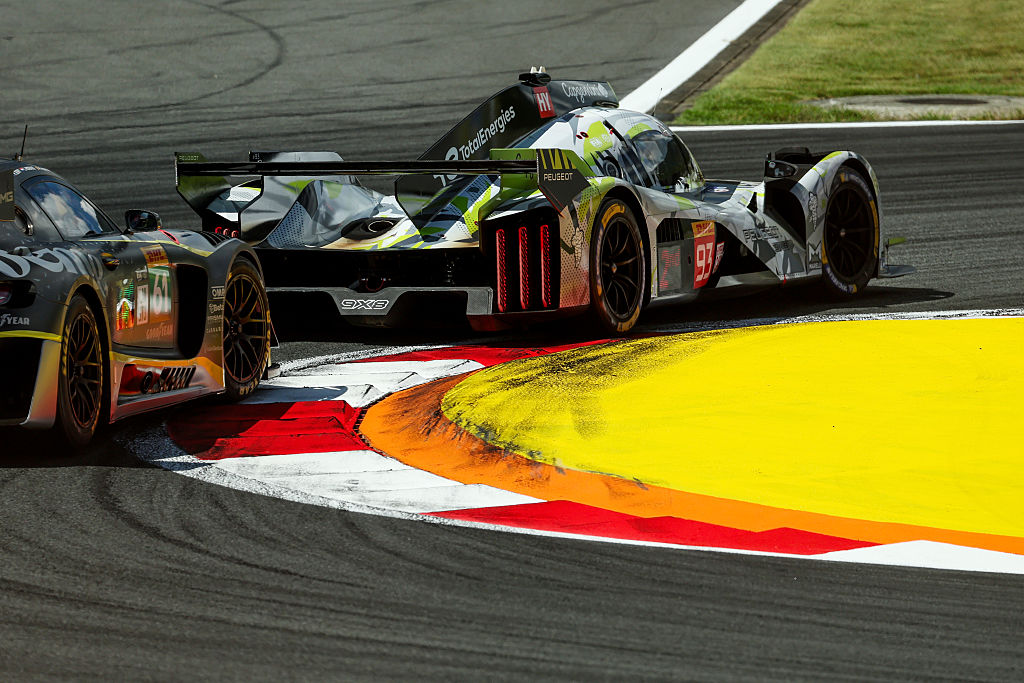
No Joke: The 9x8 is behind the development curve relative to its rivals. Jakob Ebrey/Getty Images
As for the 9X8 itself, unlike the majority of the other cars in the field – which have been updated with key performance "Jokers" – it heads into the season mostly untouched. Like the 499P from Ferrari, though, there are some differences to the 2025-spec car brought on by the car’s first visit to the Windshear wind tunnel in North Carolina.
All teams in Hypercar have had to pay the Windshear facility a visit this year in the build-up to the season, due to the lack of availability of Sauber’s tunnel. This, in turn, for the cars which hadn’t been assessed in the tunnel for homologation into IMSA GTP in the past (the 499P, 9X8 and A424), has thrown up differences in the data. For the OEMs in question, it’s forced them to tweak their cars to ensure they fit within the defined "performance window," which helps achieve parity between the cars and serves as a baseline for the Balance of Performance process.
The 499P’s aero changes for 2026, which can be spotted across the car, according to the team’s technical director, Ferdinando Cannizzo, add a sprinkling of uncertainty to the team’s outlook on the season ahead. It’s a similar situation with the 9X8, though Ensault downplayed the significance of the changes. “If you have a very detailed look… You can spot the difference, but you have to be an expert,” Esnault admits. “There are maybe six or seven areas… but it's very minor.”
So what should we expect from the 9X8 in its fifth season of competition? 2025 ended with a string of top-10 finishes for both cars and podiums at Circuit of The Americas and Fuji. Will that form carry over when the team gets going in Imola later this month?
“I can't promise anything,” Esnault says, pragmatically rather than defensively. “The specificity of the championship makes it impossible today to know where our car will be… so we need first to focus on ourselves.
“If the performance of the car is there, we should come back with good results. Creating too high expectations is always a big trap… I prefer not to create expectations and promise anything.”
A big variable for Peugeot and all the teams in 2026 is the new Michelin tires, which promise faster warm-up and better consistency over stints, all while being more environmentally friendly. The teams that unlock the potential of the new Pilot Sport Endurance compounds most quickly may end up getting off to the fastest start this season.
“Changing a tire compound is never a minor thing,” Esnault notes. “It’s just some adjustment on how you approach the warm-up, the tire degradation… but it will not drastically change the way the car operates.”
Peugeot’s experience with the new compounds is limited. Since the 2026 product range was frozen at the end of 2025, a single test at Portimao forms the backbone of its understanding so far.
“It’s never enough,” Ensault says. “But considering the change of calendar and the impact that the reschedule of the Qatar event may have, we are assessing the possibility of adjusting our testing plan. It's still under assessment.
“The amount of data you are logging during a test session is absolutely astronomic, so it's all being post-processed and worked on, and based on the conclusions, we will make the decision if we need to focus a bit more on such or such area and then organize an additional test session early in the season.”
Ultimately, there are two ways of looking at the 2026 championship for Peugeot: A great opportunity or a holdover. With all five allocated Jokers believed to have been spent on the car, the next big change is most likely to come in the form of a brand-new model in 2027.
However, revising the current car may still be an option. It will require successful discussions with the rule-makers to determine that Peugeot is eligible for additional Jokers, which, according to the latest sporting regulations, “can be granted for a demonstrated significant lack of performance as determined by the governing body.”
A look at the most recent Hypercar and GTP testing declaration essentially confirms that work is afoot. Peugeot has conducted three ‘special’ tests, including two rollouts during February, at Monthléry and Chateauroux.
With key elements of the 2027 Hypercar still up for discussion, Ensault was unable to give too much away, but he did tease to RACER that there’s more news to come.
“It's something we are working on very hard,” he said. “I would not communicate on this at the moment, because it's a very big, strategic, technical choice to make, so it will be communicated in due time, within the coming weeks and months.”
Nailing the brief for whatever is next in the pipeline is crucial. Peugeot’s board has long held high expectations for the 9X8 program and stuck by it through choppy water. With discussions well underway for the next phase of the Hypercar ruleset from 2030 onwards, commitment through to the next decade is not a given for Peugeot (nor the other OEMs involved, for that matter).
The pressure is therefore on to show that, at the very least, it is on a path to deliver Le Mans wins and titles in future seasons, so that Ensault can make the case that Peugeot’s involvement in the category into the next decade is worth the investment. Like his counterparts at the other factories, he’s fully in tune with proceedings in the background and hopes key compromises can been made to put together a rule set that remains attractive to a large group of manufacturers for a long time to come.
“It's like anything,” Ensault says of the ongoing work to finalize new regulations for 2030. “Common sense must prevail to build something convenient for all, because everybody has a different agenda. If you are a promoter, if you are the governing body, if you are a car manufacturer, or if you are a private team, the most important thing is to make sure that the general interest comes first, to make the platform stronger.
“The stronger the platform, the better it will be for manufacturers. A strong platform is good media coverage, controlled cost, a logical way of deployment of the technical regulations – it's a mix of many things, so that's why it's hard work. It's hard work because it's a world championship and you've got different agendas, a different cycle and different timing for manufacturers.”

Stephen Kilbey
UK-based Stephen Kilbey is RACER.com's FIA World Endurance Championship correspondent, and is also Deputy Editor of Dailysportscar.com He has a first-class honours degree in Sports Journalism and is a previous winner of the UK Guild of Motoring Writers Sir William Lyons Award.
Read Stephen Kilbey's articles
Latest News
Comments
Comments are disabled until you accept Social Networking Cookies. Update cookie preferences
If the dialog doesn't appear, ad-blockers are often the cause; try disabling yours or see our Social Features Support.