Chris Owens/Penske Entertainment
Andretti looks to put a stop to Power’s braking issues
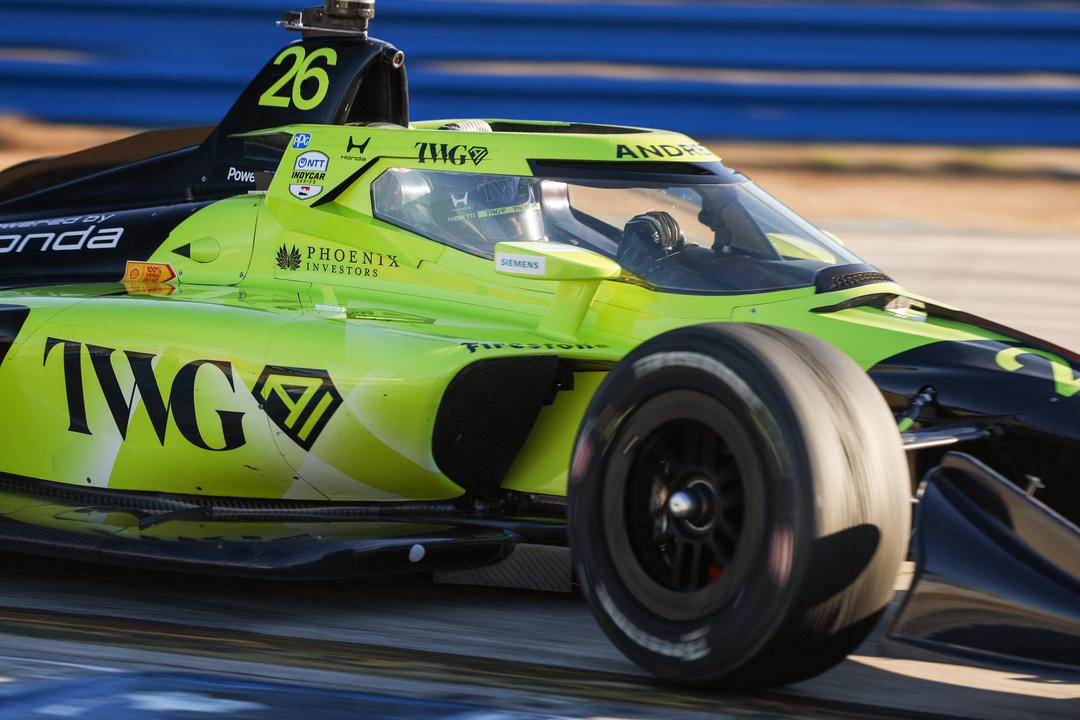
Will Power’s recent struggles with brakes at the St. Petersburg street race revealed how even in a series like IndyCar, where most of its Dallara DW12 chassis is spec, there are enough small freedoms allowed to make Power’s new Andretti Global car perform in a completely different manner under braking than his championship-winning Team Penske DW12.
For the 2018 Indy 500 winner, St. Petersburg was a case of wanting to have the braking characteristics and feel of what he’d grown accustomed to at his previous team, but within the competitive world of IndyCar, Penske was never going to send its braking system setup information along with Power to make his life easier at Andretti.
In a quest to give its new driver the confidence to attack the corners under braking without fear of meeting the concrete walls, Andretti has responded by taking a more basic approach to the variables with the No. 26 Honda’s braking package for this weekend’s event on the streets of Arlington.
RELATED: Despite a rough start, Power fired up by the vibe he’s getting at Andretti Global
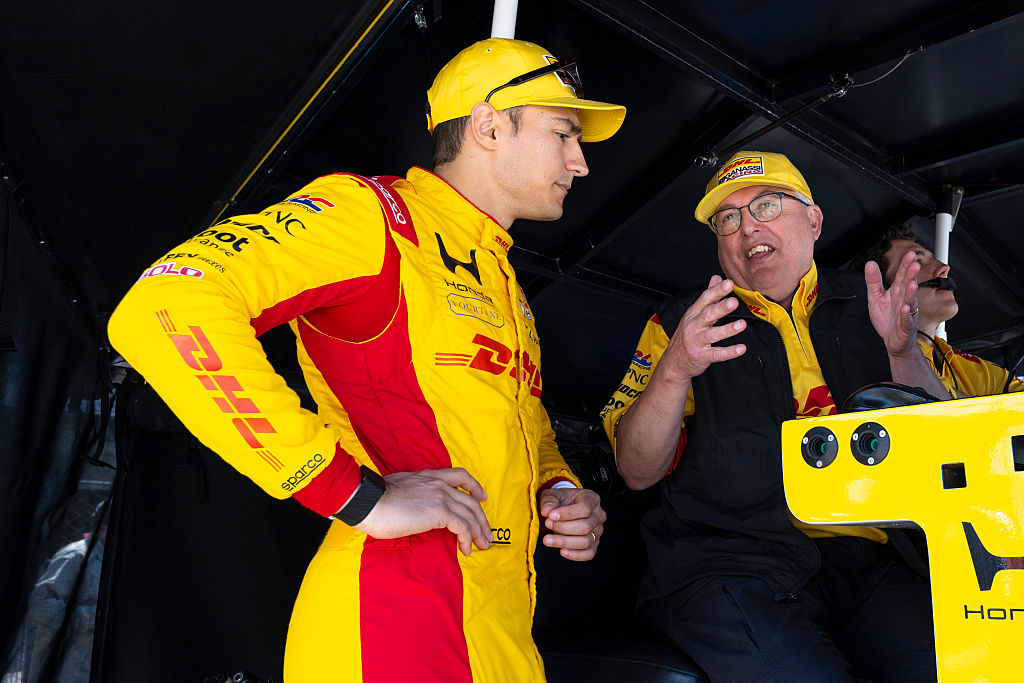
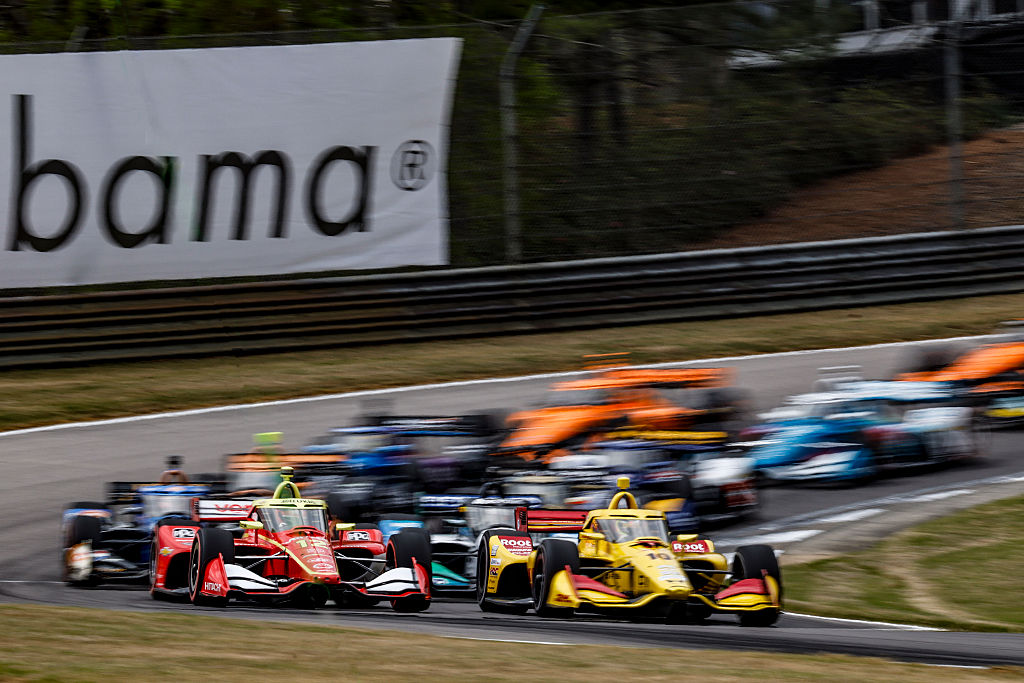
“It was a bit of a perfect storm of different things over a short period of time,” Andretti team principal Ron Ruzewski said of Power’s pair of crashes in Turn 10 at the opening street race. “On the first one, some things that were related to the setup and that caught him off guard. We had something that went askew with the setup that contributed to the first issue. Then in the race, I think it was also exacerbated by the track conditions, but it caught him out as well and that was more related to him just having a slightly different brake system.
“So we took a full look at the car and that system and what we ended up doing was we curtailed it more towards being just as linear of a system as we could and kind of hit the reset button. Make it easier and as linear as possible for him, and then start to customize it to his needs.”
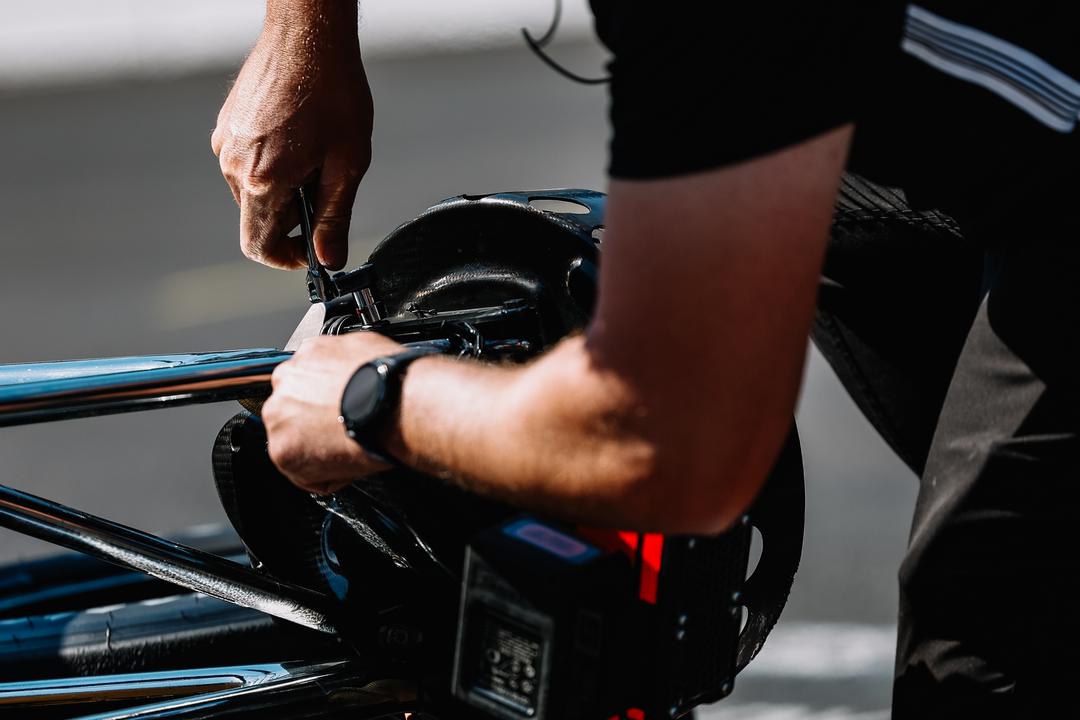
A spec braking system supplied by Performance Friction Corporation is found at the four corners on every DW12 and cannot be modified by its teams. All of the components from PFC that mount to the uprights – the discs and calipers and brake hats and pads – must be used as they’re supplied, but there are choices to make on age and mileage of the friction materials.
New discs and new pads, for example, offer a slightly different braking characteristic than used discs and pads, and matching the friction materials is critical. Like tires, not every new set behaves identically to the other discs and pads, which makes assessing and identifying front discs and rear discs that give the preferred responses part of the personalization process.
Within the DW12s, a much greater range of options exist, starting with the spec brake master cylinders supplied by Brembo. Although the master cylinders are off limits for massaging by teams, the series allows an array of sizes to choose from to apply pressure to the front and rear brakes, and that, too, is a big part of how teams tune the braking system to behave to each driver’s liking.
The connection between the master cylinders and the brake calipers is yet another area where the inner diameter of the brake lines – using a -2, -3, or -4 AN hose, for example – will affect the force a driver must apply to slow the car. Teams are allowed to design and manufacture their own brake stems – commonly known as the brake pedal, which influences force application and can have unique lever ratios – to add one more layer of customization.
Returning inside the DW12 to the master cylinders, there’s a giant option hidden from sight with the VBB system – variable brake bias – teams are permitted to make and tune in highly specific ways. Although the rules prohibit altering the master cylinders and the traditional brake bias bar, teams asked for and were granted permission years ago the ability to create their own VBB structure surrounding the master cylinders with linkages and springs of differing rates that shape how brake bias is produced as the pedal is depressed.
Separate from whatever Andretti concocted for its VBB, Power would have used the 100-percent unique VBB devised by Team Penske that has an entirely different range of variables. Take the master cylinder bore sizing options, the brake line sizing options, the pedal stem design options, and the VBB as a whole, and it’s no surprise as to why Power struggled to find what he’s come to expect from the DW12 under threshold braking.
“Whether it's the way they sort the rotors, whether it's the way the car is plumbed, whether it's the VBB; it's just different enough that we didn't have any issues with it in the Sebring test,” Ruzewski said. “But then you go to a different course, different set of circumstances, slightly different setup. We've prepared for making more changes this weekend. I don't think it's going to be the overwhelming theme.
“I think we're going to be at a point where we can just focus on the nuts and bolts of stuff. But we have to do due diligence and be prepared, right? And make sure that we have ways to tune the system one way or another. But I think learning the track and keeping everything simple is my approach and has always been the way. Keep everything linear and as in the driver's hands as possible, especially on a new circuit.”
Presented by:

Marshall Pruett
The 2026 season marks Marshall Pruett's 40th year working in the sport. In his role today for RACER, Pruett covers open-wheel and sports car racing as a writer, reporter, photographer, and filmmaker. In his previous career, he served as a mechanic, engineer, and team manager in a variety of series, including IndyCar, IMSA, and World Challenge.
Read Marshall Pruett's articles
Latest News
Comments
Comments are disabled until you accept Social Networking Cookies. Update cookie preferences
If the dialog doesn't appear, ad-blockers are often the cause; try disabling yours or see our Social Features Support.