Chris Owens/Penske Entertainment
Power to make first run with Andretti at Phoenix tire test
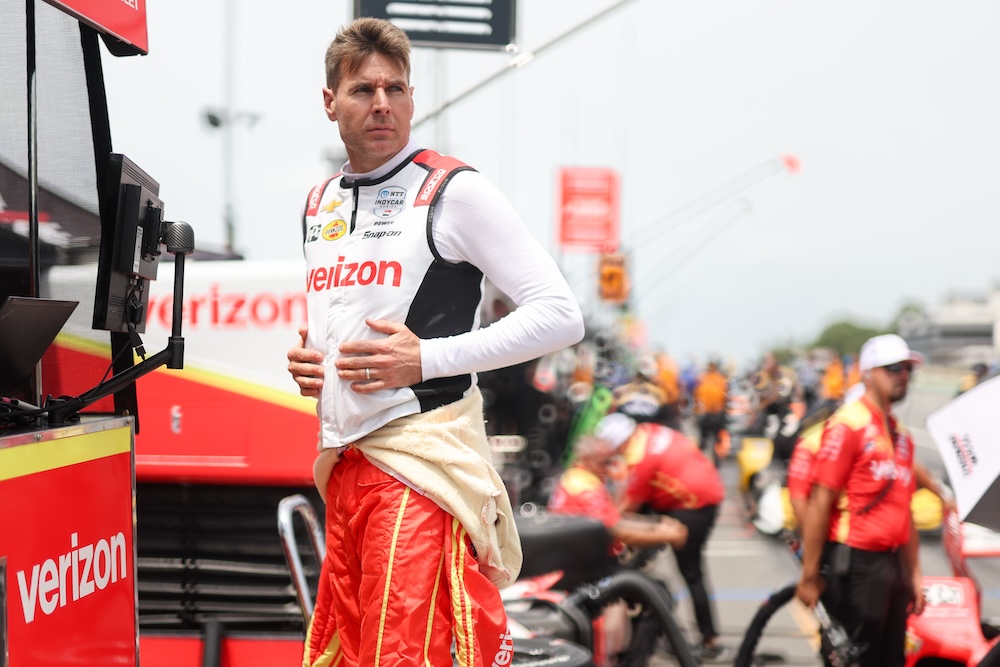
Will Power’s first run for Andretti Global will take place on Wednesday at Phoenix Raceway as part of a Firestone Racing test alongside former teammate Josef Newgarden from Team Penske.
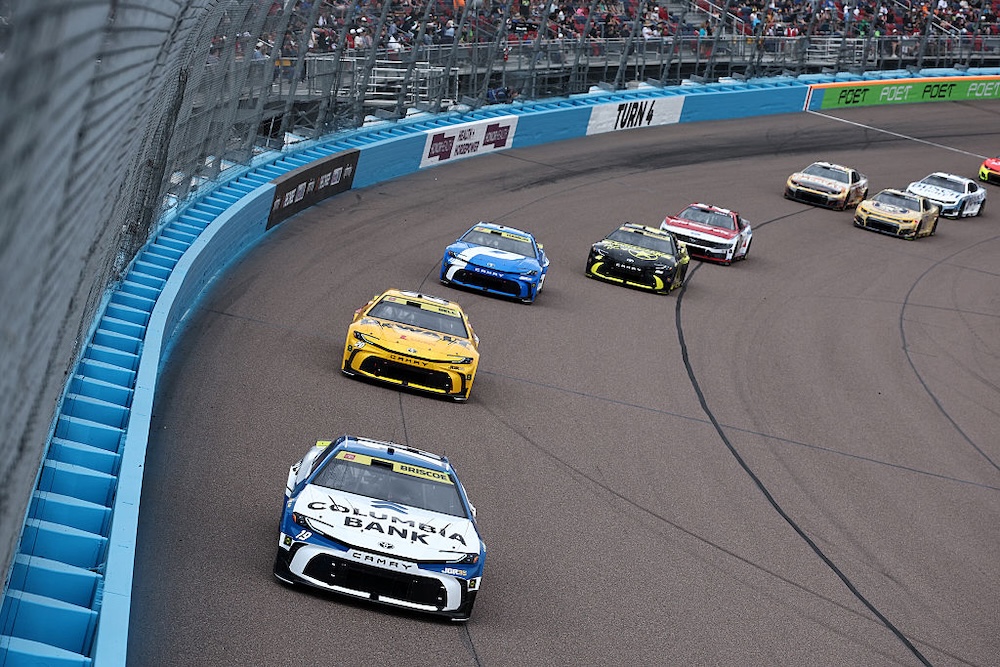
Power and his new No. 26 Honda effort and Newgarden’s No. 2 Chevy program will make use of the one-mile oval to help Firestone confirm which tires it will produce for the IndyCar Series’ return across March 6-7 for the Good Ranchers 250, which is part of the crossover weekend for IndyCar and NASCAR in Arizona.
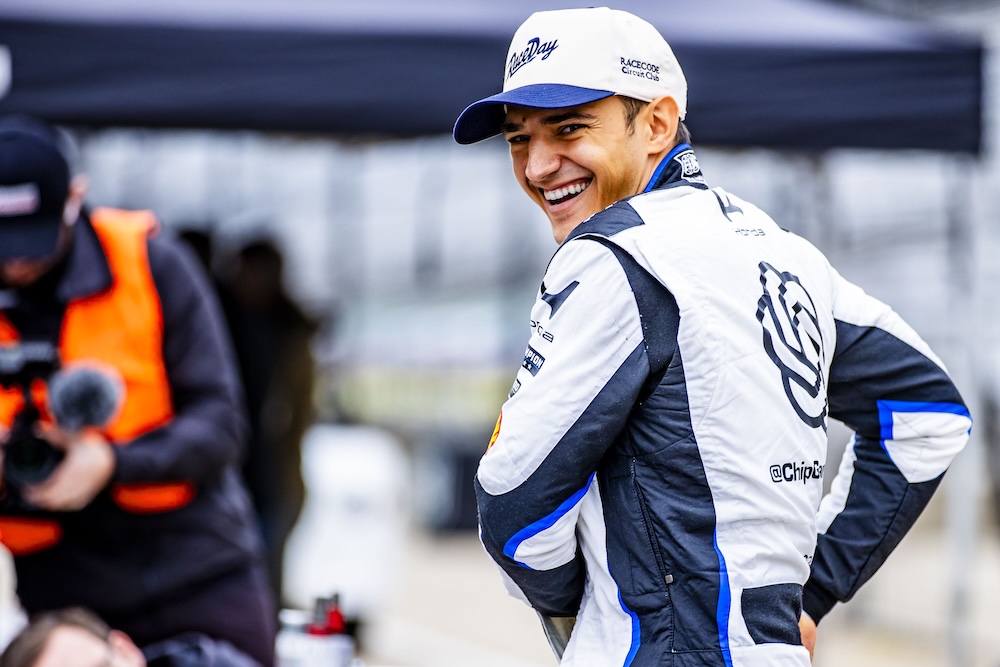
Wednesday’s outing by Andretti and Penske follows the November 6 test conducted by Firestone with Chip Ganassi Racing’s Scott Dixon and Ed Carpenter Racing’s Alexander Rossi, who assisted IndyCar’s official tire partner in its effort to refine construction and compound options.
With Power and Newgarden, Cara Krstolic, Firestone’s director of race tire engineering and production, and chief motorsports engineer, is hoping to receive the feedback that’s necessary to start making Phoenix tires for the entire field.
“This is a verification test,” Krstolic told RACER. “We've already done a lot of work ahead of time, but whenever you introduce a significant change, you want to put a lot of resources and testing into that, too. This is a very short development cycle from when we first heard that there might be a possibility of going to Phoenix, to the race itself. It was just about six months.
“And if you look at the first on-track test from when we heard about the race, it's a very short design cycle for us. So that meant we had to start preparing for this even before we were able to get into the Phoenix race track. We brought what we would call the proof of concept, the tire that we had developed using virtual modeling and simulation, and we brought that – after we had done our thorough testing and quality verification – to the Gateway tests, and we were able to get a short run and a little bit longer intermediate run on this, this new type of tire.”
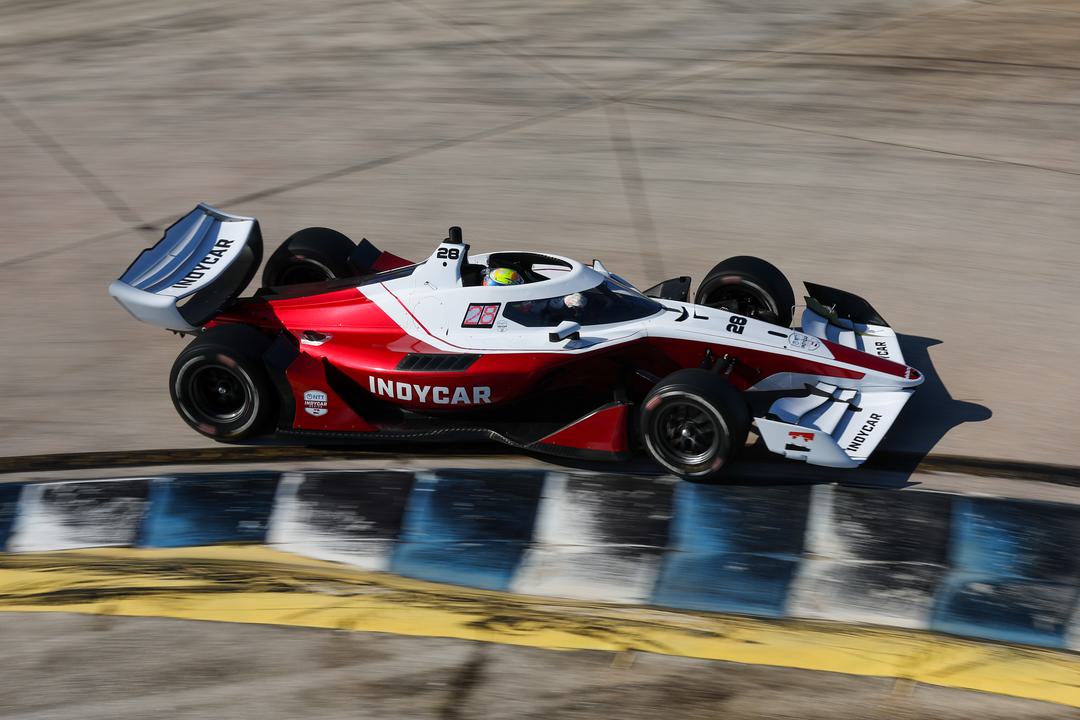
The new tire is a product of necessity. With the spec Dallara DW12 IndyCar chassis having gained more than 150 pounds since its last race at Phoenix in 2018, the considerable heft has punished right-front tires on short ovals, where the combination of high weight and constant turning has led to advanced wear.
To combat the newfound problem, Krstolic and her Firestone teammates created a new and wider right-front tire to mount on the 10-inch-wide wheels.
“The right front is a little less than a half-inch wider than our traditional superspeedway, or short oval right-front tire,” she said. “One piece of feedback we've heard from teams since the introduction of the hybrid with the additional weight, is they feel the right-front tire is at capacity. It heats up quickly; it can be a challenge for them on tracks where there's a significant downforce increase.
“So the increase of width will give the teams more lateral grip. So for our IndyCar fan, it's going to turn better so the speeds of the car can actually be a little bit higher, because the car has more corner grip, more side grip.
“We brought this, in addition to many other tire specifications, to our November test, and based on the feedback from the drivers, both in short runs, in long runs, and runs in traffic, this wider tire was highly preferred, so we're going back with the wider tire as our main tire.
"We were testing a couple of different things, but there are minor construction changes. We're very close to the actual design of the tire with our control tire, and we'll be testing one additional right side compound.”
Phoenix Raceway was significantly remodeled and repaved immediately after IndyCar’s last visit, and with the Dallara DW12 undergoing an array of its own changes with the aeroscreen driver protection device arriving in 2020 and the switch to hybrid powertrains from Chevrolet and Honda in 2024, Krstolic knew Firestone couldn’t rely on what worked in the past and would need to take a fresh approach to outfitting its cars in 2026. Increasing the right-front’s width by a half-inch doesn’t sound like much of a change, but as Krstolic shares, it was a massive undertaking.
“This is a track that puts a lot of work into the tires,” she said. “If you think about Phoenix, the cars are turning the vast majority of the time. So there's not really a lot of time for the tire to relax after it's had all the work put into it. We come to Phoenix with essentially a new car. I've got 20% more load on the right-front, and the car behaves very differently than the original DW12 did. So we have a little bit of a different approach when it comes to tires.
“We work with Honda, we work with Chevy, and a few of the teams that have more simulation capabilities to get some approximate loads and tire work that we would see going into the first test back in November. In preparation for that test, we saw that the loads and speeds were significantly higher than what we had experienced the last time we were at the track, so we knew we needed a significantly different tire.
“And for most of our testing, we prepare by looking at small changes in construction, changing some angles, changing a compound, some minor tuning, making areas of the tire more or less stiff, but this time, we knew we needed a slightly larger load-carrying capacity, so one of the major things that we tested in November was the slightly wider tire. We worked with Dallara beforehand to make sure that there weren't going to be any interference issues or any overall aero issues if we brought a slightly larger right-front tire, and the tire is larger in width; the diameter is still the same as the original superspeedway right front tire.
“So we tested that, and that tested very positively with the drivers. We also tested some experimental fabrics that are new in this tire that we'll be using for the Phoenix test here in January, we'll be using at the open test in February, and in the race. So there's a lot of difference in this tire. This is a not so much an evolution of a tire as it is a new tire for the teams.”
Marshall Pruett
The 2026 season marks Marshall Pruett's 40th year working in the sport. In his role today for RACER, Pruett covers open-wheel and sports car racing as a writer, reporter, photographer, and filmmaker. In his previous career, he served as a mechanic, engineer, and team manager in a variety of series, including IndyCar, IMSA, and World Challenge.
Read Marshall Pruett's articles
Latest News
Comments
Comments are disabled until you accept Social Networking Cookies. Update cookie preferences
If the dialog doesn't appear, ad-blockers are often the cause; try disabling yours or see our Social Features Support.