Jared C. Tilton/Getty Images
Giese eager to keep Chicago street race rolling
Julie Giese has become a familiar face in Chicago.
“It is funny,” Giese, the president of NASCAR’s Chicago street race told RACER. “I go to the grocery store and the first year, especially, it was like, ‘Oh, you’re the NASCAR lady.’ It’s fun to hear that. As we go into year three, people recognize it, they’re about it and they have a clear understand and are like, ‘We can’t wait to see it again.’”
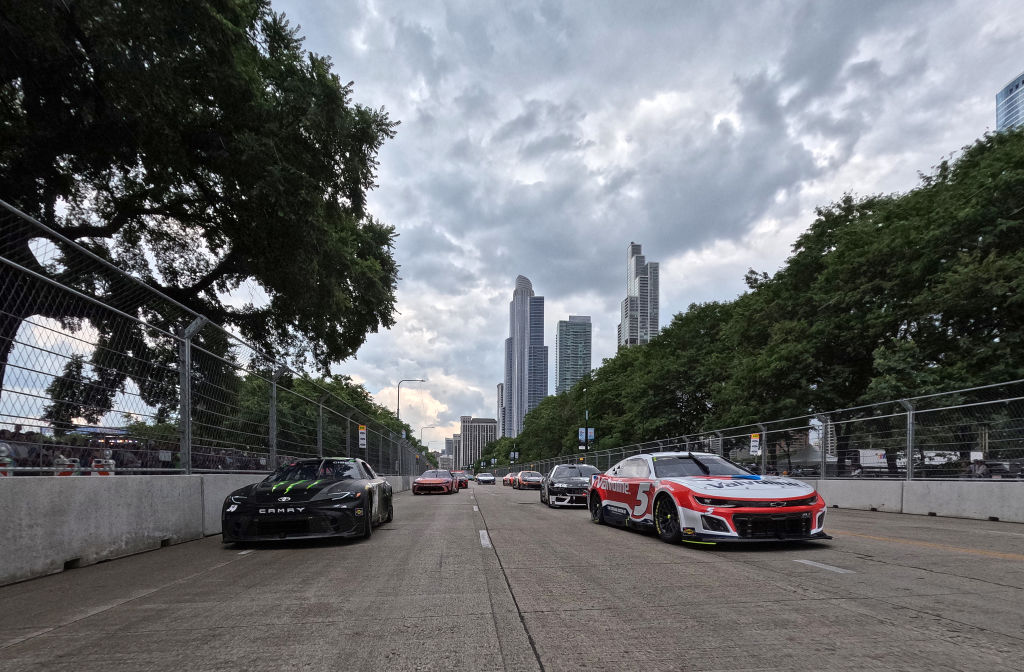
It is the third consecutive year NASCAR is bringing its Xfinity Series and Cup Series teams to Chicago. The streets around Grant Park will be shut down as cars race next to high-rise buildings and past Buckingham Fountain. But it is the last year of the contract with the city of Chicago, although there are option years for the two sides to agree to keep the race on the schedule.
Giese has been there since the beginning, an integral part of the team responsible for the event. But she’s also the face of the event as someone who has been on the ground, attending meetings, answering questions and doing community outreach, having moved to Chicago to be based there.
“It’s been really rewarding,” Giese said. “It’s been a great learning experience. I’ve learned so much these three years here in Chicago whether it’s community outreach, the community engagement, the impact initiatives that we’ve been doing year-round or enjoying the city. I’ve enjoyed it. I’m from the Midwest, so it’s nice to be closer to home and that Midwest environment.”

Giese is enjoying being the "NASCAR lady" in Chicago. Geoff Stellfox/Getty Images
From the start, it was important for Giese and NASCAR to be neighbors of the residents of Chicago, not transplants that come in once a year, disrupt things and leave. Not only did NASCAR set up an office in Chicago, but there are events the sport gets involved with throughout the year that keeps them in front of locals while continuing to show off the sport.
Giese said as the event has grown over the last three years, the conversations that might have been an hour long in year one are now just a few minutes. Or a simple check-in of everyone acknowledging they are good and don’t need anything. And the education process included everything from what NASCAR is to answering questions about race cars hitting buildings.
“I was really the only voice explaining what to expect,” Giese said. “No one had seen it. I hadn’t seen it, but I was talking to these different organizations or resident buildings, and I had a computer model. That was proof of concept really. Then going from year one, everyone sees it … and going into year two, we had those same conversations we had in year one. We weren’t going to back away from any of those, so we continue to better, and in those conversations, we were hearing, ‘I watched it on television and our city looked pretty special and it looked amazing. This is great for our city.’
“Moving to this year, we’re still doing the exact same outreach that we’ve done from year one, so several 100 conversations, meetings, touch points, but they’re much more abbreviated. Everyone has a good understanding. The local residents and buildings around the footprint, they know when we come with their vehicle placards to get to their buildings easily what that means. They know what to expect.”

The Chicago course was a leap into the unknown, but both NASCAR and the city of Chicago now know what to expect. Quinn Harris/Getty Images
NASCAR also shortened the build time for the course for the third straight year. Giese said the build time this year is 42% less than it was in the first year. Some even approached the NASCAR team asking if it was going to be done in time for this weekend’s events since the build started two weeks later than previous years.
A street course also provides evolution flexibility from year to year based on feedback. One of the biggest for this year is trying to cut down the amount of walking by putting a lot of the main experiences closer together. There was also thought put into the viewing areas and fans being able to walk around the course and see the cars on track from different vantage points. Additionally, kids 12 and under are free for the entire weekend.
The future of NASCAR in Chicago – and Giese – is unknown, and those conversations will continue once the third annual event comes to a close. However, it’s arguably been a success for both sides for multiple reasons.
“It drives economic impact and tourism to the city of Chicago, as well as [being] a commercial for the entire weekend on an international television for the city,” Giese said. “Then for us, it’s bringing NASCAR to a new audience. That first year, over 80% of our attendees were at their very first NASCAR race. Last year, I believe it was close to 70. We’re tracking in and around that area again this year.
“I think those are the two big metrics. Obviously, [NASCAR] working with all the different neighborhoods across the city, the community engagement of over $5 million in initiatives over these three years from a giveback perspective. That’s something I enjoy most about NASCAR and working in NASCAR is the work done in the communities where we race. Chicago is no different.”
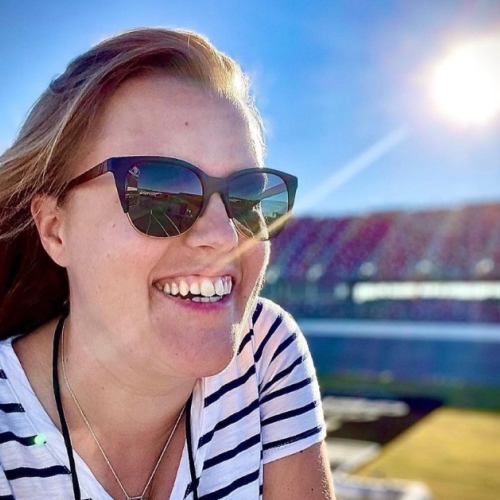
Kelly Crandall
Kelly has been on the NASCAR beat full-time since 2013, and joined RACER as chief NASCAR writer in 2017. Her work has also appeared in NASCAR.com, the NASCAR Illustrated magazine, and NBC Sports. A corporate communications graduate from Central Penn College, Crandall is a two-time George Cunningham Writer of the Year recipient from the National Motorsports Press Association.
Read Kelly Crandall's articles
Latest News
Comments
Comments are disabled until you accept Social Networking Cookies. Update cookie preferences
If the dialog doesn't appear, ad-blockers are often the cause; try disabling yours or see our Social Features Support.