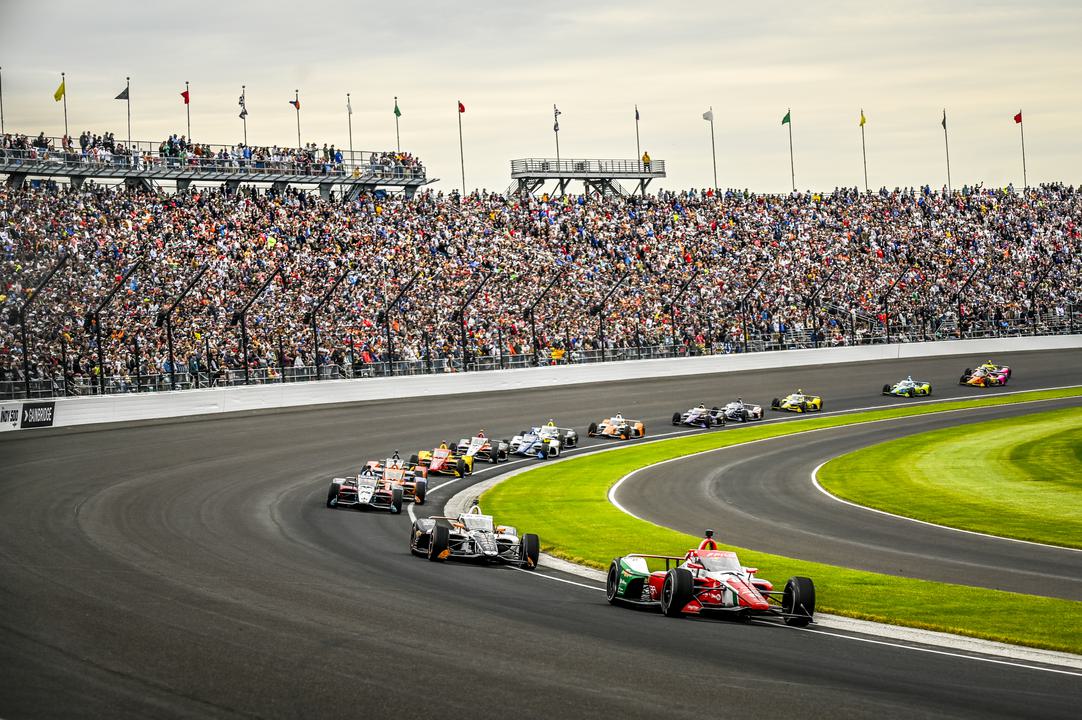
Doug Mathews/IMS Photo
100-percent reliability for Indy 500 hybrids
The IndyCar Series’ first running of the Indianapolis 500 with hybrid engines was a remarkable success for all of the partners involved in making the energy recovery systems fitted to the field of 33 cars.
Reliability with the supercapacitor-based units using technology sourced from Skeleton and Empel, which has been packaged into spec systems for IndyCar by its engine partners at Chevrolet and Honda, has wavered since the 60hp devices were introduce in July of 2024. But in the first appearance of Chevy’s motor generator units and Honda’s energy storage systems at the 500-mile race, IndyCar’s hybrid powertrains recorded 100-percent reliability.
“I’ve confirmed we had zero hybrid issues in the race,” Mark Sibla, IndyCar’s Sr. VP of competition and operations, told RACER. “It's huge. The credit just goes to all the folks you know behind the scenes, whether that's Skeleton and Empel and (Chevy IndyCar engine builder) Ilmor and HRC (Honda Racing Corporation US), and our team as well.
“It’s a new technology that's been introduced, and there's been moments where we've had to make tweaks to that to ensure that we had a great Indy 500 and that it was a positive influence, and that there weren't issues, or it didn't change people's days, and that's what we walked away with.”
More IndyCar
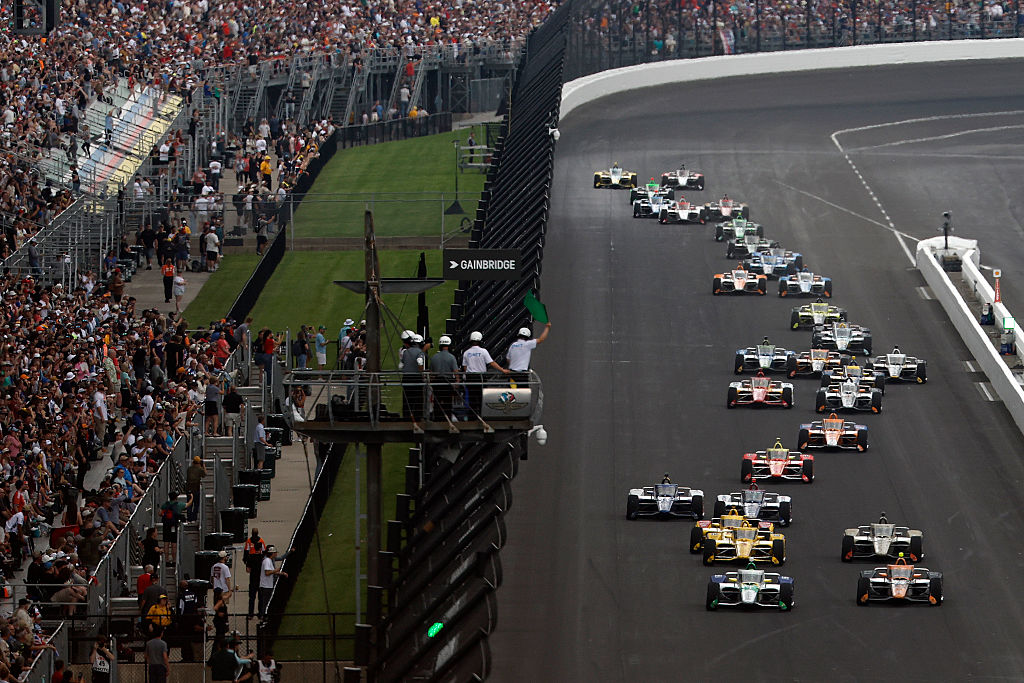
Chuck Schifsky, American Honda’s motorsports manager, echoed Sibla’s comments after becoming the first his brand became the auto manufacturer to reach the checkered flag with a hybrid engine at the Indy 500.
“From Honda‘s perspective, the IndyCar Hybrid System performed quite well during its maiden voyage at the 2025 Indianapolis 500,” he said. “In practice, qualifying, and during the 200 lap race, Honda considers this first hybrid Indy 500 to be a success.”
The extra power from the ERS made a difference in qualifying where the final lap, which tends to be slower due to tire degradation, was often boosted once the power was deployed. Throughout the 200-lap race, the ERS units were in constant use by the field.
“And that's great to see, too,” Sibla added. “We certainly saw it in qualifying – different strategies, and I find that storyline fascinating – but it was also being used a lot the during the race, and especially towards the end. So for it to be zero issues, and as is reliable as it was, is a huge step.”
Marshall Pruett
The 2026 season marks Marshall Pruett's 40th year working in the sport. In his role today for RACER, Pruett covers open-wheel and sports car racing as a writer, reporter, photographer, and filmmaker. In his previous career, he served as a mechanic, engineer, and team manager in a variety of series, including IndyCar, IMSA, and World Challenge.
Read Marshall Pruett's articles
Latest News

Comments
Comments are disabled until you accept Social Networking Cookies. Update cookie preferences
If the dialog doesn't appear, ad-blockers are often the cause; try disabling yours or see our Social Features Support.